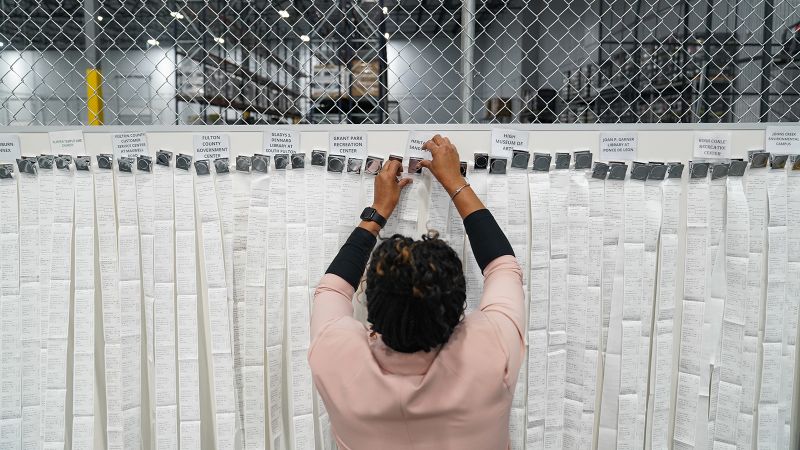
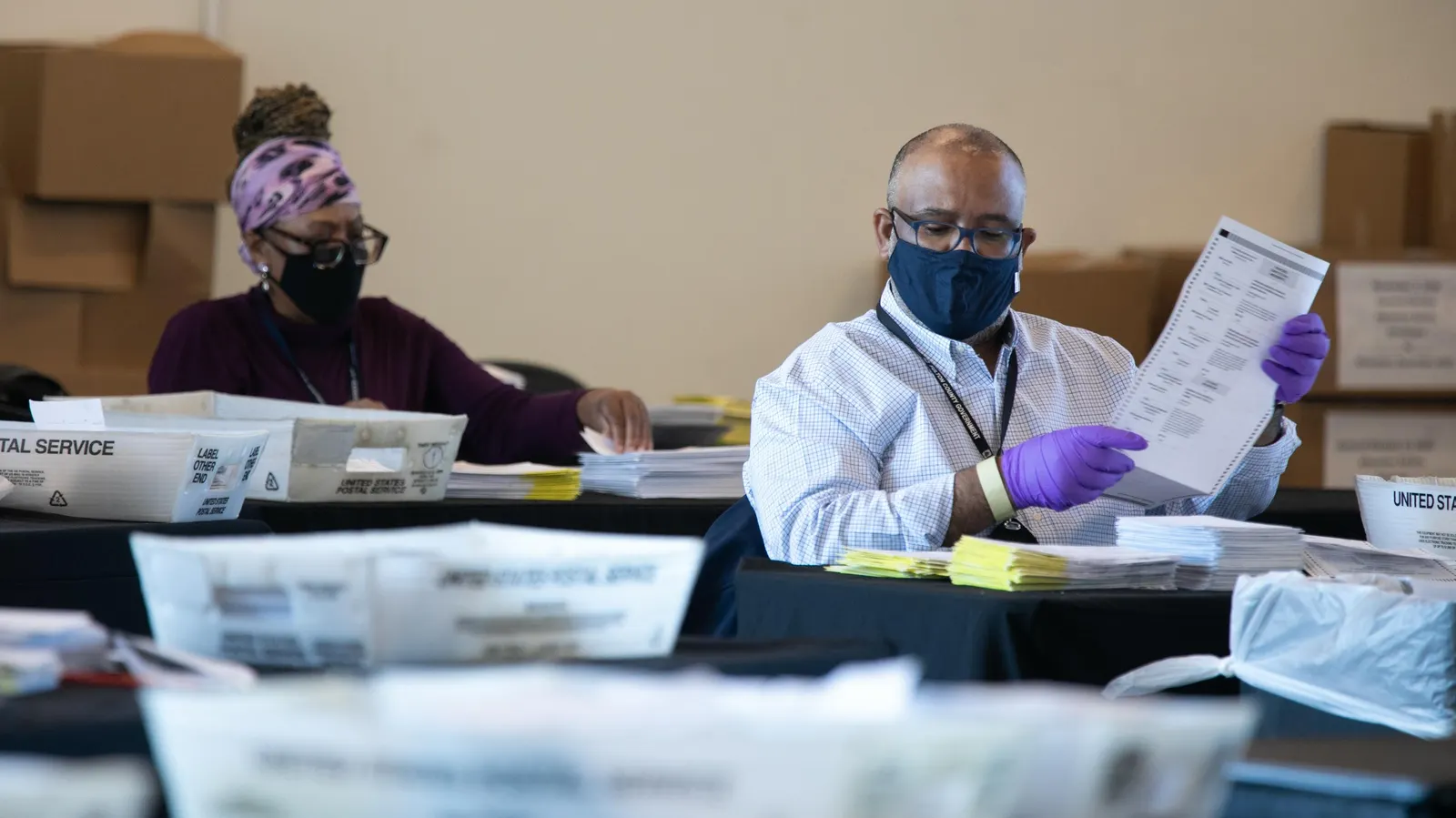
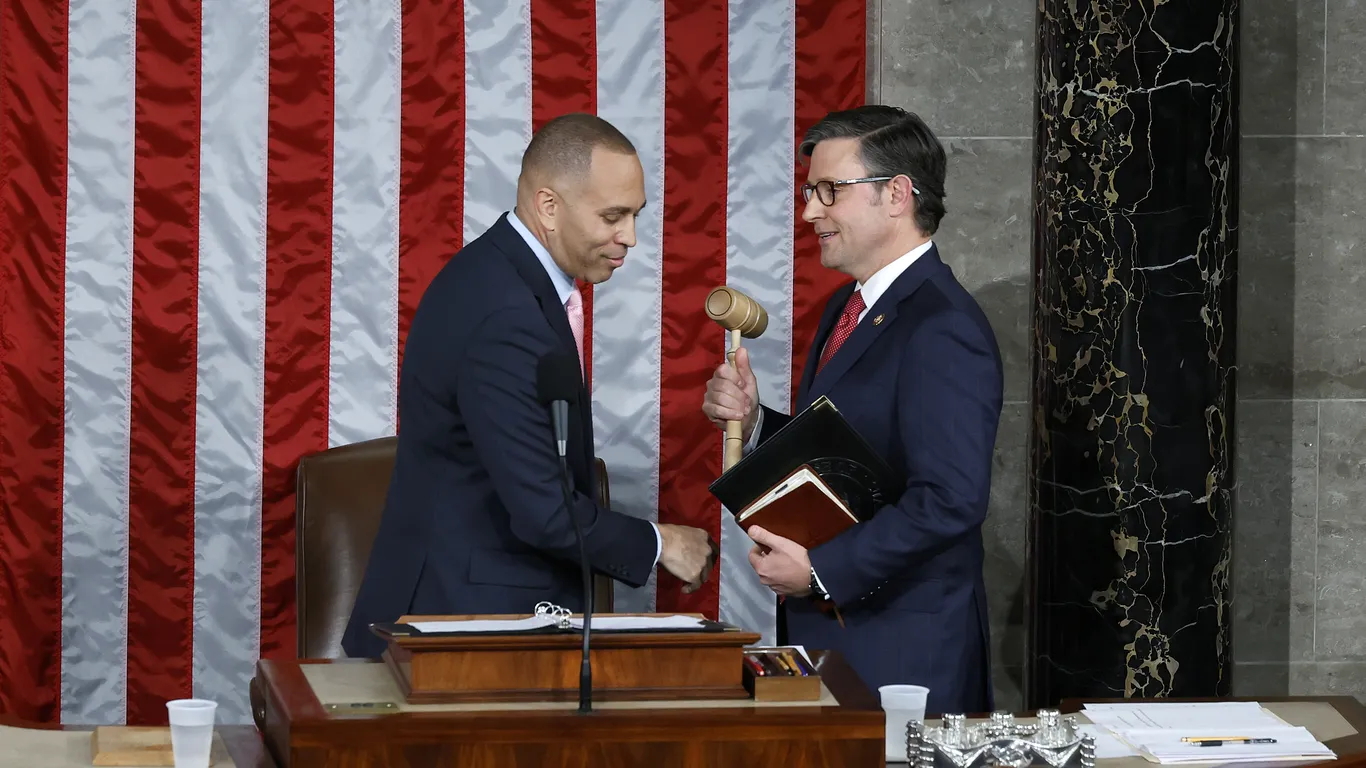
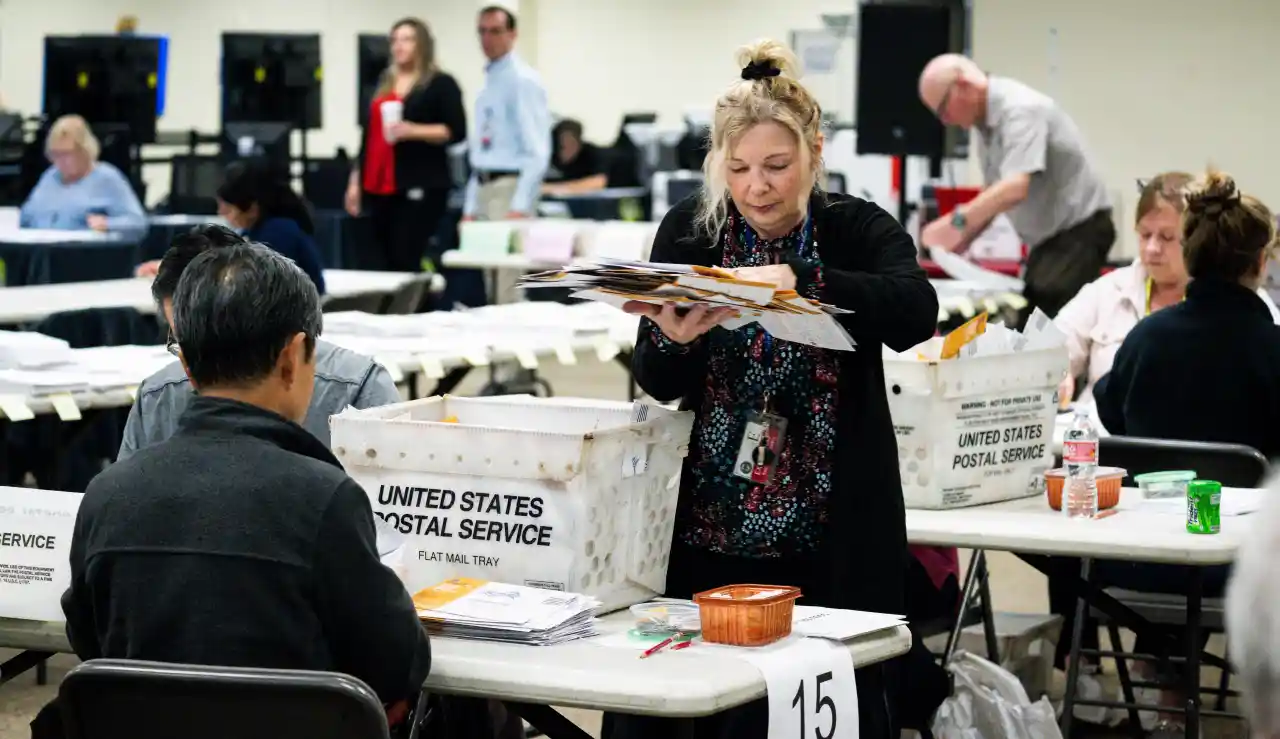
Votes are still being counted in various House and Senate races across the United States, with results yet to be finalized. The ongoing tallying process is crucial for determining the balance of power in Congress following the midterm elections.
Battleground states are rushing to count ballots after a mostly smooth Election Day, despite bomb threats targeting polling places in multiple states. Donald Trump has secured the 270 Electoral College votes needed to win the presidency, and Republicans will control the Senate, while the House remains undecided. The bomb threats, which were not credible, led to temporary closures but did not significantly disrupt the voting process. Investigations suggest some threats originated from Russian email domains. Key states like Michigan, Georgia, Nevada, Pennsylvania, and Wisconsin are still counting votes.
As Election Night unfolds, the timing of knowing the presidential winner hinges on how quickly ballots are counted and the closeness of the race. While ballot counting is expected to be faster than in 2020 due to fewer mail-in ballots and improved processes in states like Michigan, the margin of victory remains crucial. Swing states like Arizona, Georgia, Michigan, Nevada, North Carolina, Pennsylvania, and Wisconsin have varying timelines for reporting results, with some potentially taking days to finalize. Patience is advised as the race between Donald Trump and Kamala Harris is anticipated to be close.
As the 2024 election night unfolds, vote counting is expected to be faster than in 2020 due to fewer mail-in ballots and improved processes in states like Michigan. However, the close margin between Donald Trump and Kamala Harris could delay final results. Key swing states like Arizona, Georgia, Michigan, Nevada, North Carolina, Pennsylvania, and Wisconsin have varying timelines for reporting results, with some states like Arizona and Nevada potentially taking longer due to specific voting laws and procedures.
As the U.S. heads into Election Night, the speed of determining the presidential winner will depend on how quickly ballots are counted and the closeness of the race. While ballot counting is expected to be faster than in 2020 due to fewer mail-in ballots and improved laws in states like Michigan, close margins could delay projections. Key swing states like Arizona, Georgia, and Nevada have varying timelines for reporting results, with some states like Pennsylvania and Wisconsin lacking preprocessing capabilities, potentially slowing their counts. Overall, results may be known sooner than in 2020, but patience is advised.
The presidential election results in key battleground states like Pennsylvania and Wisconsin may take days to finalize due to delays in counting mail-in ballots, which cannot be processed until Election Day. This could lead to a prolonged wait for the final outcome, especially if the race is close between Kamala Harris and Donald Trump. Other states like Georgia and North Carolina have processes in place to report results more quickly, but Pennsylvania and Wisconsin are expected to be the slowest.
Several key House races in states like Virginia, North Carolina, Florida, Michigan, Pennsylvania, and New York are being closely watched as early indicators of the overall election outcome on November 5. These races, often in swing districts, could provide insights into which party might gain control of Congress. States like Virginia and Florida are expected to report results quickly, while New York's results may take longer due to mail-in ballot counting rules.
Americans may not know the winner of the presidential election on Election Night due to varying state vote-counting laws and procedures. In 2020, states like Pennsylvania, Arizona, and Nevada took days to finalize results, leading to a "red mirage" where early results favored Trump before Biden overtook him. This year, similar delays are expected, with states like Georgia and Michigan potentially speeding up their processes, while others like Pennsylvania and Wisconsin may still face delays due to when they can start counting absentee ballots.