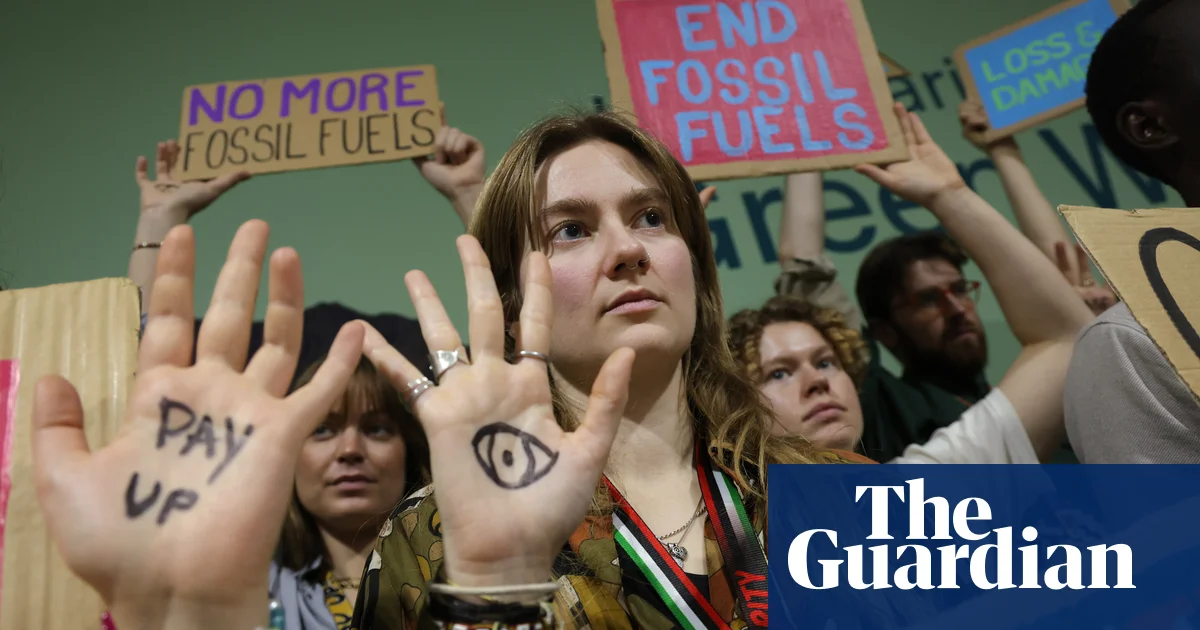
The 2024 global election year has seen a decline in commitment to climate action, with major wins for climate-skeptic leaders like Donald Trump and right-wing parties in Europe. Despite increasing climate disasters, public prioritization of climate issues has waned, overshadowed by concerns like inflation and energy prices. The Cop29 summit in Azerbaijan highlighted the lack of progress in emissions reduction and climate finance, with some countries even withdrawing from climate agreements. This trend raises concerns about the future of global climate action amid rising populism and political shifts.

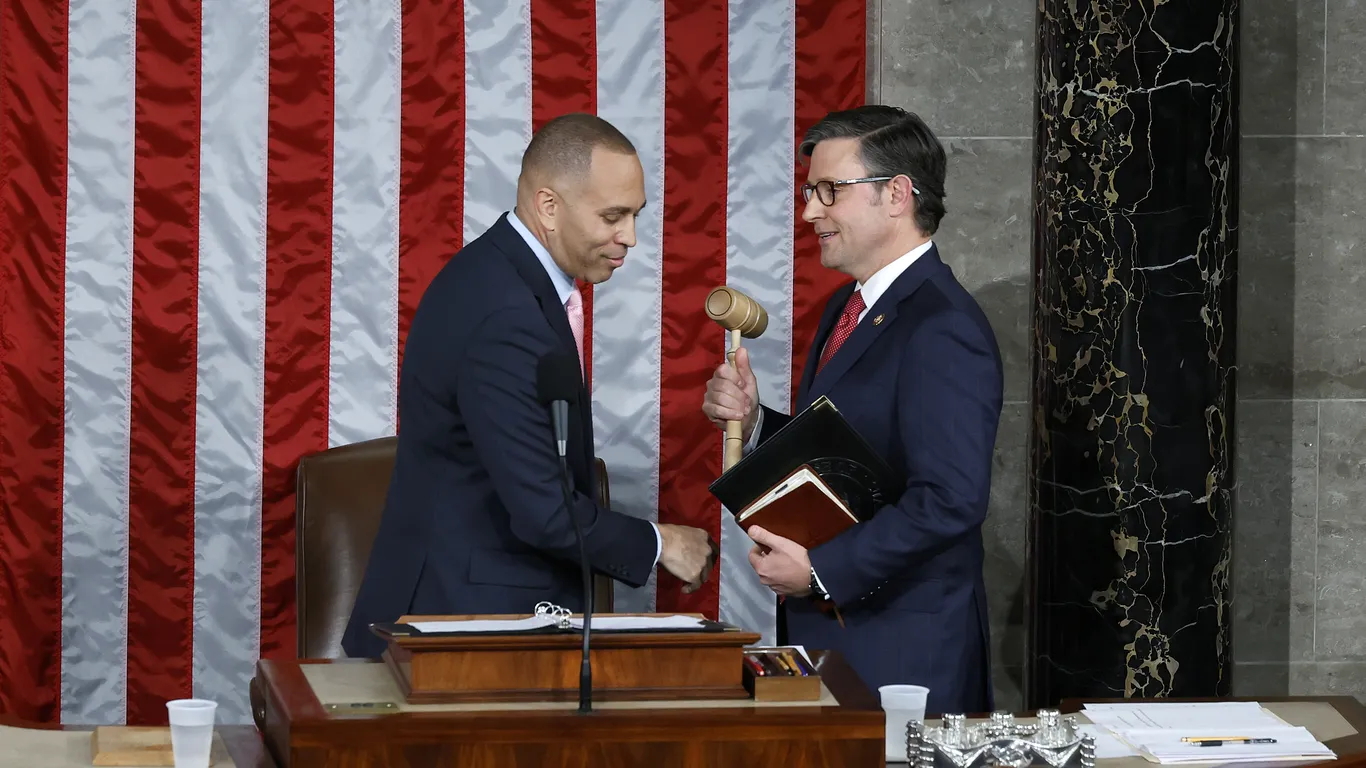
In recent state legislative elections, Republicans largely maintained their control over state capitals, reversing some Democratic gains from 2022 in states like Michigan and Minnesota. Despite Democrats' hopes for significant advances, particularly in Wisconsin and Arizona, they fell short of expectations. Republicans also retained control of all governorships up for election, with no state executive posts changing party. The results indicate continued Republican dominance in state politics, with Democrats struggling to capitalize on opportunities for gains.
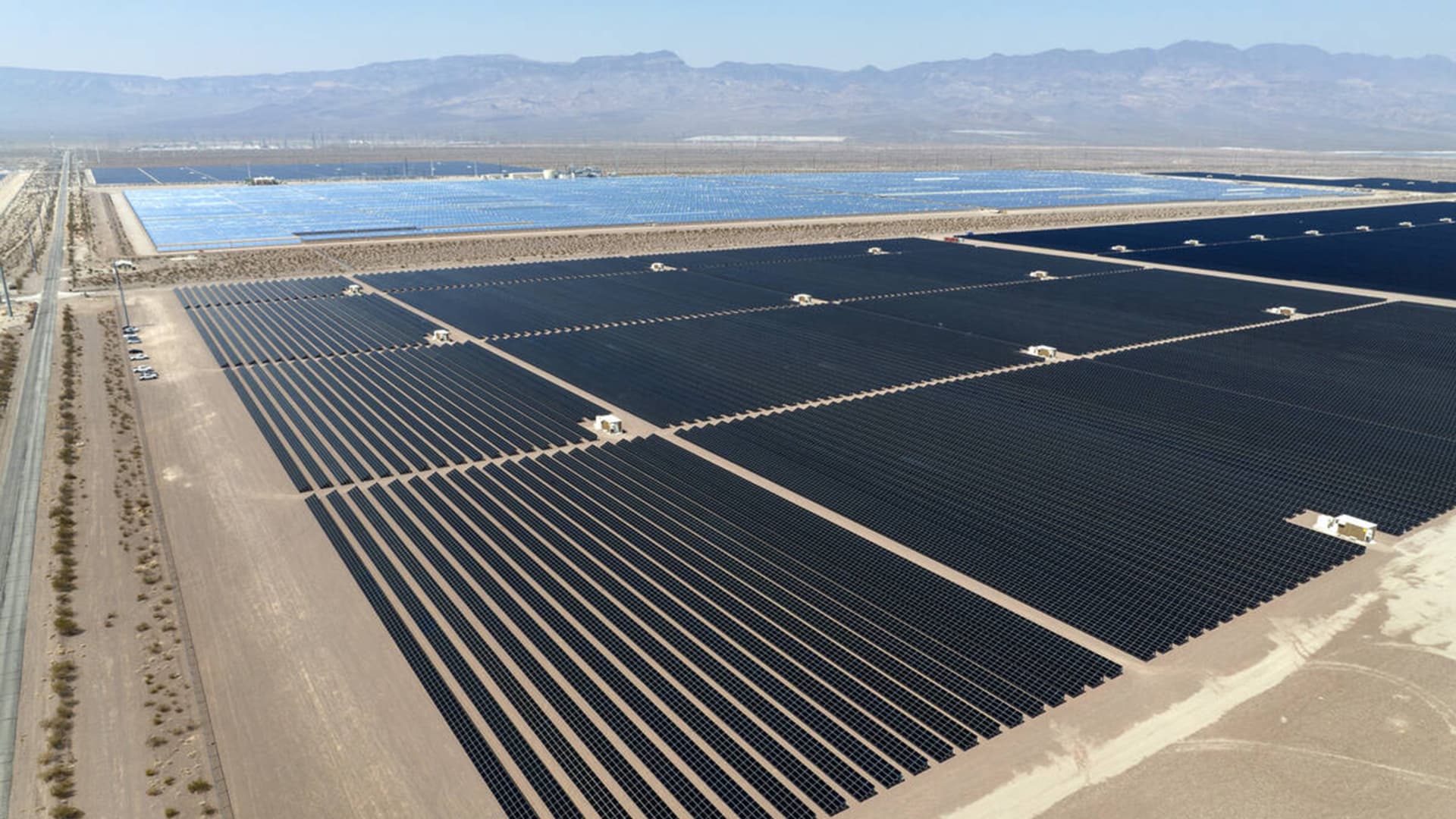
Solar stocks, including First Solar and Enphase Energy, fell sharply after Donald Trump was declared the winner of the presidential election, as his campaign promises to reverse Biden's renewable energy policies. The Invesco Solar ETF dropped nearly 11% amid concerns over potential policy shifts favoring fossil fuels. Trump's ability to enact these changes depends on Republican success in remaining House races, with the party already holding a slight Senate majority.
Solar stocks plummeted after Donald Trump secured a second term as U.S. President, raising concerns about the future of the Inflation Reduction Act (IRA), which has been pivotal in promoting clean energy through tax incentives. The Invesco Solar ETF dropped over 11% in premarket trading, with significant declines in companies like First Solar, Sunrun, and Sunnova. Trump's campaign has targeted the IRA, labeling it the "Socialist Green New Deal," and its future depends on Republican control of Congress.
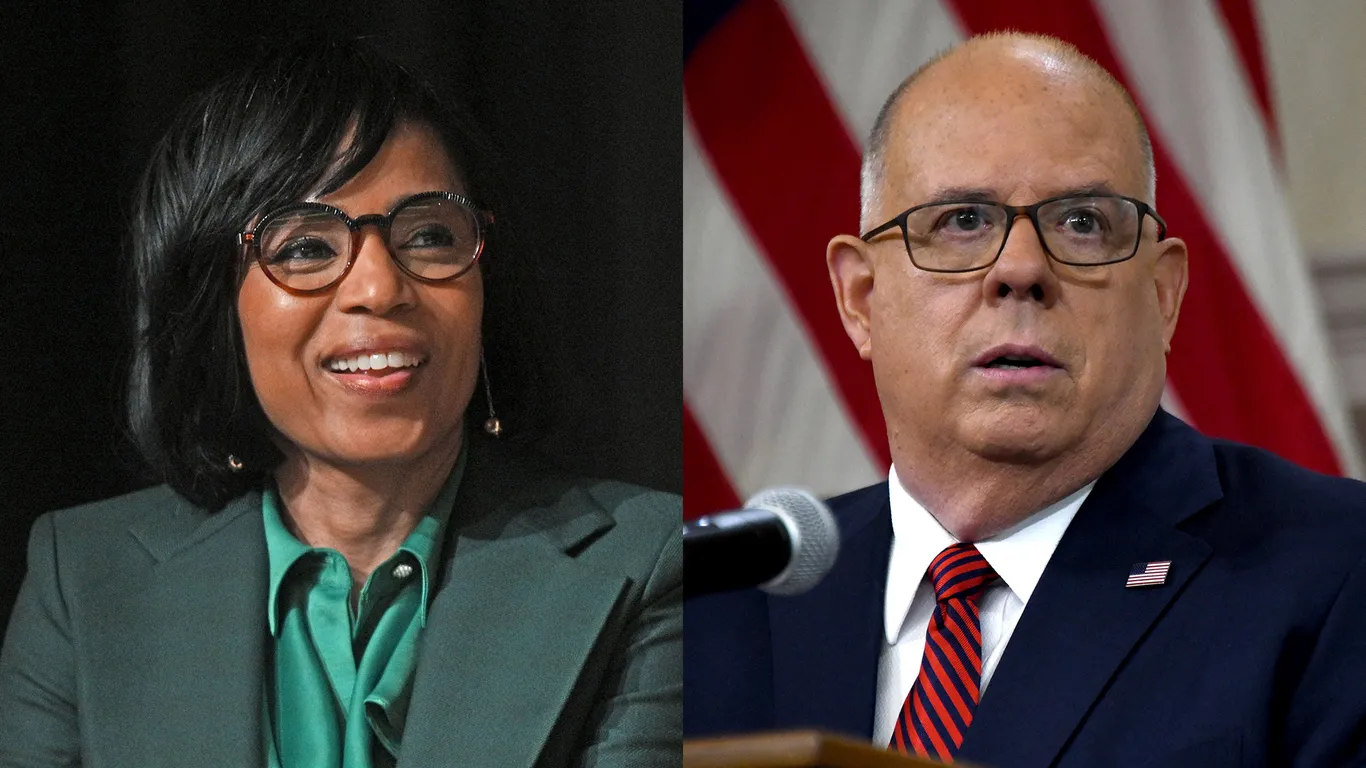
Democrat Angela Alsobrooks has defeated Republican Larry Hogan in the Maryland Senate race, becoming the state's first Black senator. Despite Hogan's popularity and efforts to appeal to Democrats and independents, Alsobrooks' campaign focused on supporting abortion rights and maintaining the Democratic Senate majority. The race was notably competitive and expensive, with over $65 million spent by both parties. Alsobrooks overcame last-minute scrutiny over tax issues to secure her victory.
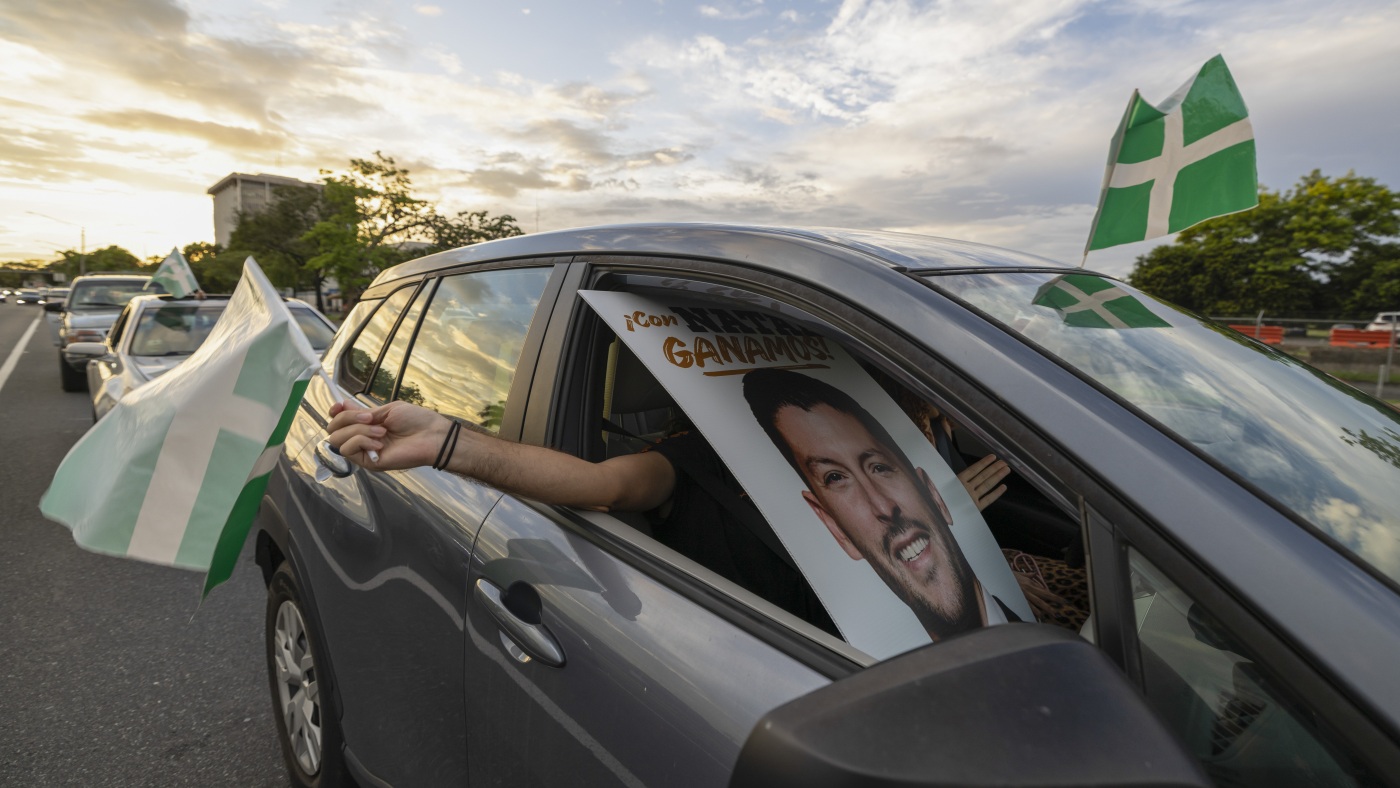
Puerto Rico's general election is set to be historic, with significant implications depending on the outcome. If Jenniffer González of the pro-statehood New Progressive Party wins, it will mark the party's third consecutive term, a first in the island's history. Alternatively, a victory for Juan Dalmau of the Independence Party and Citizen Victory Movement would break the long-standing dominance of the two main parties. The election also includes a nonbinding referendum on Puerto Rico's political status and a symbolic vote for U.S. presidential candidates. Delayed results are expected due to slow vote counting and ongoing allegations of electoral crimes.
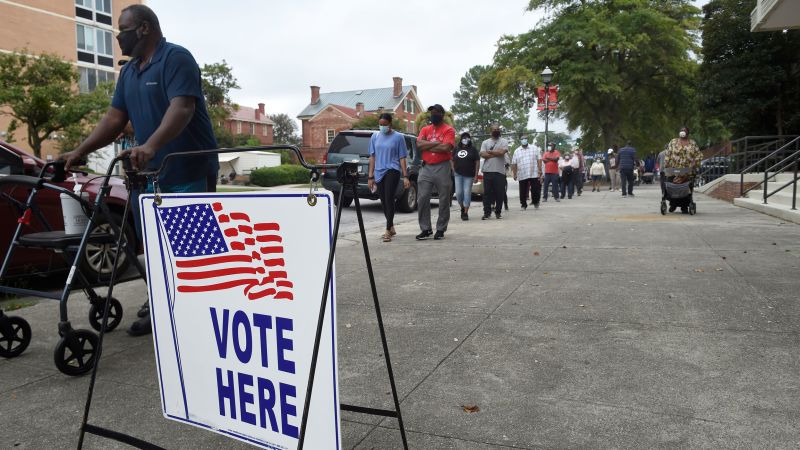
Several key House races in states like Virginia, North Carolina, Florida, Michigan, Pennsylvania, and New York are being closely watched as early indicators of the overall election outcome on November 5. These races, often in swing districts, could provide insights into which party might gain control of Congress. States like Virginia and Florida are expected to report results quickly, while New York's results may take longer due to mail-in ballot counting rules.
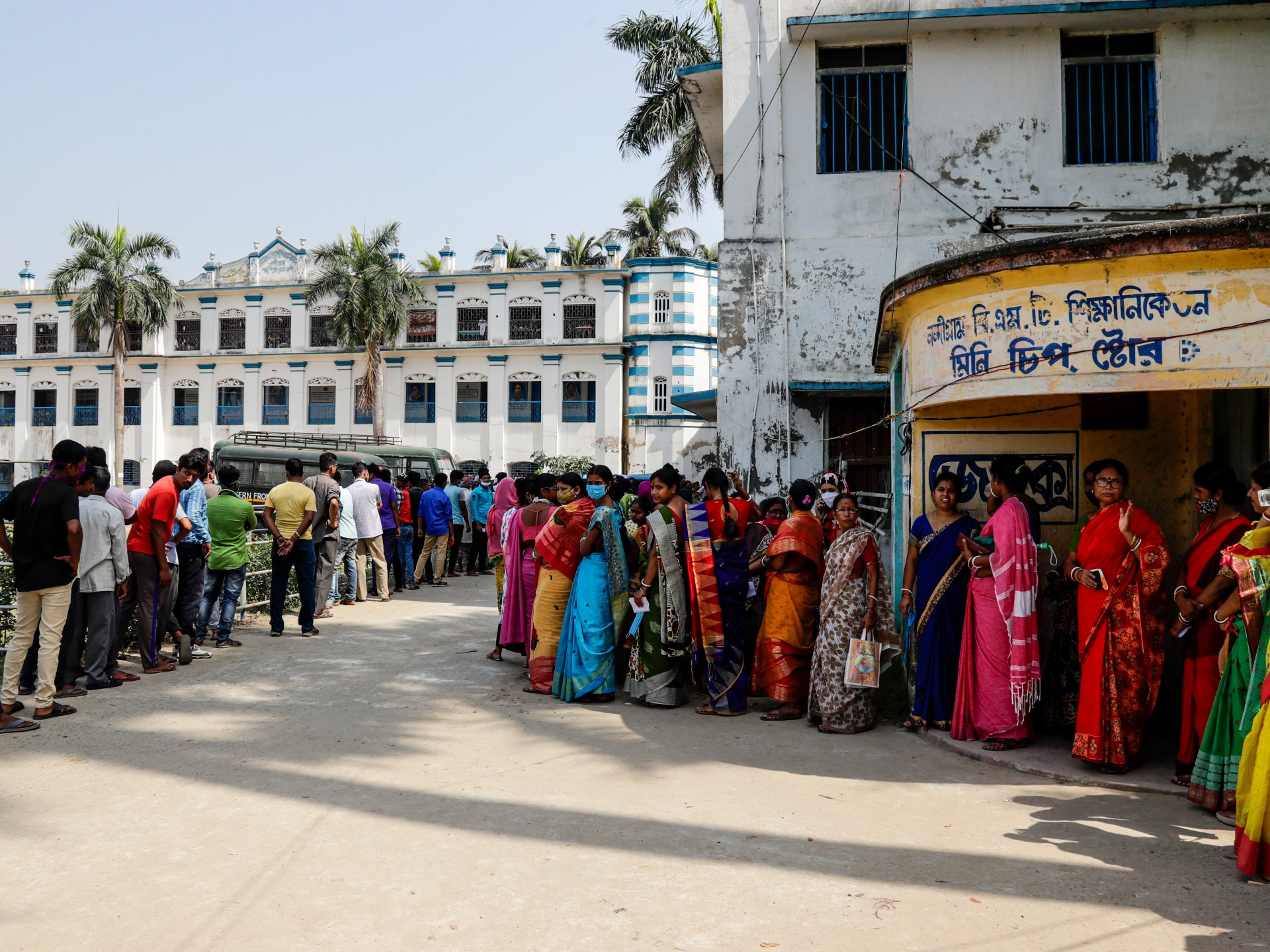
The year 2024 is set to be a pivotal year for global democracy, with nearly half of the world's population voting in national elections, including seven of the ten most populous countries. These elections come at a time when democracy is perceived to be backsliding, and the outcomes could significantly shape the future of democratic governance worldwide. Key elections in Bangladesh, Taiwan, Pakistan, Indonesia, India, South Africa, Mexico, the European Union, the United States, and Ghana will not only determine domestic political landscapes but also have broader implications for international relations, economic policies, and the global commitment to democratic values.
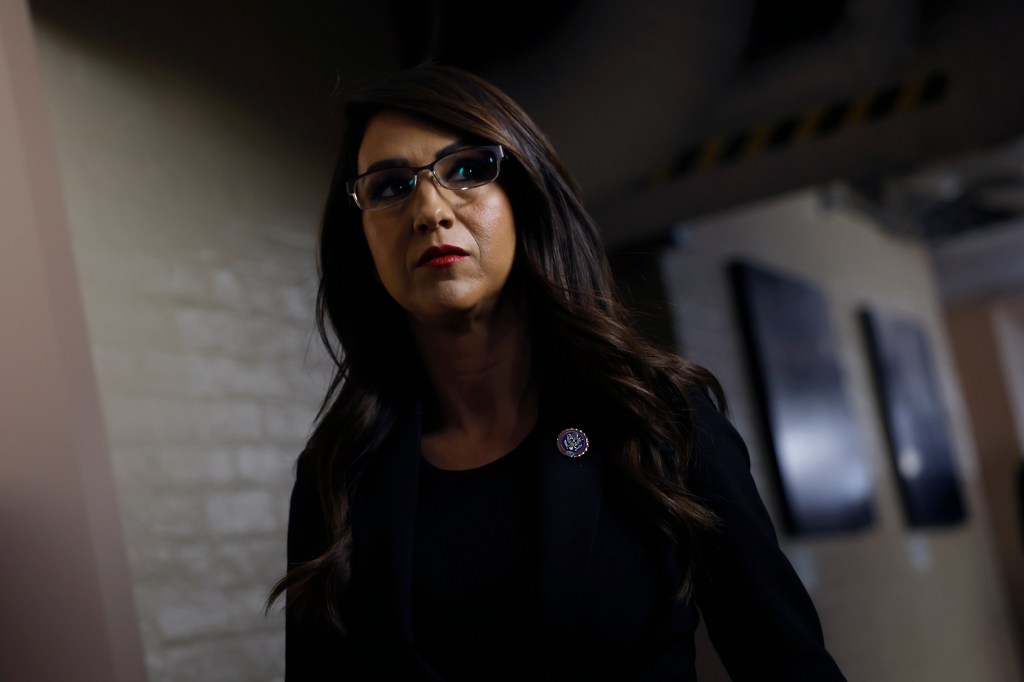
Republican Representative Lauren Boebert has accused Hollywood elites, including Barbra Streisand and Ryan Reynolds, of trying to influence the political landscape by financially supporting her potential Democratic opponent, Adam Frisch. This accusation comes as she announces her switch from Colorado's 3rd to the 4th district for better reelection prospects, a move that highlights a common GOP strategy of attacking Hollywood's support for Democrats. Despite her criticism of outside influence, Boebert herself has received contributions from notable figures outside her district, underscoring the complex relationship between politics and donor support.
CNN's senior political analyst Ron Brownstein has identified a specific state as a 'tipping-point state' for the Democratic Party in the upcoming 2024 elections. This state is considered crucial for the Democrats to maintain control of the Senate. The analysis highlights the strategic importance of this state in the broader political landscape and the potential implications for the party's success in the next election cycle.
As the world welcomed 2024 with fireworks in major cities like Paris, Rio, and Sydney, conflict regions such as Israel, Gaza, and Ukraine experienced rocket strikes and military tensions. The global population, now over eight billion, anticipates significant events including major elections and the Paris Olympics, amidst challenges like high living costs and climate change. Queen Margrethe II of Denmark announced her abdication, while leaders in Russia and Ukraine delivered defiant New Year's messages. The US looks forward to a potential presidential election rematch between Joe Biden and Donald Trump.
The year 2024 is poised to be a period of significant political uncertainty and instability, with challenging elections in major countries like the United States, the United Kingdom, and France, and potential government reshuffles in nations like Germany and Russia. The global pendulum is swinging towards conflict and state failures, with ongoing wars in Ukraine and Gaza, and increasing instability in countries like Sudan and Myanmar. Multilateralism is on the decline, with the UN Security Council becoming inoperative and a rise in bilateral efforts to address economic and security issues. Economic nationalism is gaining traction as countries prioritize self-sufficiency over global interdependence, with a shift away from the principles of globalism towards a focus on narrow national interests.
A significant number of Democratic House members are retiring or seeking other offices compared to their Republican counterparts, potentially impacting the balance of power in the House for the 2024 elections. High-profile retirements include Democrats in competitive districts and Republicans in safer seats, with the GOP seen as having an early advantage. Redistricting and personal ambitions are influencing decisions, while a few lawmakers cite Congressional dysfunction as a reason for their departure.
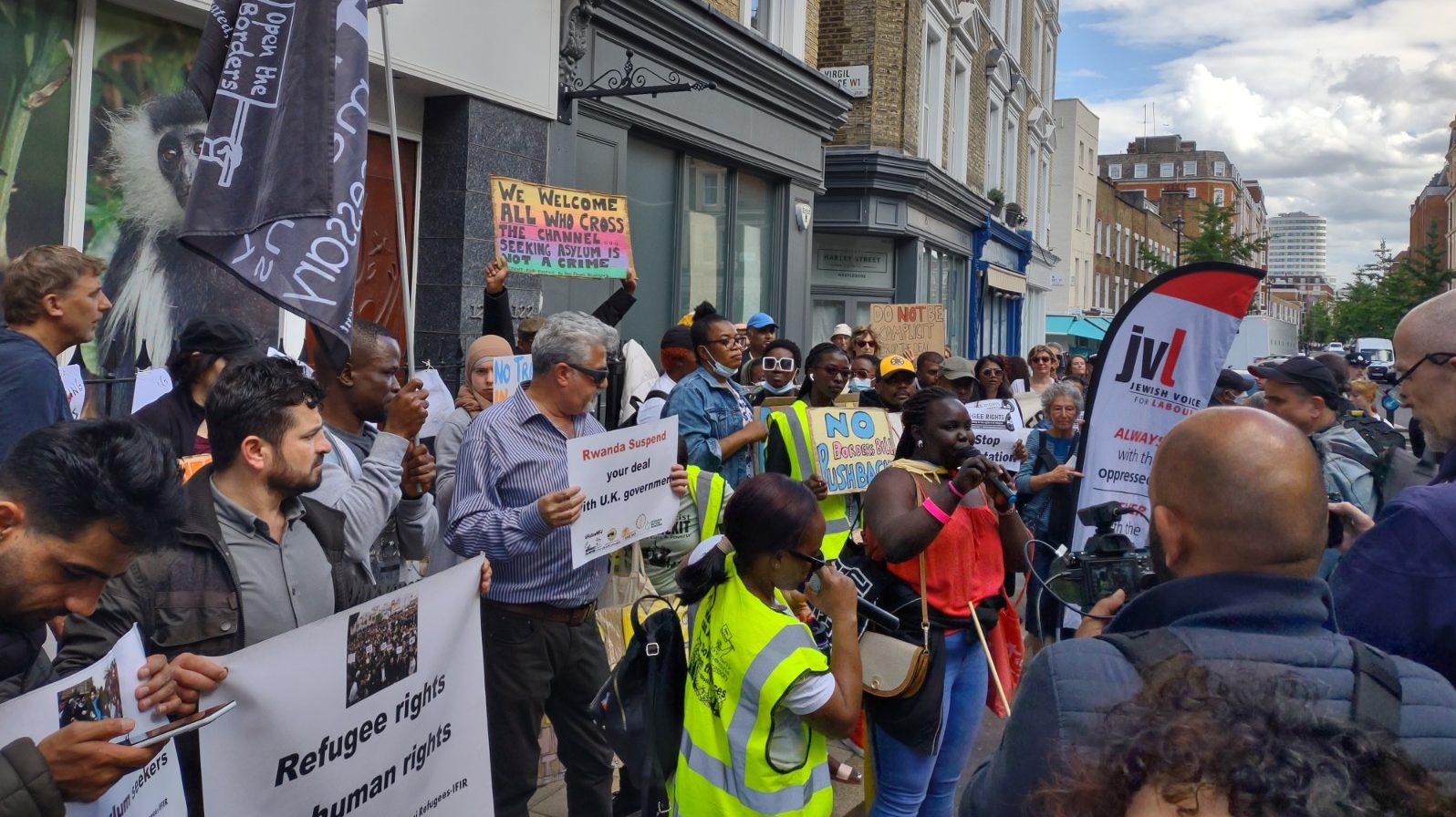
The UK government's policies in 2023 have been criticized for creating a hostile environment for refugees and asylum seekers, with measures like the Rwanda plan and the Illegal Migration Act stripping them of dignity and exacerbating homelessness. However, there has been a rise in coalition work and solidarity movements pushing back against these policies. With the upcoming 2024 elections, there is hope that the public will use their votes to reject the negative rhetoric surrounding migrants and opt for solutions that respect global refugee protection and migration, while also addressing interconnected issues like housing and poverty.