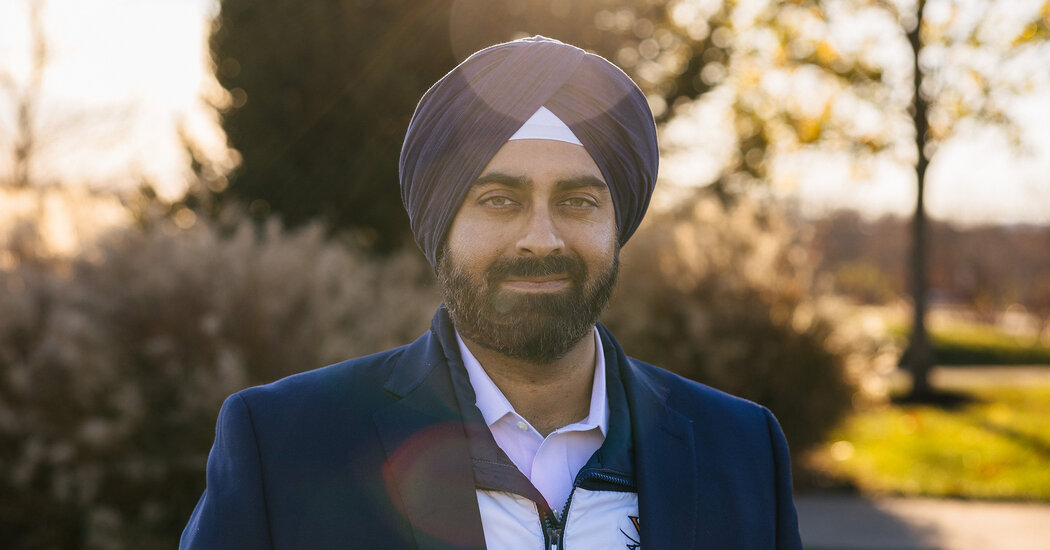
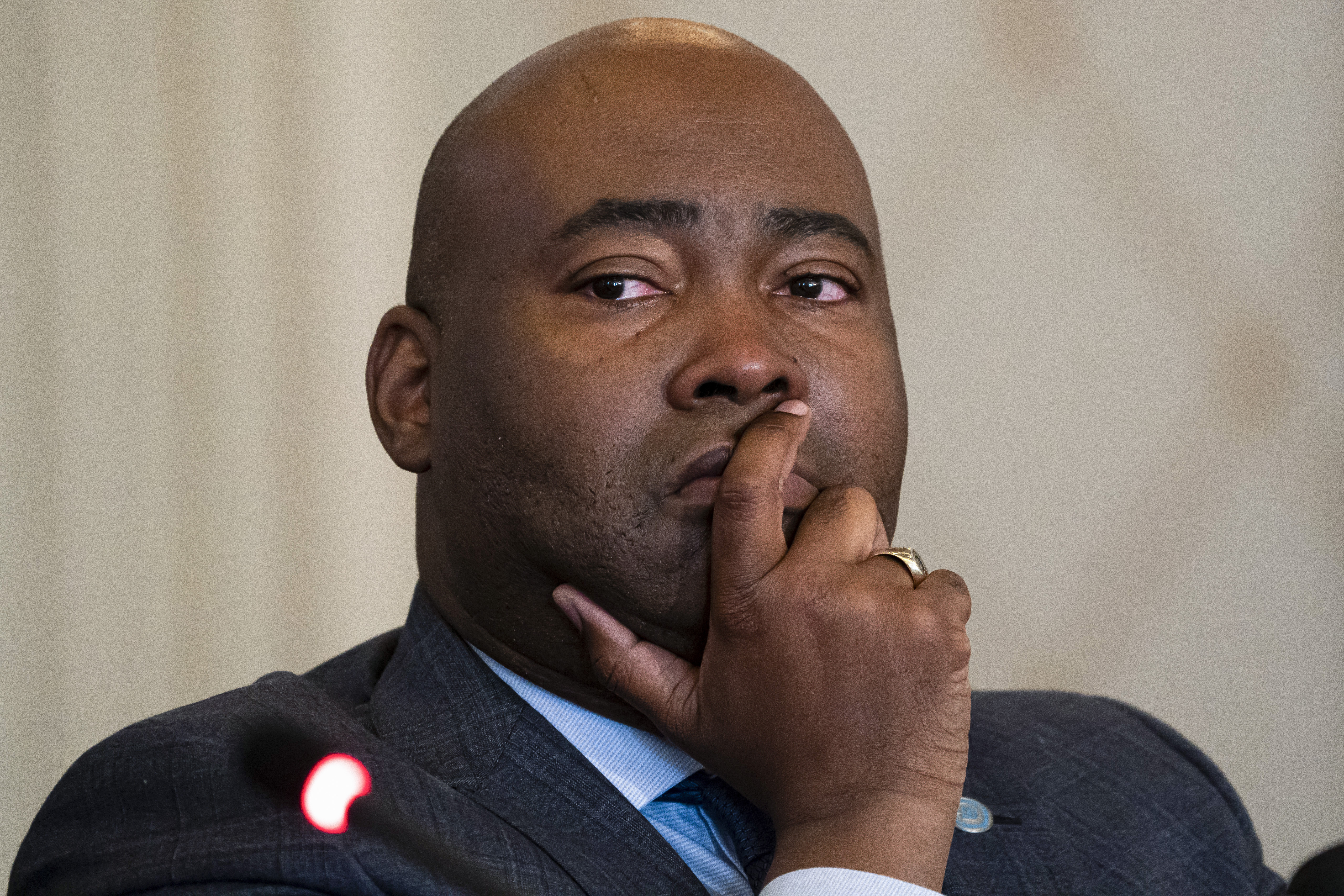
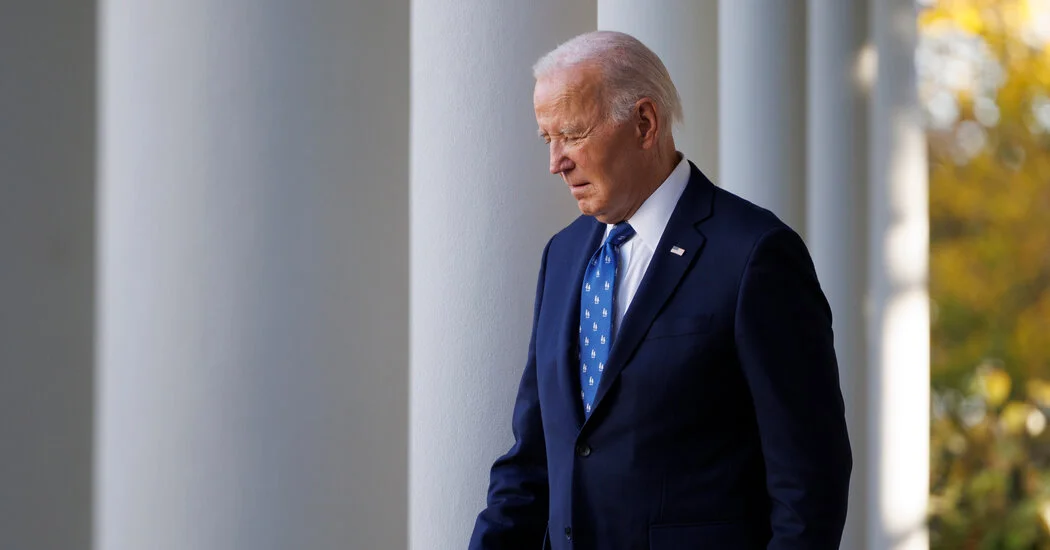
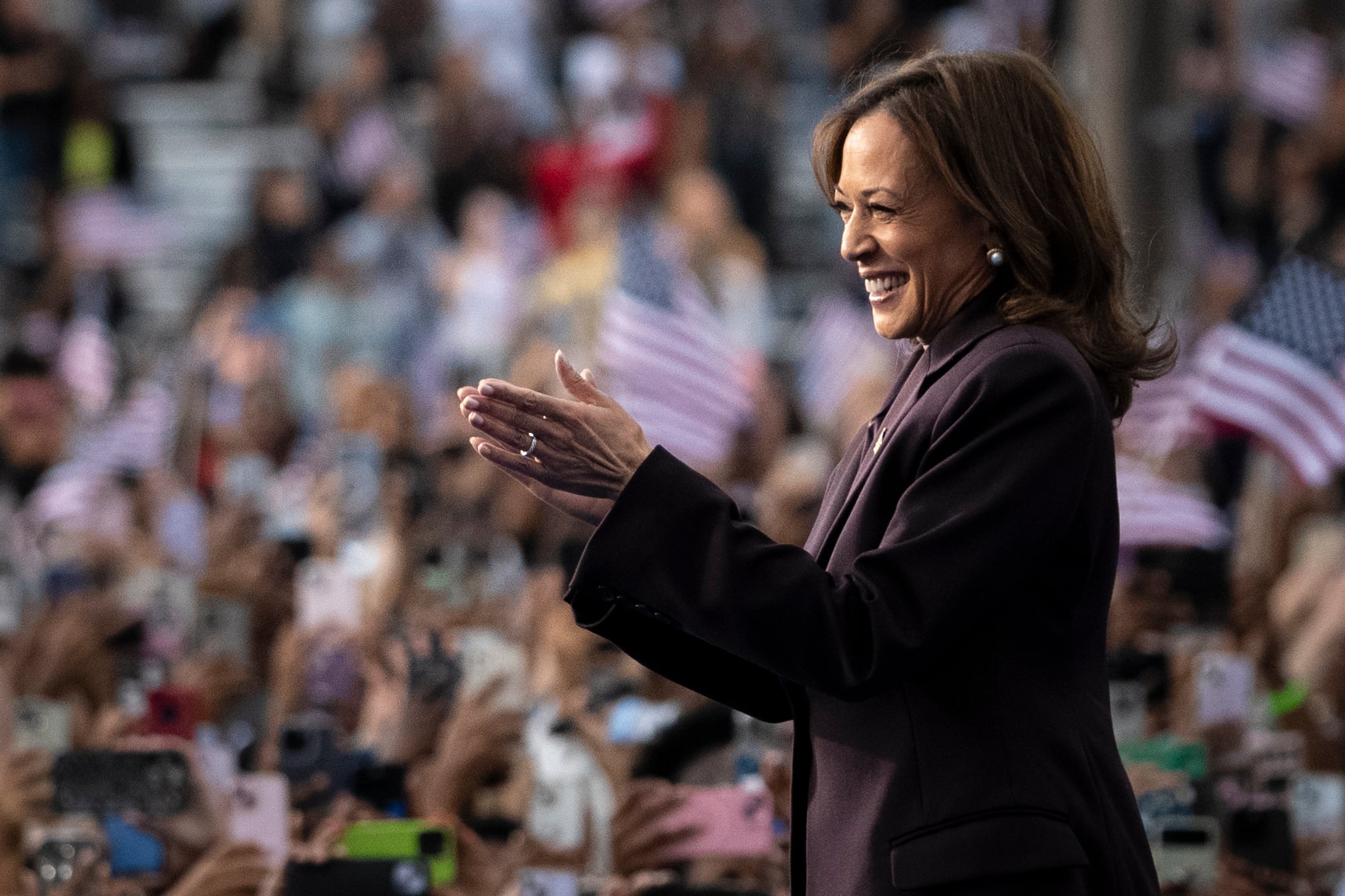
The upcoming elections will serve as a critical test to determine whether former President Donald Trump's influence has diminished the Democratic Party's energy and momentum. These races will provide insight into the current political landscape and the effectiveness of Democratic strategies in countering Trump's impact.
Democratic leaders, gathering in Arizona a month after losing to Donald Trump, are grappling with exhaustion and anger as they analyze their electoral defeat. They blame overpaid consultants and a failure to connect with working-class voters. Despite the setback, there is a sense of resilience, with some leaders like Ken Martin and Ben Wikler advocating for strategic rather than ideological changes. The party is focusing on technical solutions and maintaining a permanent campaign presence, while some members express hope for future electoral success.
In a challenging election cycle for Democrats, California and New York provided crucial victories, with Democrats winning four of six competitive House races in California and flipping multiple seats in New York. This success was attributed to strategic investments, strong candidates, and focused campaigning on quality of life issues. Despite a national rightward shift, Democrats managed to oust several Republican incumbents, narrowing the GOP's House majority. The party's efforts were bolstered by significant financial backing and labor union support, highlighting the importance of targeted resources and messaging.
President Joe Biden has reconsidered his stance on pardoning his son, Hunter Biden, amid ongoing legal challenges and political pressure. Initially hesitant, Biden now believes that issuing a pardon could help resolve the situation and alleviate the political burden on his administration. This shift reflects a strategic decision to end the controversy surrounding Hunter's legal troubles.
The race to lead the Democratic Party has been quietly underway for months, with rising Democratic figures positioning themselves for leadership roles. This internal competition reflects strategic planning ahead of upcoming elections, as potential leaders aim to shape the party's future direction and policies.
Vice President Kamala Harris is contemplating her political future following her recent electoral defeat to Donald Trump. She faces a decision between running for California governor in 2026 or positioning herself for a 2028 presidential bid. While both paths are viable, they are practically exclusive due to the demands of each role. Harris has significant support in California, making a gubernatorial run appealing, but she also remains a strong contender for the Democratic presidential nomination. Her decision will shape her political trajectory and influence within the Democratic Party.
Vice President Kamala Harris's campaign is under scrutiny for its spending strategy after a significant loss to President-elect Trump, leaving the campaign $20 million in debt. Despite facing challenges due to President Biden's late exit, the campaign's spending on high-profile events and its overall financial management are being questioned by Democrats. Some strategists suggest alternative spending strategies could have been more effective, while others call for an audit to understand the campaign's financial decisions. The campaign maintains that its fundraising efforts kept the race competitive in key battleground states.
In the aftermath of the Democrats' significant losses in the 2024 elections, party elites are deflecting blame onto external factors and minority groups rather than acknowledging their own strategic failures. Despite Kamala Harris's campaign facing challenges like post-pandemic economic issues, the narrative pushed by Democratic leaders and media focuses on blaming powerless groups such as transgender people and immigrants. This blame-shifting avoids addressing the party's lack of a coherent vision for working-class Americans and the influence of powerful consultants and donors on campaign strategies.
Several key House races in states like Virginia, North Carolina, Florida, Michigan, Pennsylvania, and New York are being closely watched as early indicators of the overall election outcome on November 5. These races, often in swing districts, could provide insights into which party might gain control of Congress. States like Virginia and Florida are expected to report results quickly, while New York's results may take longer due to mail-in ballot counting rules.
Democrats are currently setting aside internal political debates in the wake of a recent incident involving Trump, but opinions vary on its long-term impact. Some believe it could consolidate support for Biden, while others fear it might energize Trump's base and complicate Biden's campaign strategy. There are also concerns about Biden's ability to navigate the political landscape, with some suggesting the need for a fresh Democratic candidate. However, the immediate focus remains on maintaining unity and avoiding political rhetoric during this sensitive period.
UK Prime Minister Rishi Sunak faces old challenges with new tactics as he prepares for a crucial general election year. Despite a change in approach, including more public engagements, Sunak's personal ratings have declined, and the Conservative Party faces internal issues and public skepticism. The government's plans, such as the controversial Rwanda migrant scheme, face political and legal hurdles. Sunak's strategy seems to focus on cautioning against the risks of a Labour government, while the party searches for a resonant campaign message amidst a backdrop of political fatigue and a perceived national decline.
Despite President Biden's record of accomplishments during his first term, his re-election campaign is facing challenges in leveraging these achievements as a strong campaign foundation. Reid Epstein from The New York Times discusses the complexities of Biden's 2024 campaign strategy and how the president's team is responding to Democratic concerns about his bid for a second term. Biden's campaign dynamics are contrasted with Trump's approach to turning legal troubles into political opportunities.
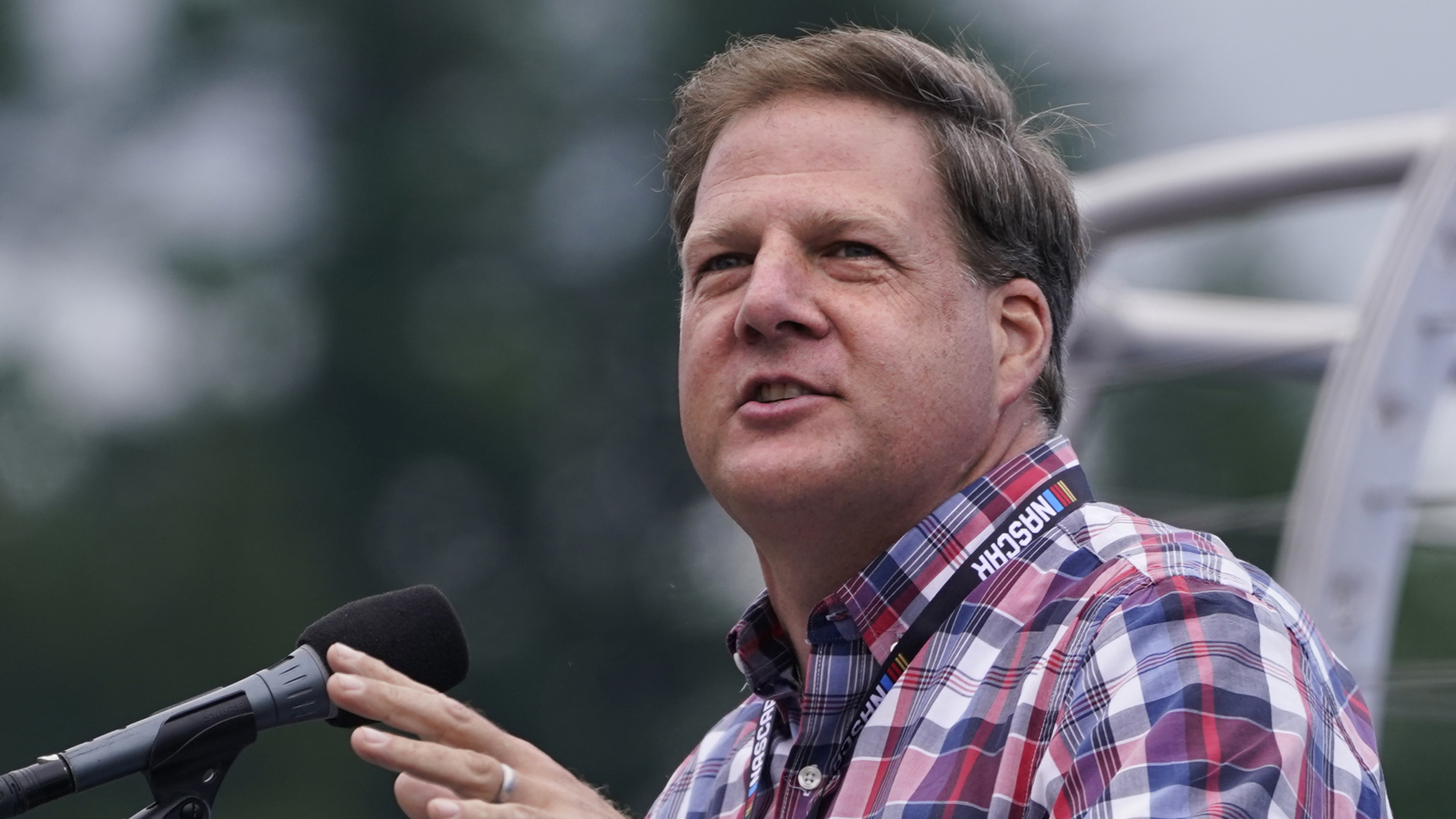
New Hampshire Governor Chris Sununu agrees that efforts to remove Donald Trump from the Maine ballot could backfire by portraying him as a martyr. Sununu, a critic of Trump, supports Nikki Haley for the GOP nomination and believes that legal challenges to Trump's candidacy will likely fail, ensuring he remains on the ballot in all states. The Maine Secretary of State's decision to disqualify Trump, citing his involvement in the January 6 insurrection, has sparked a contentious legal and political debate. Sununu criticizes the move as politically motivated and counterproductive.
As the U.S. House of Representatives approaches the end of a tumultuous year, a greater number of Democrats than Republicans are choosing not to seek reelection, potentially impacting the balance of power in the 2024 elections. About two dozen Democrats are retiring, with some pursuing other elected positions, while 14 Republicans are stepping down, three of whom are also seeking other offices. High-profile Republican departures include Rep. George Santos and former Speaker Kevin McCarthy. The retirements of Democrats in competitive districts, such as Katie Porter, Elissa Slotkin, and Abigail Spanberger, who are all running for higher state offices, could give Republicans an edge. Redistricting in states like North Carolina has also affected the competitiveness of certain seats, while Democrats hope for favorable outcomes from court-ordered redistricting in Alabama and Louisiana. Despite the retirements, both parties anticipate narrow margins in the House following the 2024 elections.