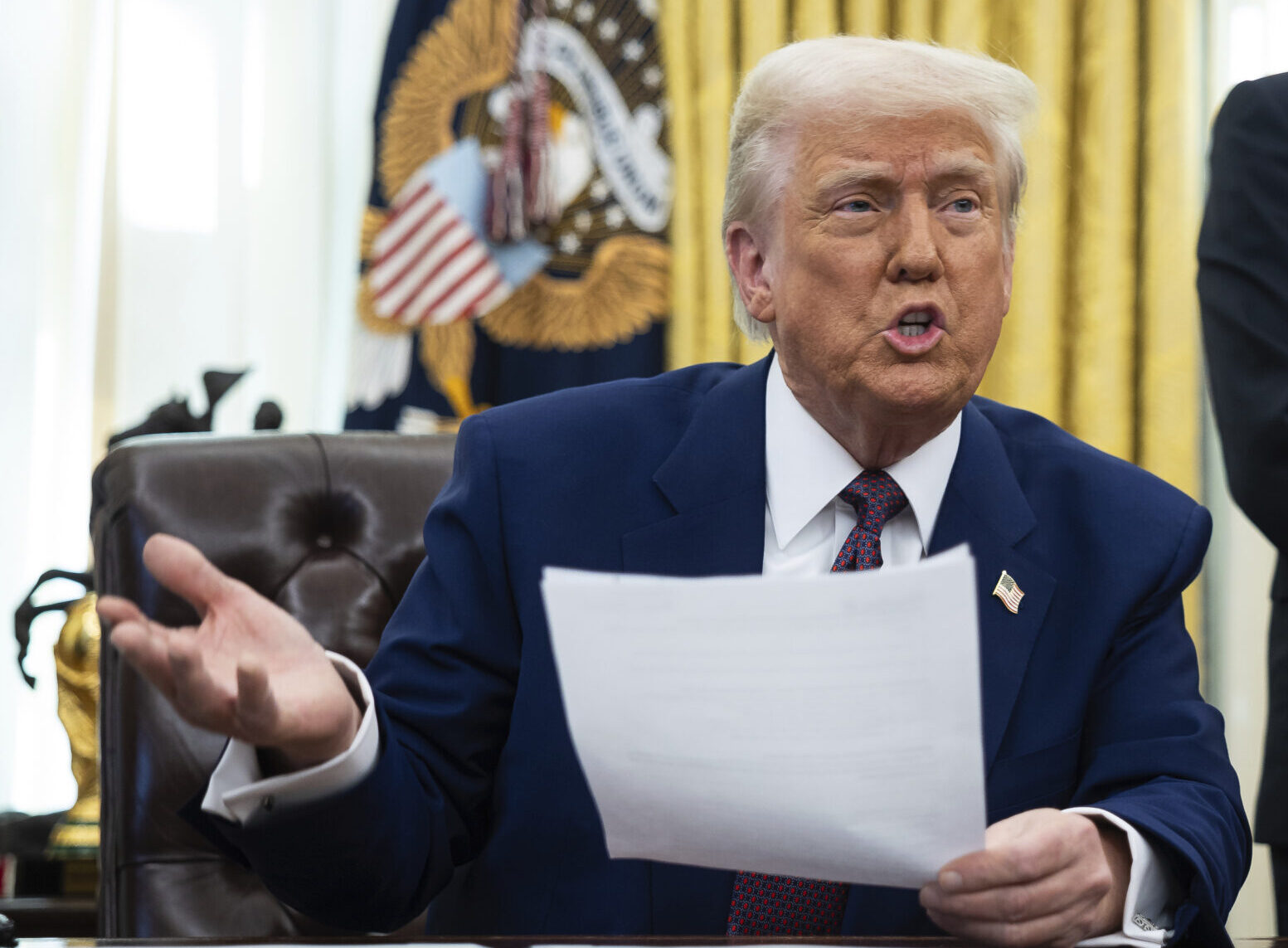
President Trump announced plans to issue an executive order requiring voter ID and banning mail-in ballots, despite lacking legal authority, with previous efforts already blocked by courts for being unconstitutional.
As the U.S. heads into Election Night, the speed of determining the presidential winner will depend on how quickly ballots are counted and the closeness of the race. While ballot counting is expected to be faster than in 2020 due to fewer mail-in ballots and improved laws in states like Michigan, close margins could delay projections. Key swing states like Arizona, Georgia, and Nevada have varying timelines for reporting results, with some states like Pennsylvania and Wisconsin lacking preprocessing capabilities, potentially slowing their counts. Overall, results may be known sooner than in 2020, but patience is advised.
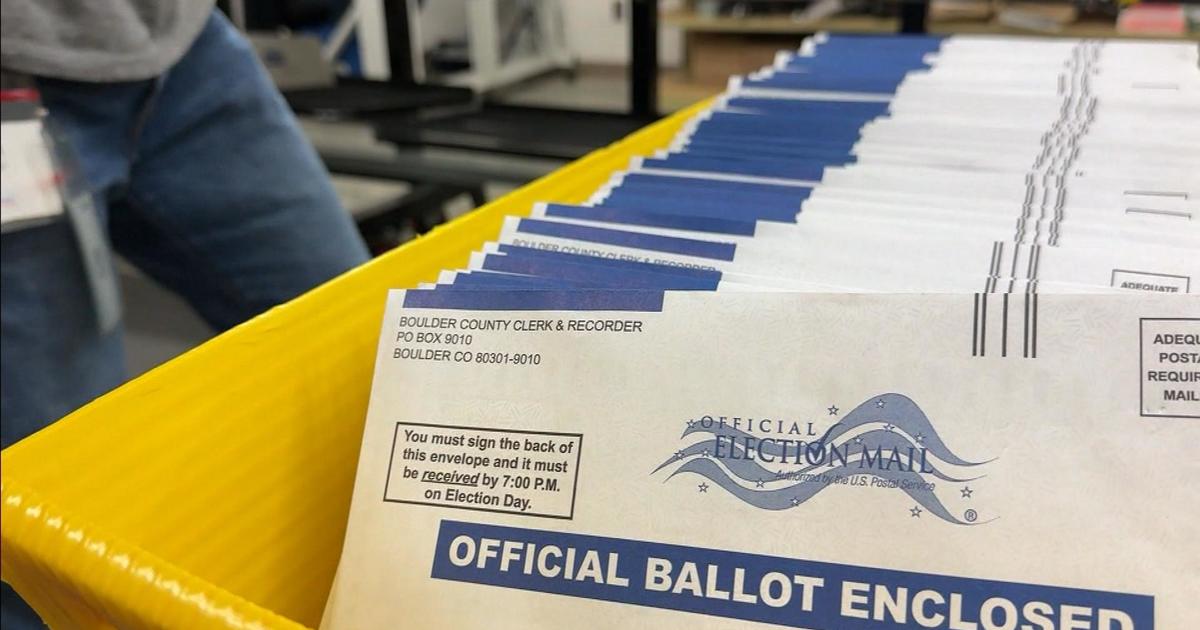
By 9 a.m. on Election Day, over 2.5 million ballots had been returned in Colorado, with voter turnout lower than the 2020 presidential election. Of the ballots received, 26.81% were from Republicans, 28.43% from Democrats, and 43.14% from Unaffiliated voters. To match the 78% turnout of 2020, an additional 1 million voters would need to cast their ballots by the 7 p.m. deadline. Colorado allows voter registration up to Election Day, and ballots must be received by the county clerk by 7 p.m. to be counted.
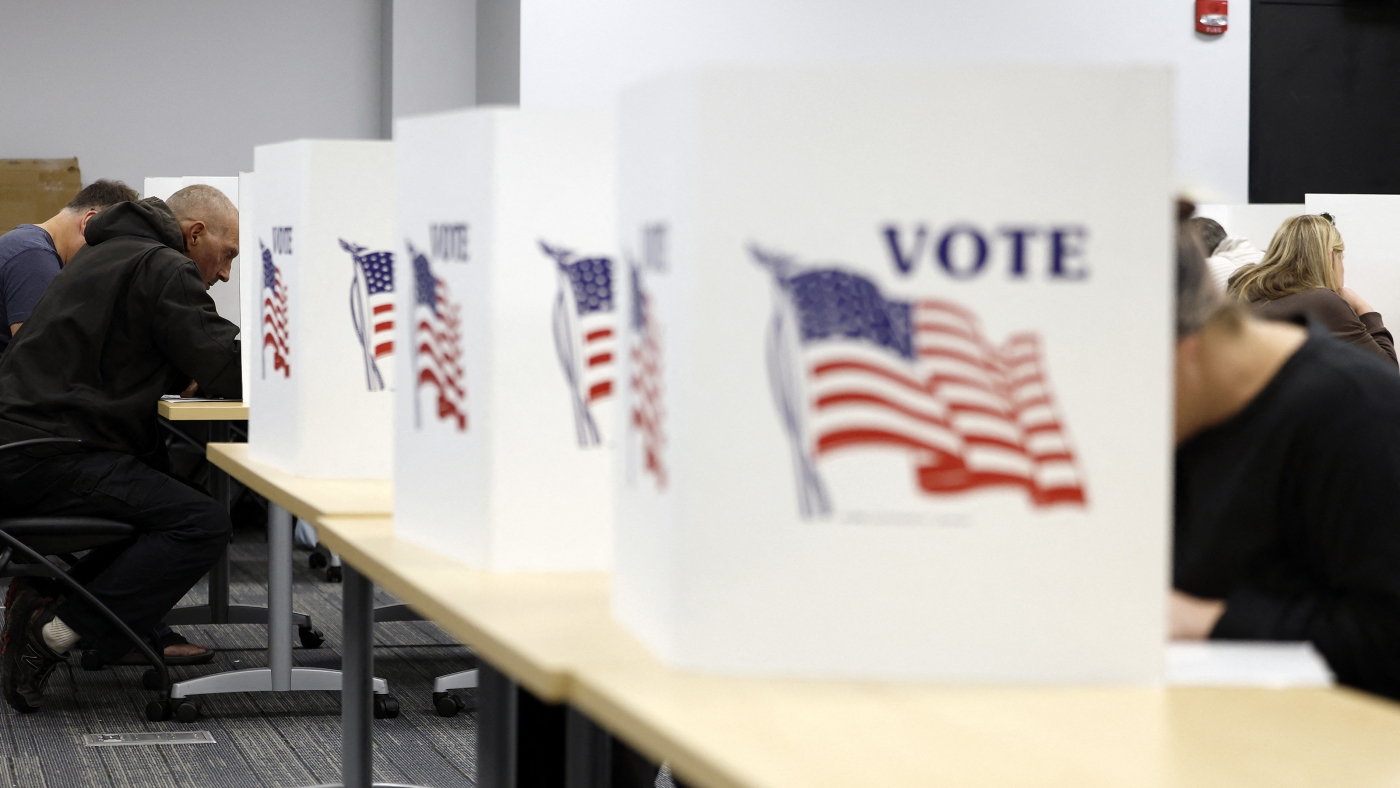
As the 2024 election concludes, millions of voters are casting their ballots on Election Day, with many states offering same-day registration and mail ballot error corrections. Voters are advised to be cautious of misinformation and understand that initial results are unofficial. Key swing states will play a crucial role, and the counting process may be delayed due to mail ballot verification. The terms "blue shift" and "red mirage" describe potential shifts in vote tallies. Despite fewer mail ballot requests than in 2020, the closeness of races will determine result timelines. Legal challenges and recounts may also impact the final outcomes.