Finnish company IXI is developing smart glasses with real-time autofocus capabilities using eye-tracking sensors and liquid crystal lenses, aiming to improve upon traditional bifocal and varifocal lenses by providing seamless, adjustable vision for both near and far distances, with plans for launch in Europe within a year.
A retrospective study suggests that daily use of specially formulated eye drops containing pilocarpine and diclofenac can significantly improve near vision in presbyopia patients for up to two years, potentially reducing dependence on reading glasses, with minimal side effects.
A study presented at the ESCRS suggests that special eye drops containing pilocarpine and diclofenac could effectively improve near vision in people with presbyopia, potentially replacing glasses or surgery, with sustained results over two years and minimal side effects.
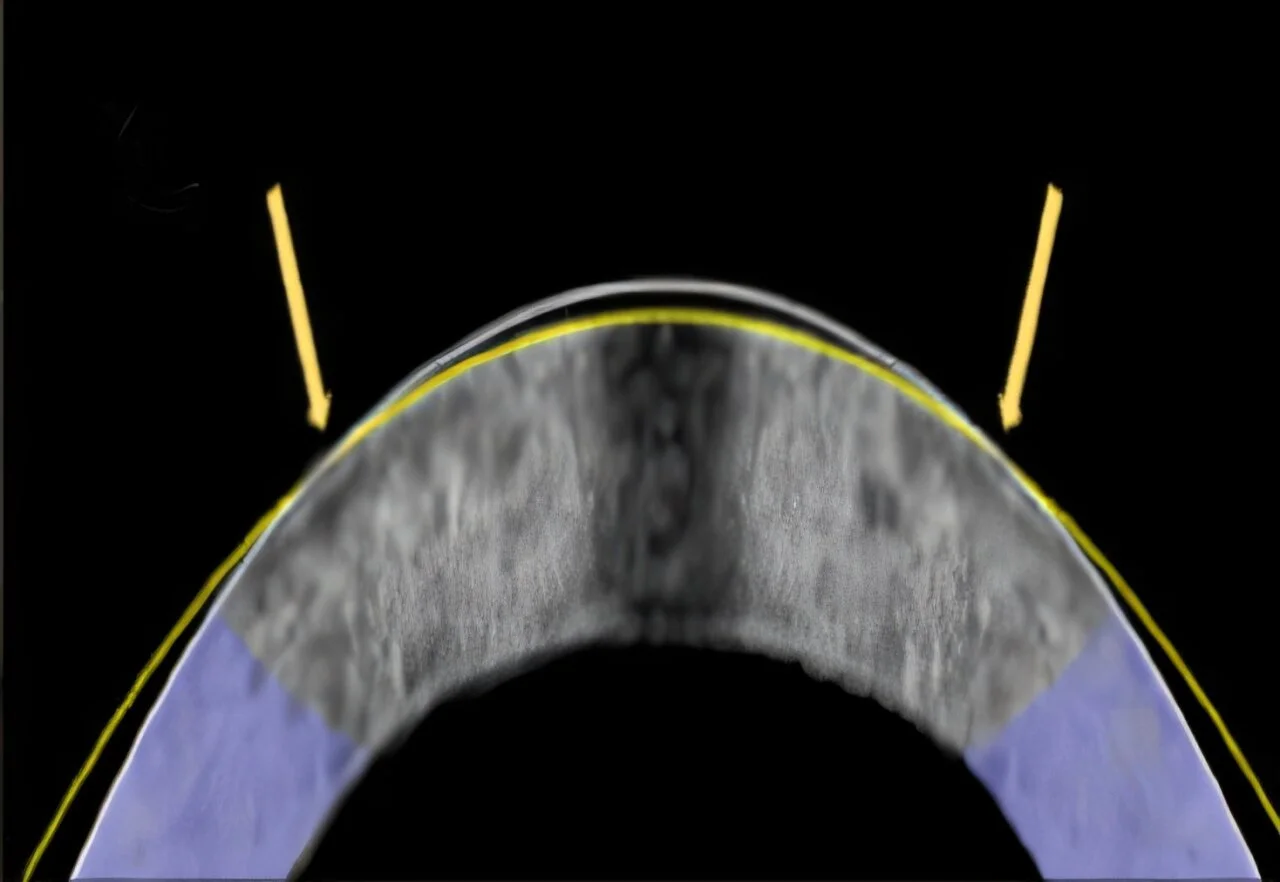
Scientists have developed a promising laser-free eye treatment using electromechanical reshaping (EMR) that shapes the cornea with electrical currents, showing successful results in animal tests and potential as a safer, reversible alternative to LASIK, though further research is needed before human application.
Scientists have developed a potential new method for repairing the cornea without lasers or invasive tools, using electromechanical reshaping to temporarily make the cornea malleable, which could offer a safer, cheaper, and reversible alternative to LASIK, though more research is needed before human trials.
Scientists are developing a laser-free method called electromechanical reshaping (EMR) that uses electricity and a platinum contact lens to reshape the cornea, potentially offering a safer, cheaper, and reversible alternative to LASIK, with promising animal study results but still years away from clinical use.
Researchers are developing a safer, cheaper alternative to LASIK called electromechanical reshaping (EMR), which uses electrical pulses to reshape the cornea without incisions, showing promising results in animal studies and potentially offering a reversible and less invasive option for vision correction.
Researchers are developing an alternative to LASIK using electromechanical reshaping (EMR), a technique that reshapes the cornea without lasers or incisions, by altering tissue pH with electric potential. Early animal studies show promising results, including potential reversibility and fewer risks, but further research is needed before clinical application.
IXI is developing smart glasses with liquid crystal lenses that can automatically adjust focus in real-time, aiming to improve vision correction for conditions like presbyopia and myopia, while emphasizing the importance of aesthetic appeal and user acceptability. The technology is still in trials, with potential to revolutionize eyewear, though safety and performance concerns remain.
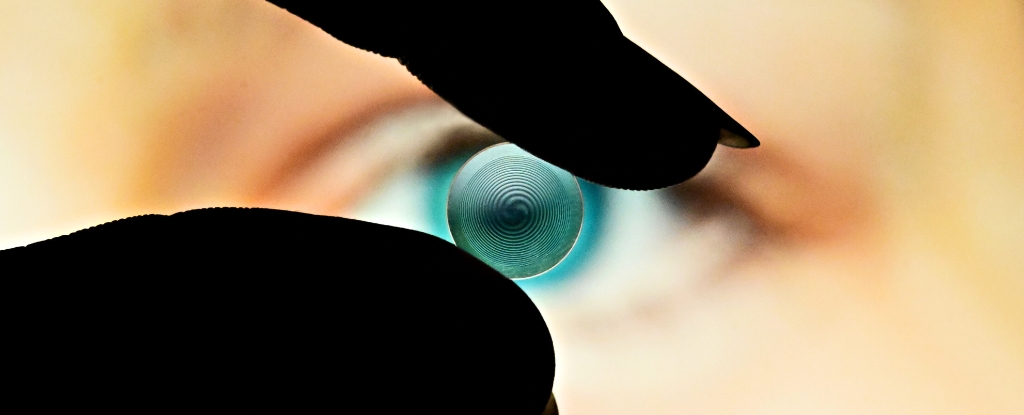
Researchers have developed a spiral-shaped lens, known as the spiral diopter, that maintains clear focus at different distances in varying light conditions, similar to progressive lenses but without distortions. The lens, which creates multiple clear focus points, could revolutionize ophthalmology and advance contact lens technologies, intraocular implants for cataracts, and miniaturized imaging systems. Its simple design could also benefit compact imaging systems and offer a powerful tool for depth perception in advanced imaging applications. The lens was created using advanced digital machining and has shown promising results in improving visual acuity at various distances and lighting conditions.
Scientists have developed a revolutionary spiral-shaped contact lens that utilizes an "optical vortex" to enable the eye to focus at different distances and in various lighting conditions. The lens, known as a spiral diopter, could potentially transform ophthalmology and also find applications in miniaturized imaging systems. Unlike existing multifocal lenses, the spiral diopter maintains multifocality regardless of pupil size and lighting conditions, offering consistently clear vision. While further research and testing are needed, the lens has shown promising results in simulations and volunteer experiments, with potential applications in eyewear and compact imaging systems.
Binocular vision dysfunction (BVD) is gaining attention on TikTok as a potential cause of anxiety, headaches, and other symptoms. Optometrists claim that correcting BVD through glasses or lens adjustments can alleviate these symptoms, but ophthalmologists remain skeptical due to a lack of scientific evidence. BVD refers to various eye misalignment conditions that affect depth perception and peripheral vision. Symptoms include eye pain, double vision, anxiety, frequent headaches, balance problems, and difficulty concentrating. While prisms in glasses can provide short-term relief, vision therapy is controversial and expensive. It is recommended to consult an eye care provider for testing and potential treatment options.
LASIK eye surgery, a popular vision correction procedure, is not without risks and misconceptions. While it promises high efficacy rates and a low risk of complications, there are common misconceptions that need to be debunked. LASIK does not guarantee perfect vision for life, as age-related changes can still affect eyesight. Not everyone is a good candidate for LASIK, as suitability depends on stable prescriptions and overall eye health. Complications and cost are also factors to consider, with long-term issues such as reduced night vision and dry eyes. Additionally, the financial burden of the surgery and the need for reading glasses later in life may deter some individuals, including healthcare professionals, from opting for LASIK.
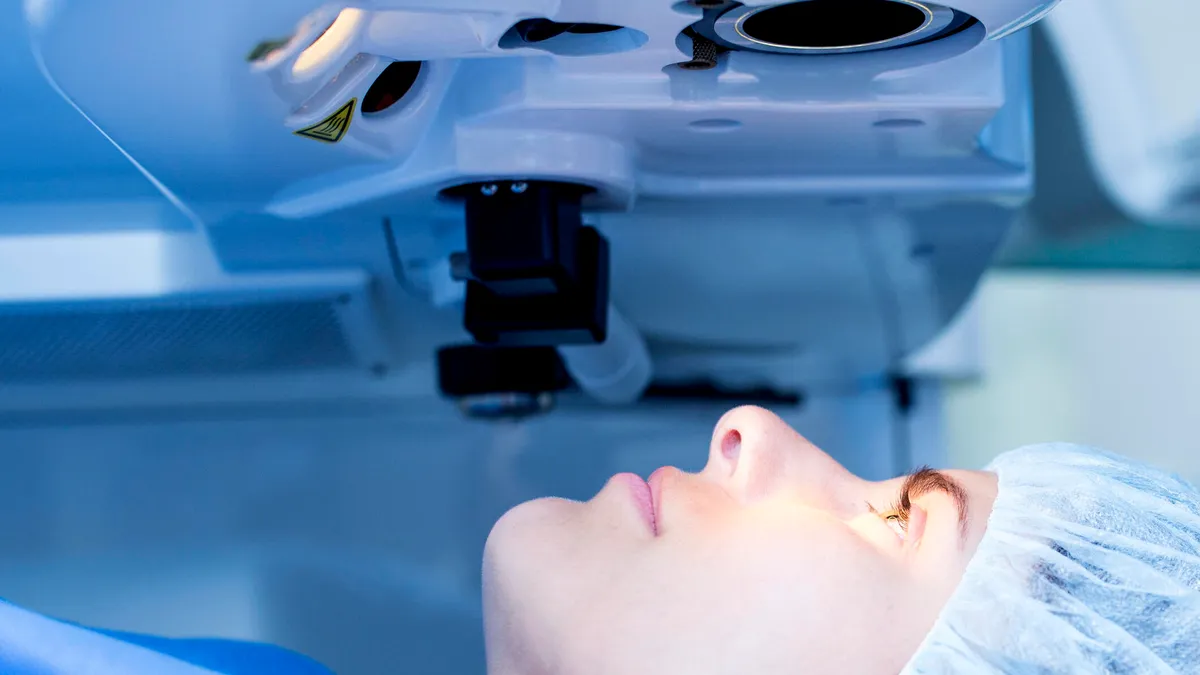
Laser eye surgery, also known as LASIK, is a popular option for those looking to eliminate the need for glasses or contact lenses. The procedure involves using a laser to reshape the cornea, resulting in improved vision. LASIK is typically recommended for patients with nearsightedness, farsightedness, or astigmatism, but it may not be suitable for everyone. The surgery is not covered by insurance and can cost between $2,500 to $4,000 per eye. While LASIK has a high success rate, there are potential risks and temporary side effects such as dry eyes. It is important to choose a reputable surgeon and undergo a thorough consultation to determine if LASIK is the right option for you.