Tag

Electromechanical Reshaping

All articles tagged with #electromechanical reshaping

Scientists Discover Laser-Free Eye Correction Using Electrical Currents

Originally Published 4 months ago — by Gizmodo

Featured image for Scientists Discover Laser-Free Eye Correction Using Electrical Currents
Source: Gizmodo

Scientists have developed a potential new method for repairing the cornea without lasers or invasive tools, using electromechanical reshaping to temporarily make the cornea malleable, which could offer a safer, cheaper, and reversible alternative to LASIK, though more research is needed before human trials.
Innovative Laser-Free Eye Surgery Uses Electrical Currents for Vision Correction

Originally Published 4 months ago — by Futurism

Featured image for Innovative Laser-Free Eye Surgery Uses Electrical Currents for Vision Correction
Source: Futurism

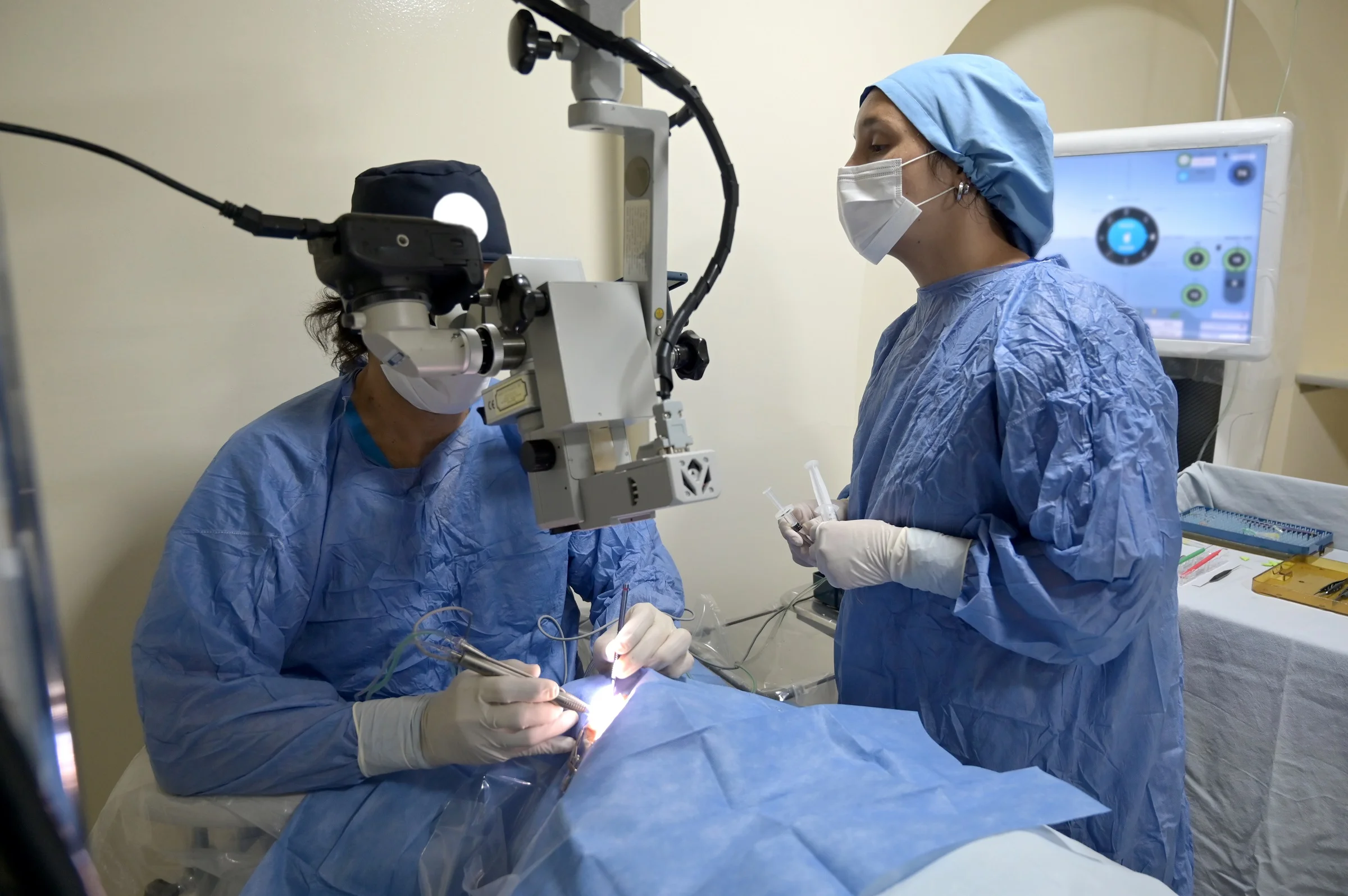
Scientists are developing a laser-free method called electromechanical reshaping (EMR) that uses electricity and a platinum contact lens to reshape the cornea, potentially offering a safer, cheaper, and reversible alternative to LASIK, with promising animal study results but still years away from clinical use.

New, Affordable Vision Correction May Replace LASIK

Originally Published 4 months ago — by ScienceDaily

Featured image for New, Affordable Vision Correction May Replace LASIK
Source: ScienceDaily

Researchers are developing a safer, cheaper alternative to LASIK called electromechanical reshaping (EMR), which uses electrical pulses to reshape the cornea without incisions, showing promising results in animal studies and potentially offering a reversible and less invasive option for vision correction.

Laser-Free Alternative to LASIK for Vision Correction

Originally Published 4 months ago — by Medical Xpress

Featured image for Laser-Free Alternative to LASIK for Vision Correction
Source: Medical Xpress

Researchers are developing an alternative to LASIK using electromechanical reshaping (EMR), a technique that reshapes the cornea without lasers or incisions, by altering tissue pH with electric potential. Early animal studies show promising results, including potential reversibility and fewer risks, but further research is needed before clinical application.