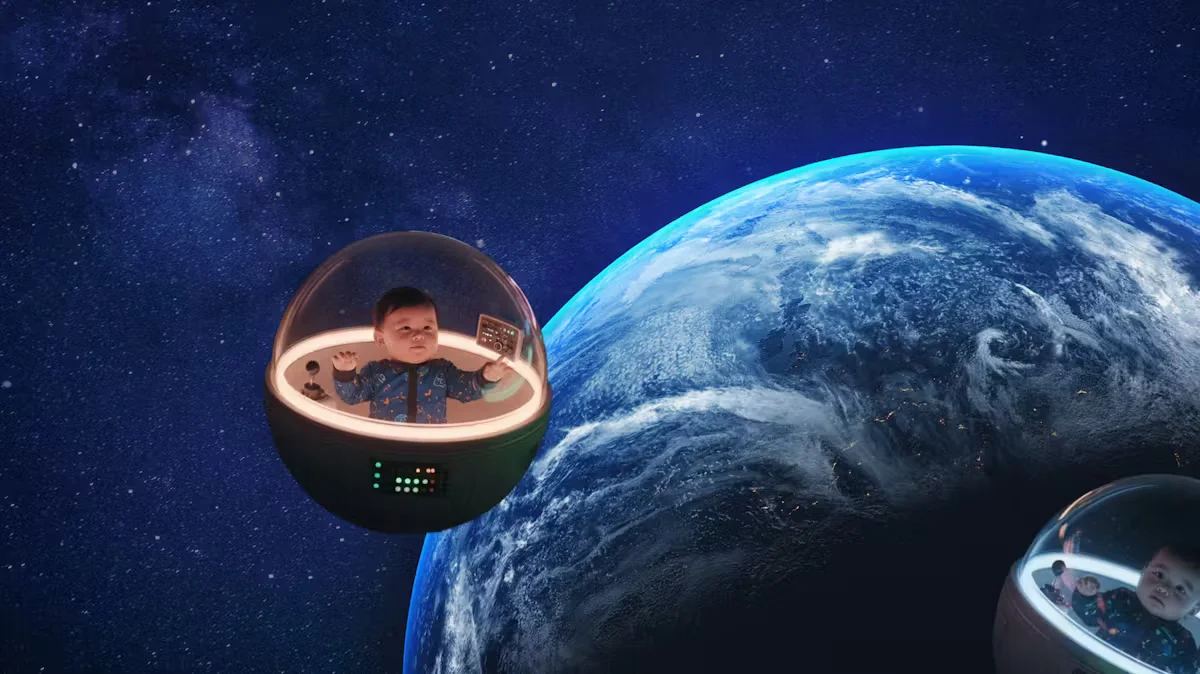
Researchers and startups are exploring space fertility, from microgravity experiments on embryos to plans for private crews on Virgin Galactic’s Delta-class plane, signaling early steps toward space-enabled reproduction and the broader potential of space colonization.
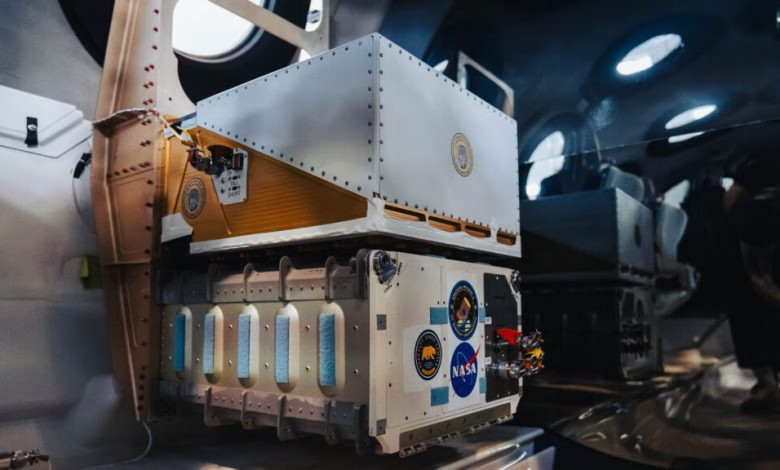
Berkeley researchers successfully tested a next-generation 3D printer, SpaceCAL, aboard Virgin Galactic's Unity spaceplane. The printer uses computed axial lithography (CAL) to rapidly produce solid objects, a technology that could be crucial for creating replacement parts in space. This test highlights the potential of sub-orbital spacecraft for conducting significant scientific research.
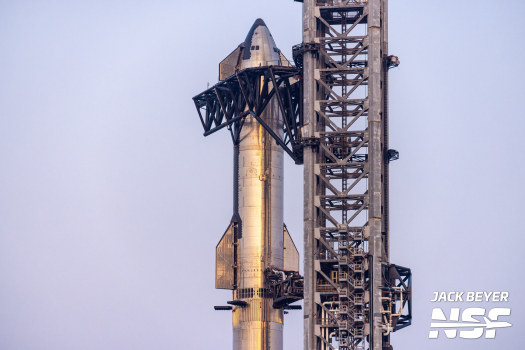
This week is packed with significant space missions, including SpaceX's Starship's fourth flight, Boeing's rescheduled Starliner crewed test, and Virgin Galactic's final VSS Unity flight before transitioning to the Delta class vehicle. Additionally, Rocket Lab's PREFIRE mission for NASA and multiple Starlink launches by SpaceX are scheduled. The Chang’e 6 mission has successfully landed on the moon's far side, marking a historic achievement.
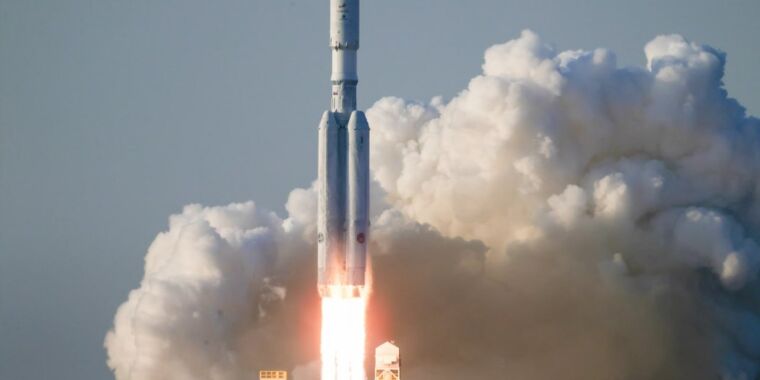
United Launch Alliance's Delta IV Heavy rocket completes its final mission, Rocket Lab plans to reuse a previously flown Electron rocket first stage tank, Virgin Orbit's IP library is available for licensing at $3 million, Virgin Galactic countersues Boeing over a project to develop a new mothership aircraft, and Ursa Major signs a contract with the US Navy to develop and test solid fuel rocket engines.
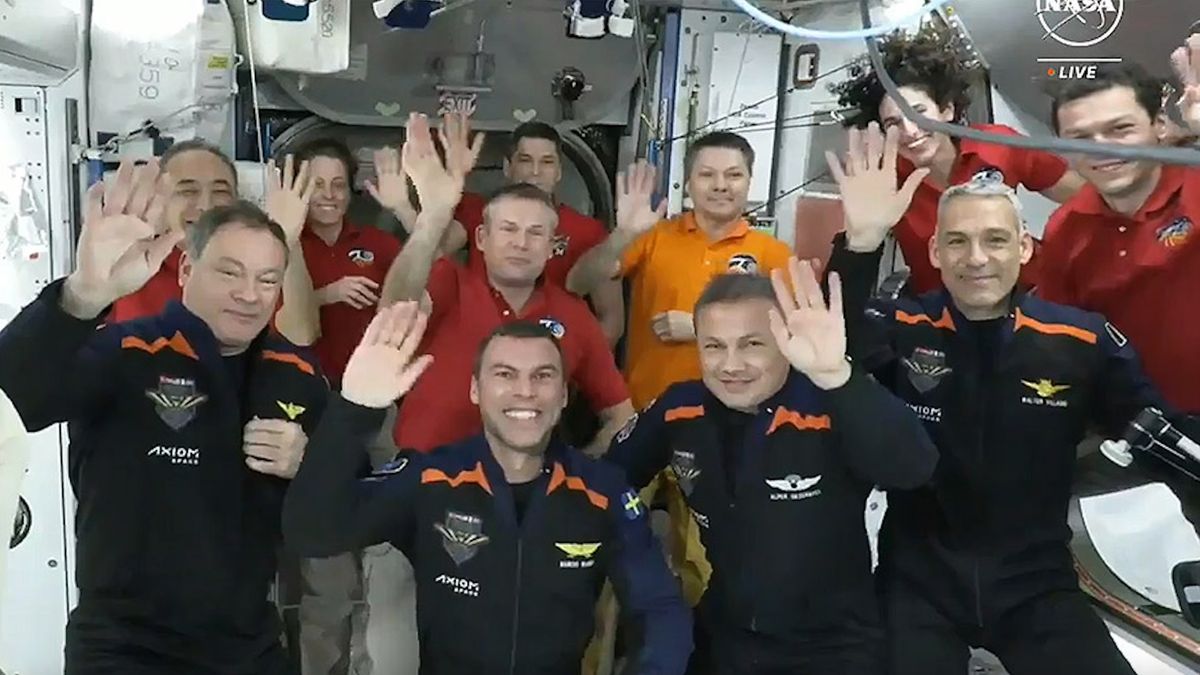
In late January, a record-tying 20 people were in space simultaneously, with 11 on the International Space Station, three on China's Tiangong space station, and six aboard Virgin Galactic's VSS Unity space plane. This milestone was achieved during the private Ax-3 mission and Virgin Galactic's Galactic 06 flight. The previous record was set in May 2023 with 17 people in orbit. With ongoing developments in private space stations and plans for lunar and Martian settlements, the current record is expected to be surpassed in the near future.
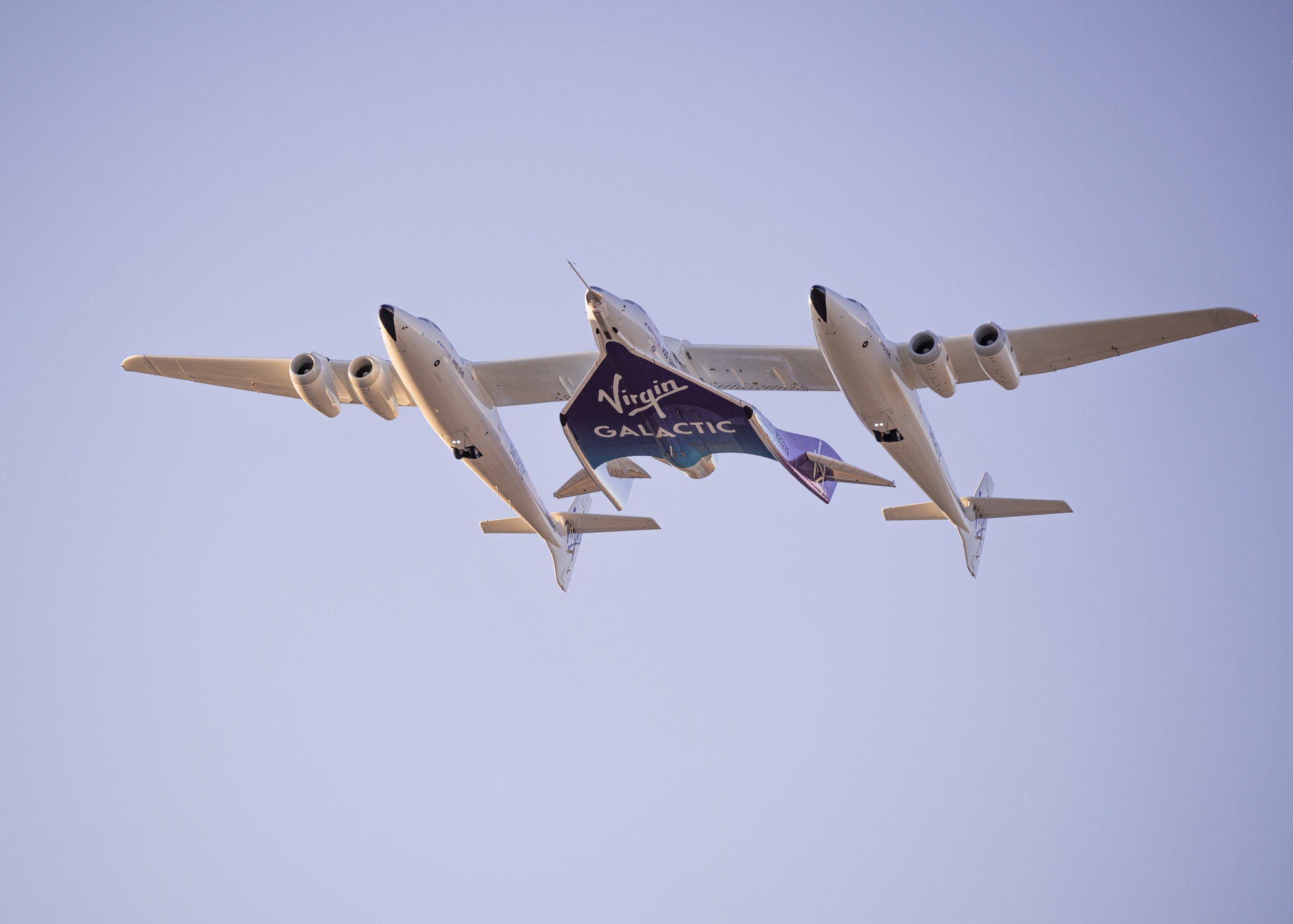
Virgin Galactic's Galactic 06 spaceflight experienced a minor issue when a small alignment pin detached from the launch pylon of its mothership, VMS Eve, during flight. The company reported the incident to the FAA and is conducting a review, emphasizing that the detached pin did not pose a safety risk to the crew or vehicles. Virgin Galactic plans to provide an update after the review and confirm the flight window for the next mission, Galactic 07, which is scheduled for the second quarter of 2024.
Virgin Galactic reported an anomaly involving a dropped pin on its recent spaceflight, which the FAA is overseeing. The alignment pin detached after the spaceship was released from the mothership, but it did not pose a safety threat. Virgin Galactic must submit a final report to the FAA for approval before the VSS Unity can return to flight. This incident comes as the company plans to retire the VSS Unity and move to its next-generation spacecraft, with one more mission scheduled before its retirement.
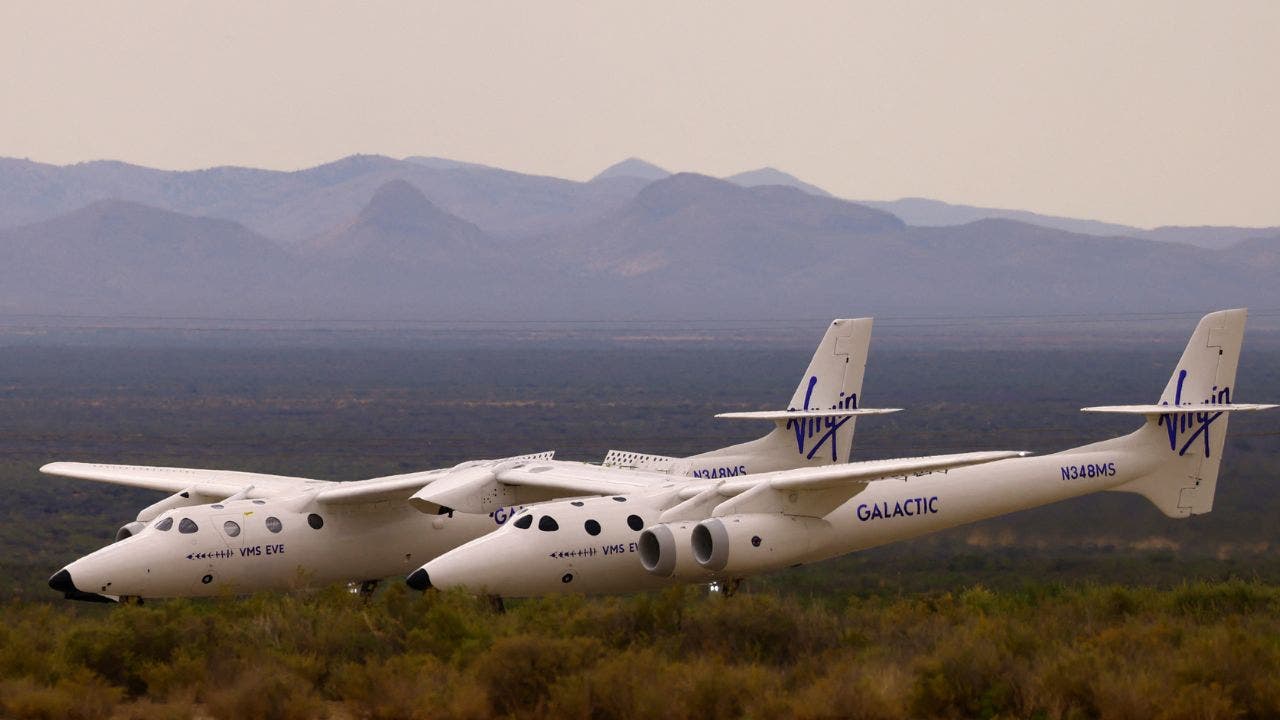
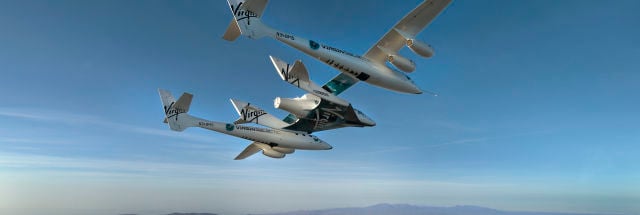
During Virgin Galactic's Galactic 06 suborbital mission, the VMS Eve mothership lost an alignment pin used to mate with the VSS Unity space plane, prompting an FAA investigation. Despite the lost pin, the company stated that there was no danger or damage to either aircraft, and the flight was conducted safely. Virgin Galactic will conduct an investigation alongside the FAA and provide an update ahead of its next mission, Galactic 07. The FAA has grounded Virgin Galactic until the investigation is completed, and the company plans to retire its current fleet of suborbital vehicles in favor of new "Delta class" space planes.
Virgin Galactic is investigating why a pin fell from the aircraft used by its VSS Unity suborbital spaceplane on its most recent flight, stating that the incident did not pose a safety risk. The alignment pin detached after Unity separated from its carrier aircraft, VMS Eve, during the Galactic 06 suborbital flight in January. The company notified the FAA of the incident and is reviewing it in conjunction with the agency. Virgin Galactic plans to provide an update after completing the investigation about the next commercial flight of VSS Unity.
Virgin Galactic's space tourism flight was grounded after a small part, an alignment pin, fell off the mothership of its rocket-powered space plane during the Galactic 06 mission. The company stated that the part loss did not affect the mission's safety and that it will work with the FAA on a review of the issue. The FAA will conduct a mishap investigation and must approve Virgin Galactic's final report and corrective actions before the company can return to flight. Virgin Galactic plans to provide further updates after the completion of the joint FAA review and aims to conduct the Galactic 07 mission in the second quarter of 2024.
Virgin Galactic experienced an in-flight hardware issue during its recent crewed space tourism flight when a pin used to align its spaceplane and carrier aircraft became detached, though it did not pose a safety risk. The company caught the issue during post-flight reviews and is conducting a review with the FAA. This incident comes amid heightened scrutiny of the aerospace industry, and Virgin Galactic plans to provide further updates after the review.
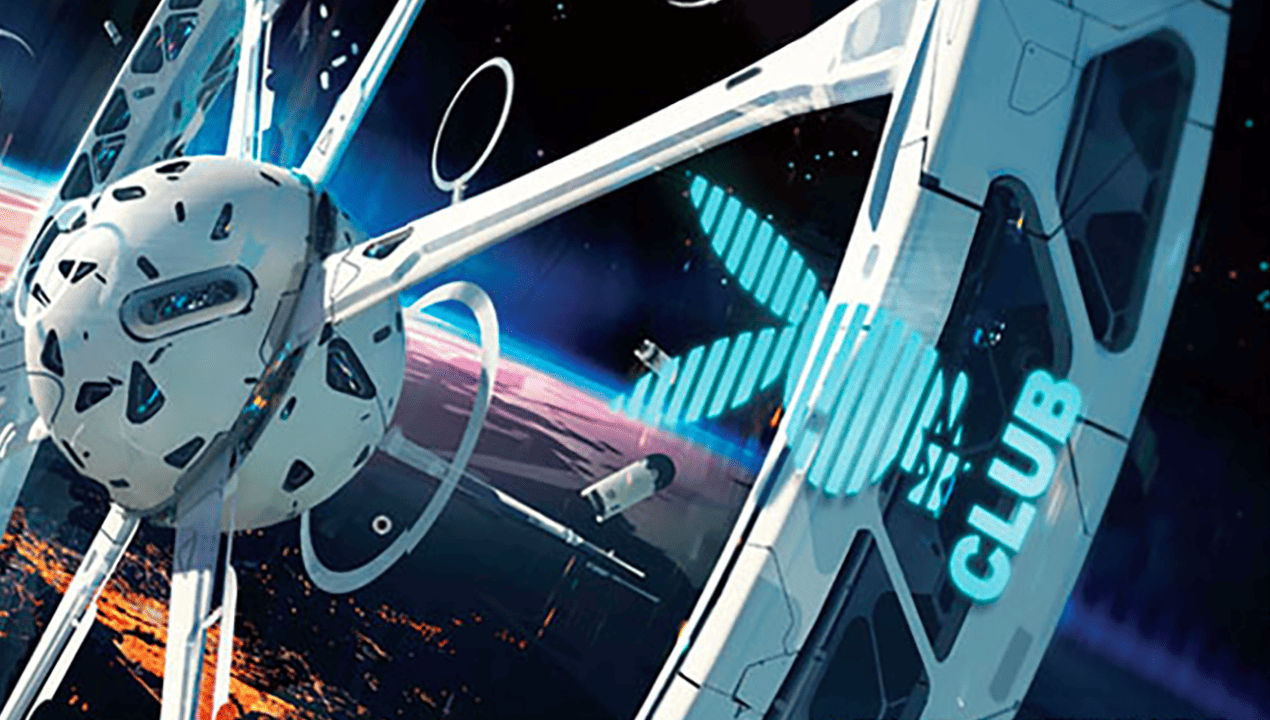
In 2012, Virgin Galactic and Playboy Magazine collaborated on plans for an orbital space station featuring a version of Playboy's Grotto, complete with a restaurant, zero-gravity dance club, and suites for guests. The theoretical space station would use spin to create gravity in certain areas while allowing for zero-G activities in others. However, with the decline of Virgin Galactic and Playboy's business, these plans remain unrealized as the space race has been dominated by other companies and magazines face challenges in the digital age.
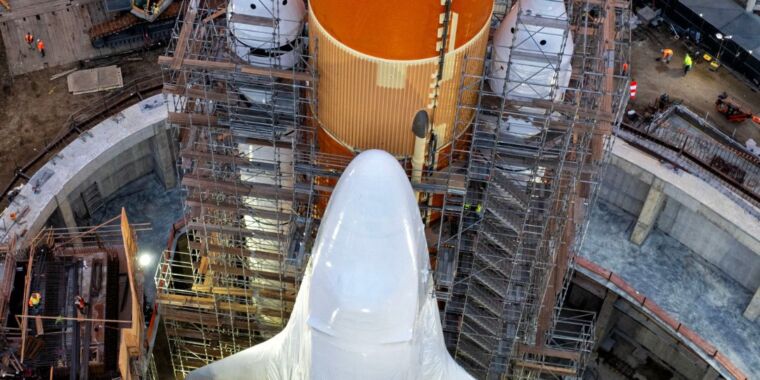
SpaceX's Falcon 9 remains the primary US launch vehicle for crew and cargo service to the International Space Station, while Virgin Galactic conducts its first suborbital mission of 2024 and plans to retire its current spaceplane. Iran successfully launches three small satellites into orbit, Rocket Lab kicks off its 2024 launch year with a recovery Electron mission, and PLD Space wins government backing for its small launch vehicle. Additionally, a Japanese company sets a launch date for its small rocket, SpaceX launches a Northrop Grumman-owned Cygnus supply ship for the first time, and the European Space Agency prepares to dismantle an Ariane 6 rocket for its maiden flight. Lastly, the Pentagon approaches SpaceX about potentially taking over Starship for sensitive missions, and NASA's retired space shuttle Endeavour is displayed vertically at the California Science Center.
NASA's Ingenuity helicopter on Mars completed a remarkable 72 flights before being grounded due to a damaged rotor blade, while Virgin Galactic successfully conducted its eleventh suborbital spaceflight with four private astronaut customers. The article also discusses the psychological challenges of space travel and reflects on the anniversary of the Space Shuttle Challenger disaster in 1986.
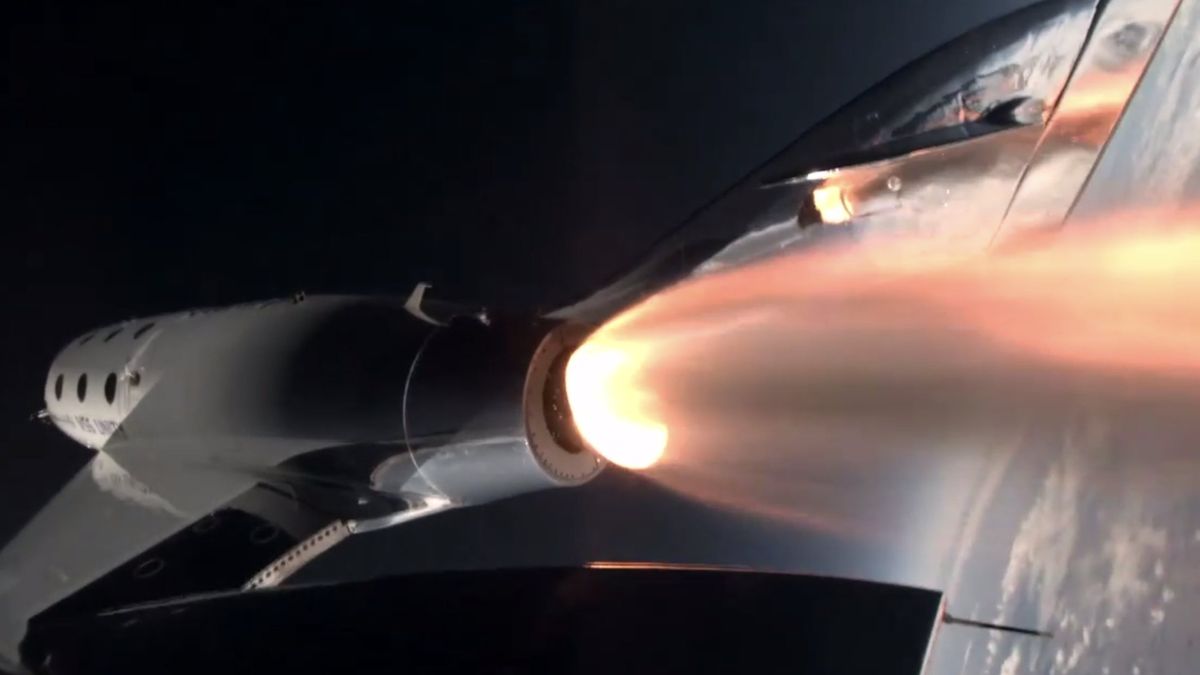
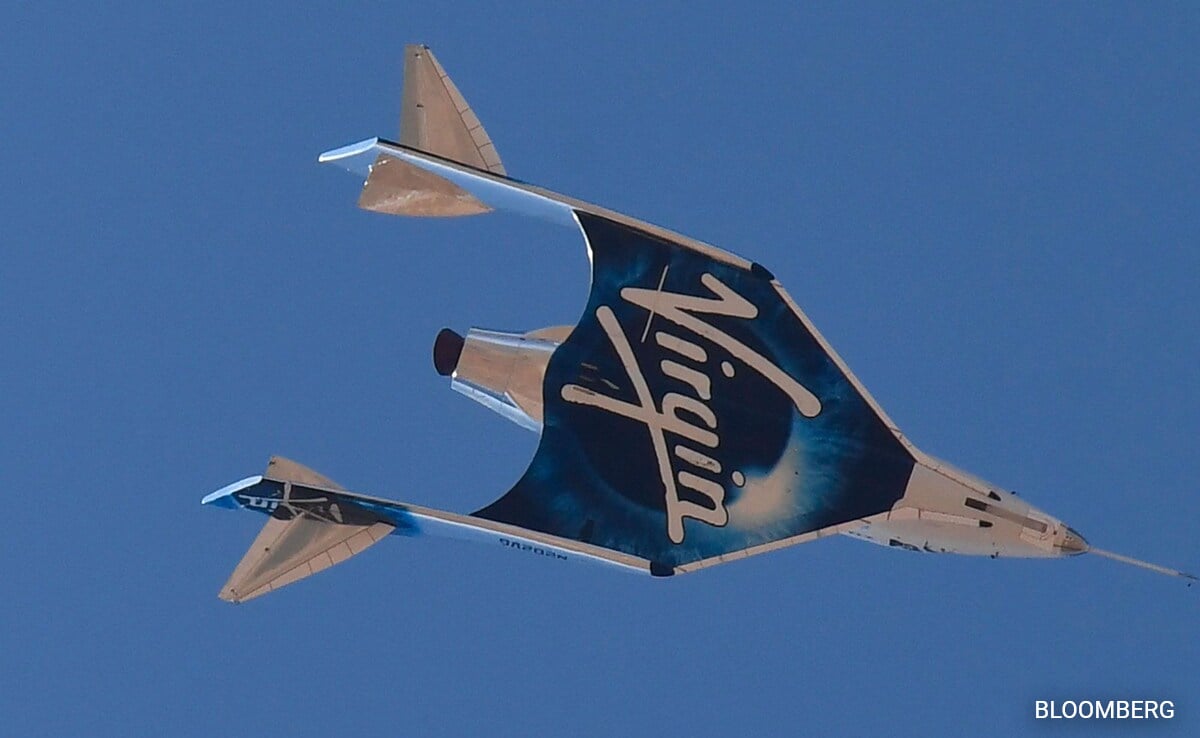
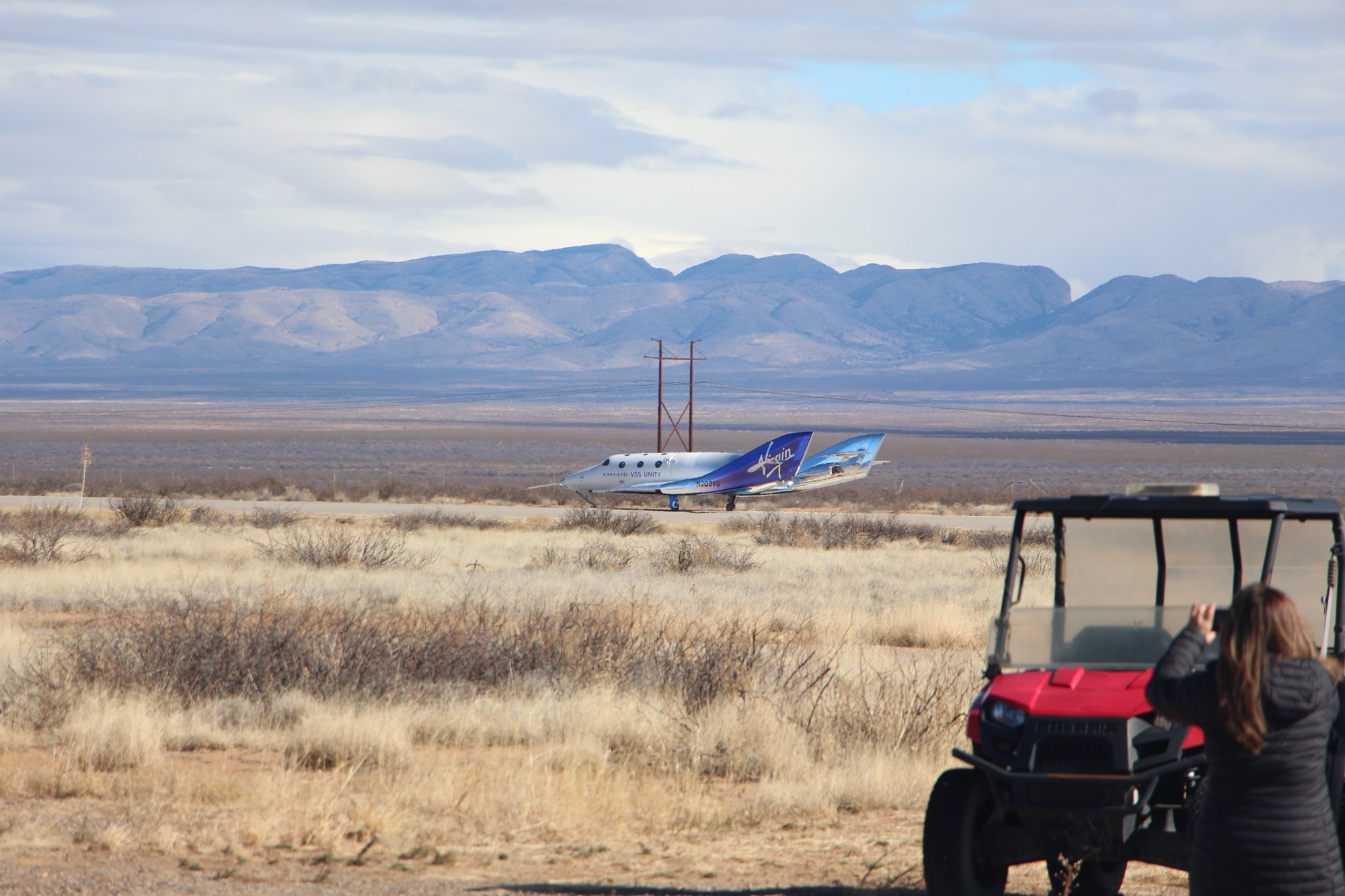
Virgin Galactic conducted its first suborbital mission of 2024, carrying four private astronauts for the first time along with its two pilots. The VSS Unity spaceplane reached a peak altitude of 88.8 kilometers before gliding back to a runway landing at Spaceport America in New Mexico. The company plans to end flights of its current spaceplane and shift resources into the development of its next-generation Delta class of suborbital vehicles, with commercial service expected in 2026.