Tag

Viral Load

All articles tagged with #viral load

health2 years ago

"COVID Isolation Duration: It Depends on Individual Factors"

Different states are adjusting their COVID-19 isolation guidelines, with California and Oregon shortening the recommended isolation period to five days. However, experts caution that viral load and asymptomatic cases can still pose a risk of transmission, emphasizing the importance of rapid testing to determine infectivity. Massachusetts currently follows CDC guidelines of a five-day isolation period and continued masking through day 10, but experts advocate for the use of rapid tests for more accurate results.


health2 years ago

The Microbial Threshold for Illness: Unveiling the Magic Number

The number of microbes required to make us sick varies depending on the pathogen and is known as the infectious dose. While some pathogens require a large number of organisms to start an infection, others, like norovirus, have an incredibly low infectious dose, making them highly transmissible. Determining infectious doses is challenging and often relies on animal models or observational studies. The concept of viral load, which measures the number of replicating organisms within a host, is related but distinct from infectious dose. Understanding infectious doses can help explain why certain pathogens are more easily transmissible than others.

health2 years ago

COVID-19 Traces in Point Loma Wastewater at Highest Levels in Over a Year

San Diego County health officials have detected high trace amounts of COVID-19 in the wastewater of the Point Loma neighborhood, marking the highest concentration since August 2022. Monitoring virus concentration in wastewater helps track the evolution and transmission of the virus. While the county's overall coronavirus case and death rate have remained steady, with a 7-day average rolling case rate of 3.6 people per 100,000, the number of COVID-positive patients in county hospitals has decreased to 144.

health2 years ago

COVID Testing: Timing, Delivery, and Expiration - Your Complete Guide

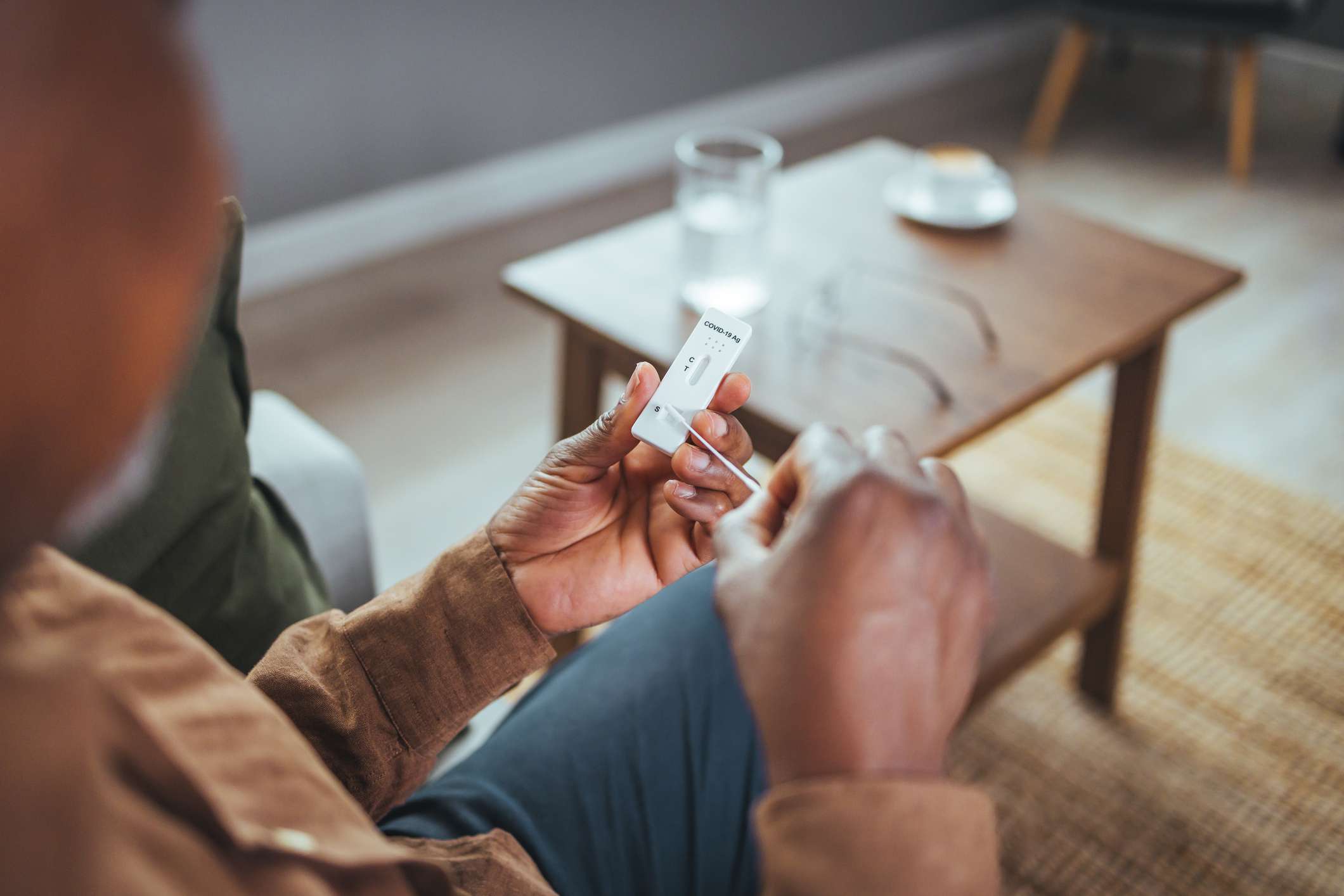
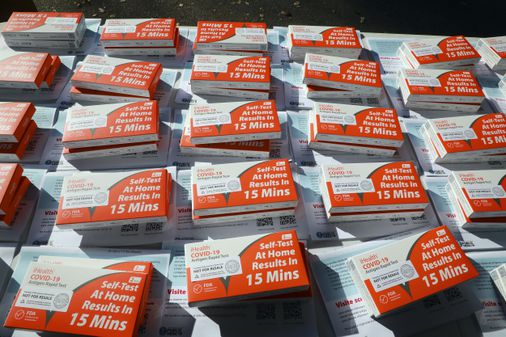
A new study suggests that the viral load of COVID-19 is highest four to five days after symptoms appear, indicating that at-home antigen tests may not be effective if taken too early. Testing on the first day of symptoms could result in a false negative due to lower viral load. PCR tests are generally considered more reliable than at-home tests, as they can detect lower levels of viral load. If experiencing symptoms and receiving a negative antigen test, it is recommended to wait 48 hours and retest or opt for a PCR test. Regardless of test results, it is important to isolate when experiencing respiratory illness to prevent the spread of any potential virus.

health2 years ago

Optimal Timing for At-Home COVID Testing Revealed

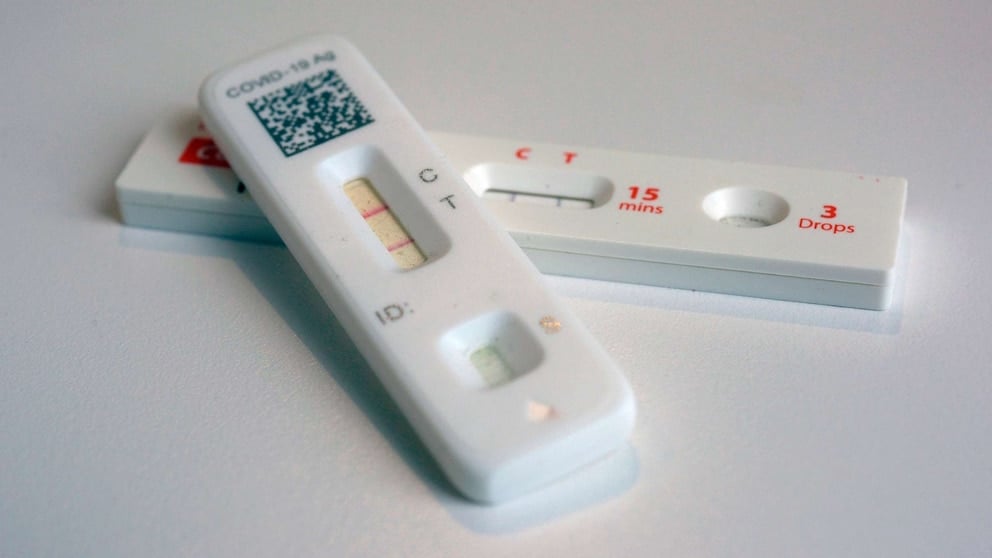
A study published in the journal Clinical Infectious Diseases suggests that the best time to take an at-home COVID-19 test is on the fourth day of experiencing symptoms. The study found that viral load, or the amount of virus replicating in the body, peaked a few days after symptoms started. At-home tests were most accurate on the fourth day of symptoms, although they could still detect some infections in the first three days. The findings highlight the importance of not ruling out COVID-19 based solely on a negative test early on after symptoms begin. Current guidelines recommend testing immediately if symptoms are present and following up with another test if the initial result is negative.

science-and-medicine2 years ago

Molnupiravir: A Warning of Unexpected Mutations in Global SARS-CoV-2 Genomes

A study published in Nature reveals that the antiviral medication molnupiravir, widely used against SARS-CoV-2, induces mutations in the virus genome during replication. The study finds evidence of molnupiravir mutagenesis in SARS-CoV-2 sequencing databases, with a specific mutational signature characterized by a high proportion of G-to-A and C-to-T mutations. These mutations appear predominantly in sequences from 2022, after the introduction of molnupiravir treatment, and in countries and age-groups with widespread usage of the drug. The study confirms a direct association between these mutations and the use of molnupiravir, raising concerns about the potential for onward transmission of molnupiravir-mutated viruses.

health2 years ago

Surge in COVID-19 Cases Detected through Wastewater Testing

Wastewater testing at the Republic wastewater treatment plant in Missouri has shown an increase in COVID-19 viral numbers, with the Omicron variant detected in 56% of the samples. The Sewershed Surveillance Project, which monitors samples from Greene County, has not observed the most recent variant of COVID-19 in Missouri. The state health department is closely monitoring the situation and encourages individuals to stay home, seek testing when feeling ill, practice good hygiene, and stay updated on vaccinations.

geneticshealth2 years ago

"Promising Gene Variant Unveiled: Potential Breakthrough in HIV Treatment for Africans"

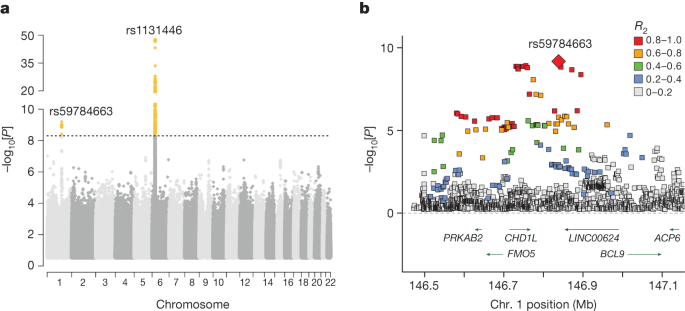
A study has found that Africa-specific human genetic variation near the CHD1L gene is associated with HIV-1 viral load. The research, which analyzed data from over 3,000 individuals, revealed that certain genetic variants near CHD1L were linked to higher viral loads in HIV-positive individuals of African descent. This finding highlights the importance of considering population-specific genetic factors in understanding HIV-1 infection and its progression.

health2 years ago

Advancements in HIV Medication and Transmission Prevention Discussed at IAS 2023

A review of studies confirms that people with HIV who take medication to suppress the virus cannot transmit it through sex once their viral levels become undetectable. Even those with low but detectable levels of HIV have an "almost zero" chance of spreading the virus via sex. This finding suggests that simpler testing methods could be used to help people track their HIV status in areas with limited access to supersensitive blood tests. The study supports the "undetectable equals untransmittable" campaign and highlights the importance of viral load testing and adherence to antiretroviral therapy.

health2 years ago

"Promising Results: Gene Therapy Reduces HIV Reservoir and Suppresses Viral Load"

Two clinical trials have shown that gene therapy can reduce the size of the HIV reservoir and control viral loads for weeks to years. The therapy involves genetically modifying CD4 cells to disable the CCR5 gene sequence, which is the doorway through which most types of HIV enter the body. The trials found that the infusions were safe and well-tolerated, and participants experienced an increase in CD4 count and a reduction in the HIV reservoir. However, scalability of the infusion process remains an issue, and the researchers are seeking funding to develop ways to make the process easier and faster.

health2 years ago

Living with HIV: A 19-year-old's Perspective.

Zachary Willmore, a 19-year-old student from Missouri, has been sharing his journey with HIV on TikTok to end the stigma surrounding the illness. He felt "gross" when he first contracted the disease, but after beginning medication, he has developed a sense of freedom by sharing his journey publicly. Zachary has become a large voice on social media, where he boasts over 1.8 million followers, and has been using his platform to educate others on the importance of medicating, getting tested, using a condom, and what the disease is. Although he has received hate from critics, the majority of the comments have been positive.