The CDC has updated its Covid-19 isolation guidelines, now recommending that individuals can return to work or school after 24 hours without symptoms, reflecting the agency's flu and respiratory illness recommendations. This change is attributed to the high vaccination and exposure rates in the population, allowing for better disease resistance. While precautions like wearing masks and practicing social distancing are still advised, the new guidelines signal a move towards normalcy.
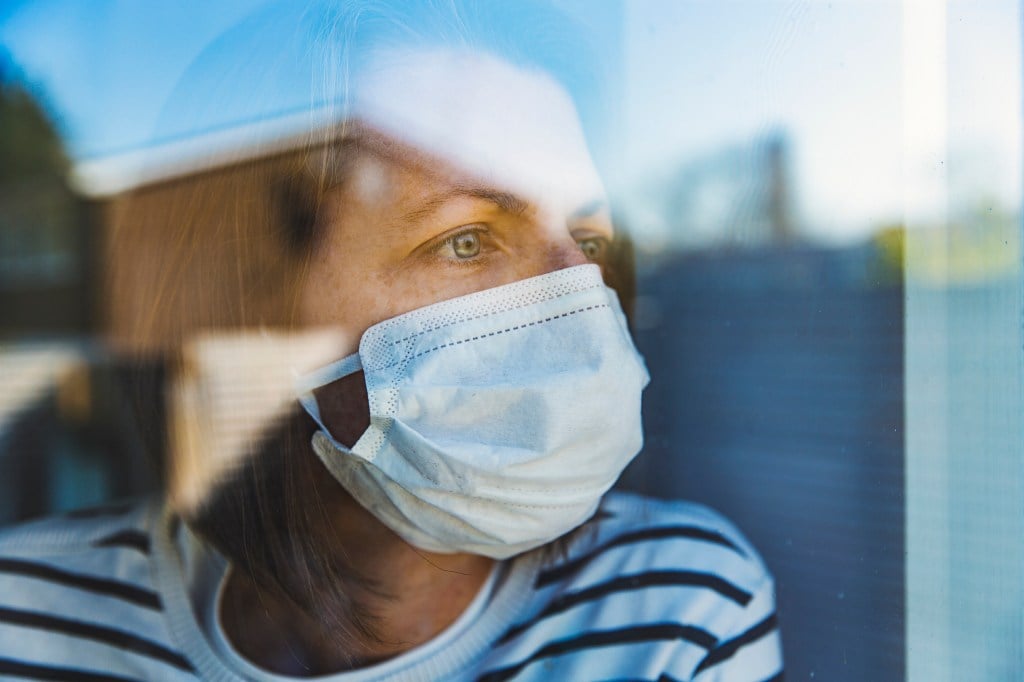
The CDC's new COVID isolation guidelines, recommending staying home until 24 hours after fever has disappeared and symptoms have lessened, have sparked differing perspectives among Lehigh Valley health experts. While some see it as a necessary shift to managing COVID as a part of life, others criticize it for being one-size-fits-all and not considering vulnerable populations. COVID-19 hospitalizations are down, but experts emphasize the need for continued precautions and vaccinations, as well as the recognition of different guidelines for healthcare settings.
The CDC's new, relaxed Covid isolation guidance takes into account the balance between burdens and benefits, reflecting the changing realities of the pandemic. Public health recommendations should consider the impact on individuals and their families, weighing the burden of behavior changes against the health benefits. As population immunity grows, the guidance should adapt to the new circumstances, recognizing that the benefits of avoiding infection by taking on high burdens may diminish.
The CDC announced new Covid recommendations, including shortened isolation guidelines for those testing positive and an additional updated shot for seniors, aiming to balance relaxing guidelines with stressing the importance of vaccines and treatments. The new isolation guidelines allow people with Covid to resume daily activities if fever-free without medication for 24 hours and with improving symptoms for 24 hours, while the updated vaccines target the omicron subvariant and JN.1 subvariant. Additionally, investments in women's health are showing growth, but still make up a small portion of venture funding for the overall health-care industry.
The CDC has officially ended its 5-day isolation recommendation for COVID-19 positive individuals, now allowing those with mild symptoms to return to work or regular activities if their symptoms are improving and it's been a day since they've had a fever. The change reflects the decreased severity of COVID-19 and aims to align recommendations with those for other respiratory viruses. However, concerns remain about potential increased risk for vulnerable populations, and opposition to the change exists, particularly regarding workplace pressures and the impact on older individuals.
The U.S. CDC has updated its COVID-19 isolation guidelines, dropping the five-day recommendation and suggesting that individuals can return to normal activities if symptoms improve and they are fever-free for at least 24 hours without medication. The agency also recommended additional prevention strategies for the next five days and enhanced precautions for those at higher risk. CDC data estimated that nearly 92.3% of recent COVID-19 cases in the U.S. were caused by the sub-variant JN.1, and the agency has approved updated COVID vaccines as a second annual shot for adults aged 65 and older.
The CDC has updated its COVID-19 isolation guidelines, stating that those who test positive are no longer required to isolate for five days, but can leave home if fever-free for 24 hours without medication and with only mild symptoms. However, hospitalized patients at Sentara hospitals must isolate for ten days due to more severe symptoms, according to health officials.
The CDC has updated its COVID-19 isolation guidelines, stating that individuals who test positive for the virus no longer need to quarantine for five days, but should instead stay away from others for 24 hours once fever-free and symptoms improve. Experts caution that while the change aims to facilitate normalcy, precautions such as wearing masks and monitoring symptoms should still be taken seriously to prevent the spread of the virus and protect vulnerable individuals.
The CDC has updated its isolation guidelines for COVID-19 cases, allowing infected individuals to return to work or public spaces one day after their fever subsides. This change reflects the progress made in protecting against severe illness from the virus. While the guidelines have been scaled back, health officials still recommend staying home until 24 hours after a fever, getting vaccinated, wearing masks, and practicing social distancing. The updated guidelines do not affect workers at nursing homes and other healthcare facilities, who are advised to follow specific recommendations.
The CDC has updated its COVID-19 isolation guidelines, stating that individuals with mild symptoms can return to work or regular activities after one day without fever and improving symptoms. The change reflects the decreased severity of COVID-19 and aims to align recommendations with those for other respiratory viruses. However, concerns exist about potential increased risk for vulnerable populations, and opposition worries about premature return to work. The CDC continues to emphasize preventive measures such as vaccination and hand hygiene.
The CDC is expected to update COVID-19 isolation guidelines, allowing people with mild or improving symptoms to end isolation if fever-free for 24 hours, due to the current variant's milder impact, increased hybrid immunity, and concerns about compliance. The changes would not apply to healthcare settings, and the current 5-day isolation period may be revised based on the virus's transmissibility before and after symptoms appear.
The CDC is considering changing its COVID-19 isolation guidelines, potentially allowing infected individuals to return to normal activities once they have been fever-free for 24 hours without medication. This proposed change is driven by the lower risk posed by the current dominant variant, increased population immunity due to vaccinations and past infections, and concerns about non-compliance with existing guidelines. However, health experts are concerned that this change could increase infection risks, particularly for vulnerable groups, and may mislead the public into thinking the pandemic is over. They emphasize the importance of vaccination and continued precautions to control COVID-19.
The US CDC is reportedly considering changing COVID isolation guidelines to require individuals to isolate until they are fever-free for 24 hours with mild and improving symptoms. While this change is not confirmed, individuals can still order free COVID-19 tests from the US Postal Service, with up to eight tests available per household. Additionally, free testing options are available at HRSA health centers, Test to Treat locations, and ICATT testing sites, while free vaccines and booster shots can be accessed through the Bridge Access Program and CDC-partnered retail pharmacy locations.
As COVID-19 continues to pose a threat, experts emphasize the importance of preventing hospitalizations and deaths, especially among vulnerable groups. With most Americans having been infected or vaccinated, the approach to prevention has shifted, and treatments are available for the most at-risk individuals. However, public perception and willingness to inconvenience themselves have decreased, leading to concerns about the spread of the virus. Experts recommend testing and isolation for those with symptoms, wearing masks, and getting vaccinated to reduce the severity of illness and protect vulnerable individuals.
The CDC is considering changing COVID-19 isolation guidelines to depend on symptoms rather than a set number of days, potentially normalizing COVID alongside other respiratory infections. Experts stress personal responsibility, vaccination, and masking, especially for high-risk individuals. The proposed change acknowledges the challenges of prolonged isolation and the impact of at-home testing. While the shift reflects a transition to treating COVID as an endemic disease, it's crucial to remain vigilant and take precautions to protect oneself and the community.