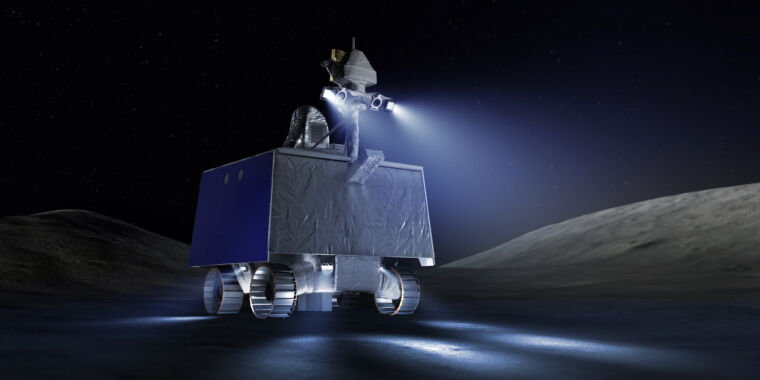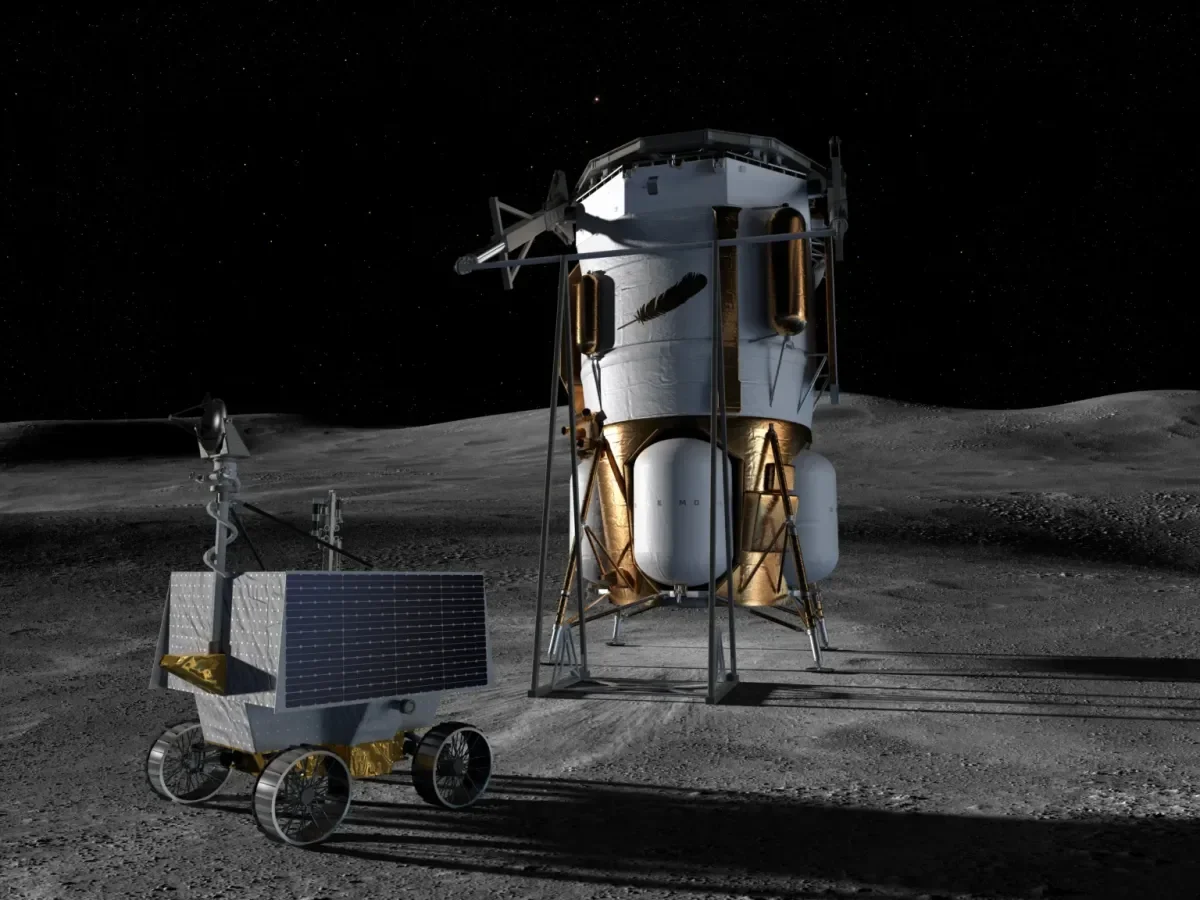
Blue Origin has secured a NASA contract worth approximately $190 million to deliver the VIPER rover to the lunar south pole using its Blue Moon MK1 lander, marking a significant step in lunar exploration and resource prospecting, with the rover expected to operate for about 100 days to study water ice deposits crucial for future human missions.
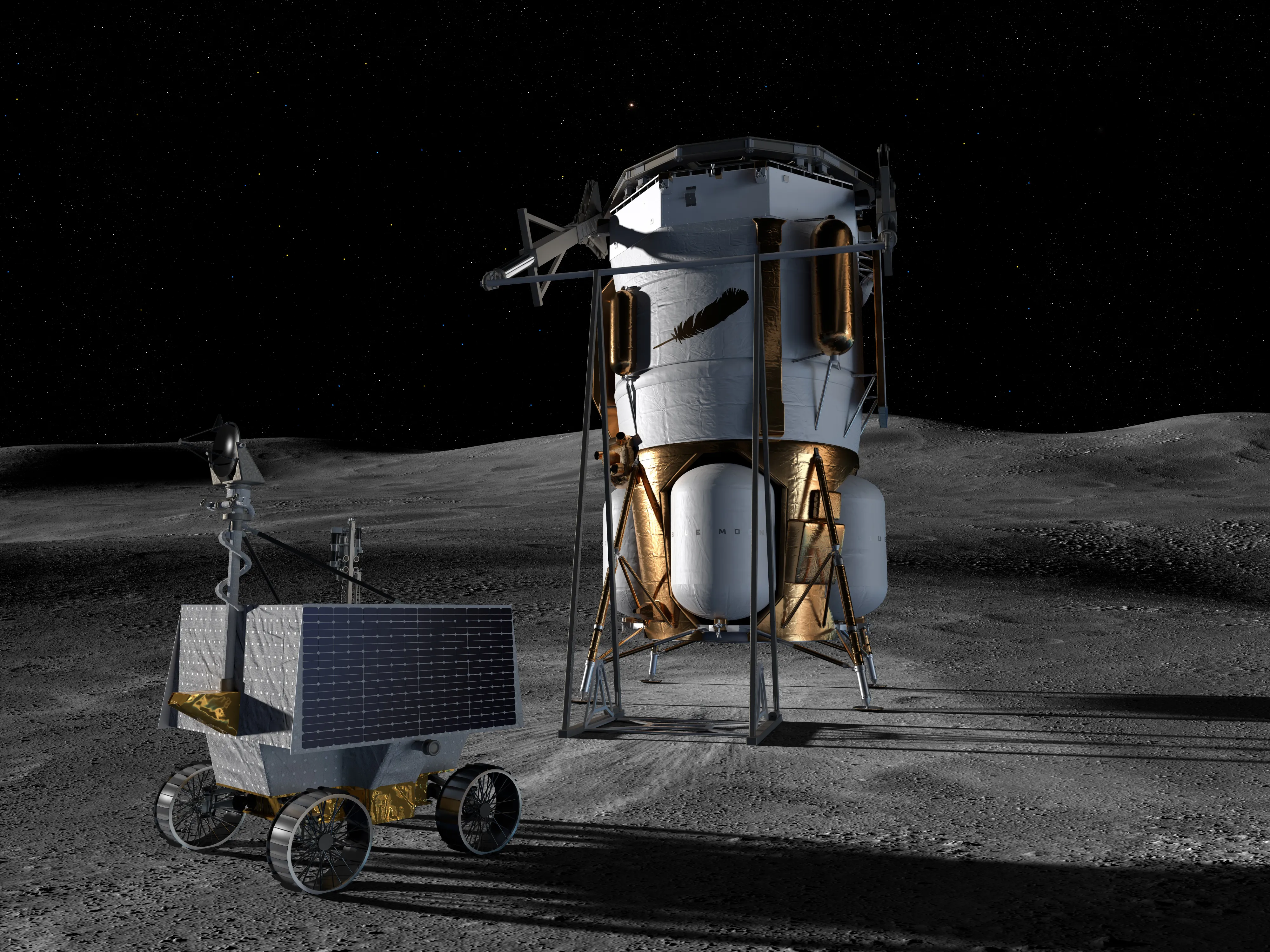
NASA has awarded Blue Origin a contract to deliver the VIPER rover to the Moon's South Pole by late 2027, aiming to search for water ice and other volatiles to support future lunar and Mars exploration, leveraging private sector capabilities to reduce costs and risks.
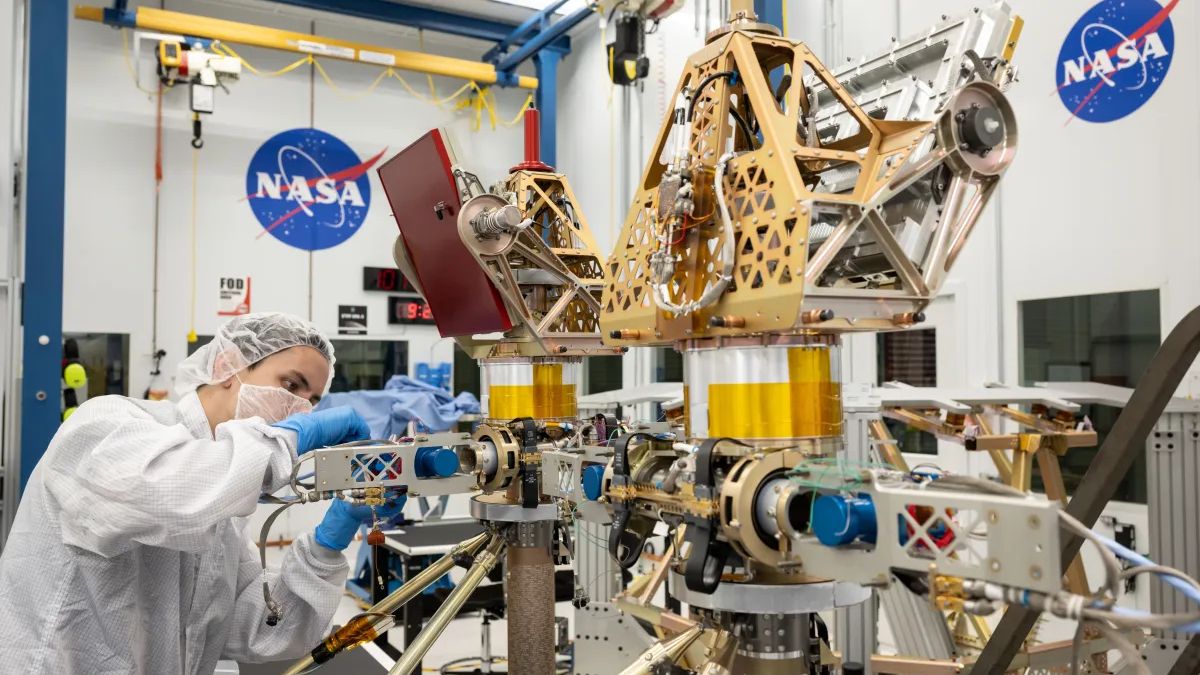
NASA's VIPER rover, set to launch toward the moon later this year, has reached a major milestone with over 80% of its construction completed. The rover will land near the lunar south pole to search for water ice and resources to support future Artemis astronauts. VIPER will spend 100 days collecting data and mapping resources, becoming the first-ever resource mapping mission on another celestial body. The rover's systems are undergoing crucial testing to ensure its success in the extreme lunar environment.
NASA is inviting the public to watch the final assembly and testing of its VIPER moon rover, which is set to explore the moon and collect water-ice samples from the lunar south pole. The rover's components are being pieced together at NASA's Johnson Space Center in Houston, and monthly watch parties will be held to provide updates and answer questions. VIPER is expected to launch in November 2024 and will play a crucial role in determining potential landing sites for future Artemis program missions. Its mission is to study the distribution and preservation of frozen water and other volatiles on the moon.
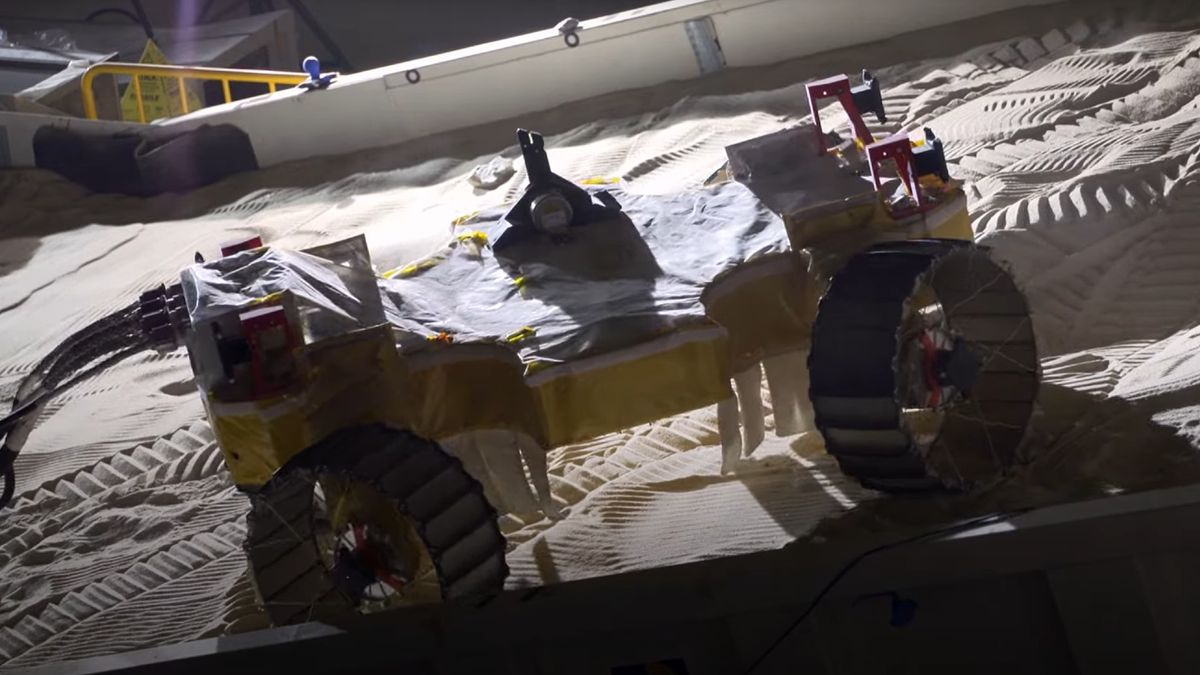
NASA's VIPER moon rover prototype has successfully completed an obstacle course simulating the lunar surface's rugged terrain, showcasing its mobility and ability to overcome challenges. The rover is set to launch to the moon's south pole in November 2024 and will aid in selecting future landing sites for the Artemis program. VIPER's mission includes characterizing the lunar environment, identifying potential resources, and investigating the origin and preservation of frozen water and other volatiles on the moon. Additionally, NASA engineers have tested VIPER's final science instrument, a drill called TRIDENT, which will be used to dig up soil cuttings from below the lunar surface.
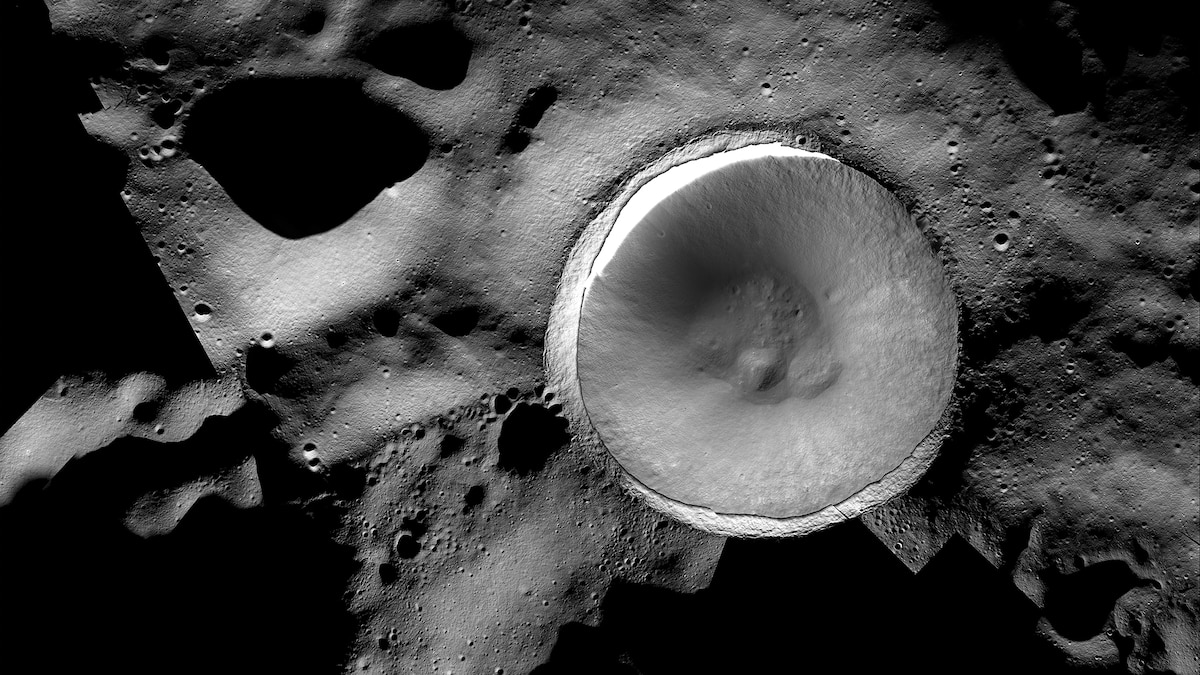
Scientists are using a new NASA instrument called ShadowCam to gather information about the moon's south pole, which remains a mystery. The instrument, mounted on the Korean spacecraft Danuri, is 200 times more sensitive to light than previous lunar cameras and allows scientists to see the details of permanently shadowed regions (PSRs) on the moon for the first time. These PSRs may contain deposits of water ice and other volatiles, which could be used for astronaut consumables and rocket propellant. NASA is planning to send the Volatiles Investigating Polar Exploration Rover (VIPER) to the lunar south pole in 2024 to explore these shadowed areas and extract material for study. The discoveries made at the moon's south pole could provide insights into the history of water in the solar system and pave the way for future space exploration.
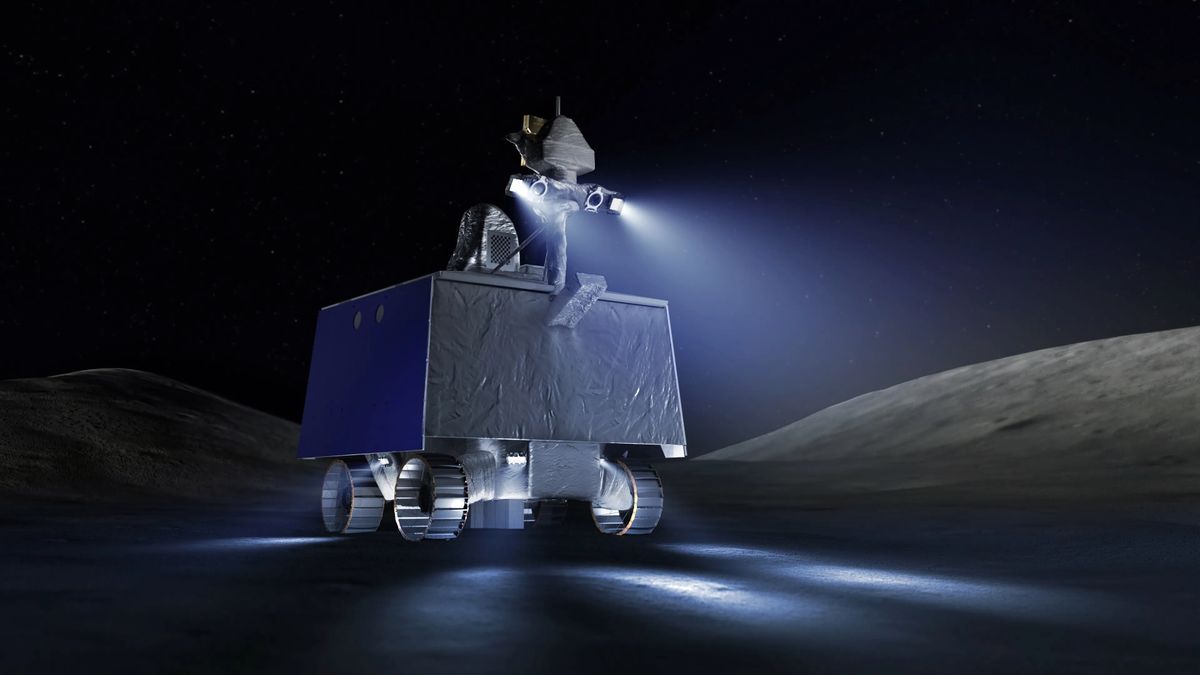
NASA is assembling a golf cart-size rover called VIPER to search for ice deposits at the Moon's poles. The rover, scheduled to launch in November 2024, will explore dark polar craters where water ice is believed to be present. VIPER is designed with headlights to navigate these shadowed areas and will be operated in real-time, allowing scientists to control it like a drone. The rover will rely on battery power during its daring trips into the dark craters and will go into hibernation during periods when the Moon's south pole is out of view from Earth. The mission aims to determine the location and accessibility of water ice, which could be used for various purposes in future lunar exploration.