Tag

Shadowcam

All articles tagged with #shadowcam

science-and-technology2 years ago

"Exploring the Human Connection in National Geographic's Space Issue"

National Geographic's special Space issue features articles and images about space exploration, including the James Webb Space Telescope and the NASA Artemis mission. The issue highlights the use of the ShadowCam instrument to study the Moon's darkest regions and reveals new images of the Moon's south pole before the Artemis III mission in 2025. The issue showcases the latest space imagery from various telescopes and spacecraft, emphasizing the importance of making science accessible through powerful images and thoughtful writing. The awe-inspiring images of deep space remind us of the vastness of the universe and our place within it.

space2 years ago

"NASA Reveals Stunning Details of Moon's South Pole in Unprecedented Image"

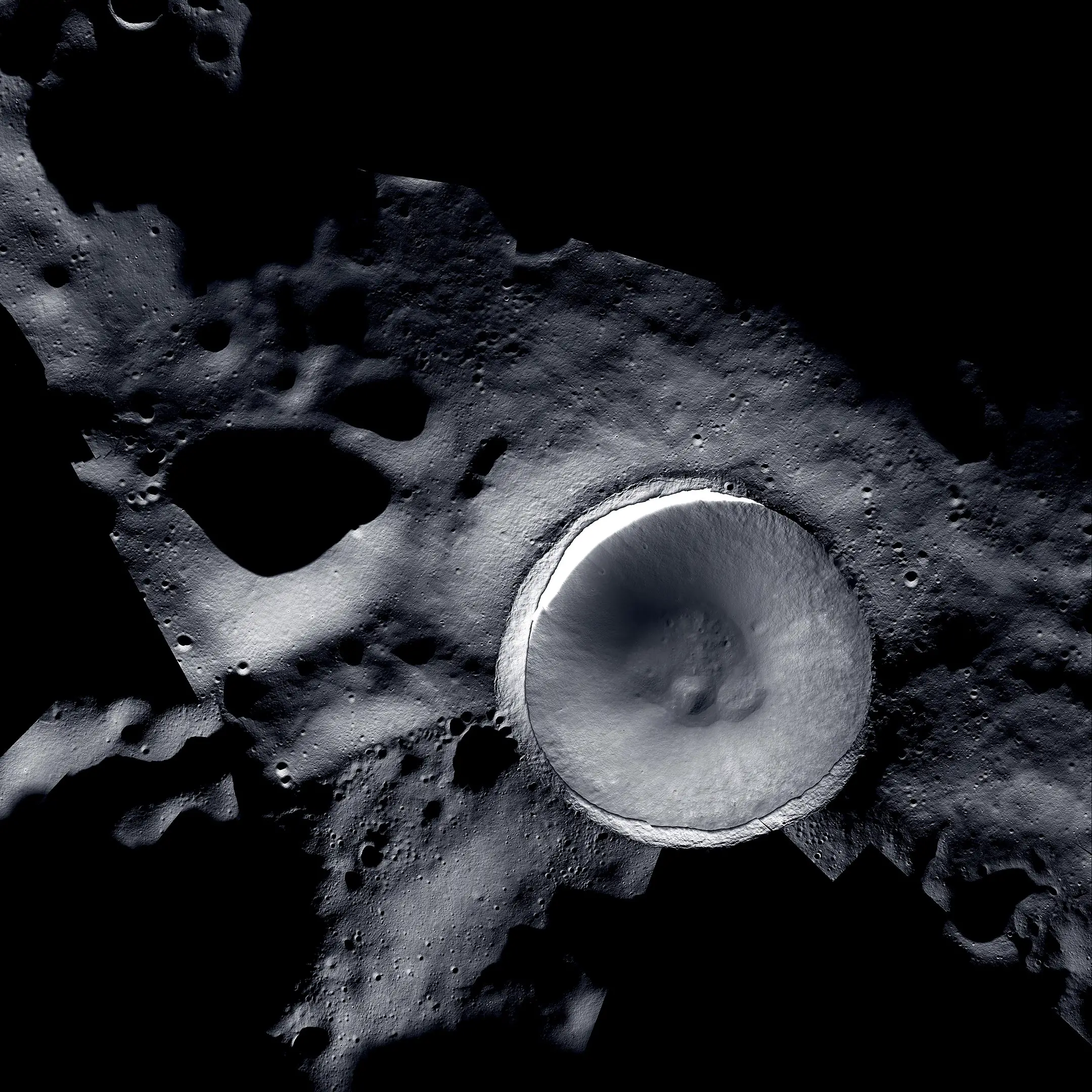
NASA has released a mosaic image of the moon's south pole region, showcasing "unprecedented detail" thanks to two lunar orbiting cameras. The Lunar Reconnaissance Orbiter Camera captures detailed images of the moon's surface but has limited ability to photograph shadowed areas. The ShadowCam, on the other hand, is 200 times more light-sensitive and can operate successfully in low-light conditions, revealing features and terrain details that wouldn't otherwise be visible. By combining the images from both cameras, scientists now have a comprehensive visual map of the moon's terrain, allowing for more thorough exploration and research, including the search for ice and establishing a long-term U.S. presence on the moon.

space2 years ago

"NASA's Unprecedented Moon Mosaic Reveals Haunting Crater at South Pole"

NASA has released a mosaic image of the moon's south pole region, showcasing "unprecedented detail" thanks to two lunar orbiting cameras. The Lunar Reconnaissance Orbiter Camera captures detailed images of the moon's surface but has limited ability to photograph shadowed areas. The ShadowCam, on the other hand, is 200 times more light-sensitive and can operate successfully in low-light conditions, revealing features and terrain details that wouldn't otherwise be visible. By combining the images from both cameras, scientists now have a comprehensive visual map of the moon's terrain, including its permanently shadowed areas, which will aid in future exploration and research efforts, such as the Artemis missions.

space2 years ago

Unveiling the Hidden Mysteries of the Lunar South Pole: NASA's Stunning Moon Camera Mosaic

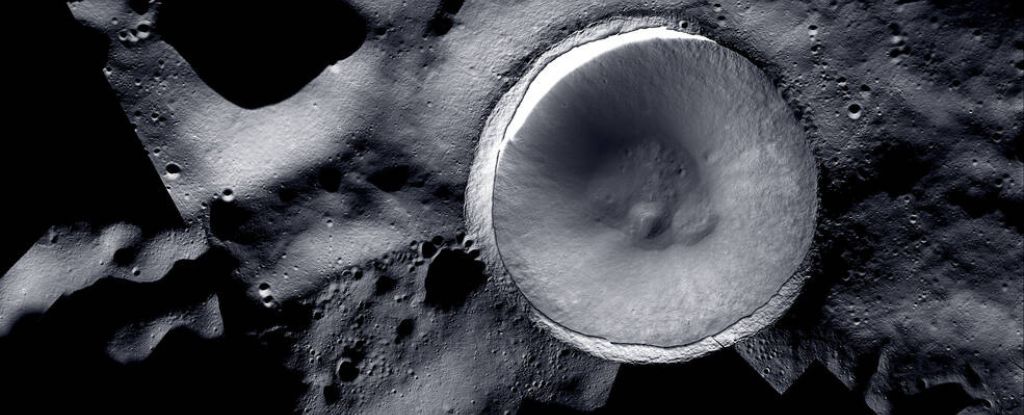
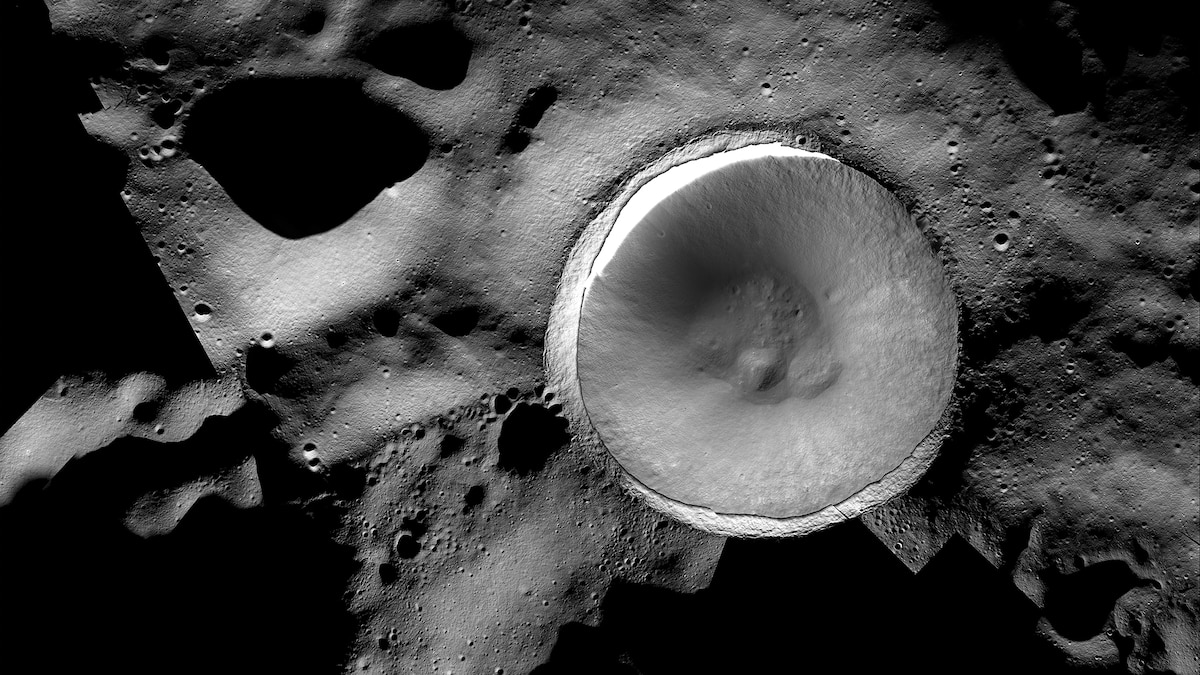
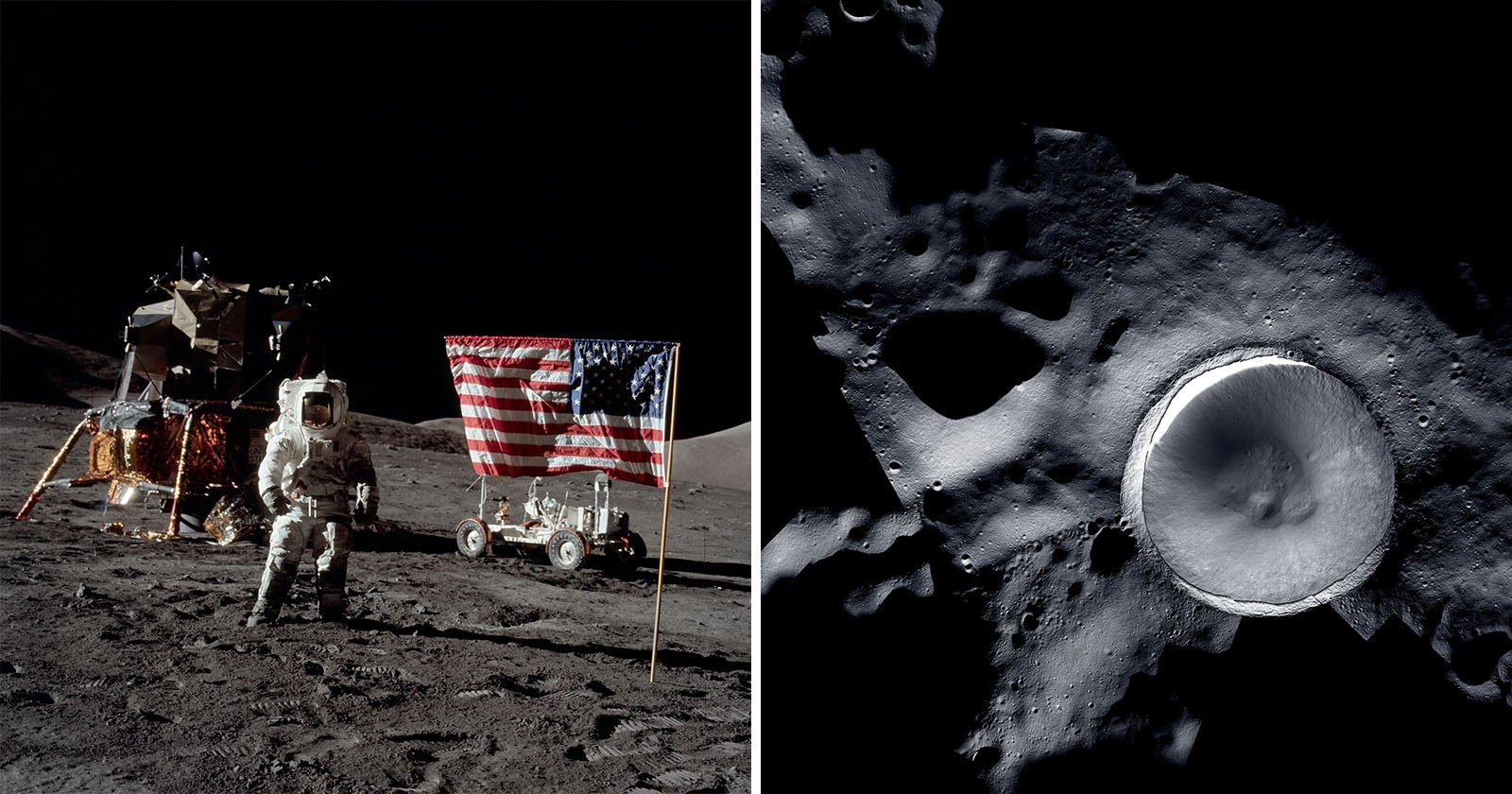
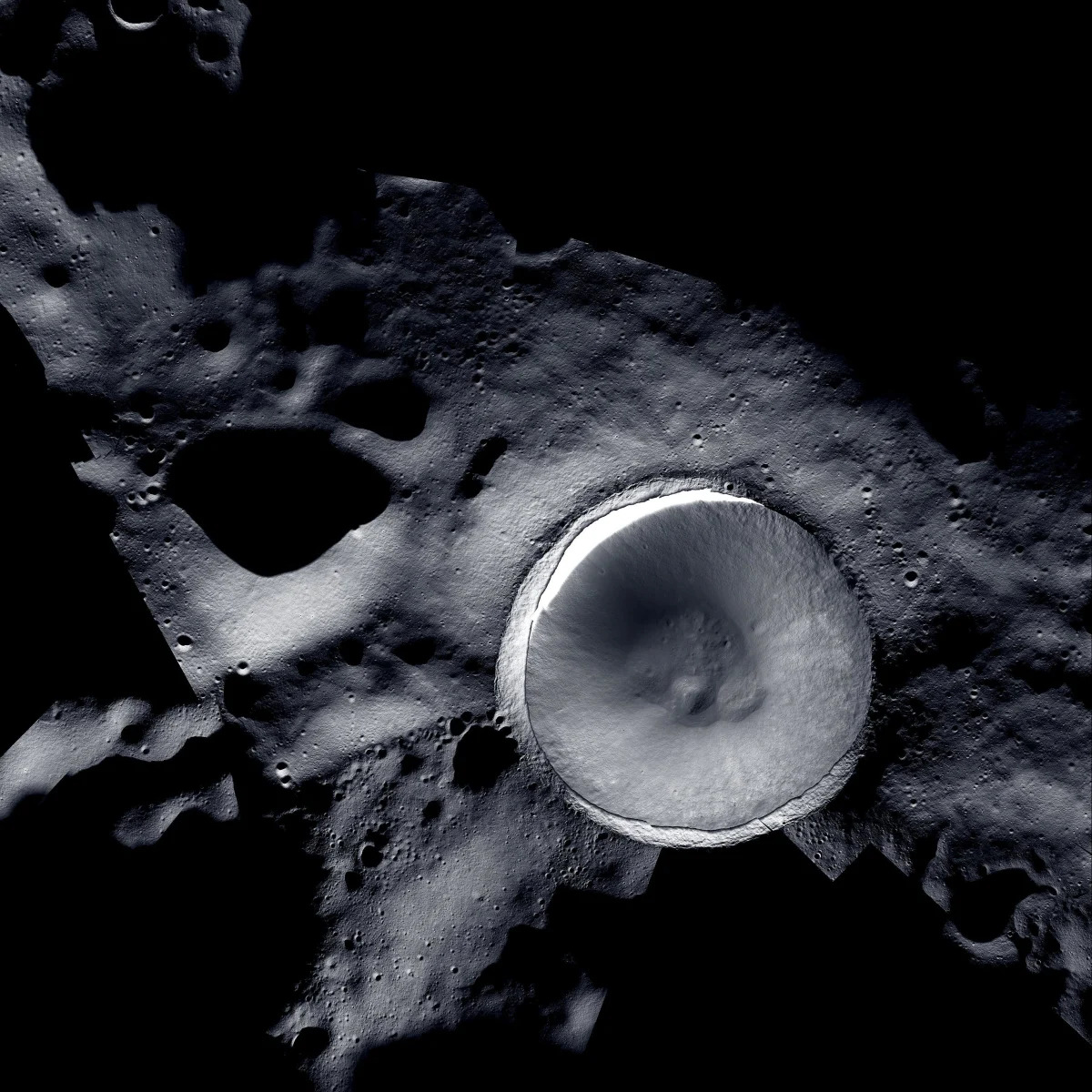
NASA's Lunar Reconnaissance Orbiter Camera (LROC) and ShadowCam, a highly light-sensitive camera instrument, have collaborated to create a detailed mosaic of the Shackleton Crater at the lunar South Pole. The combination of LROC's ability to capture detailed images of the lunar surface and ShadowCam's capability to photograph shadowed regions has provided unprecedented insights into the region, including potential ice deposits. This new visual map will aid future lunar exploration missions and contribute to our understanding of the Moon's evolution and potential resources.

space2 years ago

Unveiling the Enigmatic Lunar South Pole: NASA's Breathtaking Images

NASA has captured a stunning image of Shackleton Crater, a pockmark on the Moon's south pole that has been in perpetual darkness for billions of years. The region, mostly in shadow, is believed to be a potential hiding spot for water or ice. Astronomers in China plan to send a mini flying probe to the crater in 2026 to search for evidence of lunar water-ice. In the meantime, NASA is using a specially designed camera called ShadowCam, which is over 200 times more sensitive to light in shadowed regions, to peer into the darkness and capture unprecedented images of the lunar surface.

space-exploration2 years ago

Unveiling the Enigmatic Lunar South Pole: Stunning Images and Artemis 3 Landing Sites

Scientists are using a new NASA instrument called ShadowCam to gather information about the moon's south pole, which remains a mystery. The instrument, mounted on the Korean spacecraft Danuri, is 200 times more sensitive to light than previous lunar cameras and allows scientists to see the details of permanently shadowed regions (PSRs) on the moon for the first time. These PSRs may contain deposits of water ice and other volatiles, which could be used for astronaut consumables and rocket propellant. NASA is planning to send the Volatiles Investigating Polar Exploration Rover (VIPER) to the lunar south pole in 2024 to explore these shadowed areas and extract material for study. The discoveries made at the moon's south pole could provide insights into the history of water in the solar system and pave the way for future space exploration.

spaceflight2 years ago

South Korean Moon Probe Captures Image of NASA's Lunar Orbiter.

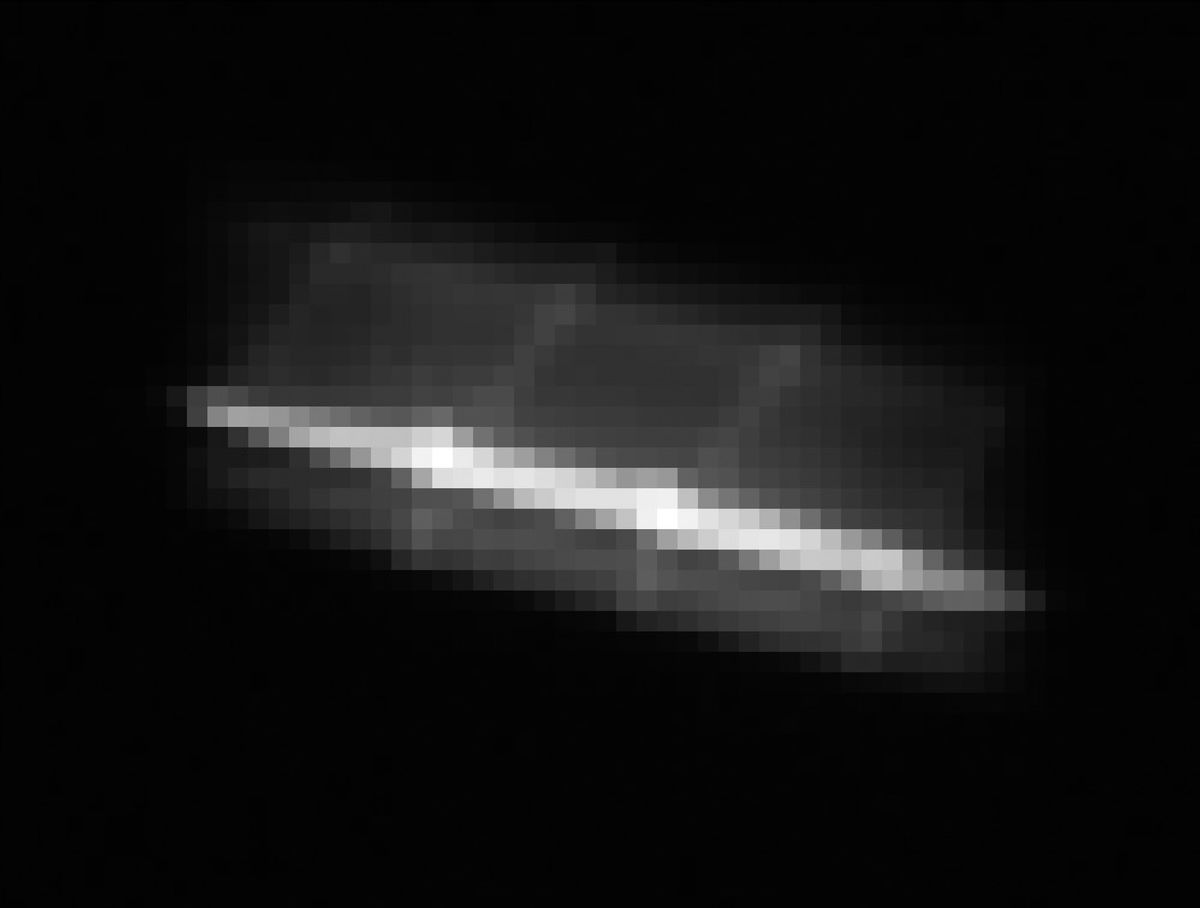
South Korea's Danuri lunar orbiter, equipped with NASA-funded ShadowCam, captured a sunlit image of NASA's Lunar Reconnaissance Orbiter (LRO) from a distance of just 11.2 miles (18 kilometers) as the probes zipped by each other in their respective orbits. The high-speed encounter required coordination and timing, and the resulting image shows LRO's solar array, radiator, and high-gain antenna. ShadowCam is being used to learn about shadowed areas at the lunar south pole ahead of NASA's Artemis 3 mission, mapping out permanently shadowed areas.

space2 years ago

"New NASA photos reveal stunning view of Artemis 3 landing site and Shackleton crater on the Moon"

NASA's ShadowCam has captured stunning images of the lunar south pole, including the permanently shadowed wall and floor of Shackleton Crater, ahead of the Artemis 3 mission. The hypersensitive optical camera is carried by the Korea Pathfinder Lunar Orbiter spacecraft and is ideal for high-resolution imaging of areas of the moon that receive no direct sunlight. ShadowCam has also used "Earthshine" light reflected from Earth to examine deeply shadowed craters and can exploit sunlight reflected off the moon's own geological features to image regions bereft of direct sunlight. The Artemis 2 mission is expected to launch in late 2024, with Artemis 3 following in 2025.

space2 years ago

Moon's Shadowed Craters May Hold Water Ice, New Views Suggest.

NASA's ShadowCam, a hypersensitive camera, has captured detailed images of the Moon's permanently shadowed regions, offering a rare glimpse of potential landing sites for upcoming crewed Artemis missions to the lunar surface. The images reveal the haunting beauty of the Moon's rough surface and may help NASA prepare for its astronauts' upcoming trips to the lunar surface, where they hope to retrieve water ice.

space2 years ago

Illuminating the Moon's Dark Side with NASA's ShadowCam.

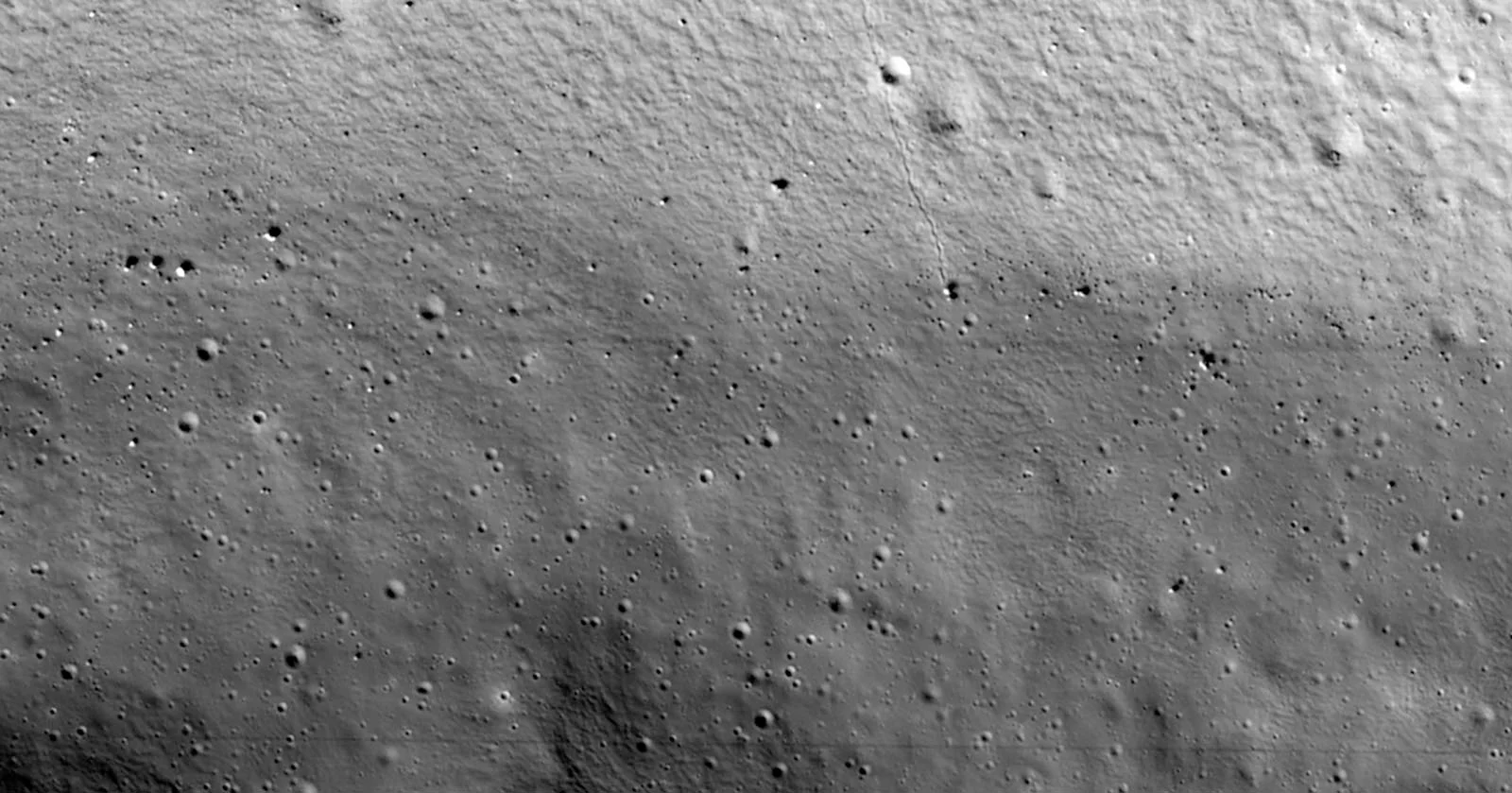
NASA's ShadowCam instrument has captured detailed images of the shadowy region of the Moon's south pole, including Shackleton Crater, using its ability to operate in extremely low-light conditions. Developed by Malin Space Science Systems and Arizona State University, ShadowCam is 200 times more sensitive than the Lunar Reconnaissance Orbiter Narrow Angle Camera. The camera is aboard the Korea Aerospace Research Institute's Korea Pathfinder Lunar Orbiter and has routinely captured images of the Moon's polar regions. ShadowCam's images have helped scientists characterize the boulder shape and velocity and regolith features, furthering our understanding of the geotechnical properties of the Moon.

science-and-astronomy2 years ago

NASA's Moon Camera Captures Inviting Landing Site in Dark Lunar Crater.

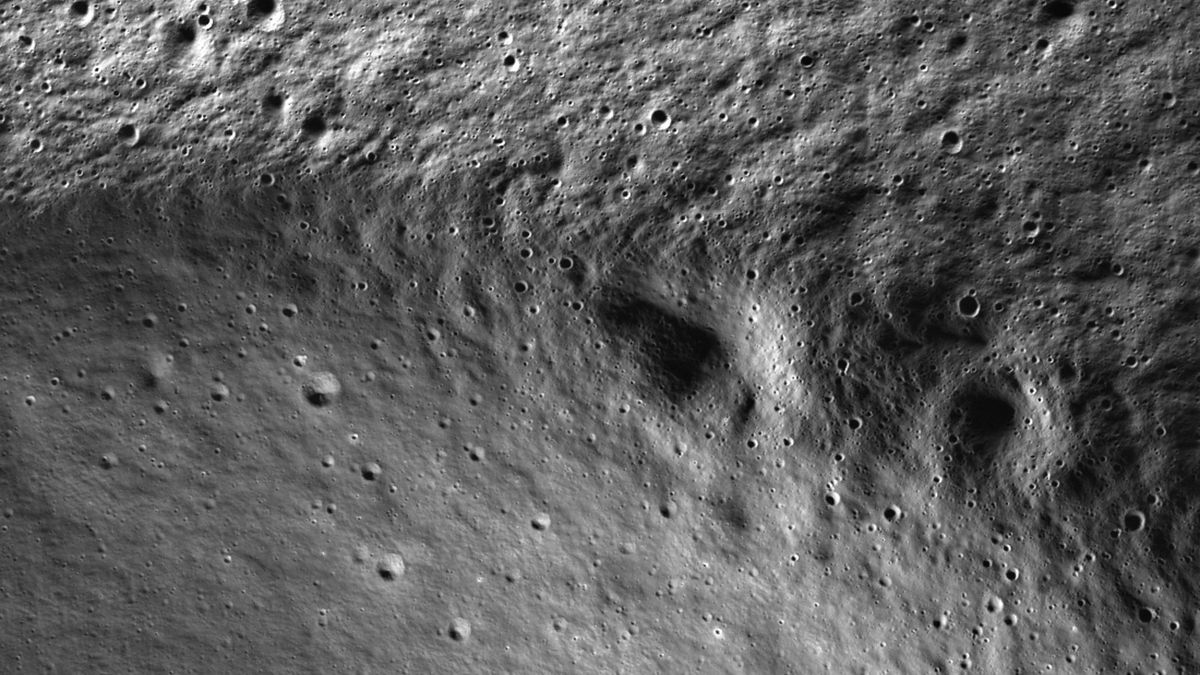
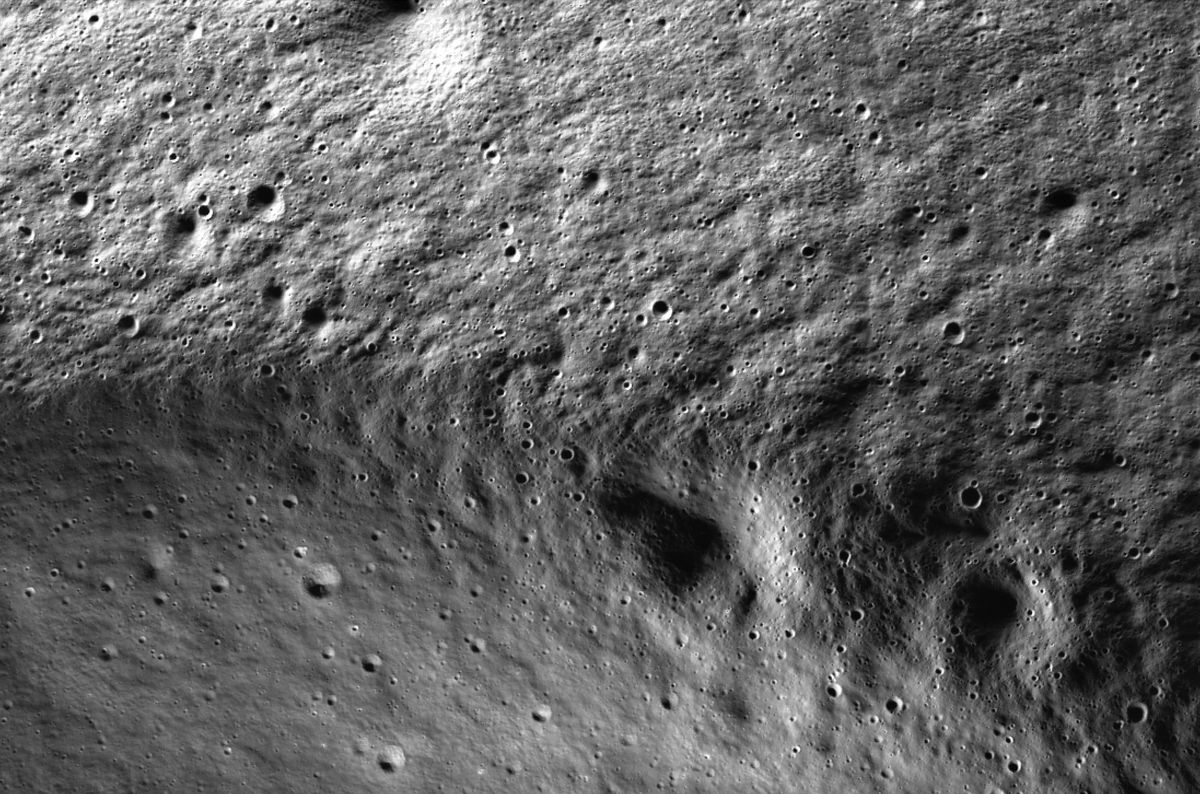
NASA's ShadowCam, a camera designed to detect reflected light, has captured an image of a portion of the Marvin crater, just 16 miles from the moon's south pole. The camera's sensitivity allows it to reveal very dimly lit permanently shadowed regions, or PSRs, which could provide clues about lunar evolution and water trapped as ice in shadowed regions. The high-resolution images collected by ShadowCam could also assist site selection for crewed Artemis missions. ShadowCam is operating aboard the Korea Aerospace Research Institute's Danuri spacecraft, which entered lunar orbit in December 2022.