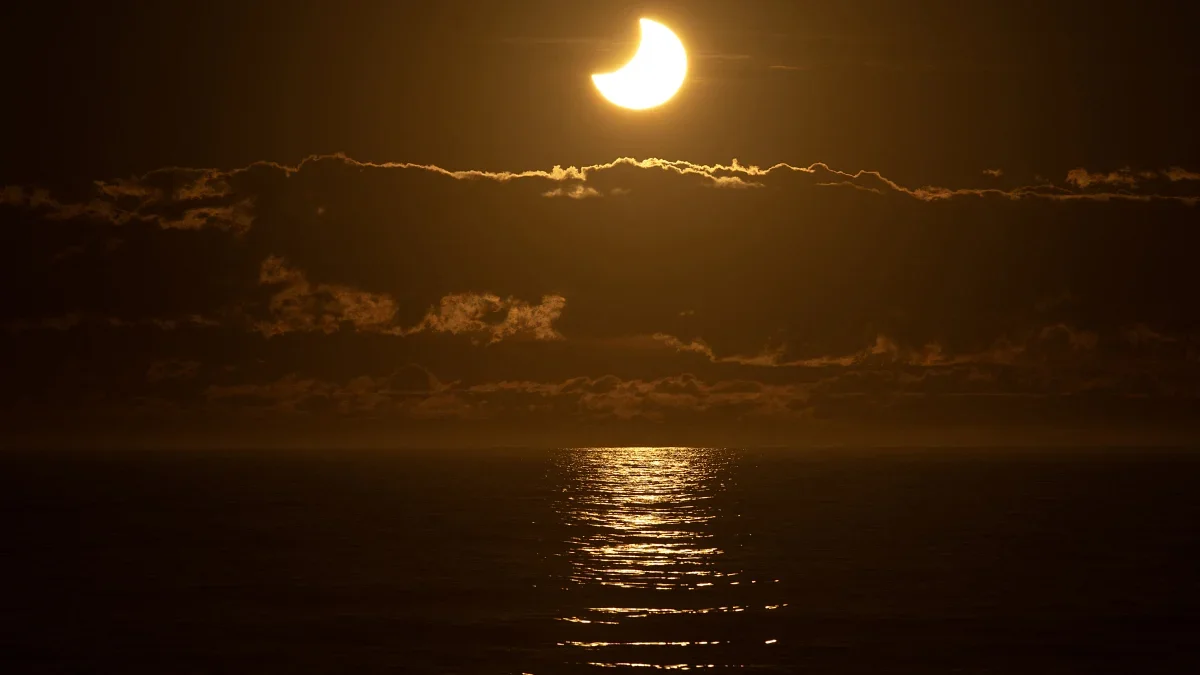
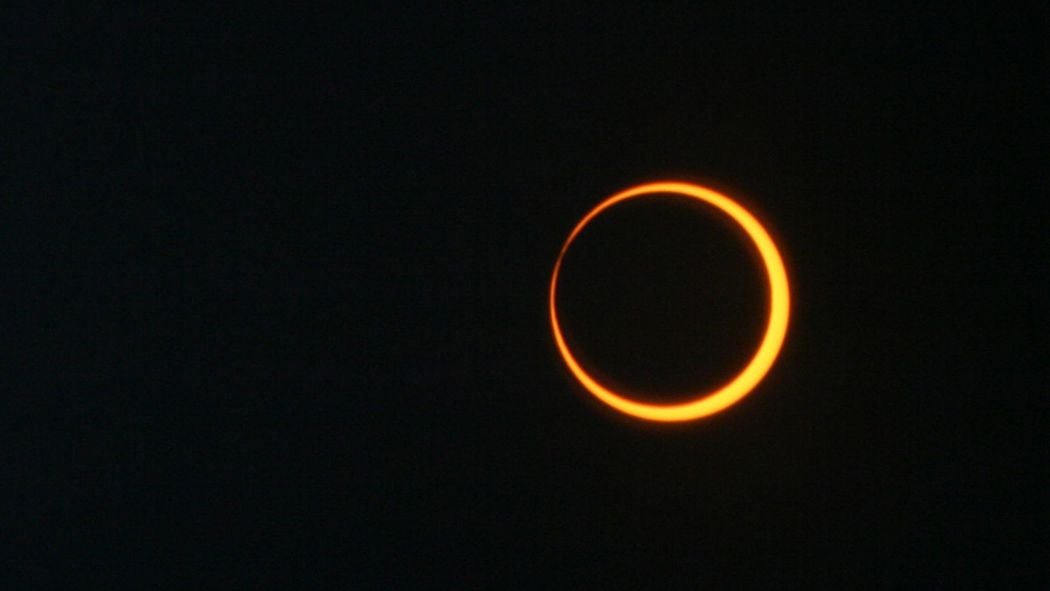
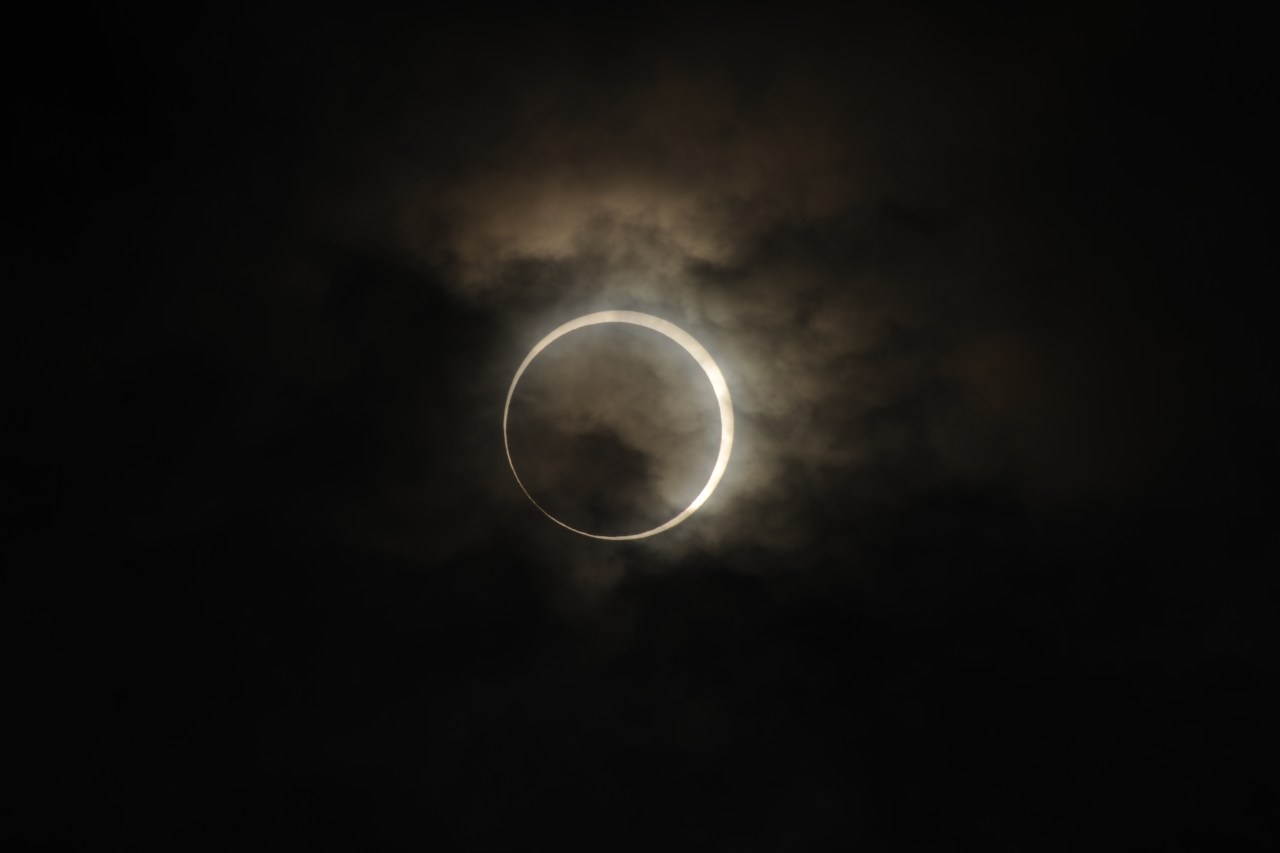
The first eclipse of 2026 is an annular solar eclipse on Feb. 17, producing a ring of fire. Full view is only visible from Antarctica, while partial views may be seen in parts of the Southern Hemisphere; NASA recommends safe viewing with solar glasses or a DIY eclipse projector.
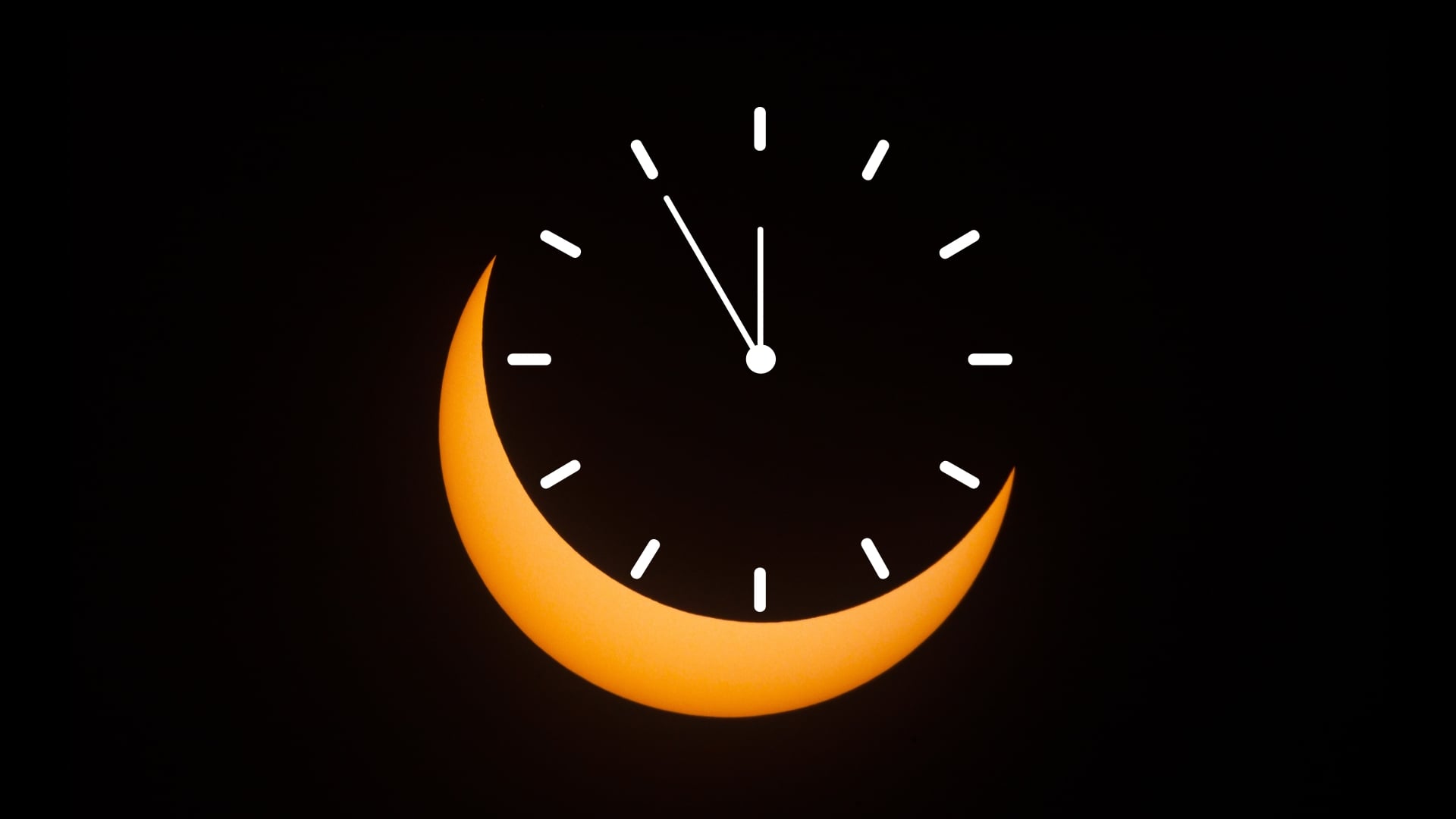
A deep partial solar eclipse will occur on September 21, 2025, with the best viewing times around 1:29 p.m. to 3:41 p.m. EDT, depending on location. Only a small portion of the world will see it directly, but live coverage will be available. Safety precautions are emphasized for viewing the eclipse.
On April 8, a solar eclipse will be visible in North America, with the path of totality covering over 30 million people in the US, Canada, and Mexico. Major centers within the 100-mile-wide band of totality will experience a full solar eclipse, while those within 200 miles will see a 90 percent or better eclipse. It's important to view the eclipse safely using approved solar eclipse glasses or indirect means, and to be cautious when photographing or recording the event. Weather forecasts indicate that clear skies may be more likely in the northeast.
The total solar eclipse on April 8 will be fully visible in upstate New York, but a forecast showing clearer skies in New York City might make it a good place to view the spectacle. While areas like Buffalo and the Adirondacks may experience cloudy conditions, the city is expected to have partly cloudy to clear skies during the event. However, it's important to use proper eyewear to view the eclipse safely. Despite the event, New York City will operate as usual, with no early dismissals for students. The next total solar eclipse visible from the city will not occur until 2079.
Chicago is gearing up for a partial solar eclipse on Monday, a rare event that won't return for another 20 years. While the city won't experience totality, downstate Carbondale will. The Adler Planetarium is hosting eclipse-themed events, and several libraries and the Museum of Science and Industry are also participating. People are advised to use protective solar eclipse glasses or indirect viewing methods to safely observe the eclipse.
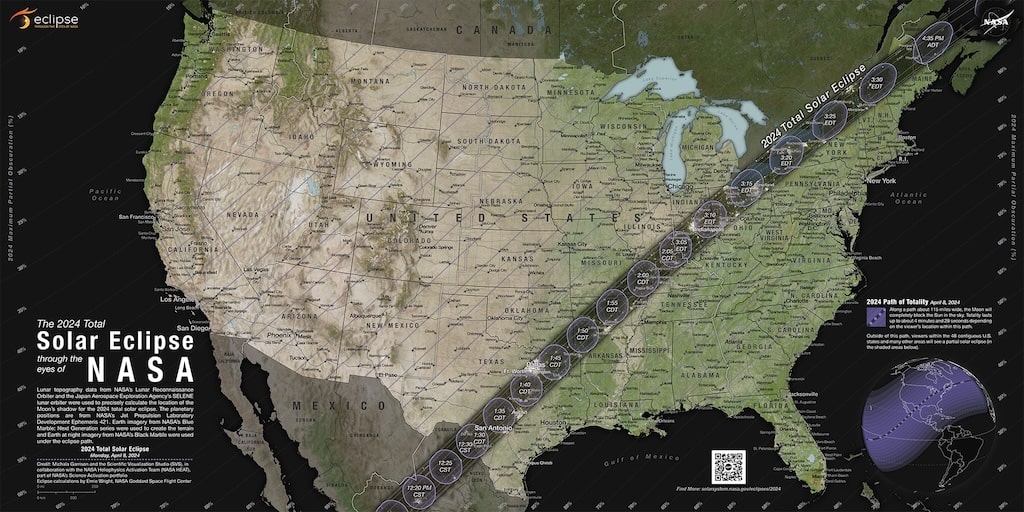
On April 8, a total solar eclipse will occur above the U.S., with the path of totality passing through northern Mexico, Texas, the Midwest, the East Coast, and southeast Canada. Southern California will only experience a partial eclipse, while those in Nevada, Arizona, and New Mexico will have better visibility. It's important to use certified eclipse glasses with the ISO icon and reference number 12312-2 for safe viewing, as looking at the sun without proper protection can cause damage.
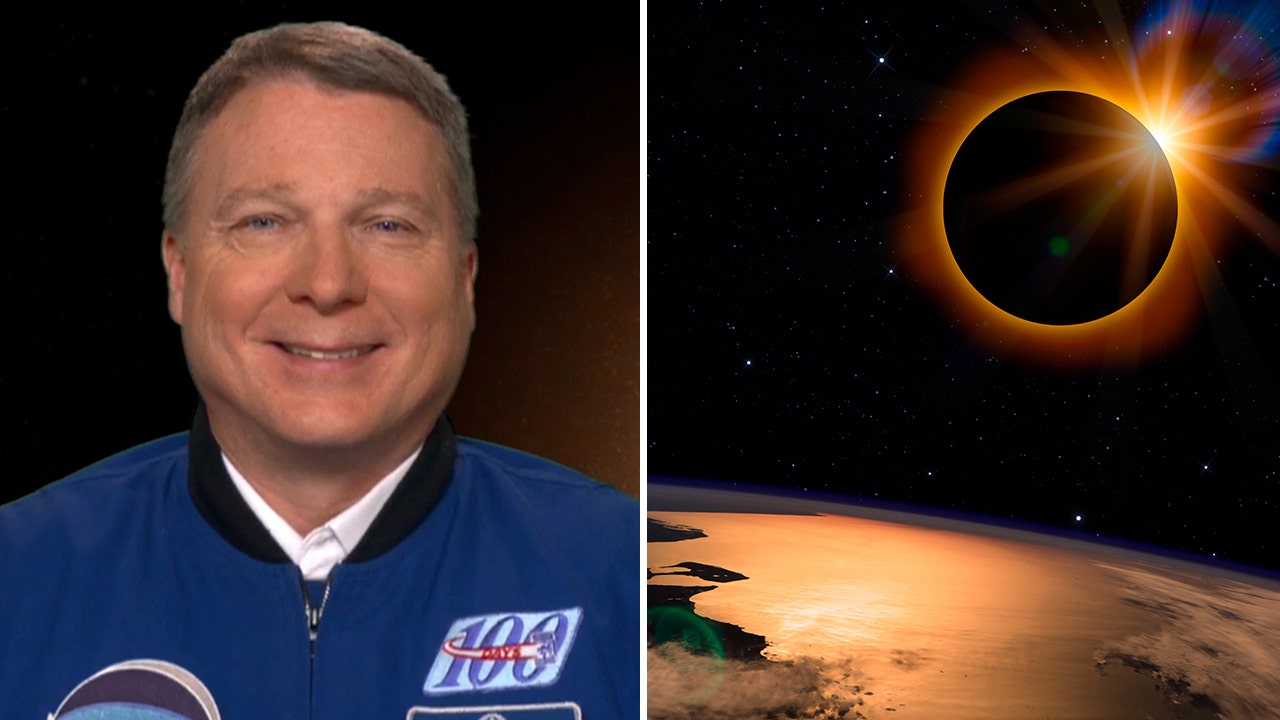
Former NASA astronaut Terry Virts shared his experience of witnessing a solar eclipse from space and advised on safe viewing practices for the upcoming April 8, 2024 event. Virts recommended using proper eclipse glasses and heading to SONIC locations in the path of totality for a limited-edition blackout slush float and viewing glasses. He also suggested observing wildlife during the eclipse and mentioned that the next solar eclipse viewing opportunity in the U.S. will be on August 23, 2044.
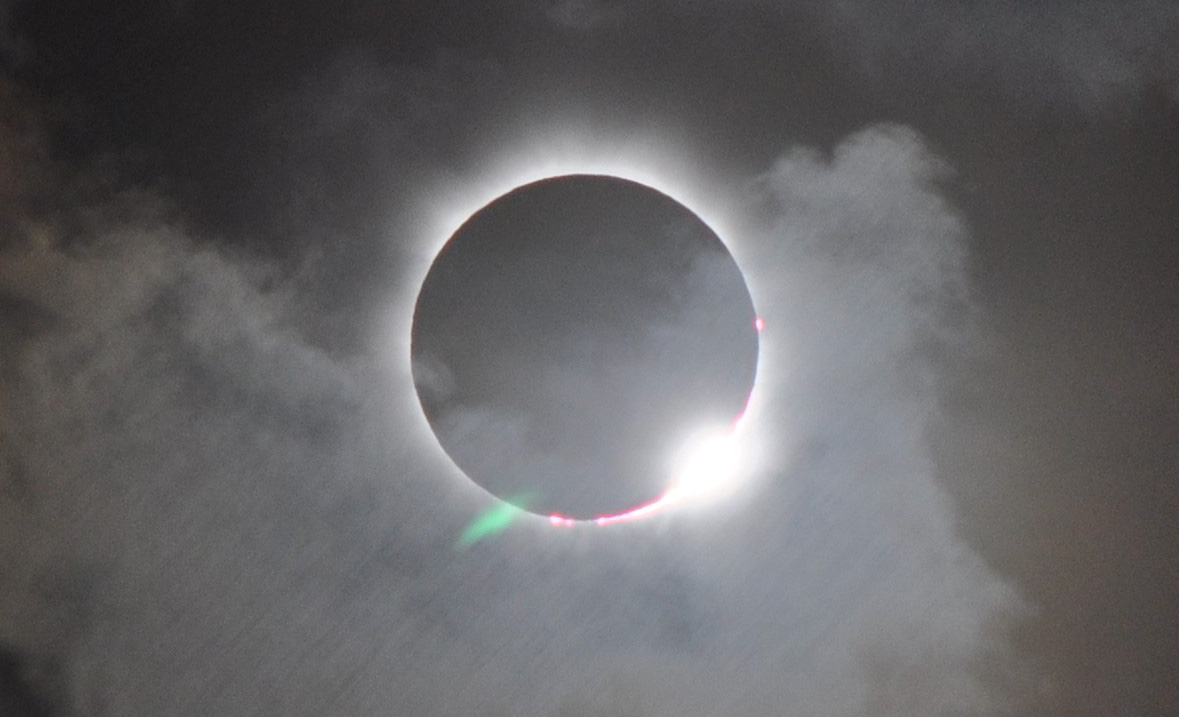
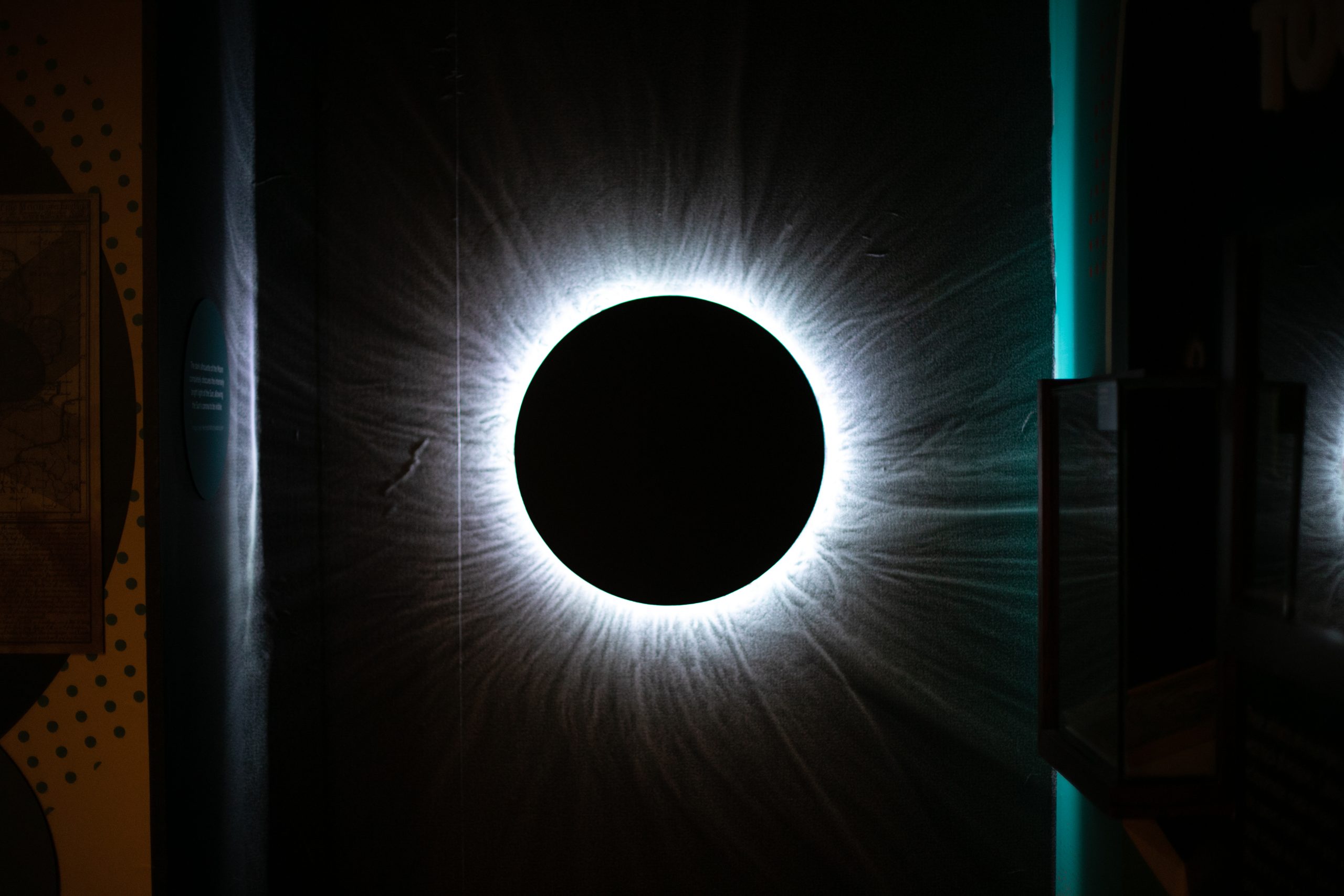
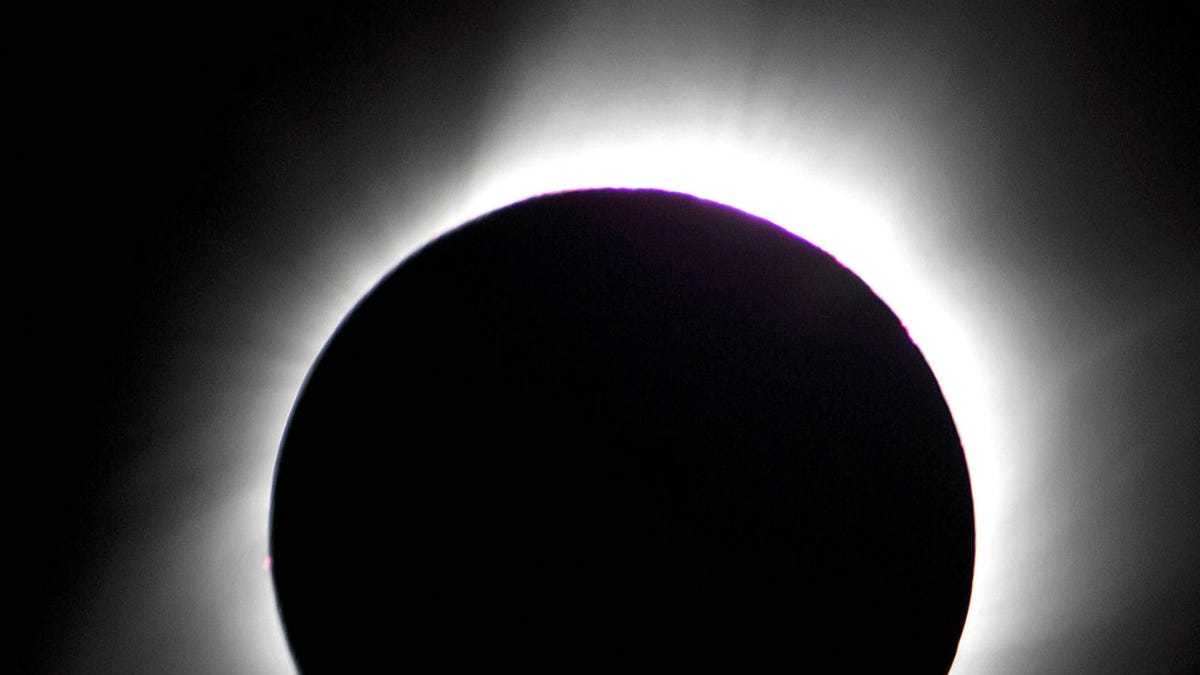
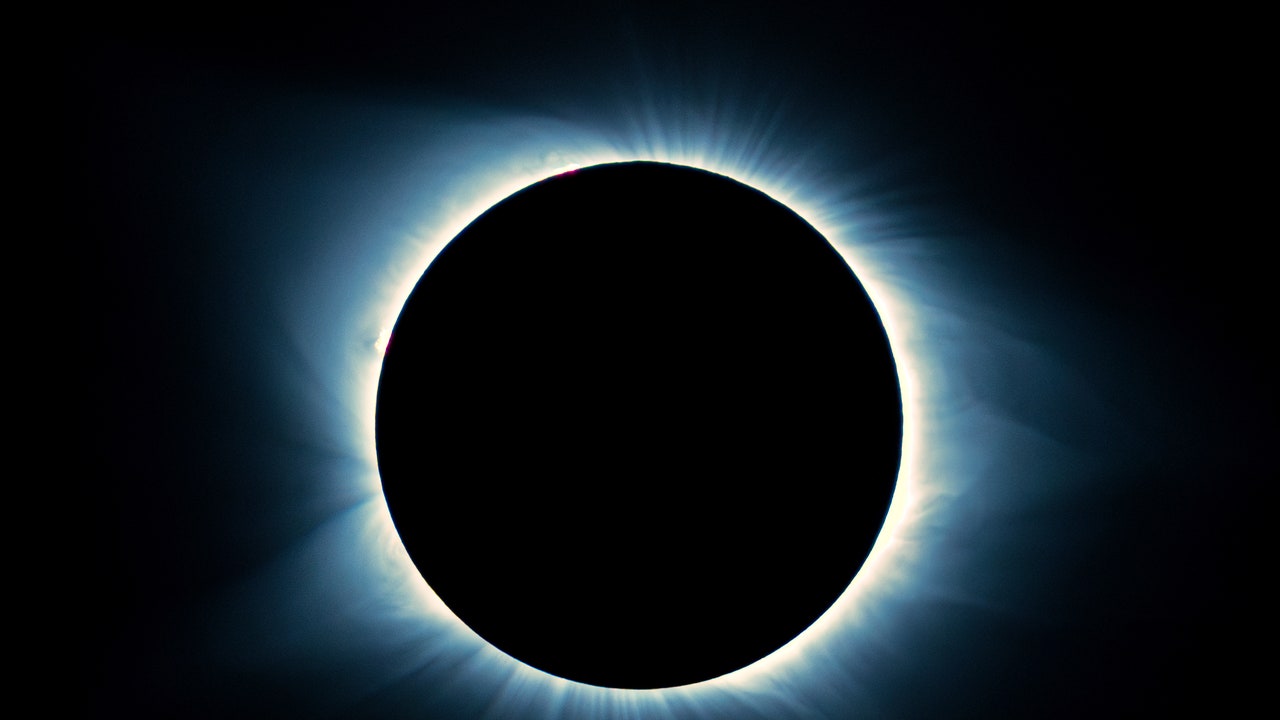
The 2024 solar eclipse, occurring on April 8, will be visible from parts of Mexico, the United States, and Canada, with 13 cities offering prime viewing opportunities. A total solar eclipse occurs when the moon completely blocks the sun's face, allowing viewers within the eclipse's path to see the sun's corona and outer atmosphere. It is crucial to use protective eye gear when observing any partial eclipse, except during the brief period of totality. Total solar eclipses happen about once every 18 months, but are visible from any one place only about once every 400 years. The upcoming eclipse will last for over four minutes in some areas, with the path of totality covering more ground than the 2017 eclipse.
On April 8, a total solar eclipse will be visible across North America, with the path of totality stretching from Mexico to Newfoundland. An estimated 44 million people live within this path, and 15 U.S. states will experience varying degrees of the eclipse. Special eclipse glasses are crucial for safe viewing, and towns along the path are hosting watch parties and events. NASA will launch rockets and chase the eclipse's shadow from high-altitude planes, while satellites and the International Space Station crew will attempt to capture the event from space. The next total solar eclipse in North America won't occur until 2033, with the next coast-to-coast eclipse in 2045.
On April 8, 2024, a total solar eclipse will be visible across North America, with a totality of up to 4 and a half minutes. The eclipse will start in Mexico, cross the United States, and end in northeastern Canada. NASA provides information on where and when to view the eclipse, as well as safety precautions. It is the last total eclipse visible from the United States until 2044.
A partial solar eclipse was visible in various regions of North, Central, and South America, including parts of the United States. The best viewing conditions were in the Four Corners to Texas, while cloud cover hindered visibility in the Northwest. The eclipse could be observed with proper eye protection, and NASA experts provided live broadcasts from Texas and New Mexico. The next annular solar eclipse visible in the US will occur on June 21, 2039, with Alaska being the only state in its path.
Astronomers are encouraging people to use a disco ball to safely view the upcoming partial "ring of fire" solar eclipse on October 14. By reflecting multiple identical eclipse images onto various surfaces, the disco ball provides an interesting and accessible tool for larger groups to observe the eclipse's progress. This method eliminates the risk of eye damage associated with directly staring at the sun and offers a unique way to engage schoolchildren and the general public in physics demonstrations.
The United States will experience two solar eclipses within six months, with the first being an annular solar eclipse on October 14, 2023, visible from Oregon to Texas, while a partial eclipse will be visible throughout the lower 48 states. The second eclipse, a total solar eclipse, will occur on April 8, 2024, crossing from Texas to Maine, including central New York. An annular eclipse happens when the moon is at its farthest point from Earth, creating a "ring of fire" effect, while a total eclipse occurs when the moon is closer to Earth, fully blocking the sun's rays. It is important to use proper eye protection, such as eclipse glasses, when viewing the eclipses.