Scottish scientists are working in the Amazon to combat the spread of rabies carried by vampire bats, which is increasing due to climate change and habitat changes. They are developing vaccines and monitoring bat populations to prevent human and livestock infections, with efforts including testing vaccines on bats and exploring transmissible vaccine options.
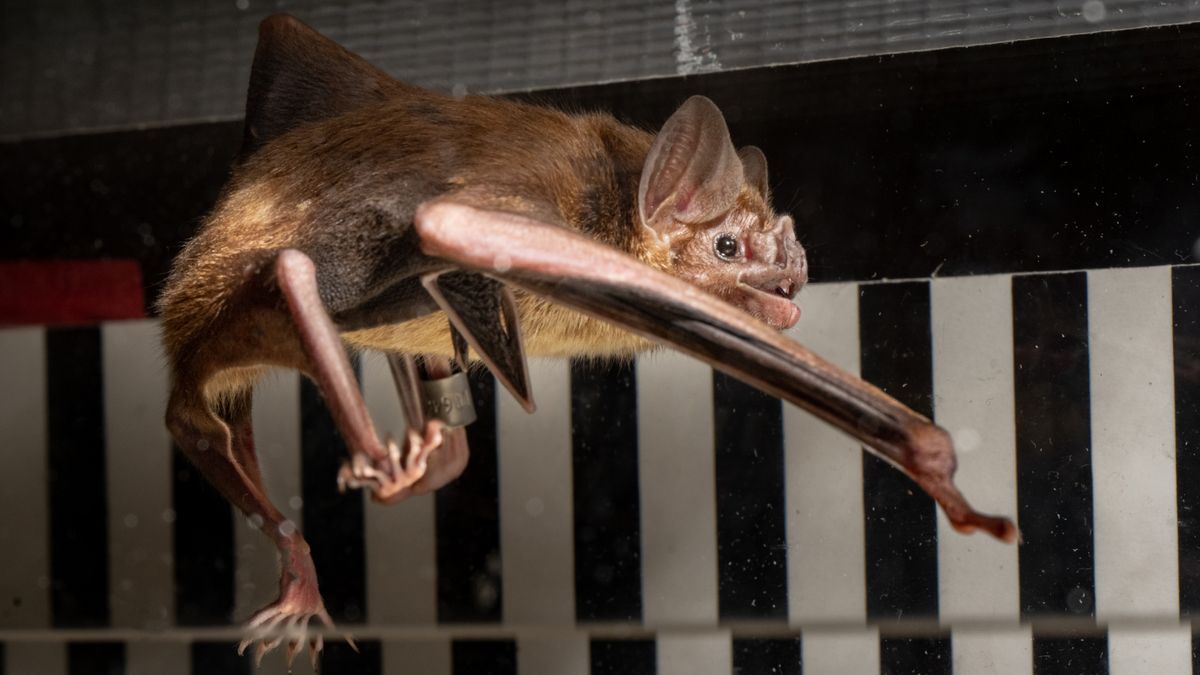
Scientists have discovered that vampire bats use blood-derived amino acids as their primary energy source, rather than carbohydrates or fats, to fuel physical activity. This was determined by observing the bats on treadmills and measuring their metabolic activity. The study found that the bats rapidly oxidize amino acids from their blood meals, similar to bloodsucking insects, highlighting a unique adaptation among mammals.
Scientists have conducted a study using treadmills to understand how vampire bats metabolize blood, revealing their unique ability to efficiently use amino acids for energy. Unlike most vertebrates that rely on carbohydrates and lipids, vampire bats rapidly metabolize protein-rich blood, a trait shared with some invertebrates like Tsetse flies. The research, involving bats fed with amino acid-enriched blood, highlights convergent evolution in blood-feeding animals and was published in Biology Letters.
Vampire bats, historically found in Mexico, Central and South America, are expanding their range northward into the United States due to climate change. A study warns of potential disease transmission, particularly rabies, and its impact on wildlife, livestock, and humans. While vampire bats typically do not target humans, the risk of transmission increases if a rabies-infected bat alters its behavior. The study highlights the need for proactive measures to address the potential harm to other animals and the spillover of rabies. Ongoing research aims to understand the connection between climate change, vampire bat range shifts, and the risk of rabies spillover.
Vampire bats, known carriers of diseases like rabies, may soon expand their range into the southern United States due to human-induced global warming, according to a study. The research suggests that warming climates in southern regions of the US could attract vampire bats, potentially leading to the spread of diseases to wildlife, livestock, and even humans. The study highlights the historical northward movement of vampire bats in response to past climate change and the increase in rabies cases in Latin American countries. While the arrival of vampire bats alone may not be alarming, their ability to transmit diseases, particularly to livestock, poses a significant concern. The study emphasizes the need to track the movement of vampire bats and their potential impact on disease transmission.
A new study published in the journal Ecography reveals that climate change is causing shifts in the range of vampire bat habitats, increasing the risk of rabies spillover events. The study predicts that vampire bats could extend their range into the continental USA within the next 27 years. Rabies, primarily impacting livestock, poses a significant threat to the food supply chain and public health. U.S. officials have taken measures to prepare for the arrival of vampire bats, including surveillance and education campaigns. Symptoms of rabies in humans and animals are similar, and the disease is almost always fatal once clinical signs appear.
Vampire bats, known carriers of rabies, are gradually expanding their territory northward from Latin America towards the United States due to climate change. As average temperatures increase, experts predict that the common vampire bat, or Desmodus rotundus, will cross the US southern border within the next few decades. While vampire bat rabies helps control their population, it poses a threat to domestic animals and humans. The cattle industry in Latin America is particularly affected, with vampire bat rabies costing over $46.7 million per year. The US Department of Agriculture is preparing for their arrival by educating ranchers and livestock producers on how to spot bites and signs of rabies. Vaccinating cattle against rabies may be the best prevention method once vampire bats arrive, although efforts to vaccinate bats should proceed with caution due to potential ecological effects.