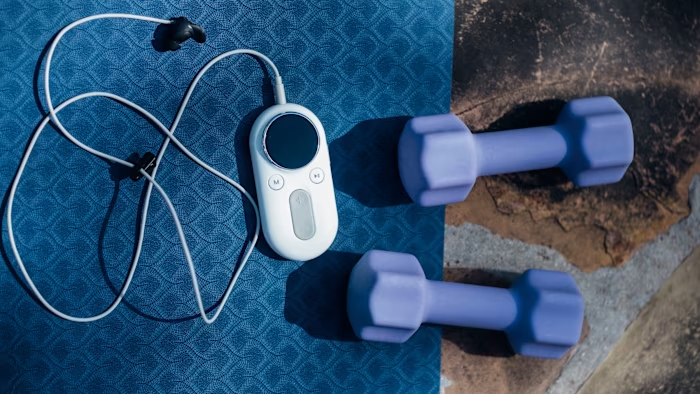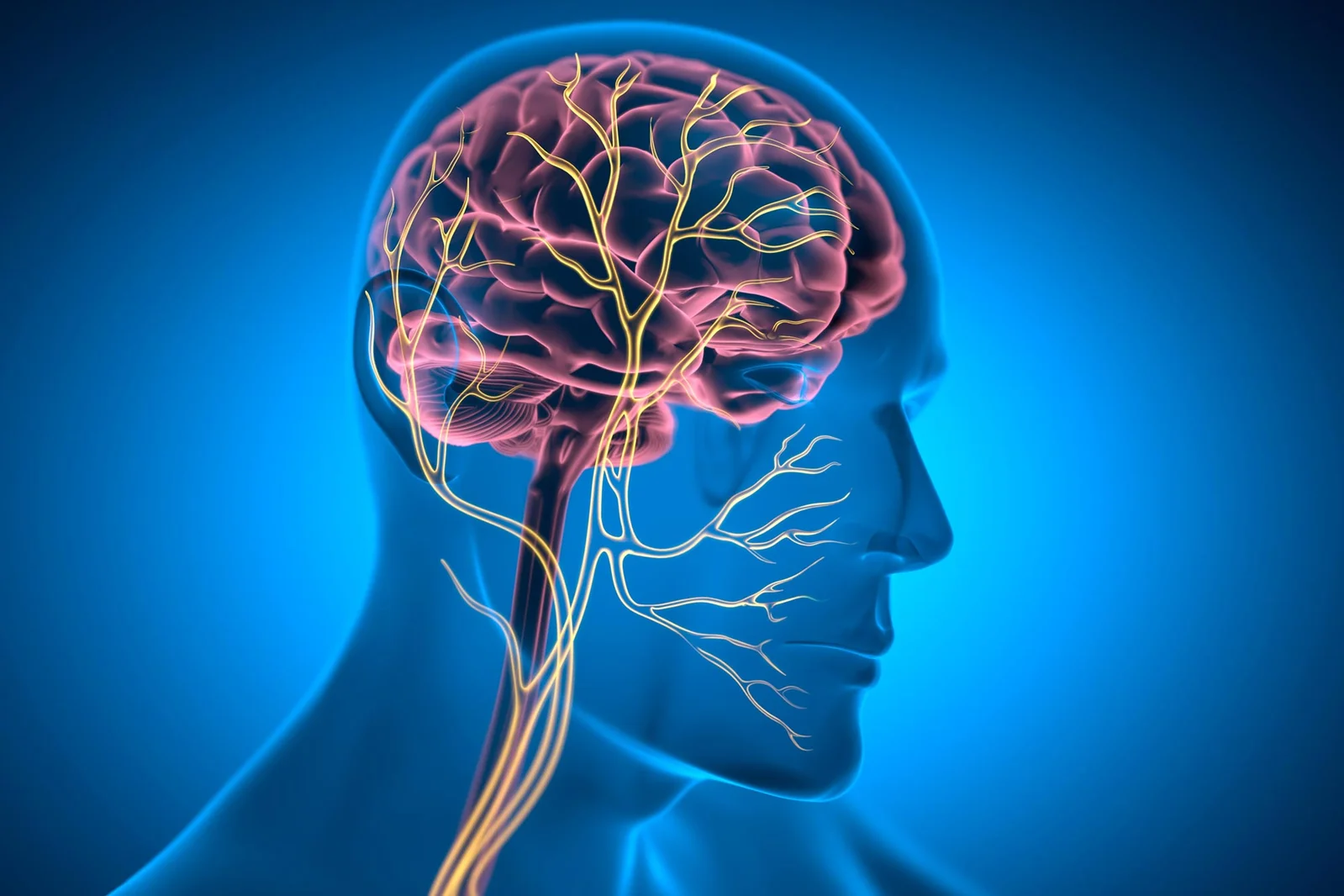
Vagus nerve stimulation (VNS) involves using devices to send electrical pulses to the vagus nerve, which can be done invasively or through skin patches, and is used for conditions like epilepsy and cluster headaches. While some users report benefits such as increased energy and improved sleep, scientific evidence is limited, and the effectiveness of these devices remains uncertain, with some experts suggesting placebo effects may play a role.
The wellness industry in 2026 will focus on innovative trends such as vagus nerve stimulation devices, sound healing, micro-personalized workouts, community-based activities, brain health, cellular longevity, low-impact exercise, heated infrared workouts, and hormone literacy, aiming to enhance mental, physical, and cellular health through science-backed and community-driven approaches.
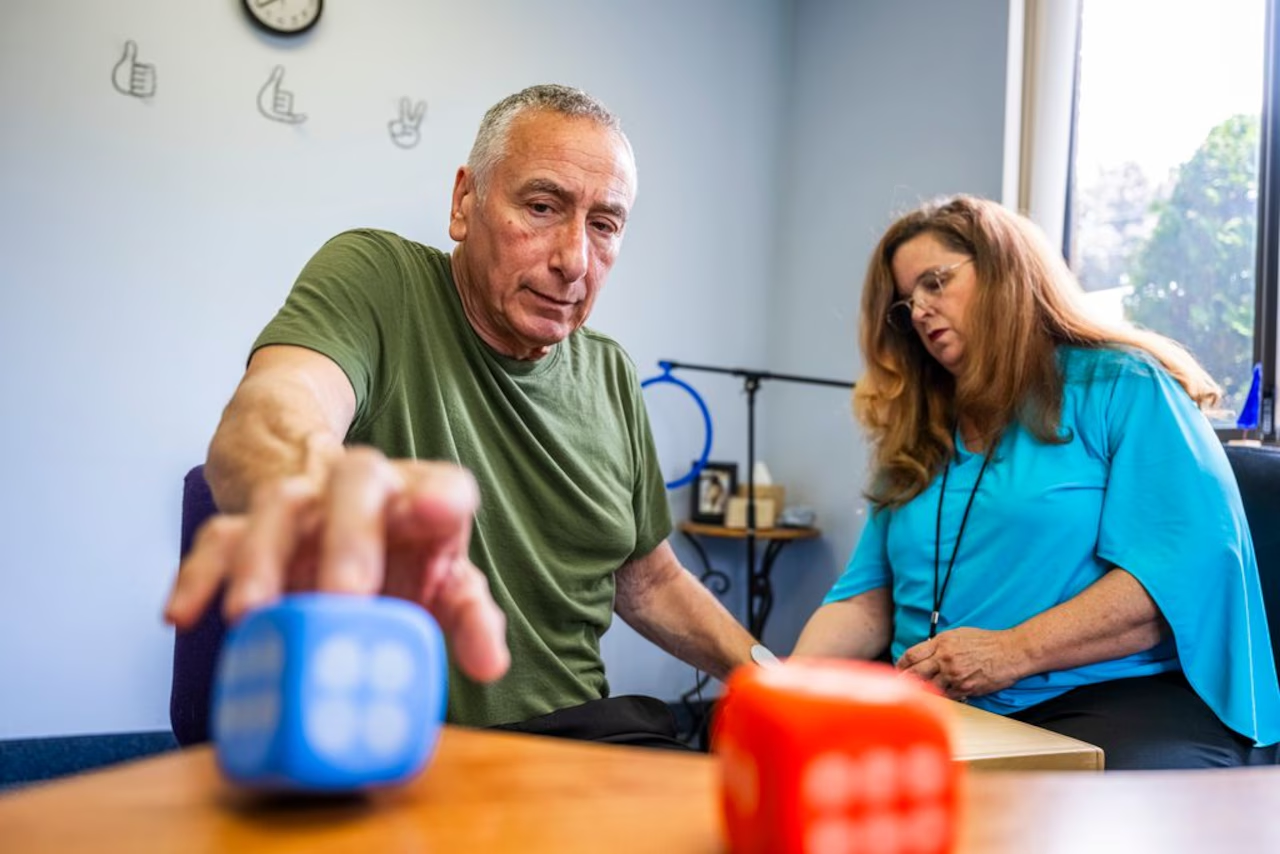
Tommy Fello, a Cleveland restaurant owner who suffered a stroke, became one of the first patients to receive the FDA-approved Vivistim System, a brain implant that stimulates the vagus nerve to help regain muscle function, showing promising improvements in his mobility and daily activities.
A new FDA-approved implant called the Vivistim System, which uses vagus nerve stimulation to enhance neuroplasticity, has shown promising results in improving arm and hand function in stroke survivors, with one patient, Tommy Fello, experiencing significant progress after receiving the device at the Cleveland Clinic.
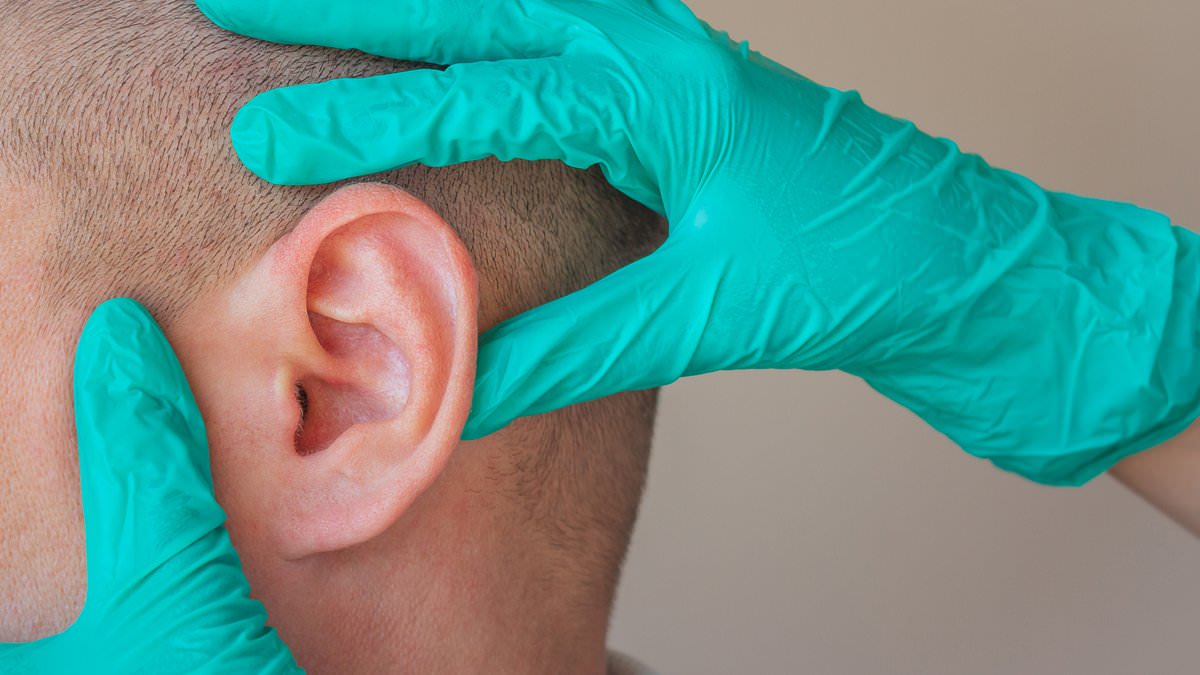
Ear tickling therapy involving the use of clips to zap the vagus nerve in the ear with a mild electric shock is being trialed in Russia as a potential non-invasive method to help obese individuals lose weight by curbing appetite. The trial, involving 150 obese participants, aims to determine the effectiveness of this approach without the use of drugs or surgery. The therapy targets the vagus nerve, which plays a role in controlling various bodily functions, and could offer a simpler alternative to existing weight loss treatments.
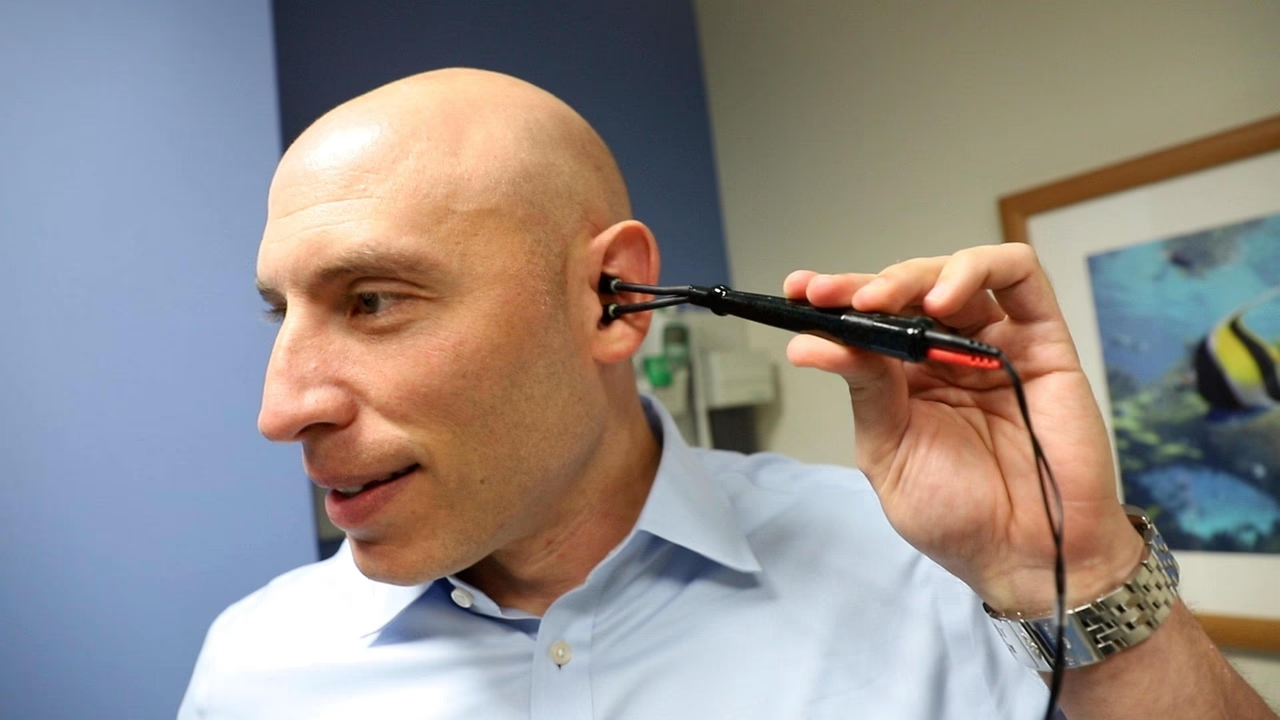
A study conducted by the Feinstein Institutes for Medical Research in Manhasset found that young people suffering from mild to moderate Crohn's disease or ulcerative colitis may experience reduced inflammation and symptom relief through noninvasive vagus nerve stimulation via the ear. Over 64% of participants experienced reduced inflammation, with about one-third of ulcerative colitis patients and half of Crohn's disease patients having no symptoms by the end of the 16-week study. The treatment, which involves placing a noninvasive probe in the ear, activates the vagus nerve and sends signals to the body to decrease inflammation. This non-medication-based therapy may be a promising alternative for children with gastrointestinal illnesses who are at risk of infections from immune-suppressive medications.