The FDA has expanded warnings on Pfizer and Moderna COVID-19 vaccines about a rare risk of myocarditis, especially in young males aged 12-24, with a rate of 8 cases per million doses in individuals aged 6 months to 64 years, amid ongoing debates over vaccine safety and policy.
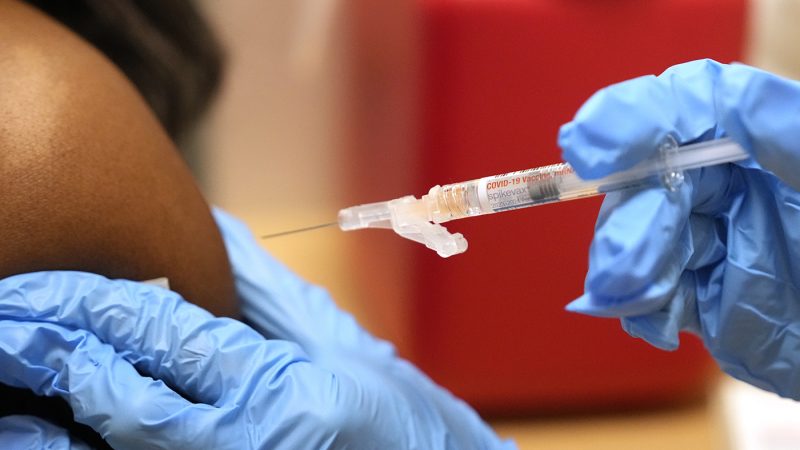
Independent reviewers found a causal link between the first mRNA COVID-19 vaccines and myocarditis, as well as shoulder injuries from intramuscular shots, but rejected causal relationships between the Pfizer-BioNTech and Moderna mRNA COVID vaccines and female infertility, Guillain-Barré syndrome, Bell's palsy, thrombosis with thrombocytopenia syndrome (TTS), and myocardial infarction. The report also noted insufficient data to establish a causal link between the Moderna vaccine and ischemic stroke. The study was commissioned by the Health Resources and Services Administration to address claims for compensation under its Countermeasures Injury Compensation Program.
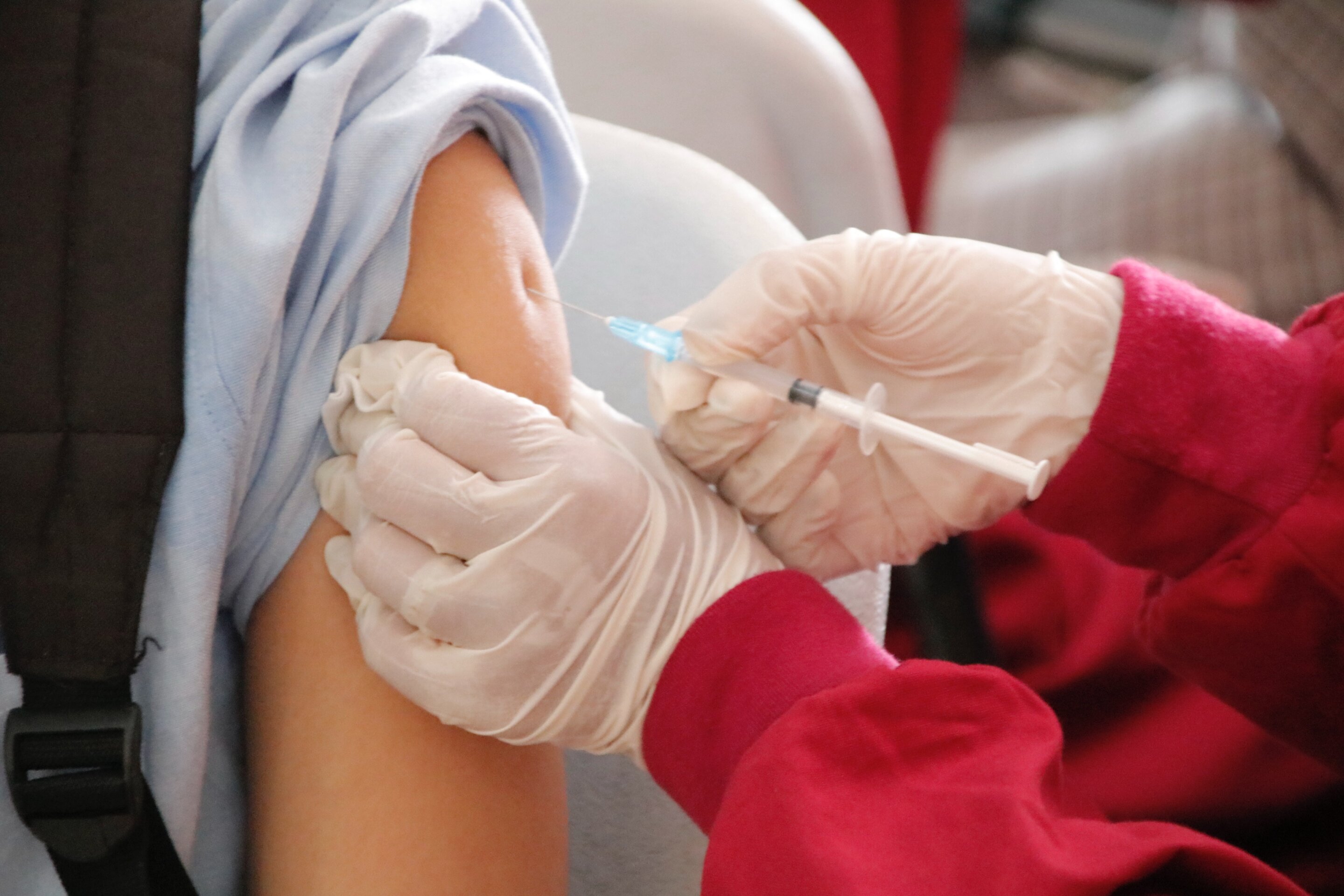
Arm pain after receiving vaccines is a common side effect caused by the vaccine entering the arm and triggering an immune response, resulting in temporary inflammation. Moving the arm can help with blood flow, but strenuous activities should be avoided. Over-the-counter pain relievers and cold compresses can also alleviate the pain and swelling. Some people may experience flu-like symptoms after getting vaccines, and there is no scientific explanation for why some individuals have more severe side effects than others. If symptoms persist for longer than a day or so, medical attention should be sought.
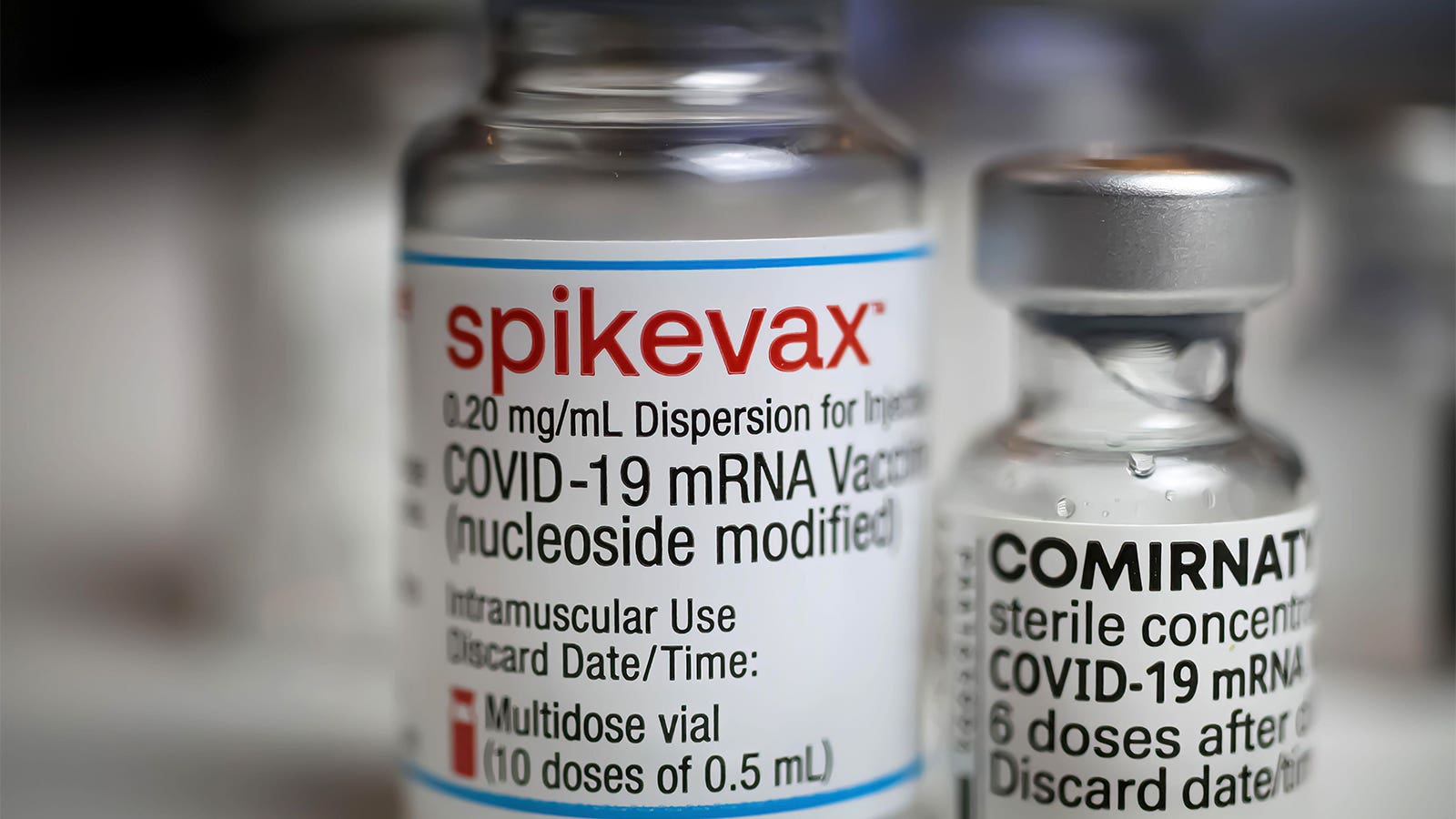
Research conducted by the Norwegian Institute of Public Health suggests that COVID-19 vaccines or the body's response to them may lead to unexpected vaginal bleeding in women across different reproductive stages. The study found that unexpected vaginal bleeding was reported in a significant percentage of postmenopausal, perimenopausal, and premenopausal women, with around half of the cases occurring within 28 days after vaccination. The study also suggests that the type of vaccine may influence the risk of vaginal bleeding, with the Spikevax (Moderna) vaccine associated with a higher risk compared to Comirnaty (Pfizer), particularly in premenopausal women. Further research and surveillance are needed to better understand and address this potential side effect.
The RSV vaccine, designed for adults aged 60 and older, has been approved for use in the U.S. to prevent respiratory syncytial virus (RSV) infections. Common side effects of the vaccine include pain, redness, swelling at the injection site, fatigue, fever, headache, nausea, diarrhea, and muscle or joint pain. Severe reactions, although rare, have been linked to neurological complications such as Guillain-Barré syndrome. However, experts emphasize that the vaccine is generally safe and recommend it for individuals with underlying health conditions. Those considering the vaccine should consult with their healthcare provider to assess their individual risk-benefit ratio.
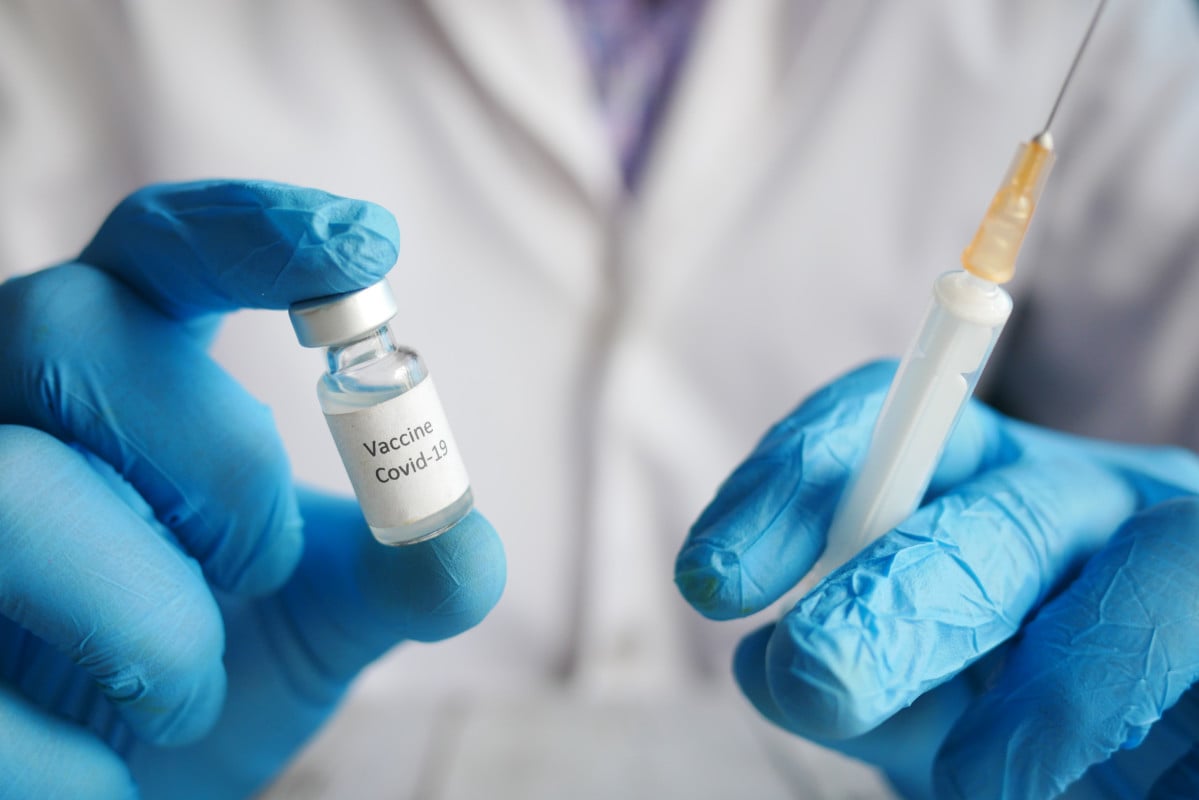
Immunologists recommend getting the new COVID-19 booster shot in addition to other protective measures like masking and ventilation, especially for high-risk individuals. The side effects of the booster shot are similar to previous COVID vaccines and may include fatigue, headache, joint pain, nausea, pain at the injection site, swollen lymph nodes, and mild muscle aches, chills, or low-grade fever. These side effects indicate that the immune system is responding to the vaccine. Most side effects subside within 24 to 48 hours. The benefits of the new vaccine outweigh the risks, as serious side effects are rare compared to the potential impacts of COVID infection. The updated vaccine is more effective against new variants and helps bolster immune protection during the upcoming holiday season. Managing side effects involves rest, over-the-counter pain medication, and consulting a doctor if symptoms persist.