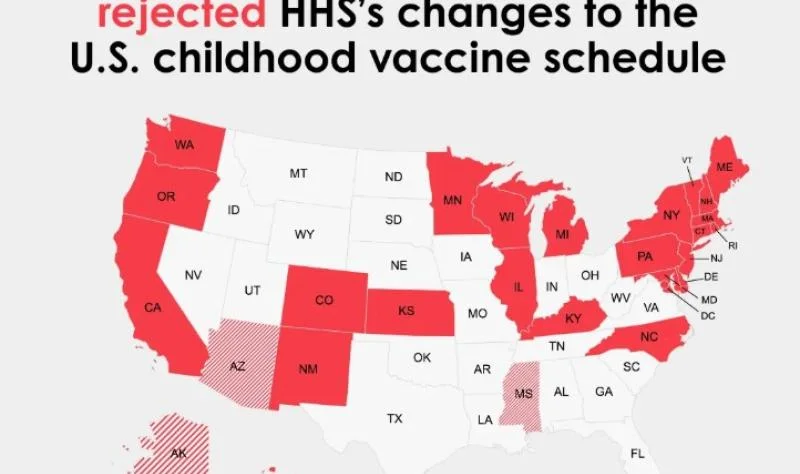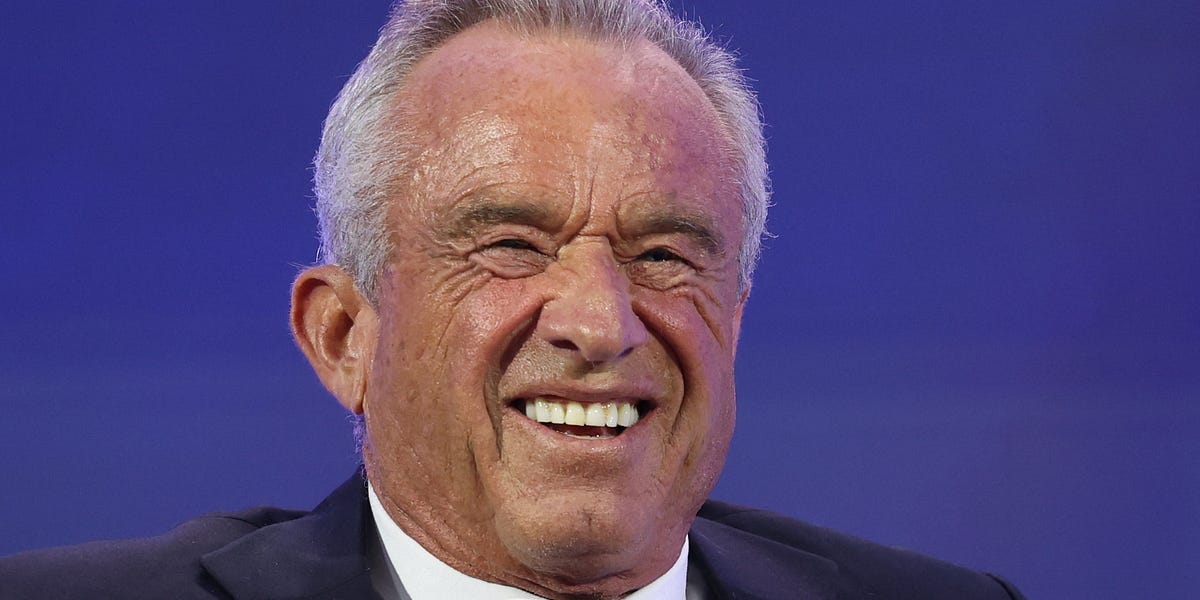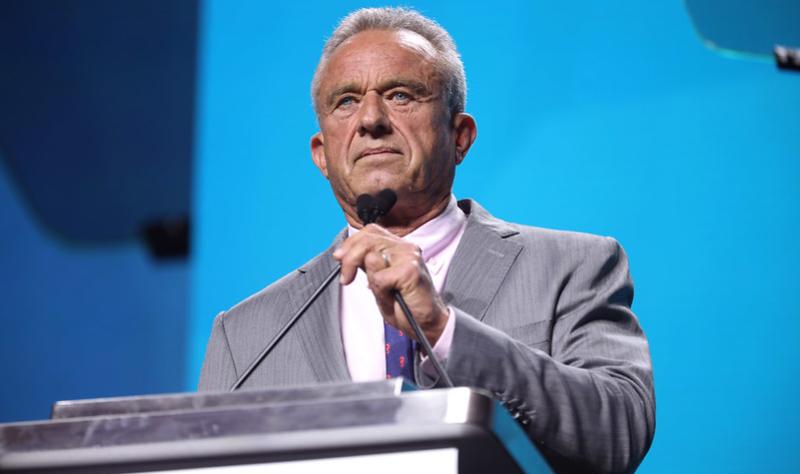
Robert F. Kennedy Jr. advocates for reducing the U.S. vaccine schedule to match Denmark's, citing concerns about vaccine safety and exposure to substances like aluminum. Although plans for a policy change were temporarily halted due to legal and political reasons, there is strong indication that Kennedy remains committed to this approach, influenced by Denmark's more limited vaccine recommendations and recent political support from figures like Donald Trump.
Robert F. Kennedy Jr. faces legal and procedural hurdles in his efforts to overhaul the US pediatric immunization schedule, as any unilateral policy change must follow the Administrative Procedure Act, involve proper deliberative processes, and could be challenged in court, especially given his recent actions and the established role of the CDC's advisory committee.
The Department of Health and Human Services has abruptly terminated millions of dollars in grants to the American Academy of Pediatrics, citing issues like language use and misalignment with priorities, amid ongoing conflicts over vaccine policies and criticisms of RFK Jr. The move impacts vital child health initiatives and follows the AAP's criticism of Kennedy's vaccine policy changes.
The Department of Health and Human Services has canceled seven grants to the American Academy of Pediatrics, citing misalignment with its priorities, amid ongoing legal and political conflicts over vaccine policies and public health guidance, potentially impacting pediatric health initiatives across the U.S.
The CDC’s vaccine advisory committee faces a crisis due to political influence and procedural irregularities, leading to potential destabilization of vaccine policies, public trust erosion, and risks to vaccine supply and safety, especially concerning the hepatitis B birth dose and vaccine messaging on autism. Immediate action is needed to reaffirm scientific integrity and restore public confidence.
The article discusses the upcoming ACIP meeting, which influences U.S. vaccine policies, insurance coverage, and public perception, highlighting the importance of understanding its decisions.
The CDC and the Trump administration are considering separating the combined MMR vaccine into individual shots amid a measles outbreak, but experts warn this would be costly, complicated, and potentially reduce vaccination rates, with no scientific evidence supporting the need for such a change.
Acting CDC director Jim O’Neill suggested separating the MMR vaccine into three individual shots, a move unsupported by research and opposed by experts, citing potential decreases in vaccination adherence and increased disease risk. The proposal echoes past discredited claims linking vaccines to autism and raises concerns about complicating vaccine schedules and manufacturing.
Six former U.S. surgeons general warn that HHS Secretary Robert F. Kennedy Jr.'s policies threaten the nation's health, criticizing his stance on vaccines and public health reforms, amid growing dissent from health officials and experts.
The CDC has adopted new COVID vaccine guidelines requiring individuals to consult a healthcare provider before vaccination, emphasizing informed consent and potentially reducing vaccine uptake and coverage, especially for children and routine immunizations, amid ongoing debates and policy changes.
A CDC vaccine advisory panel, appointed under RFK Jr., backed away from requiring prescriptions for COVID shots, instead recommending vaccination for adults 65+ and shared decision-making for others, amid controversy and concerns over vaccine safety and process integrity.
A US CDC advisory committee voted against recommending prescriptions for Covid vaccines, emphasizing individual decision-making and informed consent, amidst debates and divisions over vaccine safety and policy, which could impact vaccine access and coverage.
The article discusses conflicts within U.S. health agencies over vaccine policies, with Secretary Kennedy pushing for changes based on skepticism of vaccine safety, leading to disputes with officials like Monarez and Cassidy, and involving political and pharmaceutical interests.
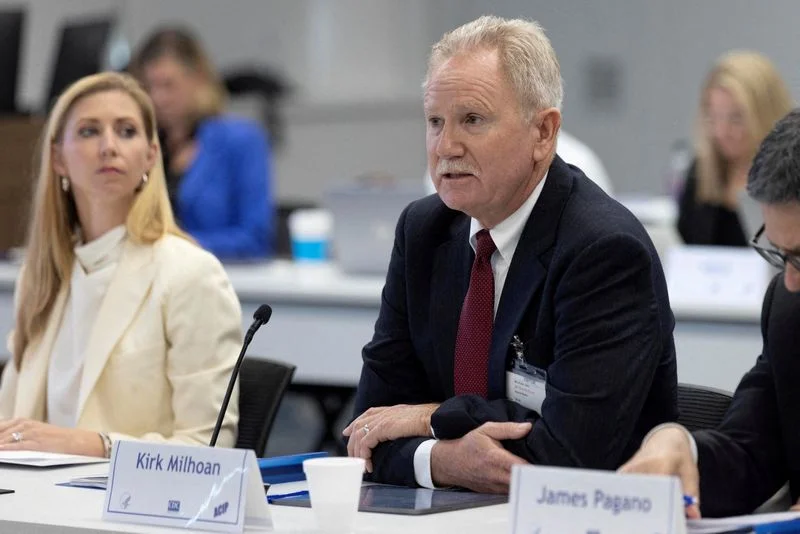
The CDC's vaccine advisory panel is debating potential changes to childhood vaccine recommendations, including the use of the MMRV vaccine, amid controversy over new leadership appointed by Health Secretary Robert F. Kennedy Jr., with debates focusing on vaccine safety, parental choice, and the politicization of vaccine policymaking.
Health Secretary Robert F. Kennedy Jr.'s appointed advisory panel is set to review and potentially limit access to key vaccines, raising concerns about the impact on public trust, immunization rates, and disease control, amid ongoing debates over vaccine safety and policy changes.