Tag

Us Treasury Market

All articles tagged with #us treasury market

finance2 years ago

SEC Implements New Clearing Rules, Overhauling US Treasury Market

The U.S. Securities and Exchange Commission (SEC) has adopted new rules aimed at reducing systemic risk in the $26 trillion U.S. Treasury market by requiring more trades to go through clearing houses. The reforms, which will be implemented in phases by June 2026, target hedge funds and proprietary trading firms that have become a larger part of the Treasury market but are relatively lightly regulated. The new rules broaden the scope of transactions that must be cleared and require clearing houses to ensure that their members clear cash Treasury trades. While advocates argue that clearing makes markets safer, critics say it adds costs that could reduce liquidity.

finance2 years ago

"Market Anticipation Builds as Bond Traders Await Crucial Jobs Report"

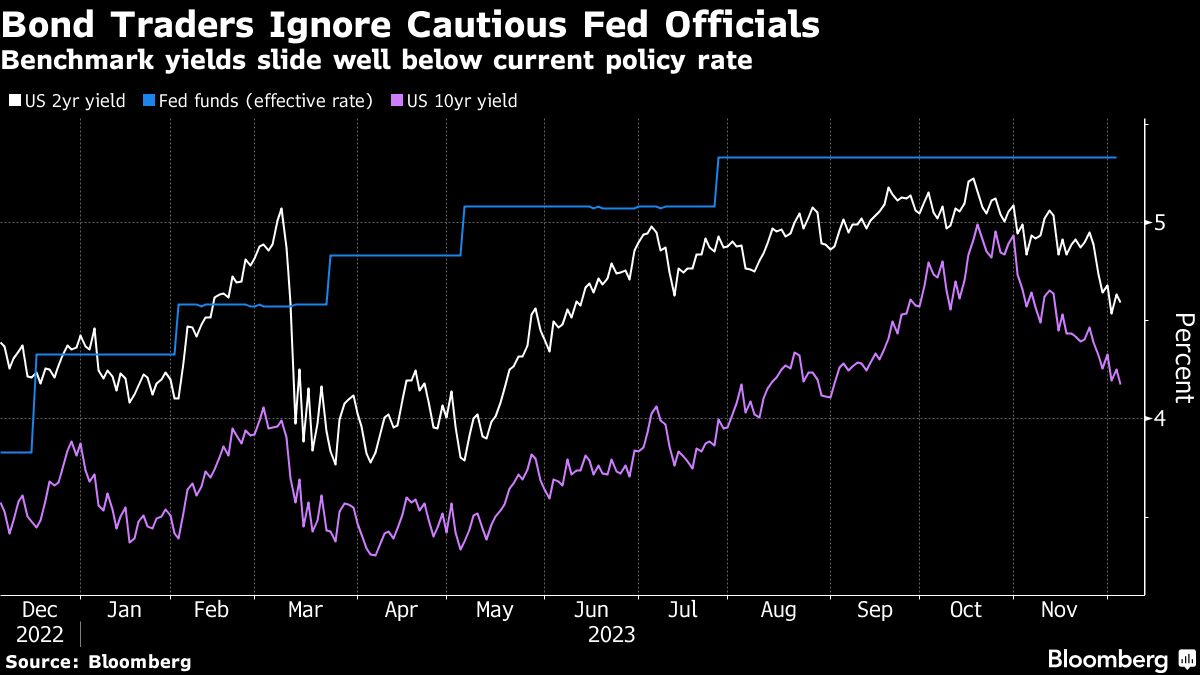
Bond traders in the US Treasury market, who have fueled a significant rally in recent months, are awaiting Friday's jobs report to determine if their optimism is justified. Softening inflation and employment data have led investors to believe that the Federal Reserve will cut interest rates by at least 1.25 percentage points over the next year. However, the Fed has cautioned against premature talk of rate cuts. The report is expected to show moderate employment and wage growth in November, but any surprises challenging the bullish narrative could lead to a market reversal.

cybersecurity2 years ago

ICBC's Ransom Payment Resolves US Treasury Market Hack

The Industrial and Commercial Bank of China (ICBC), the country's largest lender, reportedly paid a ransom after being hacked by the Lockbit ransomware gang, according to a representative. The ransomware attack disrupted trades in the US Treasury market and left ICBC's US broker-dealer owing BNY Mellon $9 billion. The hack raised concerns about the resiliency of the Treasury market and is likely to draw regulatory scrutiny. Lockbit has become the world's top ransomware threat, targeting numerous organizations, and some victims have quietly paid to regain access to their systems and avoid reputational damage.

cybersecurity2 years ago

"Ransomware Attack on China's ICBC Sends Shockwaves Through Global Financial Markets"

The US unit of China's Industrial and Commercial Bank of China (ICBC) experienced a ransomware attack that disrupted its systems, potentially impacting liquidity in the US Treasuries market and contributing to a brief market sell-off. ICBC Financial Services, headquartered in New York, reported the attack to law enforcement and is investigating the incident. The bank stated that it successfully cleared US Treasury trades executed on Wednesday and repurchase agreements financing trades done on Thursday. While the incident did not affect ICBC's head office or other units, global financial regulators are assessing the fallout. China is a major player in the Treasuries market, holding $805.4 billion worth of Treasury securities as of August. Ransomware attacks have become a national and economic security concern for the Biden administration.

cybersecurity2 years ago

Cybersecurity Breach at ICBC Disrupts US Treasury Market Trades

Industrial and Commercial Bank of China (ICBC) experienced a ransomware attack that disrupted some trades in the U.S. Treasury market, according to the Treasury Department. The attack, which paralyzed ICBC's computer systems, prevented the settlement of trades on behalf of other market players. The identity of the hackers behind the attack remains unknown. ICBC is in the process of restoring services, and the Treasury market appeared to be functioning normally.

finance2 years ago

"Vice Chair Jefferson's Keynote Address at Central Bank Conference on Financial Market Microstructure"

Vice Chair Jefferson welcomes attendees to the 18th Central Bank Conference on the Microstructure of Financial Markets, emphasizing the importance of well-functioning financial markets for the economy. He highlights the need for effective and efficient markets that aggregate and reflect information accurately, remain deep and resilient during economic stress, and are fair to all participants. Jefferson discusses the significance of understanding the microstructure of financial markets, particularly in the context of the U.S. Treasury market, which has undergone significant changes and experienced episodes of stress. He mentions ongoing interagency efforts to enhance the resilience and transparency of the Treasury market and emphasizes the relevance of market microstructure research in addressing key questions and improving market functioning.

finance2 years ago

"Bond Vigilantes Target US Treasury Market Amidst Turmoil"

Rising concerns over U.S. government spending and the growing budget deficit have led to a steep sell-off in the Treasury market, pushing prices to 17-year lows. Bond vigilantes, investors who punish governments by selling their bonds, are making a comeback as worries about increased deficit spending and debt issuance weigh on investor sentiment. The Federal Reserve's hawkish interest rate projections and anticipation of rising government spending have contributed to the selloff. The U.S. deficit is projected to rise to 6.3% of GDP this year, and Treasury auction sizes are expected to increase by 23% in 2024. While some believe bond vigilantes will have a significant impact, others argue that the Fed's influence and concerns over interest rates are the primary drivers of the selloff.

finance2 years ago

Investors Flock to Treasury Market Amid Surging Yields

U.S. households have significantly increased their holdings in the U.S. Treasury market, reaching about $2.5 trillion from less than $1 trillion since the Federal Reserve began raising rates in 2022. This surge in ownership is the highest level in the past 25 years. The recent rise in the 10-year Treasury yield to almost 4.5%, the highest since 2007, has attracted households and real money investors. However, the increase in yields has led to a sell-off in rate-sensitive sectors and technology stocks, causing sharp weekly losses in the stock market. Higher borrowing costs are also impacting consumers and major corporations with maturing debt. The bond market has seen gains erased by rising yields, with negative returns for the year.

finance2 years ago

Historic Shifts in the U.S. Treasury Market: From Losses to Credibility

The 10-year Treasury bond is set to experience its third consecutive year of losses in 2023, marking a historic event that has never occurred in 250 years of U.S. history. Bank of America strategists attribute this to a 40% surge in U.S. nominal GDP growth since the COVID-19 lows of 2020. Bond returns have been negatively impacted by the Federal Reserve's interest rate hikes aimed at controlling inflation. While the stock market has performed better this year, the rally has been concentrated in U.S. stocks, particularly in the technology sector, with global market breadth at its lowest since 2003.

finance2 years ago

Investor-Position Divergence Widens in Treasury Market

Asset managers and hedge funds are taking opposing positions in the U.S. Treasury market, with hedge funds extending short positions while asset managers are going long. This divergence in views has contributed to the volatility of the 10-year Treasury yield. Hedge funds are betting against government debt, expressing confidence in the U.S. economic outlook, while asset managers are buying Treasurys to take advantage of current yields. The short positions of hedge funds may face challenges as the economy slows down, potentially injecting further volatility into the market. Data shows that asset managers' net positioning in long-term Treasury derivatives is at an all-time high, coinciding with buy signals from JP Morgan, Goldman Sachs, and Morgan Stanley.

finance2 years ago

The Fragile Future of the US Dollar as Global Reserve Currency

The dollar's status as the world's dominant currency is under scrutiny due to rivalry with China, fallout from Russia's war in Ukraine, and wrangling in Washington over the US debt ceiling. The dollar share of official FX reserves fell to a 20-year low of 58% in Q4 2022, according to IMF data. However, de-dollarisation would require a vast and complex network of exporters, importers, currency traders, debt issuers, and lenders to independently decide to use other currencies, making it unlikely. While there may not be a single dollar successor, mushrooming alternatives could create a multipolar world. The dollar's status is underpinned by the $23 trillion US Treasury market, viewed as a safe haven for money.