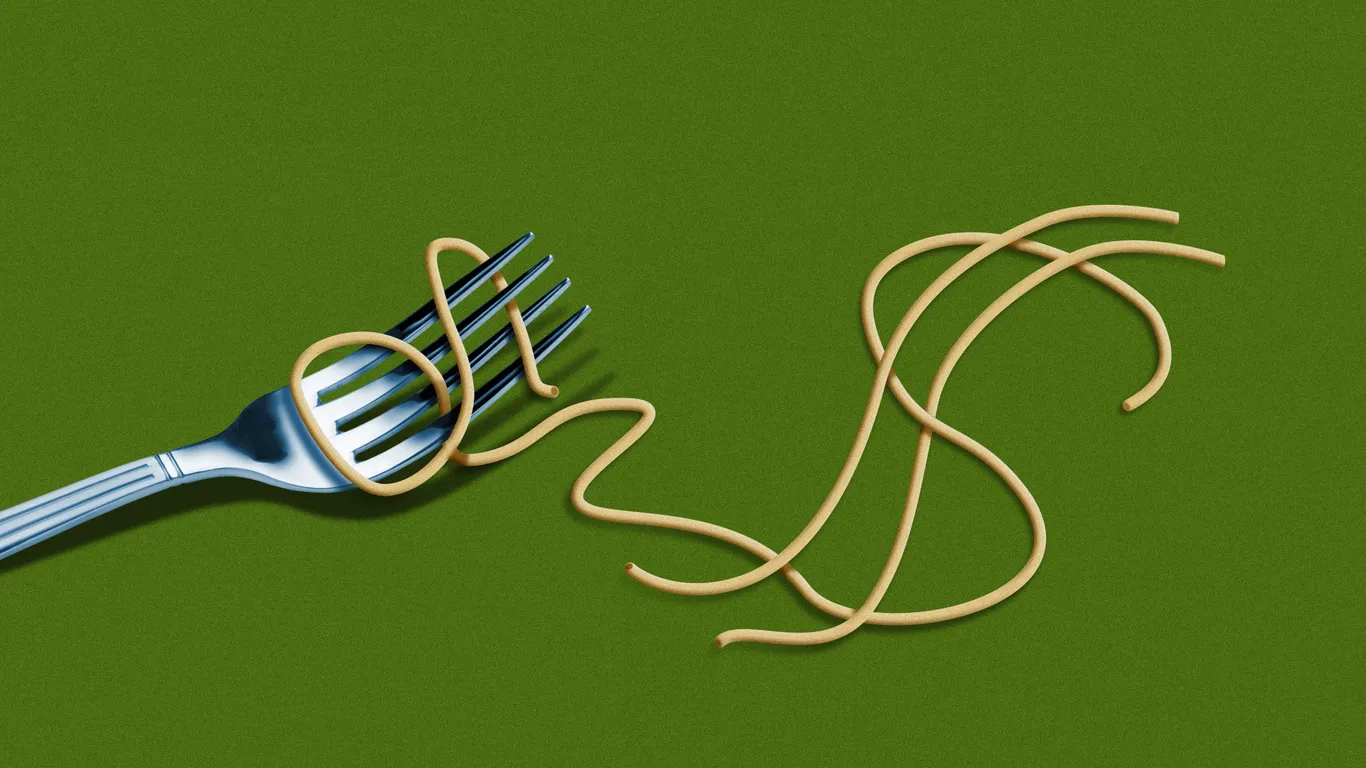
The US is reducing proposed tariffs on Italian pasta from potentially over 100% to between 24% and 29%, easing pressure on consumers and reflecting a softer stance in trade disputes with Italy amid political and economic considerations.
The article details the implementation of various tariffs and trade measures by the U.S., including a 10% baseline reciprocal tariff effective April 5, 2025, potential increases to 15-20%, a 40% transshipment penalty, and threatened additional tariffs on digital services taxes and specific country imports like Russian and Venezuelan oil. Several countries have specific rates or exemptions, with ongoing investigations into digital taxes.
U.S. President Donald Trump announced that Nvidia will not be allowed to sell its most advanced AI chips, the Blackwell series, to China, although the company can still deal with Beijing on other levels. Trump emphasized that only the U.S. will have access to these chips, amidst ongoing trade negotiations and a recent trade deal between the U.S. and China. The interview also covered topics like tariffs, the Israel ceasefire, and the Russia-Ukraine conflict.
President Trump's plan to allow Argentina to significantly increase beef exports to the US has caused concern among US ranchers and market instability, with critics warning it could harm domestic producers and the environment, while Argentina benefits economically.
President Trump finalized trade agreements with two Southeast Asian countries, covering about 68% of US trade with ASEAN, involving tariff reductions and market access reforms, with ongoing negotiations with Vietnam to finalize details amid concerns about China.
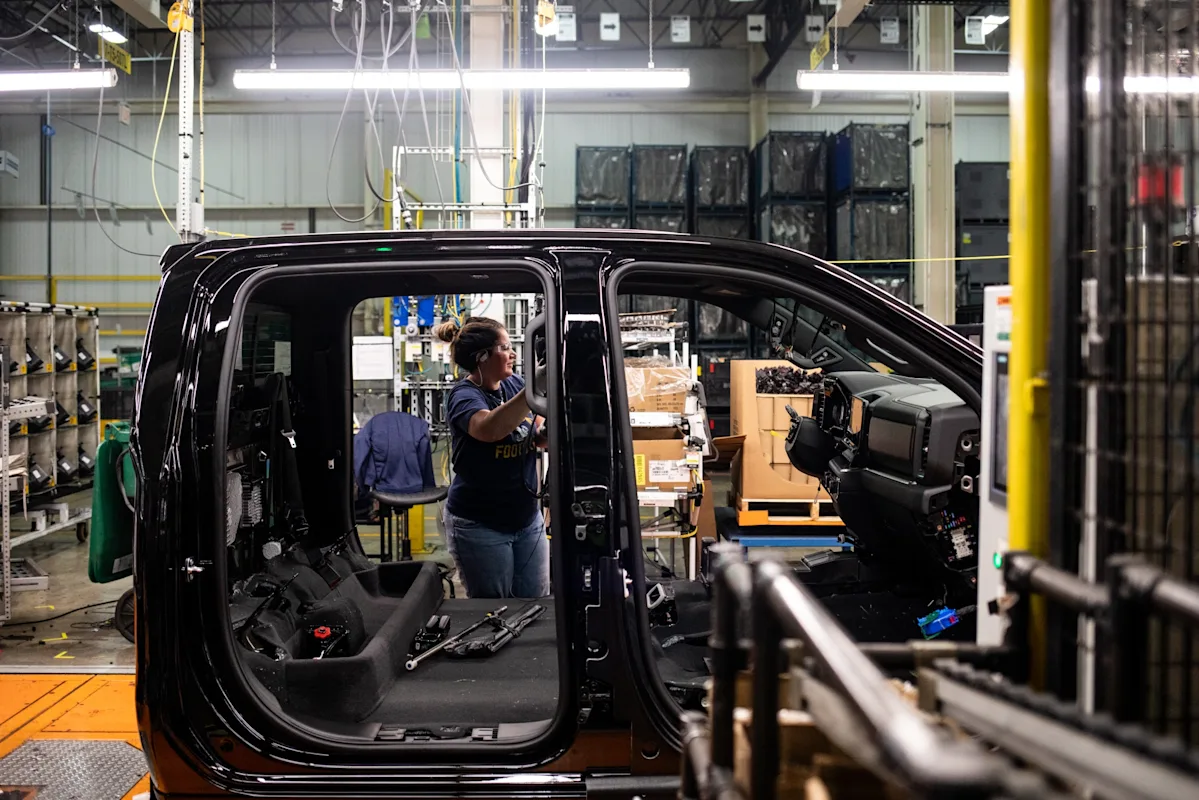
The White House is expected to extend a five-year tariff reduction arrangement for auto parts, following lobbying from automakers like Ford and GM, which aims to mitigate the impact of record-level import duties and includes new tariffs on imported trucks.
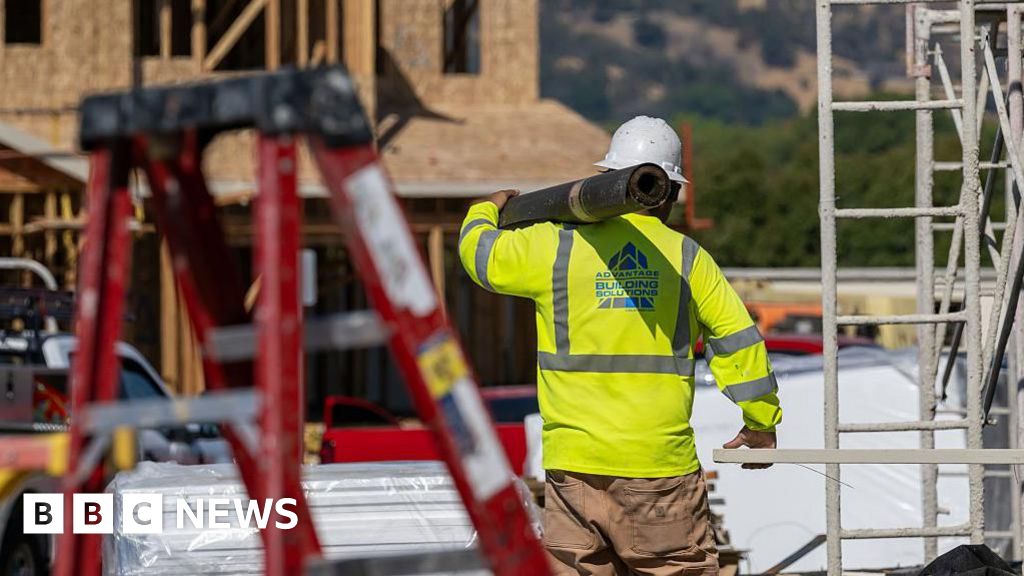
New US tariffs on imported kitchen cabinets, timber, and furniture have taken effect, with tariffs ranging from 10% to 50%, aimed at protecting domestic manufacturing but raising concerns about increased housing and renovation costs.
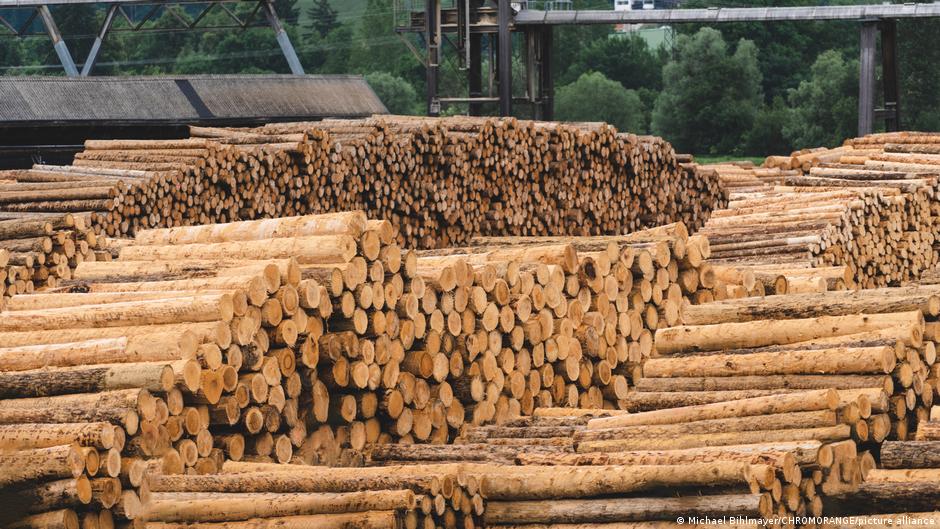
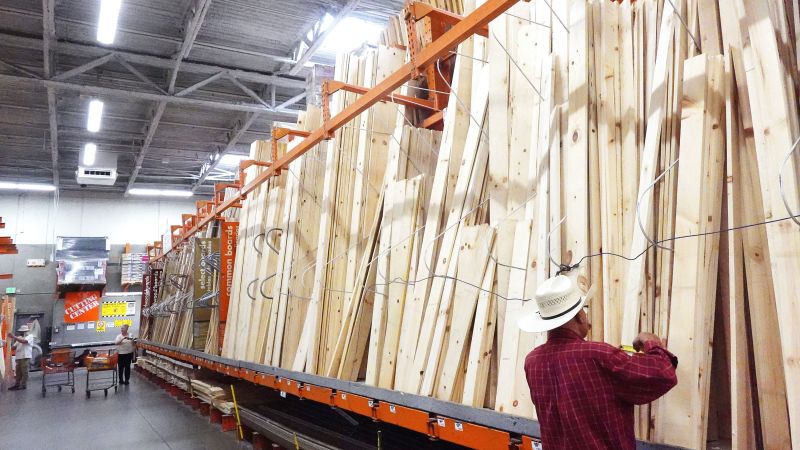
New tariffs on softwood lumber, furniture, and kitchen cabinets have been implemented by the US under President Trump, aiming to boost domestic industries and national security, but likely increasing homebuilding costs and impacting major exporters like Canada, Vietnam, Mexico, and China.
President Trump announced new tariffs on imported lumber (10%) and wooden furniture (25%), with plans to increase these rates in January, citing national security and support for domestic industries, though industry experts warn these tariffs could raise costs and impact housing affordability.
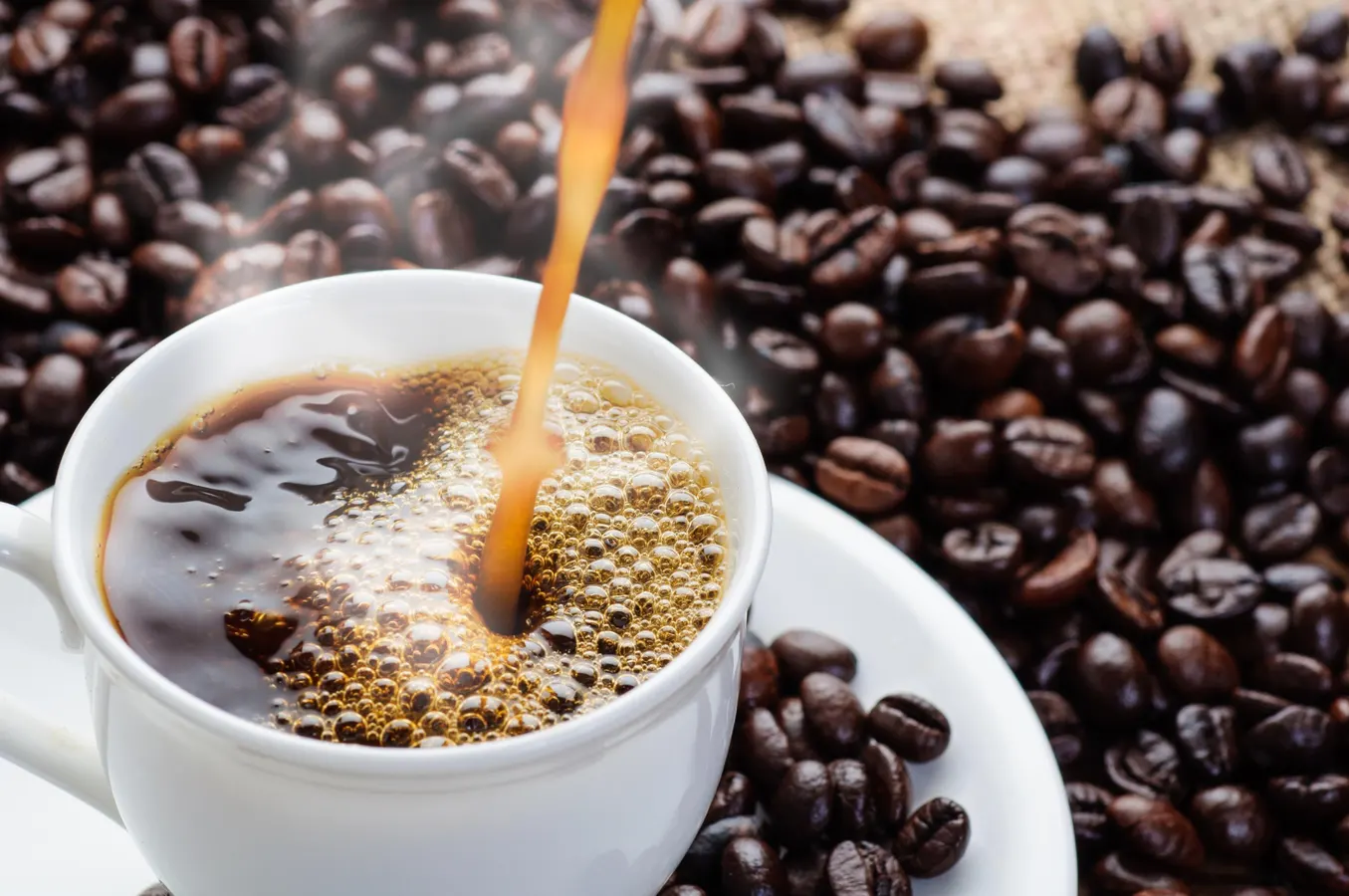
Rising coffee prices in the US, driven by tariffs on imports from Brazil and Vietnam, have prompted bipartisan efforts in Congress to repeal these tariffs, which are increasing costs for consumers. The tariffs, part of broader trade disputes and challenged in court, highlight the US's inability to produce enough coffee domestically, making the issue a significant economic and political concern.
U.S. President Donald Trump announced that further details on upcoming tariffs for furniture imports, including up to 50% on kitchen cabinets and 30% on upholstered furniture, will be revealed soon, following initial announcements that could impact prices and supply chains.
President Trump announced new 100% tariffs on branded or patented pharmaceutical imports to the US starting October 2025, with exemptions for generics and companies building US factories. The move aims to boost domestic drug production but could increase costs, disrupt supply chains, and impact global trade, especially for EU and Asian exporters. US consumers are likely to face higher drug prices, and the overall industry may see significant shifts depending on how the exemptions are implemented.
President Donald Trump announced new steep tariffs on pharmaceuticals, trucks, and furniture, signaling a revival of the US trade war with measures including a 100% tariff on branded pharmaceuticals unless manufacturing is moved to the US, a 25% tariff on heavy trucks, and a 30% tariff on furniture, citing national security and market flooding concerns.
US President Donald Trump announced sweeping tariffs on pharmaceuticals, trucks, and home furnishings, including a 100% tariff on branded pharmaceuticals unless manufactured in the US, a 25% tariff on heavy trucks, and tariffs on kitchen cabinets and furniture, intensifying his trade war and protectionist efforts.
President Trump announced a 100% tariff on branded and patented pharmaceutical products imported into the US starting October 1, with exemptions for companies building manufacturing plants in the US that have already begun construction. The move is part of broader trade measures including tariffs on trucks and home goods, and follows investigations into imports of machinery and medical devices, aiming to bolster domestic manufacturing and national security.