The US trade deficit decreased to its lowest level since 2009 in October 2022, indicating a significant improvement in the trade balance and potentially reflecting changes in global trade dynamics or domestic economic conditions.
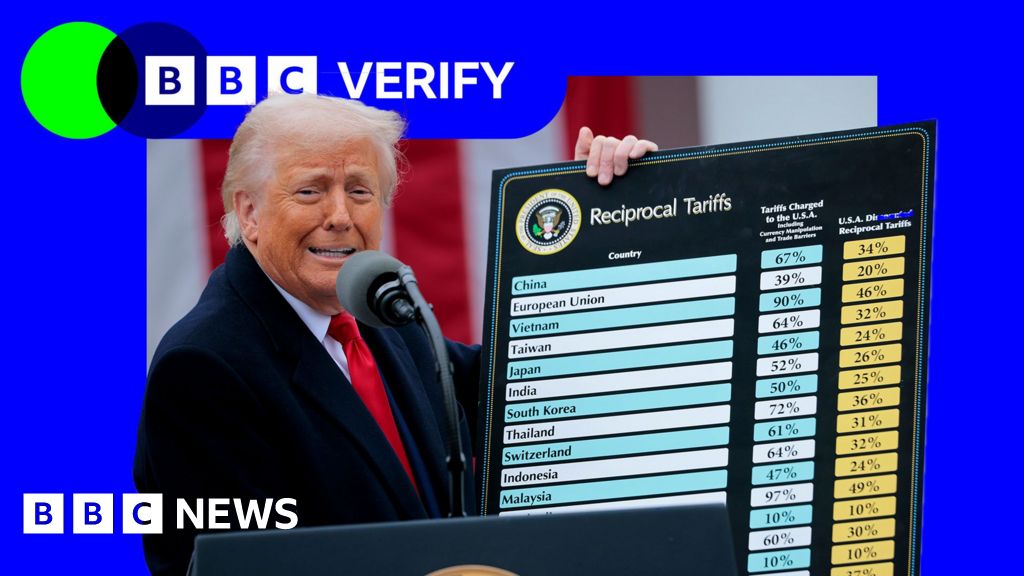
Swiss businesses are facing a 39% tariff in the US, which threatens to severely impact exports and has led to urgent government negotiations to reduce tariffs amid fears of economic damage and industry layoffs.
Since Trump's return to the White House, US tariffs have increased significantly, boosting government revenue but widening the trade deficit and raising consumer prices, while impacting global trade dynamics and China's export patterns.
The US dollar has fallen over 10% in six months, the steepest decline since 1973, due to weakening US economic prospects and global investor shifts, which could lead to higher import costs, inflation, and reduced foreign investment in US assets, potentially creating a 'doom loop' of further dollar weakness and economic challenges.
President Trump announced a new trade deal with Vietnam that includes a 20% tariff on Vietnamese exports and a promise of zero tariffs on US exports to Vietnam, aiming to address trade imbalances and circumvent Chinese tariffs, with Vietnam facing a potential 46% reciprocal tariff previously.
The US merchandise trade deficit widened unexpectedly in May due to a 5.2% drop in exports, the largest since the pandemic's start, while imports remained stable, potentially reducing trade's positive contribution to second-quarter GDP and reflecting ongoing impacts of tariffs and global economic shifts.
The U.S. trade deficit in goods and services rose to $84.4 billion in September 2024, a 19.2% increase from August. Exports decreased by 1.2% to $267.9 billion, while imports increased by 3.0% to $352.3 billion. The goods deficit grew by $14.2 billion, while the services surplus increased by $0.6 billion. Year-to-date, the trade deficit has risen by 11.8% compared to 2023, with exports up 3.7% and imports up 5.3%. The next report is scheduled for December 5, 2024.
The Atlanta Fed's GDPNow forecast for Q2 2024 dropped from 3.5% to 2.7% due to a significant increase in the US trade deficit and weakening economic data, suggesting potential recession risks.
The US trade deficit widened to $68.9 billion in February, the largest since April 2023, with imports surpassing exports by more than expected. The trade gap on goods increased to $91.4 billion, while the export surplus on services decreased to $22.5 billion. Despite discussions about supply disruptions and trade policy, analysts note that supply chains have mostly resolved, with the Federal Reserve's global supply chain pressure index indicating little stress on trade flows. Frustration among Republicans has been brewing over the decline in agricultural exports, with soybean, wheat, and dairy product exports showing significant drops in February.
The US trade deficit narrowed by nearly 19% in 2023, the most since 2009, as the value of imported goods decreased and the services surplus grew. This was driven by a decline in the value of imports and an increase in exports of goods and services. The narrowing of the trade gap was the first in four years and contributed to economic growth, with net exports adding to gross domestic product for seven consecutive quarters. The US merchandise deficit with China shrank by 27%, reaching its smallest level since 2010, while trade shortfalls with other countries, including Mexico, reached record highs.
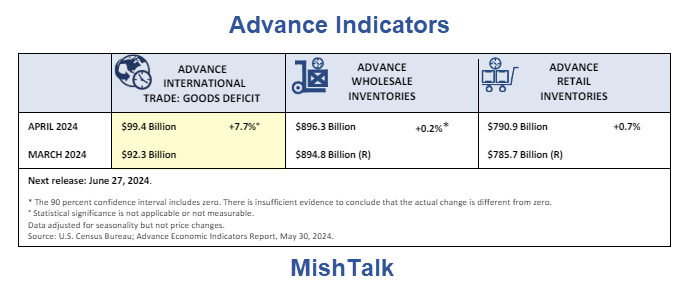
The US trade deficit widened by 23% to $74.6bn in April, the biggest increase in eight years, as imports of goods rebounded while exports of energy products declined. Economists expect that trade could chop off as much as 2.5 percentage points from gross domestic product this quarter, unless imports reversed course, a tall order given the persistent strength in domestic demand. A strong dollar and slowing global demand could curb exports.
The US trade deficit rose 23% to $74.6bn in April, a six-month high, due to an increase in imports such as cell phones and foreign autos. Exports fell 3.6%. Larger deficits subtract from GDP, and the trade deficit has had an unusually large impact on the US economy since last year. The key trend in trade since last fall has been a broad decline in imports from a record high. The increase in imports in April is unlikely to lead to a sustained reversal in those trends.