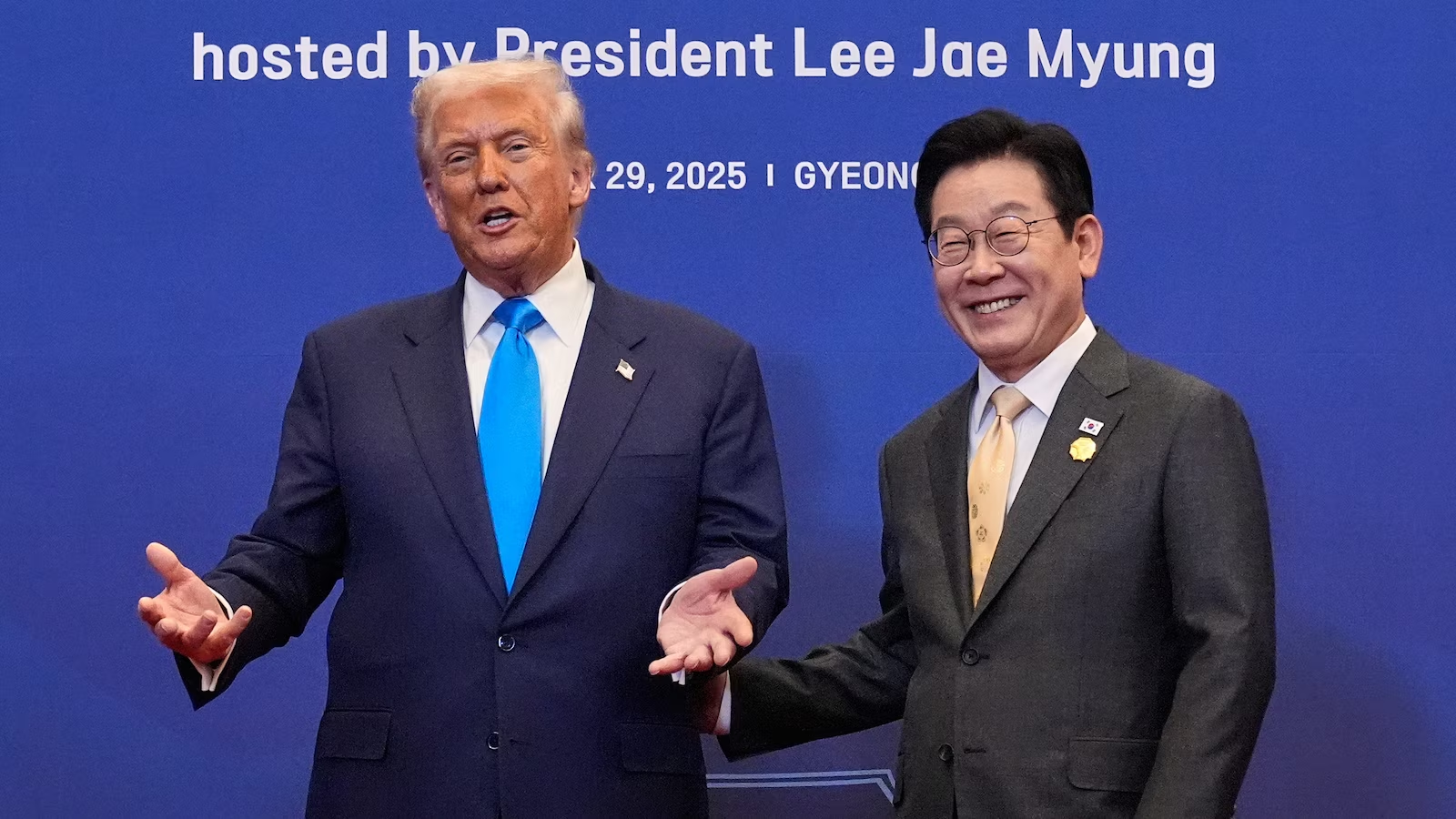
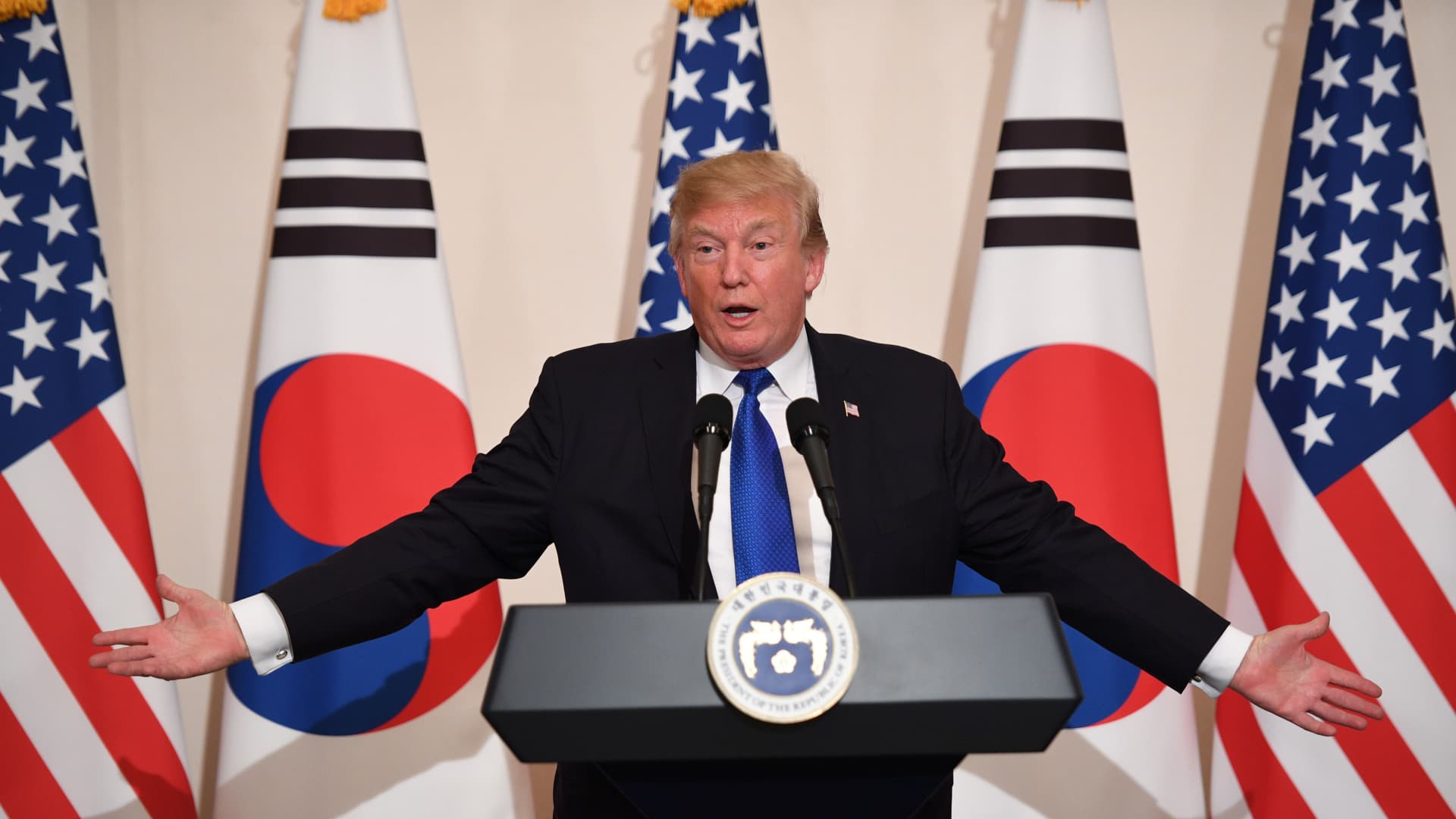
President Trump approved South Korea's building of a nuclear-powered submarine, with construction to occur in the US, as part of a broader trade and economic agreement including significant investments and tariff adjustments between the US and South Korea.
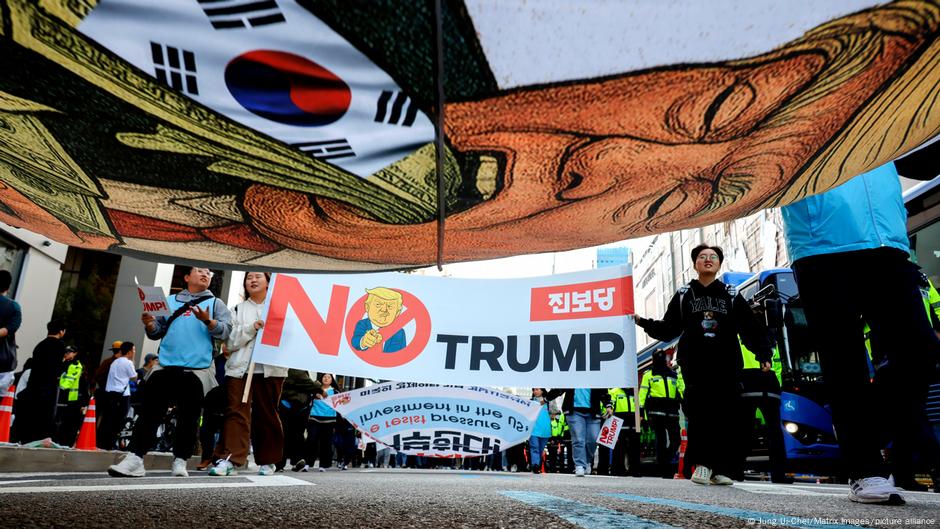
US President Donald Trump is visiting South Korea with aims to secure a $350 billion investment package and meet North Korean leader Kim Jong Un, but faces challenges due to South Korea's resistance to Trump's demands and regional tensions. The visit highlights strained US-South Korea relations, economic disagreements, and ongoing security concerns in Northeast Asia.
Federal authorities conducted an immigration raid on a Hyundai construction site in Georgia, arresting nearly 500 workers, amid President Trump's efforts to enforce immigration laws and promote American manufacturing, which has caused tensions with South Korea and raised concerns about the impact on US-South Korea trade relations and the labor market.
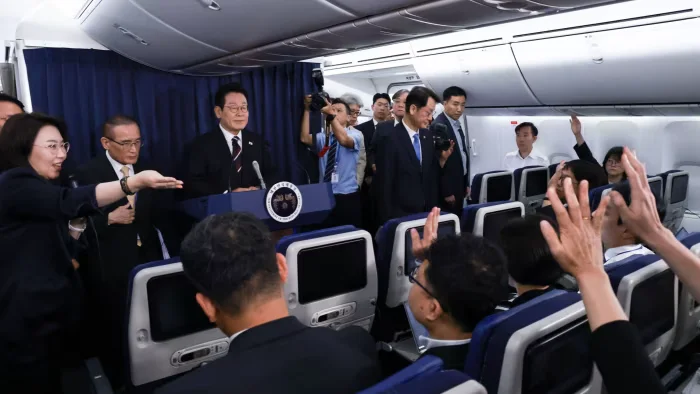
South Korea is shocked and confused after the detention of hundreds of its workers during a US immigration raid at a Hyundai plant in Georgia, leading to diplomatic tensions and concerns over future investments and visa policies. The US has agreed to release the workers and return them on a charter flight, but the incident has sparked criticism from South Korean officials and experts about US immigration enforcement and its impact on bilateral relations.
Former President Trump discussed potential future meetings with Kim Jong Un, commented on recent raids in South Korea linked to the Unification Church, and mentioned possible renegotiation of a trade deal with South Korea, emphasizing strong US-South Korea relations and cooperation on natural gas exports.
Donald Trump criticized South Korea's president Lee Jae Myung ahead of trade talks, citing political turmoil and alleged government raids, as the US and South Korea prepare to discuss trade agreements and military cooperation amid tense diplomatic relations.
The US and South Korea have reached a comprehensive trade agreement, reducing tariffs on South Korean exports to the US from 25% to 15%, with South Korea committing to invest $350 billion in the US, primarily in industries like shipbuilding and semiconductors, and agreeing to purchase $100 billion worth of energy products from the US, aiming to strengthen economic and industrial ties.
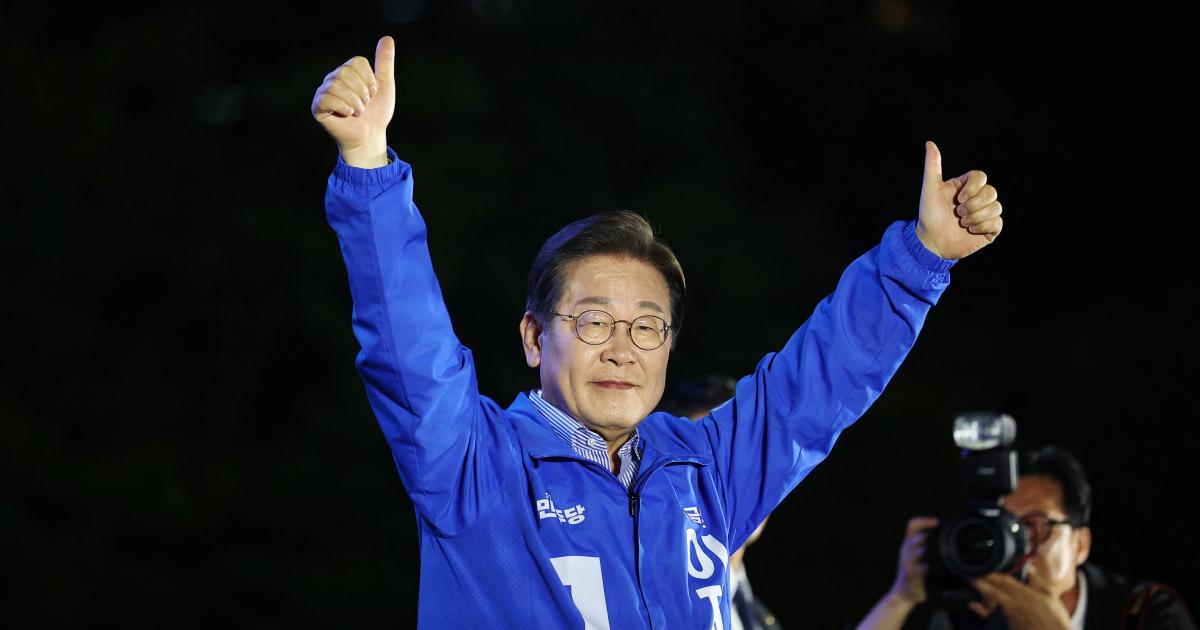
South Korea's new President Lee Jae-myung, elected after a political vacuum, aims to improve relations with North Korea through pragmatic diplomacy, less hawkish policies, and economic cooperation, potentially fostering peace on the Korean Peninsula amid changing regional dynamics and the return of Trump to the US presidency.
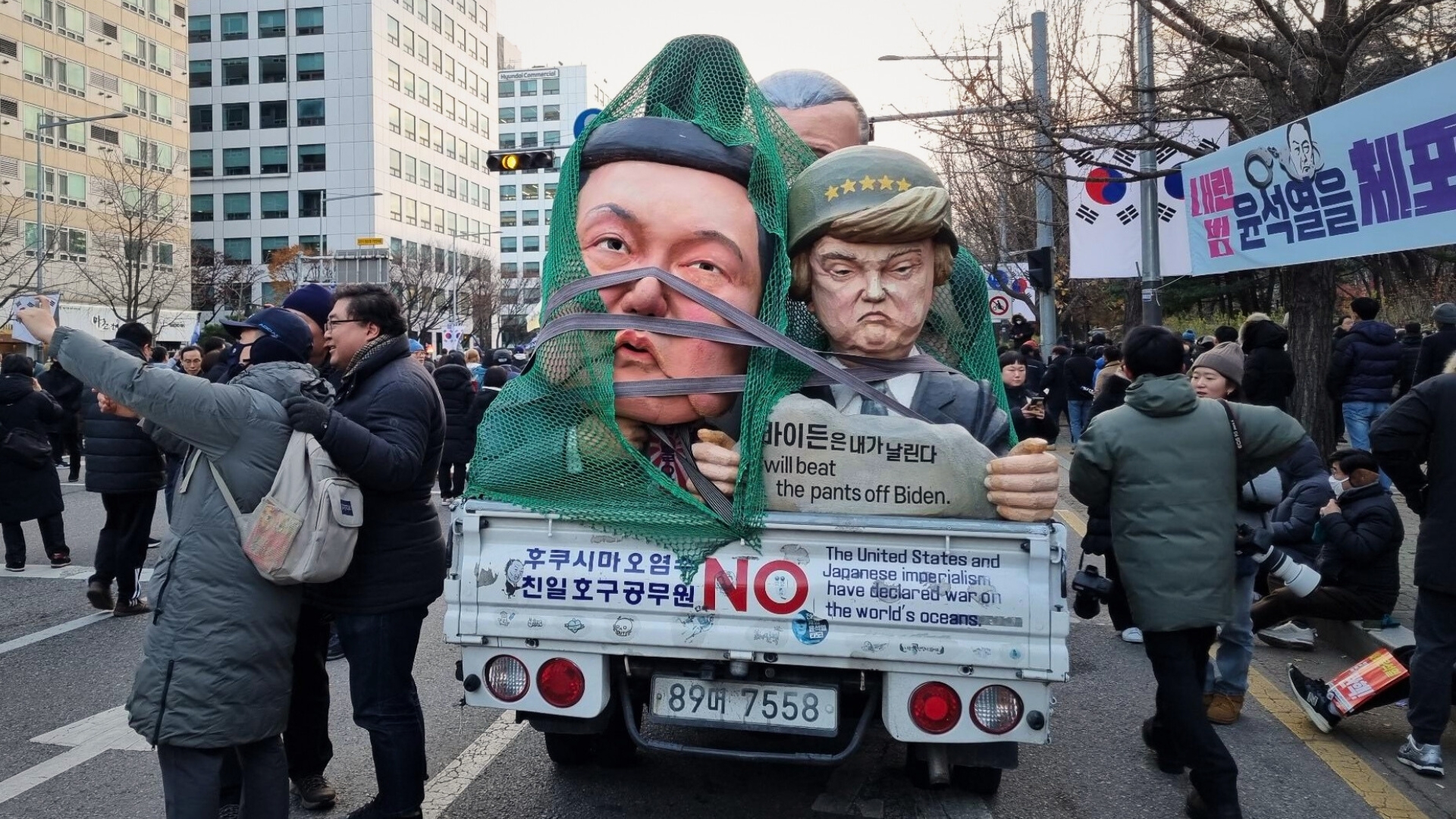
South Korean President Yoon Suk-yeol's brief declaration of martial law has severely damaged the country's international reputation as a stable democracy and reliable security partner. The incident has jeopardized South Korea's ambitions to play a larger role in US nuclear policy and strained its trilateral cooperation with the US and Japan. Allegations that Yoon's administration provoked North Korea to justify martial law have further complicated the situation, raising doubts about South Korea's trustworthiness as an ally. The fallout from this crisis is expected to have long-lasting impacts on South Korea's security and diplomatic standing.
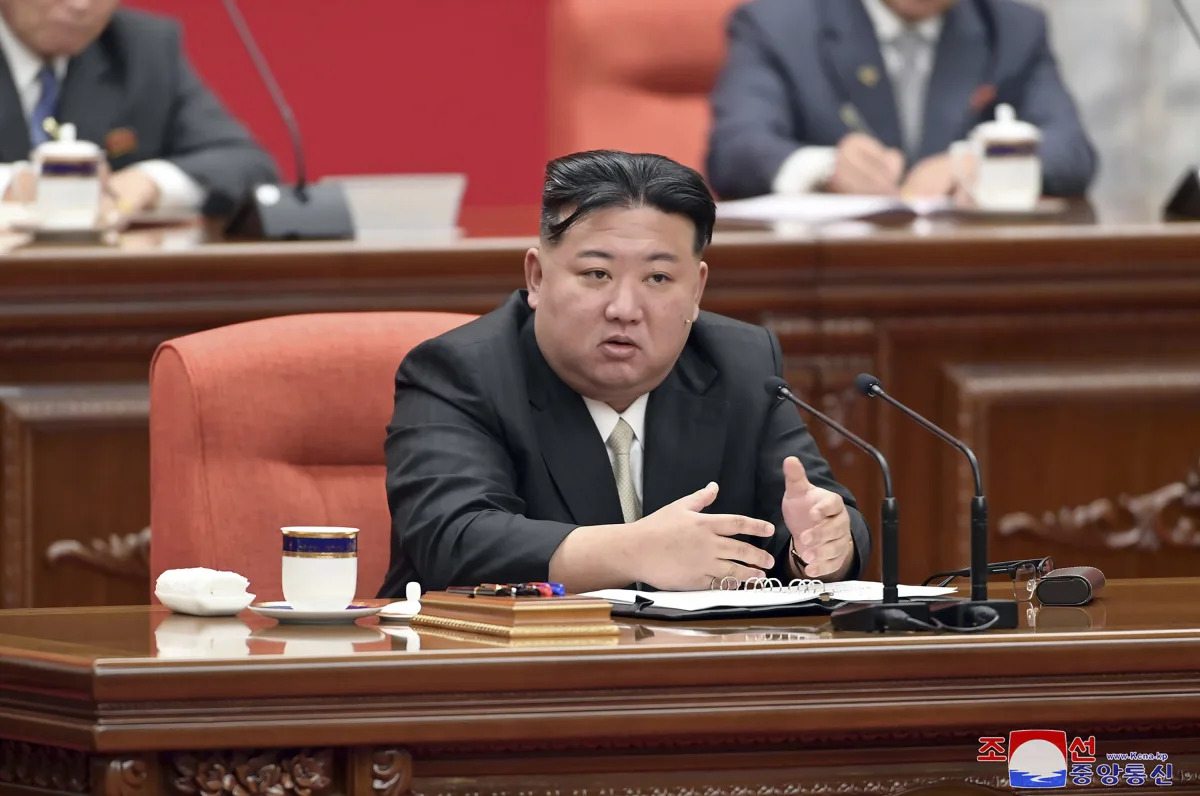
North Korean leader Kim Jong Un has instructed his military to "thoroughly annihilate" the US and South Korea if provoked, amidst plans to enhance national defenses against what he perceives as aggressive US-led actions. Kim announced intentions to increase weapons testing, develop military technology such as spy satellites and attack drones, and expand the nuclear arsenal. This escalation comes as experts anticipate potential small-scale military clashes and ICBM tests by North Korea, while reflecting on past failed diplomacy with the US over nuclear disarmament and sanctions relief.
North Korean leader Kim Jong Un has ordered his military to prepare for war, citing the possibility of conflict "breaking out at any time" on the Korean peninsula. During a year-end meeting, Kim announced plans to enhance military capabilities, including the development of spy satellites, drones, and electronic warfare, while also strengthening nuclear and missile forces. He criticized the United States for military threats and declared that North Korea would no longer seek reconciliation with South Korea, blaming the "uncontrollable crisis situation" on Seoul and Washington's actions. The UN has called for North Korea to halt its nuclear and missile programs, but Pyongyang insists on maintaining its nuclear arsenal for national security.
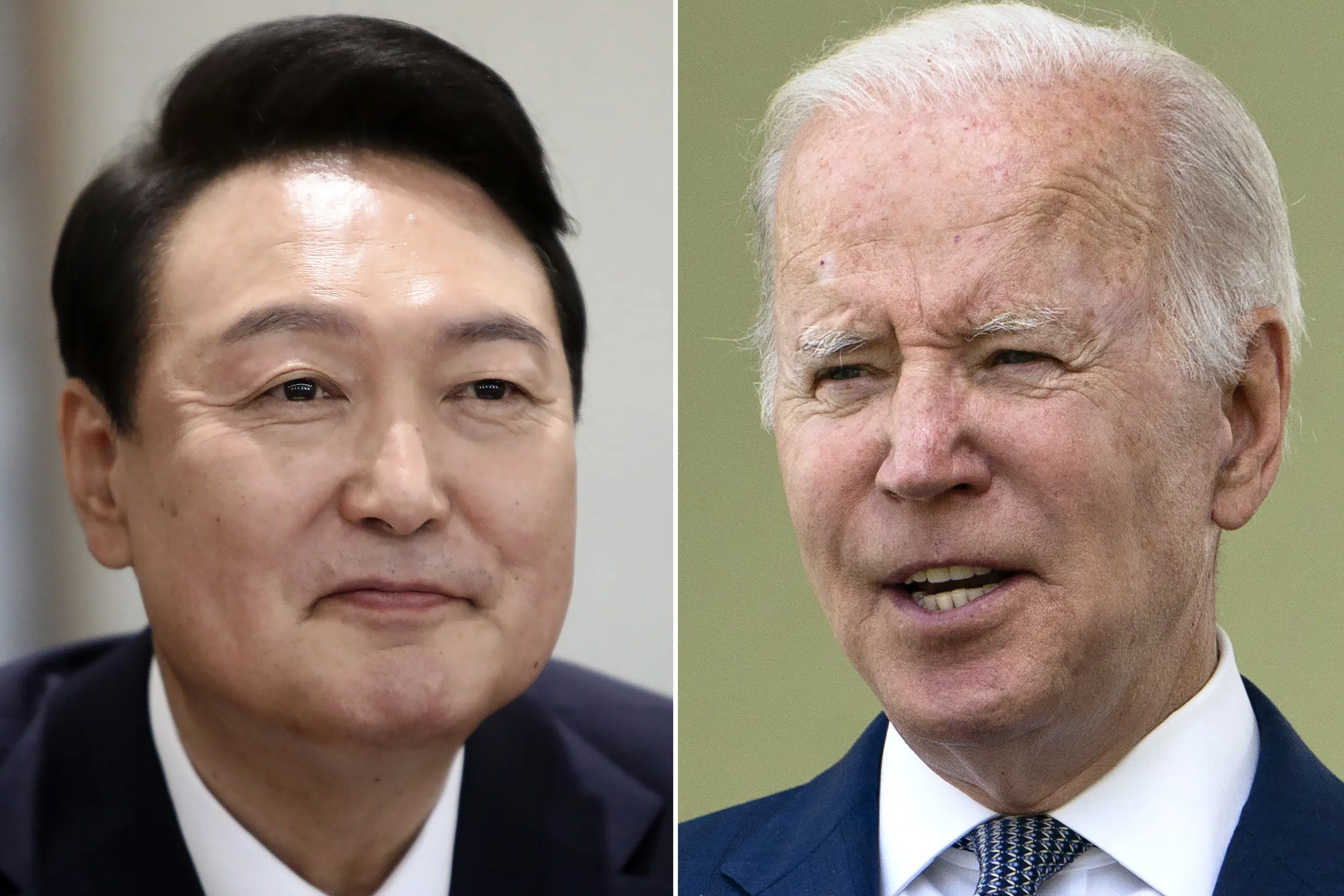
North Korea has criticized the recent US-South Korea agreement to strengthen the deployment of American strategic assets in the region, accusing the allies of taking "the most hostile and aggressive action" against North Korea and escalating tension to the "brink of a nuclear war." The agreement includes the regular deployment of US strategic assets and a visit by a US Navy nuclear-armed ballistic missile submarine to South Korea for the first time since the 1980s. Pyongyang has reacted angrily to the Yoon-Biden summit, saying it consolidated its conviction to perfect its "nuclear war deterrent."
Leaked US intelligence documents suggesting Washington spied on South Korea have put the country’s president in a delicate situation ahead of a state visit to the US. The documents contain purportedly private conversations between senior South Korean officials about Ukraine, indicating that Washington may have conducted surveillance on a key Asian ally even as the two nations publicly vowed to reinforce their alliance. The April 26 summit with President Joe Biden is seen as crucial to winning a stronger US security commitment and resolving grievances over the Biden administration’s economic and technology policies.
Leaked Pentagon documents have revealed that South Korea has been reluctant to take a more assertive stance in its foreign policy towards North Korea and China, causing concern among US officials. The documents also highlight the importance of the US-South Korea military alliance, which South Korea has been hesitant to fully embrace. The leaks come at a time of heightened tensions in the region, with North Korea conducting missile tests and China increasing its military presence.