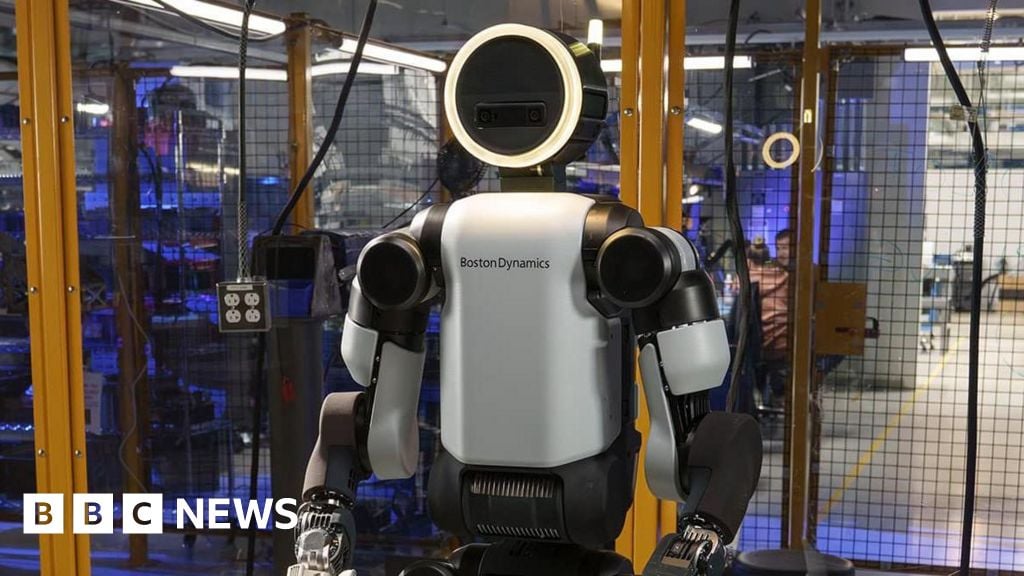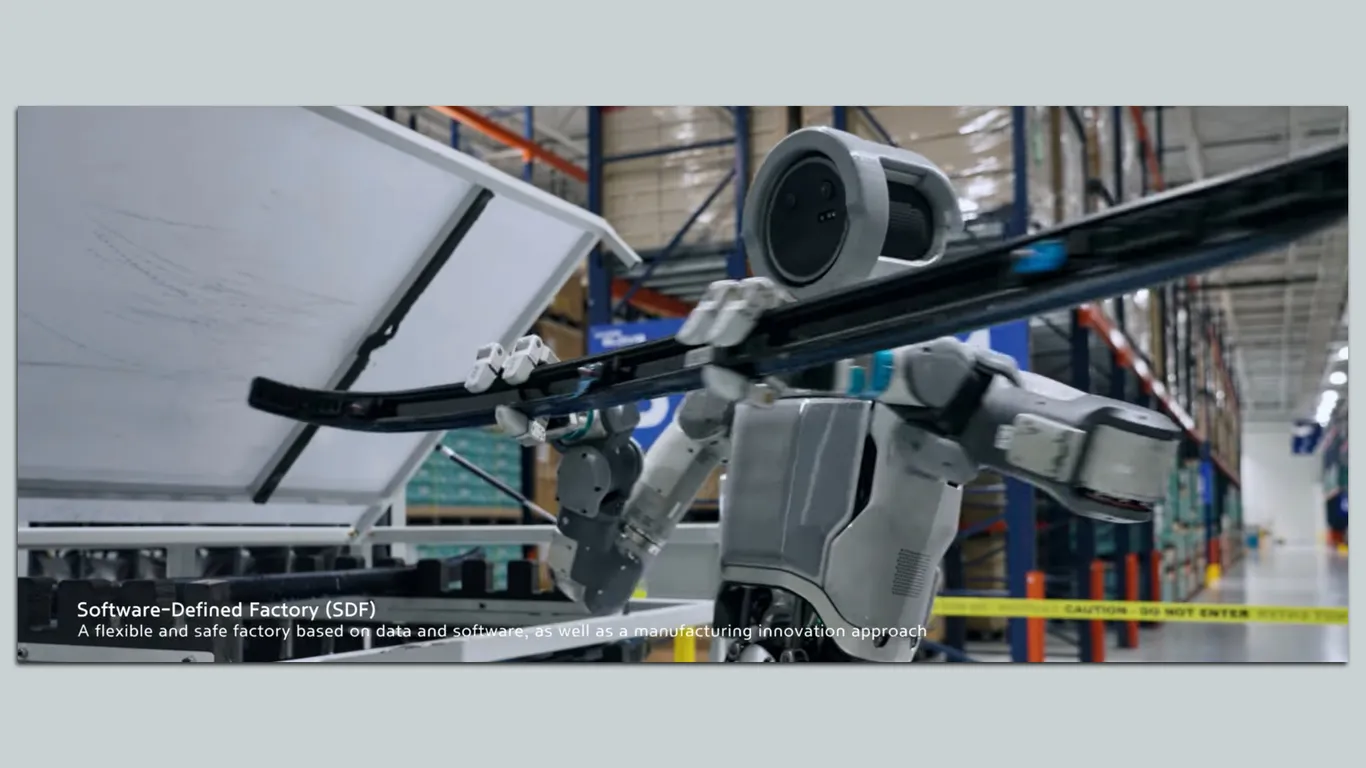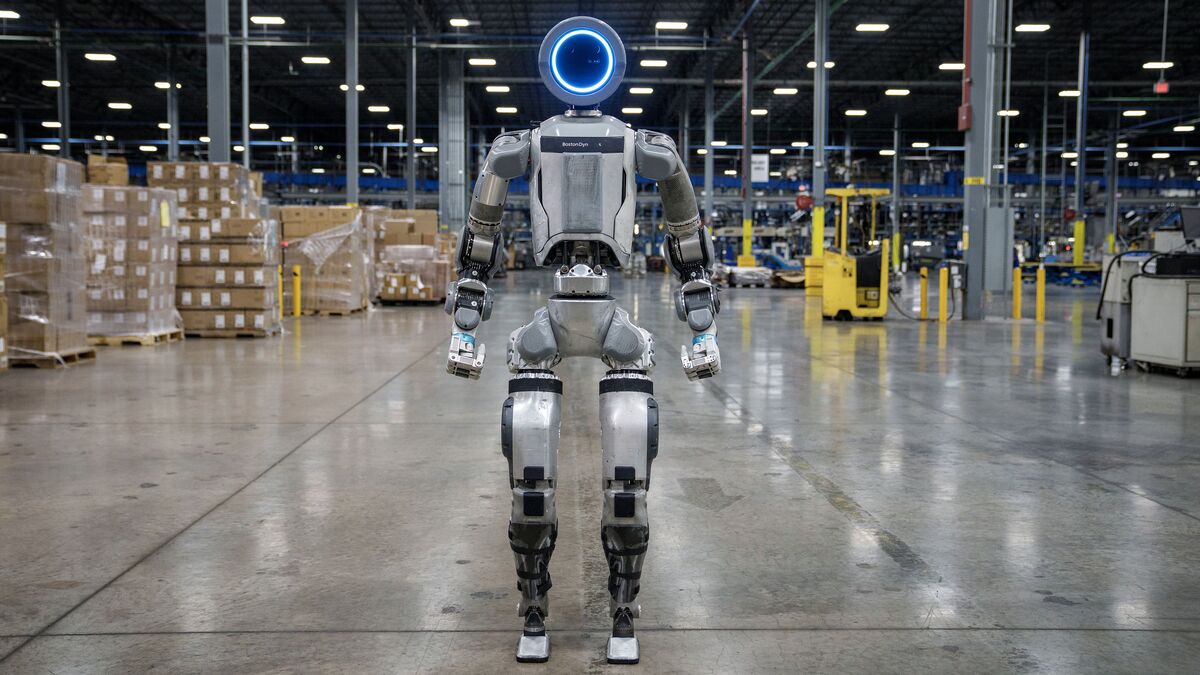
Hyundai Motor Group plans to deploy humanoid Atlas robots at its Georgia factory from 2028 to automate high-risk and repetitive tasks, with expansion into assembly and complex operations by 2030, aiming to enhance safety and efficiency in manufacturing.
Hyundai, owning Boston Dynamics, is making significant strides in humanoid robotics, challenging Tesla's ambitious robot plans and shifting the narrative around robot dominance from Tesla to Hyundai/Boston Dynamics, with Hyundai emphasizing practical, manufacturing-ready robots and Tesla's Optimus still in development.
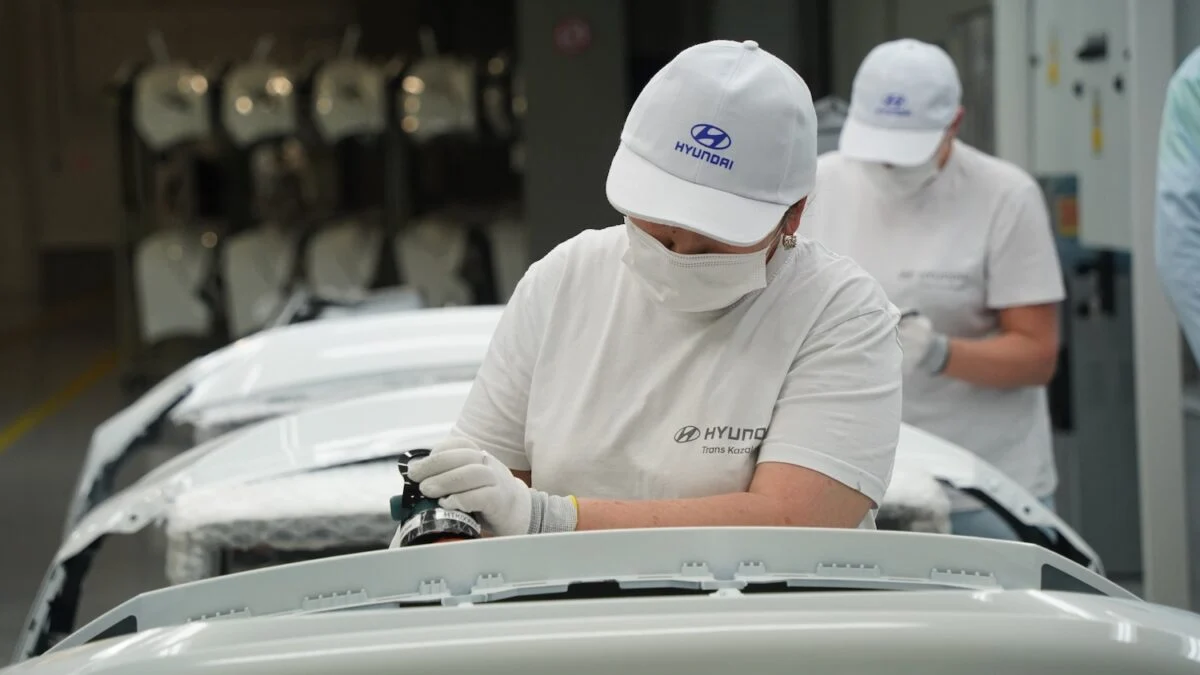
Hyundai Motor Group plans to deploy human-like robots, specifically Atlas from Boston Dynamics, across its global factories starting in 2028 to assist workers and handle dangerous tasks, as part of a broader US investment and automation strategy, despite concerns over job security and past controversies at its Georgia plant.
Hyundai plans to mass-produce 30,000 Atlas humanoid robots annually by 2028 through its Boston Dynamics subsidiary, aiming to deploy them in factories to assist with tasks like assembly and heavy lifting, marking a significant step in AI-driven industrial automation.
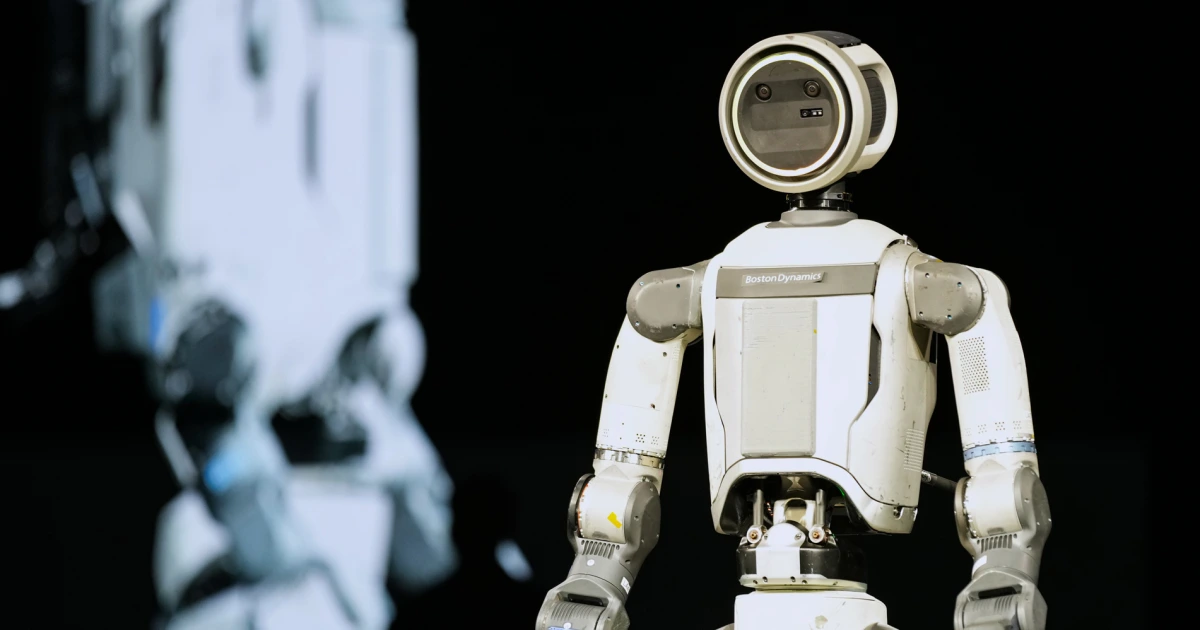
Hyundai-owned Boston Dynamics showcased its humanoid robot Atlas at CES, demonstrating its capabilities in a live stage performance and announcing plans to deploy a product version for car assembly by 2028 at Hyundai's Georgia plant, amid growing competition and technological advancements in robotics.
Hyundai's Boston Dynamics unit announced the development of a new humanoid robot, Atlas, designed for factory work, with plans to mass produce up to 30,000 units annually in the US starting in 2028, aiming to automate repetitive tasks and enhance manufacturing efficiency.
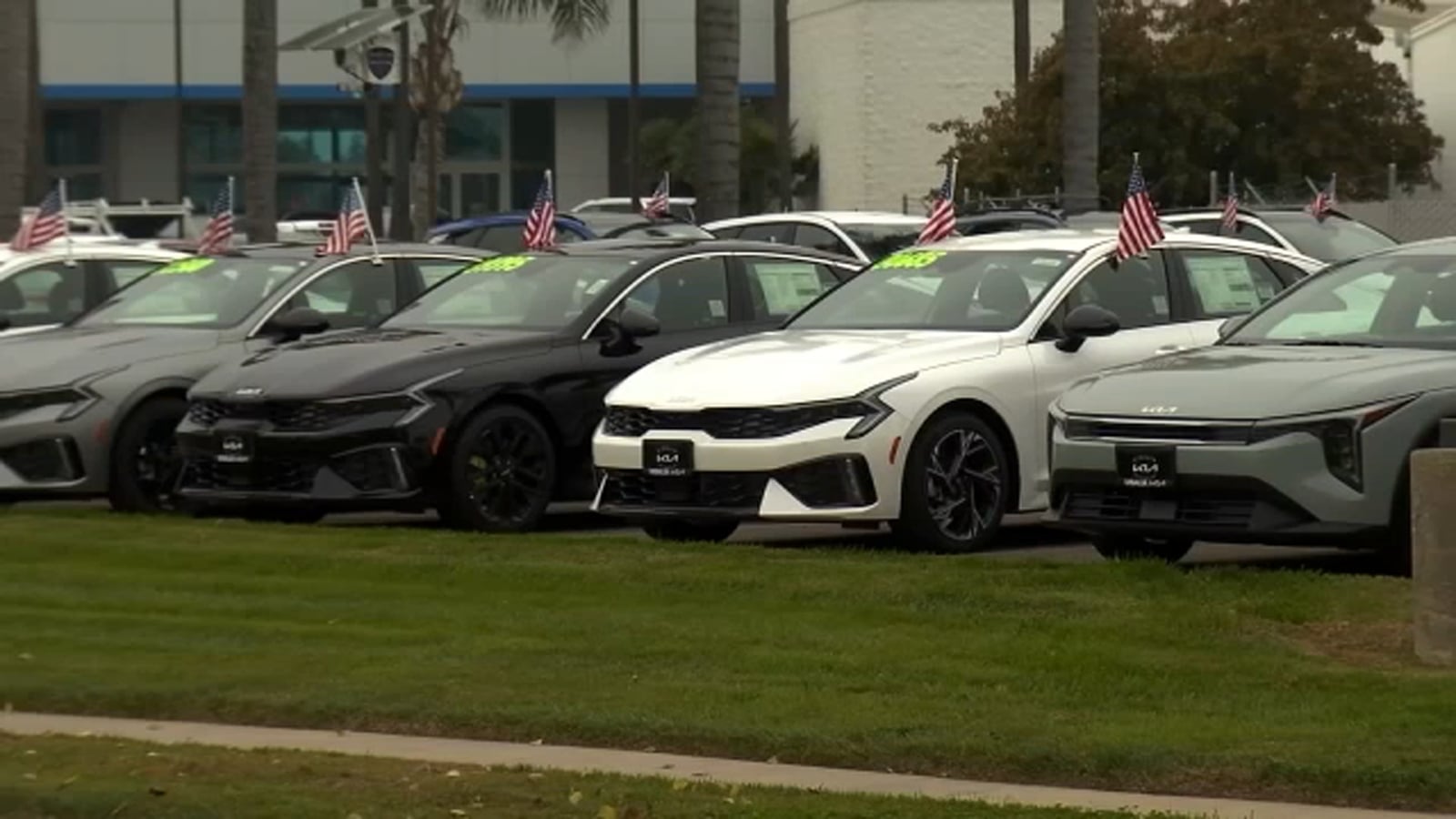
Ohio residents who own certain Kia or Hyundai vehicles may be eligible for compensation or free anti-theft protection as part of a legal settlement due to vehicle theft vulnerabilities linked to lack of engine immobilizers, with eligible owners receiving notices and having a year to claim benefits.
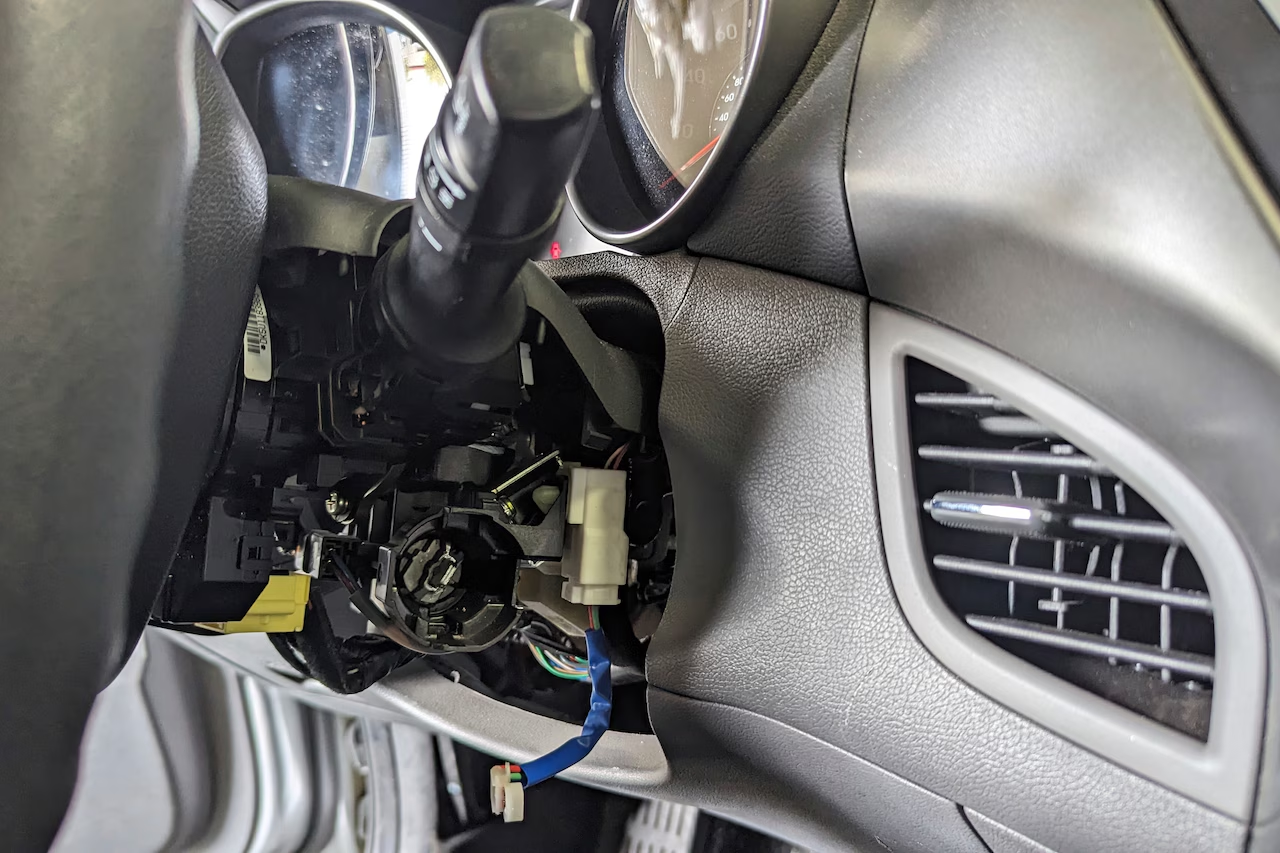
Some Kia and Hyundai owners in Ohio are eligible for free anti-theft protection and potential refunds due to a settlement with the automakers, following a rise in thefts facilitated by online information. Eligible owners can receive a zinc-reinforced ignition cylinder protector and restitution for related expenses, with a year to schedule the upgrade after being contacted by the automaker.
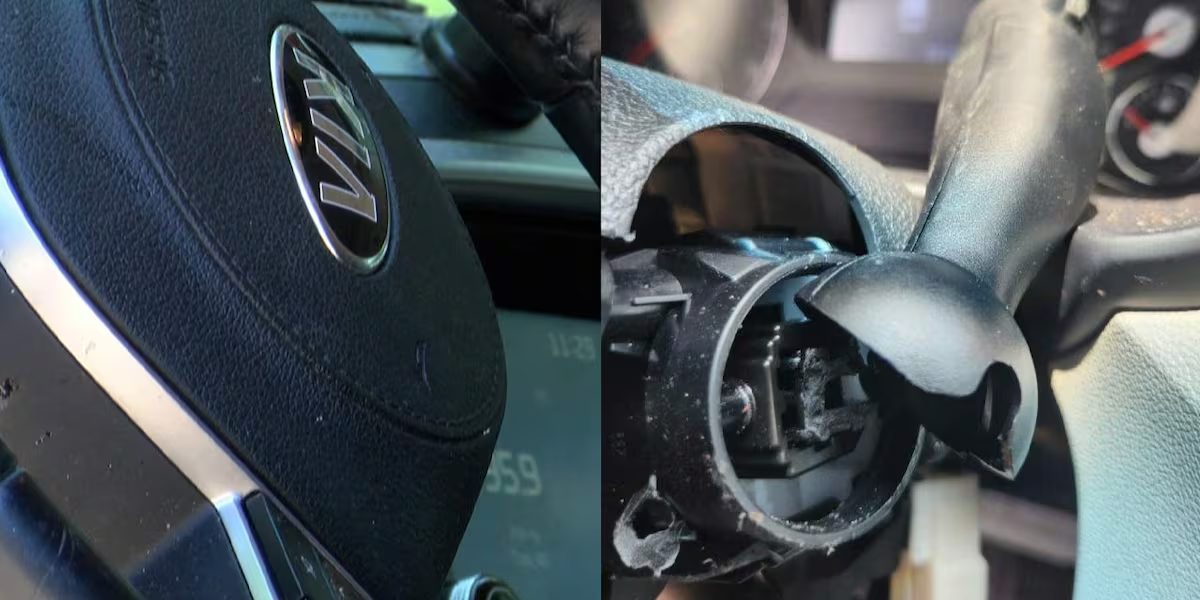
Hyundai and Kia will offer free repairs to millions of vehicles, including installing engine immobilizers, following a settlement with multiple states over inadequate anti-theft technology that led to a surge in thefts, with repairs expected from 2026 to 2027 and costs potentially exceeding $500 million.
Hyundai and Kia have reached a $9 million settlement across 35 states, including California, after being accused of selling cars lacking anti-theft protections, which contributed to a surge in thefts inspired by social media trends. The settlement offers compensation to affected owners and includes a free retrofit to enhance vehicle security.
Hyundai and Kia have agreed to a settlement requiring them to offer free repairs and install anti-theft technology, including engine immobilizers, on millions of vehicles sold in the U.S. since 2011, in response to increased thefts linked to social media videos demonstrating how to steal their cars, with repairs expected to be available from early 2026 to early 2027.
Millions of Hyundai and Kia owners in the U.S. are eligible for free repairs and upgrades, including engine immobilizers, following a settlement over inadequate anti-theft technology that led to a surge in vehicle thefts, partly fueled by social media videos demonstrating how to steal these cars. The settlement, involving 35 states, aims to address theft issues dating back to 2011 and includes future vehicle security enhancements and restitution payments.
The U.S. has reduced tariffs on South Korean vehicles from 25% to 15%, benefiting automakers Hyundai and GM by lowering costs and boosting imports, with Hyundai aiming to increase local production in the U.S. and GM continuing to import significant numbers of vehicles from South Korea.
An Ioniq 5 N owner claims Hyundai's software prevents him from changing his own brake pads, requiring costly proprietary tools and subscriptions, raising concerns about the Right to Repair in the EV era.
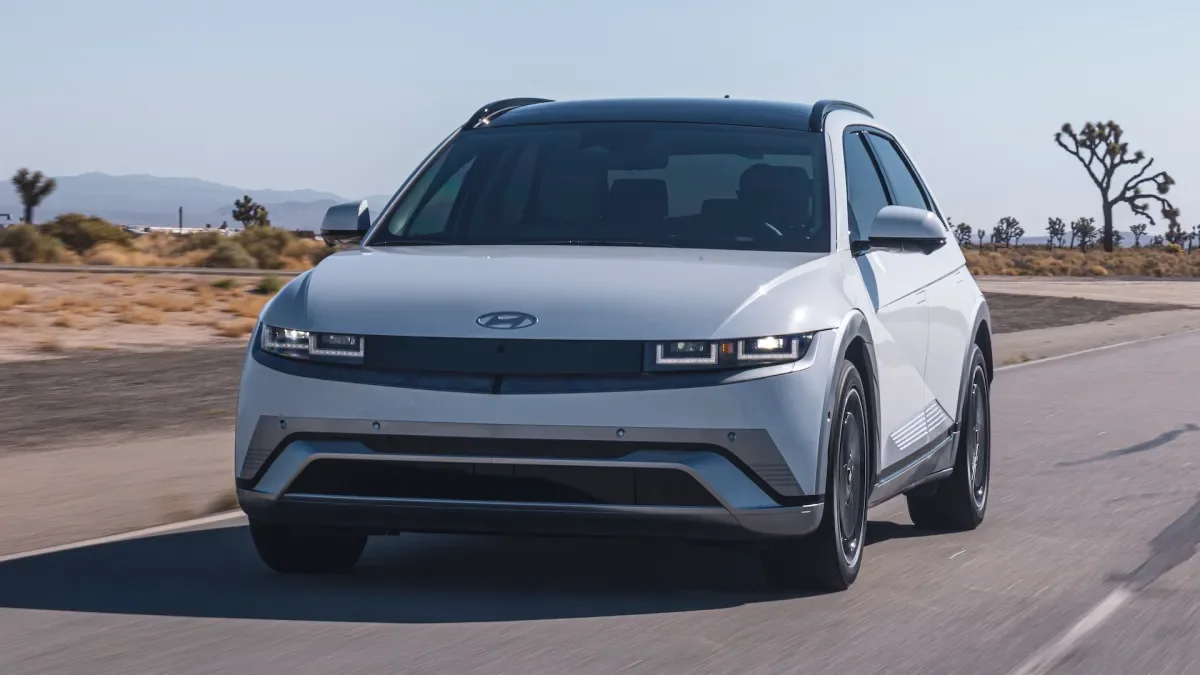
Hyundai's electric vehicle sales plummeted in October following the expiration of the federal tax credit, with a 63% drop in IONIQ 5 sales, although hybrid sales increased. Despite the decline, Hyundai remains optimistic about reaching record sales in 2025 and continues to offer incentives. The market disruption is attributed to a surge of buyers before the tax credit ended, affecting not only Hyundai but also other automakers like Ford, Kia, and Honda.