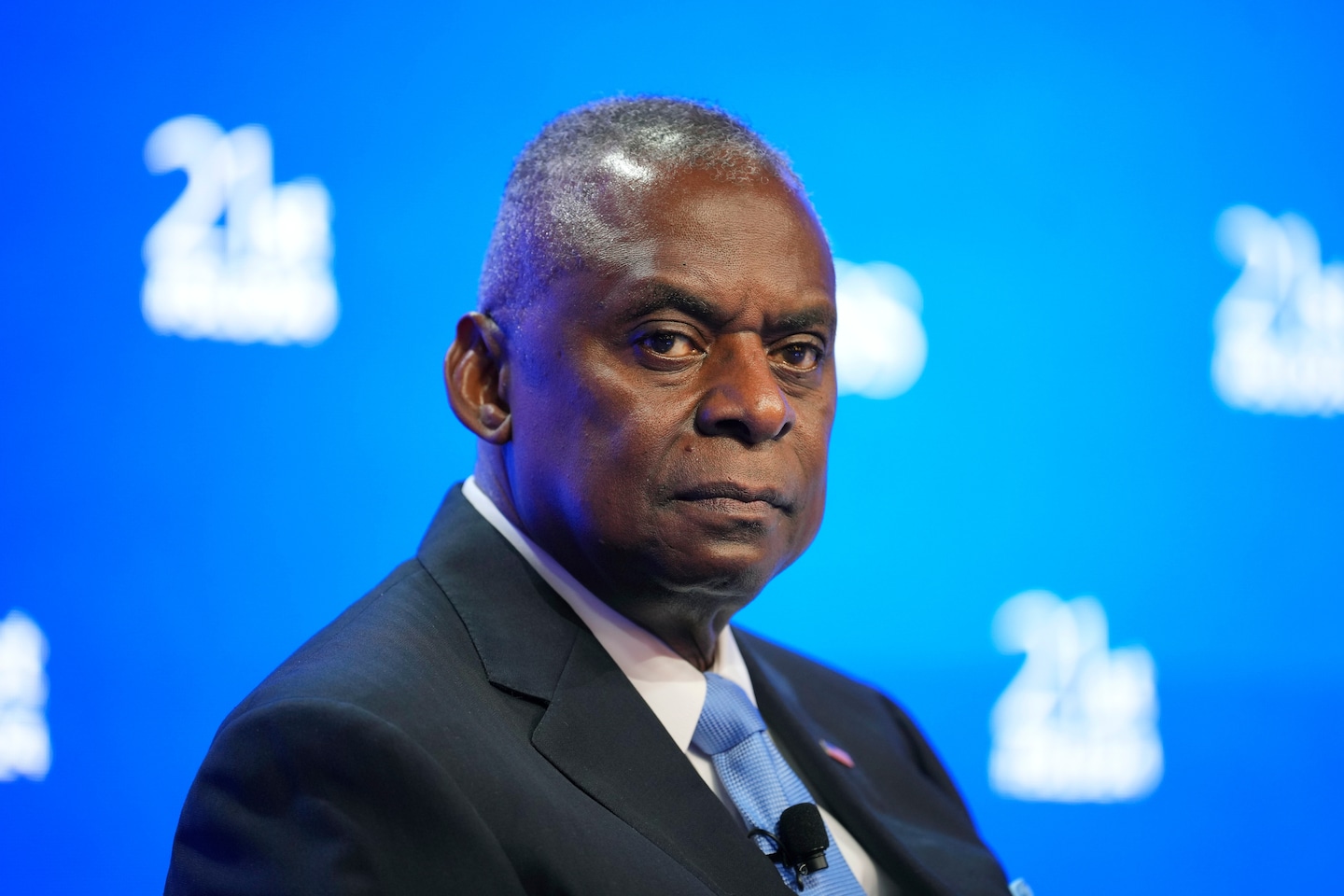
At the Shangri-La Dialogue in Singapore, U.S. and Chinese defense leaders presented opposing security visions for the Indo-Pacific. U.S. Defense Secretary Lloyd Austin emphasized Washington's expanding network of security partnerships, while China's Defense Minister Dong Jun accused the U.S. of foreign interference and promoted China's own alliances. The conference highlighted growing regional tensions, particularly around Taiwan and the South China Sea, and showcased the increasing alignment of some Asian countries with the U.S. against perceived Chinese aggression.
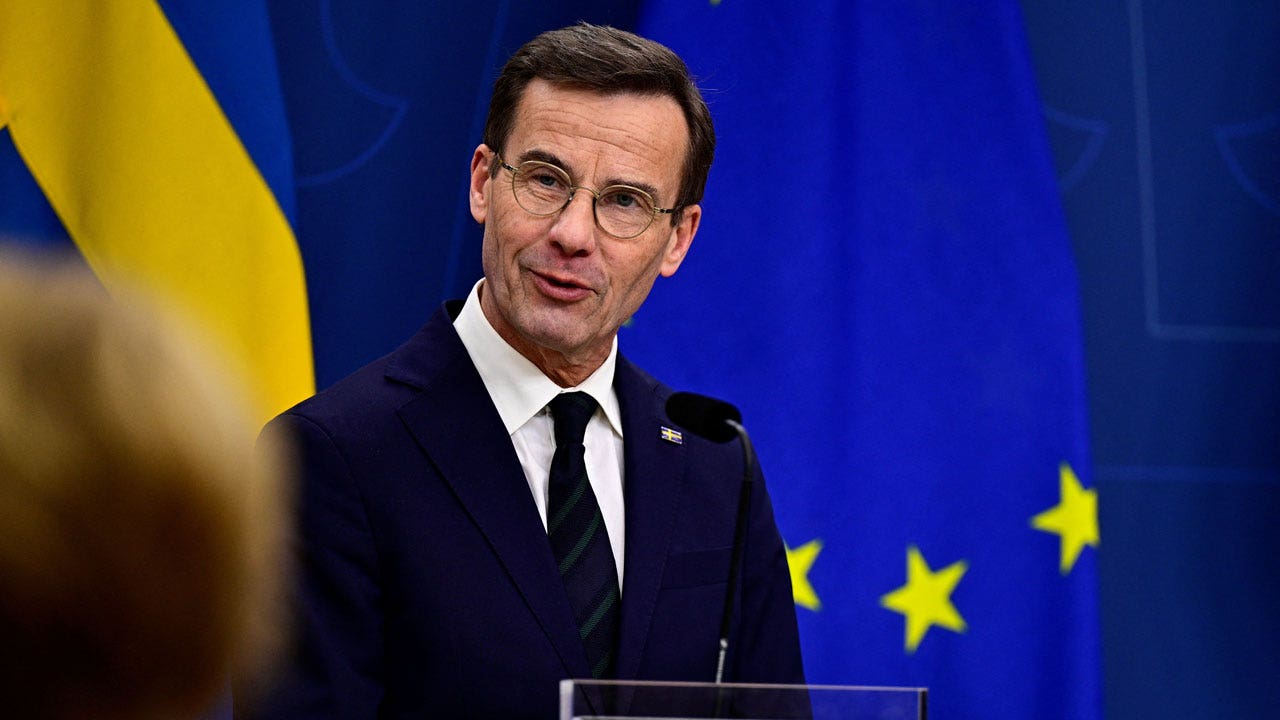
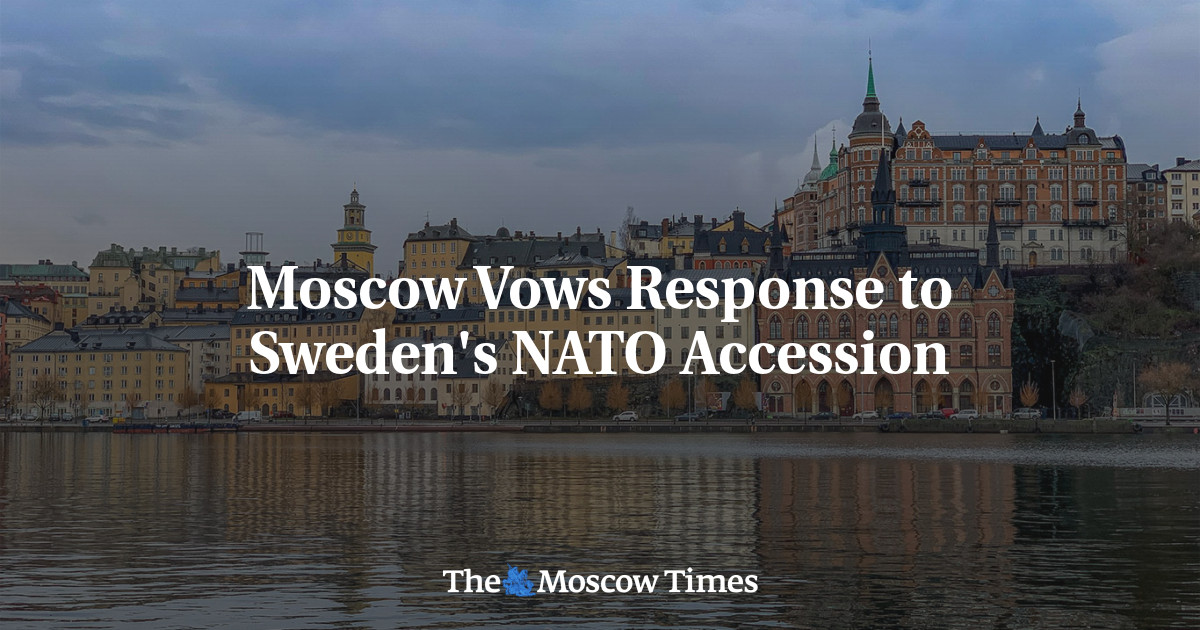
Swedish Prime Minister Ulf Kristersson and Foreign Minister Tobias Billstrom are set to visit Washington to finalize Sweden's NATO membership, making it the 32nd member of the alliance. Despite warnings from Russia, Sweden's decision to join NATO comes after years of neutrality and avoiding military alliances. As a NATO member, Sweden will benefit from the alliance's common defense guarantee and play a crucial role in the Baltic region. Russia has expressed opposition and announced unspecified countermeasures in response to Sweden's NATO membership, which was delayed by Turkey and Hungary but is now expected to be completed after Hungary's president formally signed the approval bill.
Russia's Foreign Ministry has vowed to take measures against Sweden following its accession to NATO, with the specific response depending on the types of NATO weapons and units Sweden deploys, as well as the types of drills and strategies it adopts as a member of the military alliance. This comes after Sweden cleared the final hurdle to become the 32nd member of NATO, prompting warnings from Moscow about potential military and technical retaliation in response to perceived threats to Russia's national security.
Former President Trump's recent comments about NATO member defense spending have sparked controversy, with President Biden and NATO's leader criticizing his remarks. NATO allies voluntarily contribute troops and funding, with a 2014 agreement requiring at least 2% of GDP to be spent on defense. Most NATO countries are expected to meet this guideline in 2024, with the U.S. contributing the largest share of defense spending.
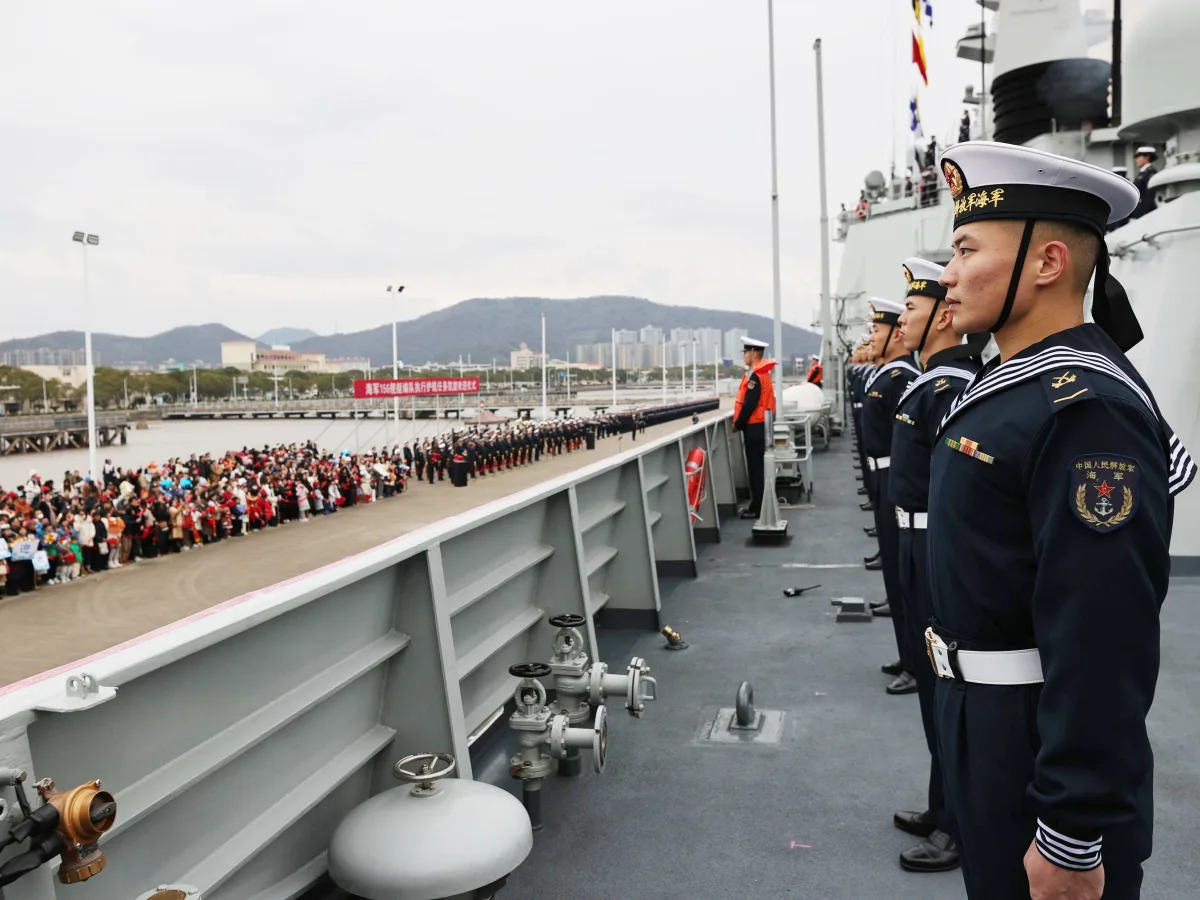
Retired US Navy Adm. James Stavridis emphasized the need for the US to expand its naval forces and build more ships to keep pace with China, which currently has the world's largest navy with over 355 vessels. Stavridis highlighted the importance of quantity in shipbuilding and suggested that the US Navy should approach 350 ships to match China's capabilities. He also emphasized the strength of US military alliances as a deterrent to a potential Chinese offensive.
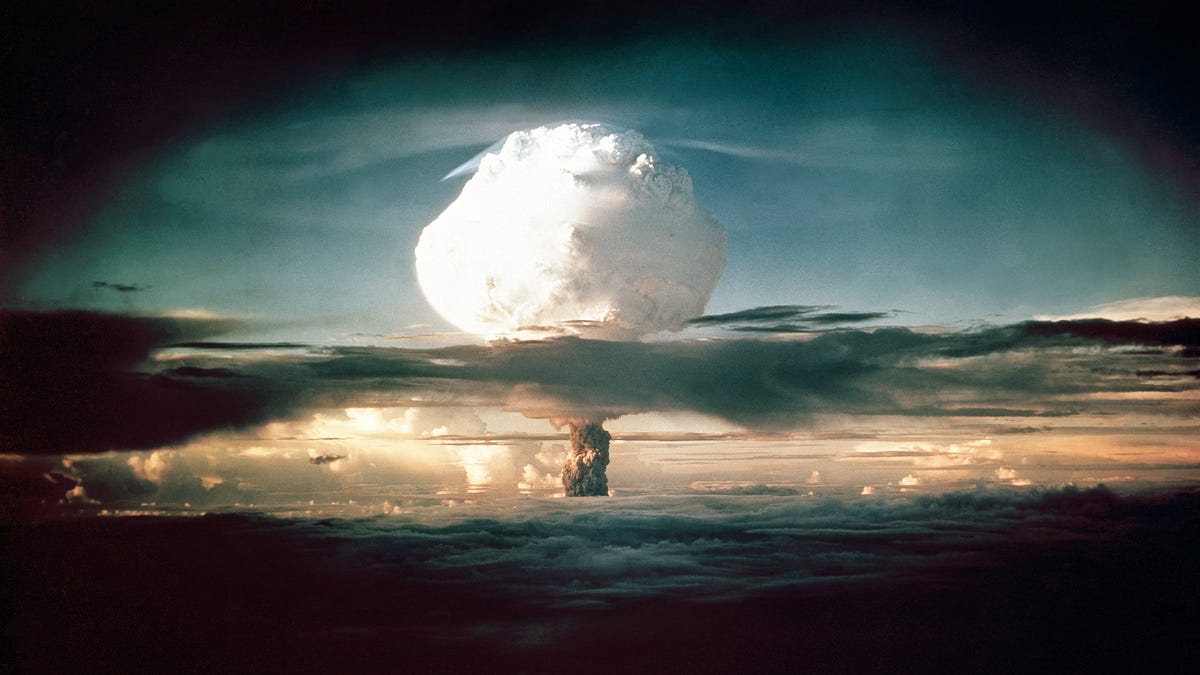
The Excerpt podcast discusses the possibility of World War III in the context of current global conflicts, including the Israel-Hamas war, Hezbollah's involvement, Iran's attacks in Pakistan, and the US and UK strikes against Yemen's Houthi rebels. The podcast also delves into Russia's invasion of Ukraine and the implications of the US and other countries supplying arms to various conflict zones. The conversation explores the evolving nature of warfare and the potential signs of a third world war in the 21st century.
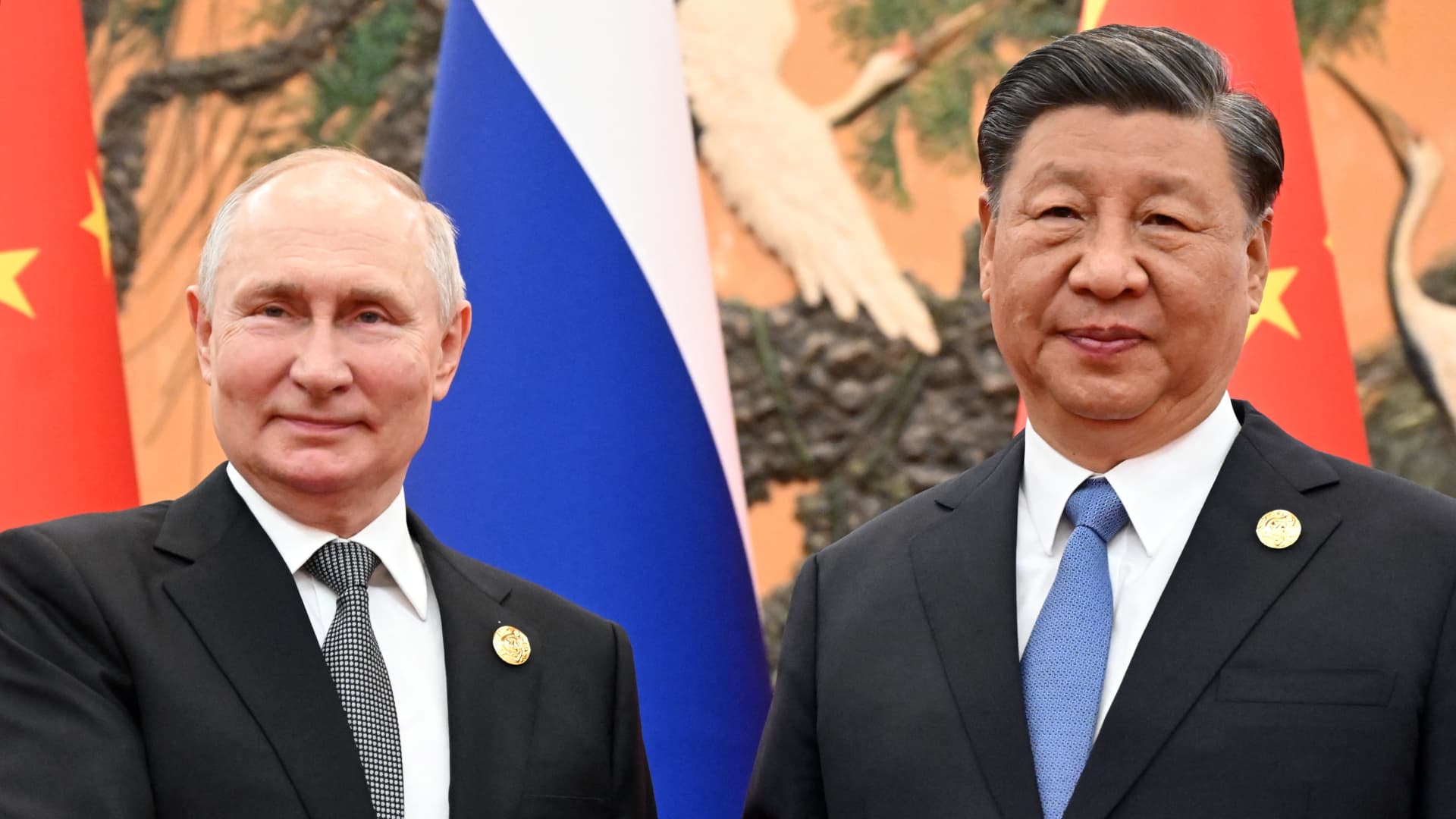
Russian President Vladimir Putin insists that Russia and China are not building military alliances similar to those of the Cold War, as defense officials from both countries meet in Moscow to discuss increasing bilateral cooperation in the defense sector. Meanwhile, Ukraine's military intelligence agency claims to have conducted a special operation with resistance forces to kill a Russian-backed lawmaker in the Luhansk region. The UK's Ministry of Defence highlights ongoing sabotage of Russian railways by anti-war activists as a significant challenge for the Russian authorities. Additionally, Russian Security Council Secretary Nikolai Patrushev accuses Ukraine of attempting to attack three nuclear power plants. NATO allies condemn Russia's withdrawal from the Treaty on Conventional Armed Forces in Europe and announce the suspension of its operation. Ukrainian President Volodymyr Zelenskyy proposes extending the ban on Ukrainian natural gas exports for the whole of 2024.
Leaked Pentagon documents have revealed that South Korea has been reluctant to take a more assertive stance in its foreign policy towards North Korea and China, causing concern among US officials. The documents also highlight the importance of the US-South Korea military alliance, which South Korea has been hesitant to fully embrace. The leaks come at a time of heightened tensions in the region, with North Korea conducting missile tests and China increasing its military presence.