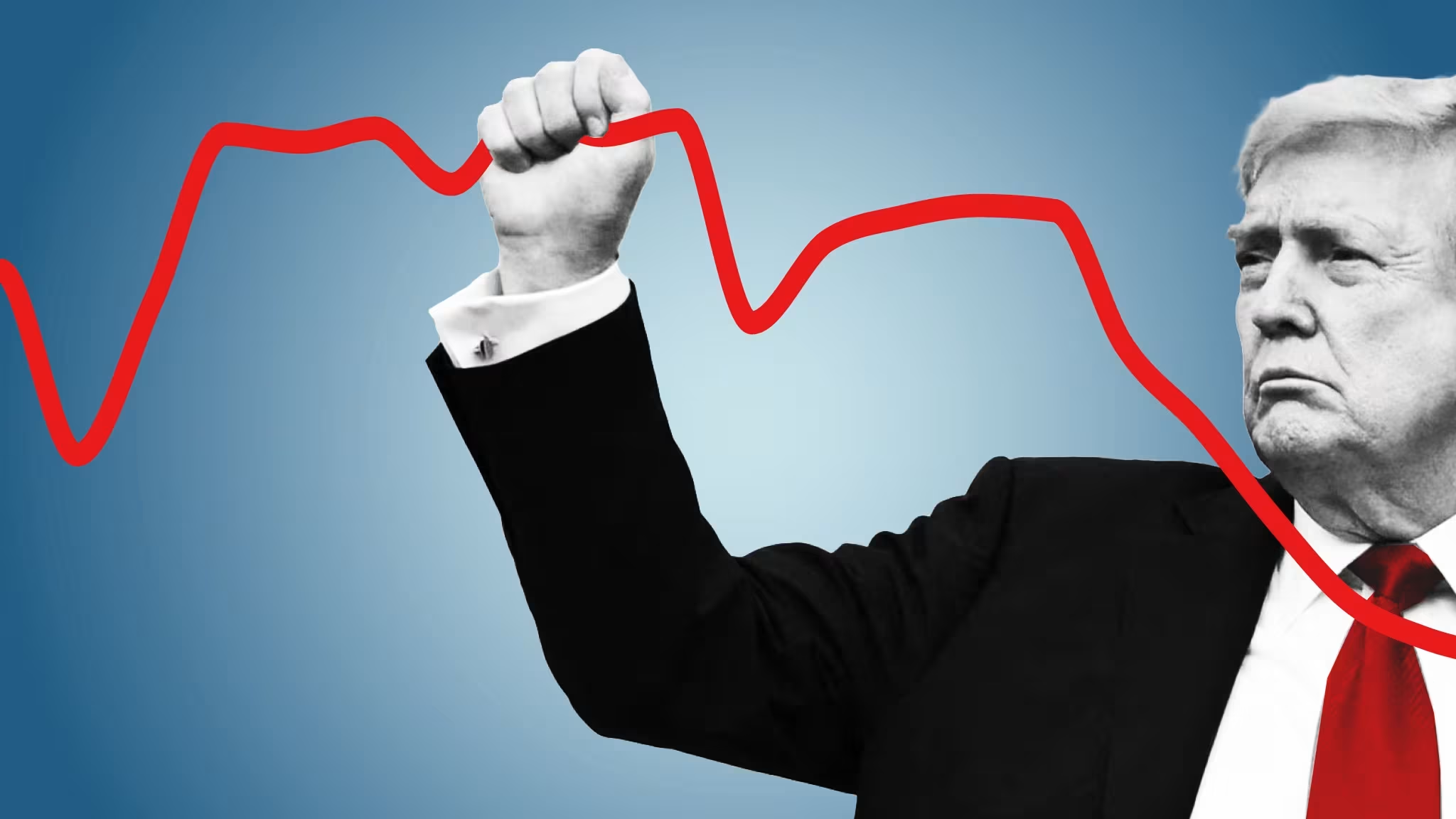
US job creation in 2025 slowed to its weakest pace since 2020, with only 50,000 jobs added in December and an average of 49,000 per month for the year, reflecting a cooling labor market despite steady economic growth and Federal Reserve rate cuts. The unemployment rate decreased slightly to 4.4%, but overall job gains remain subdued amid mixed sector performances and ongoing policy debates.
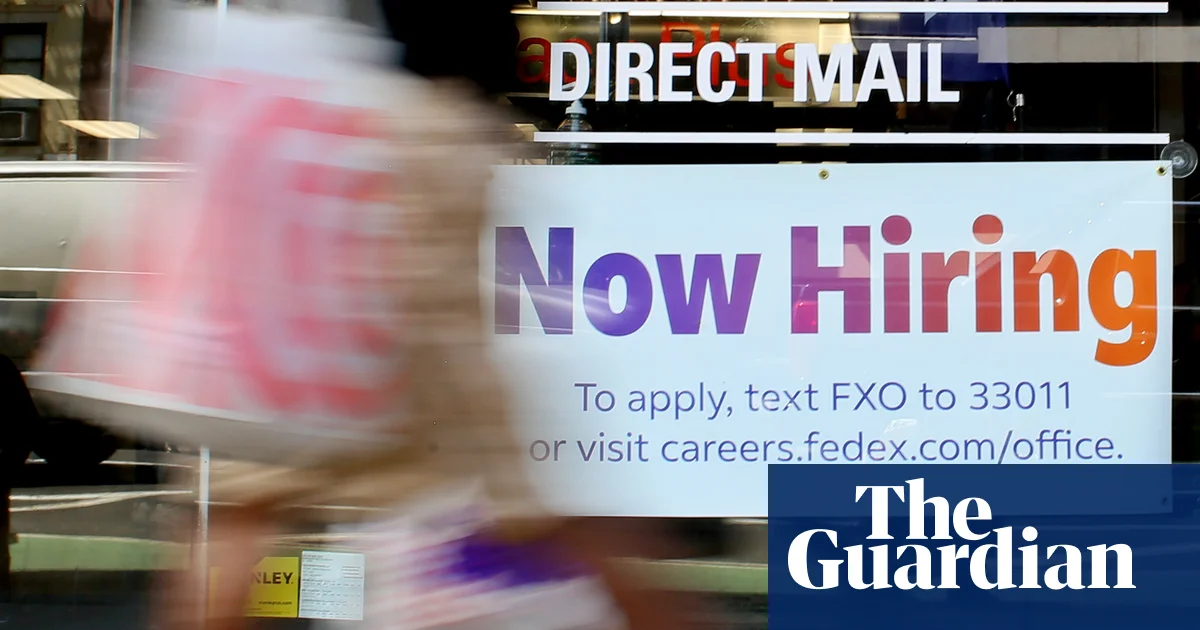
US employment growth in December was modest, with 50,000 jobs added, marking the weakest year of growth since the pandemic, amid economic uncertainty and debates over interest rate policies. The unemployment rate decreased to 4.4%, and the labor market remains in a subdued 'no hire, no fire' phase, influencing upcoming Federal Reserve decisions on interest rates.
US employment data shows a mixed picture with a loss of 105,000 jobs in October and a gain of 64,000 in November, amid concerns over data accuracy due to the federal government shutdown and political interference, while the unemployment rate reached a four-year high of 4.6%.
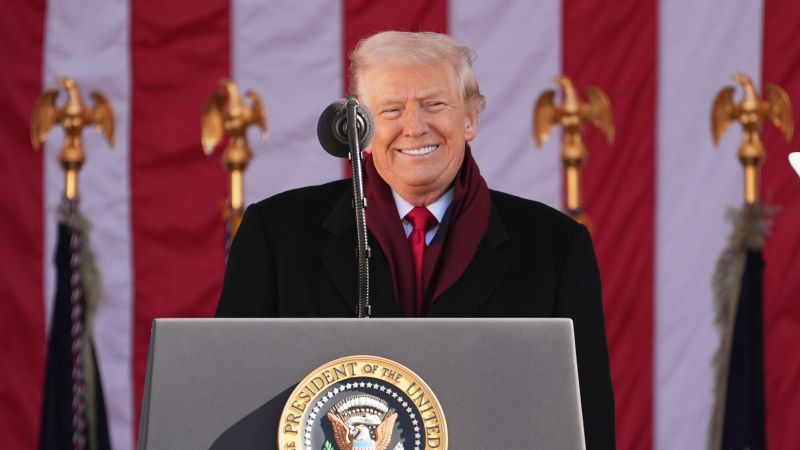
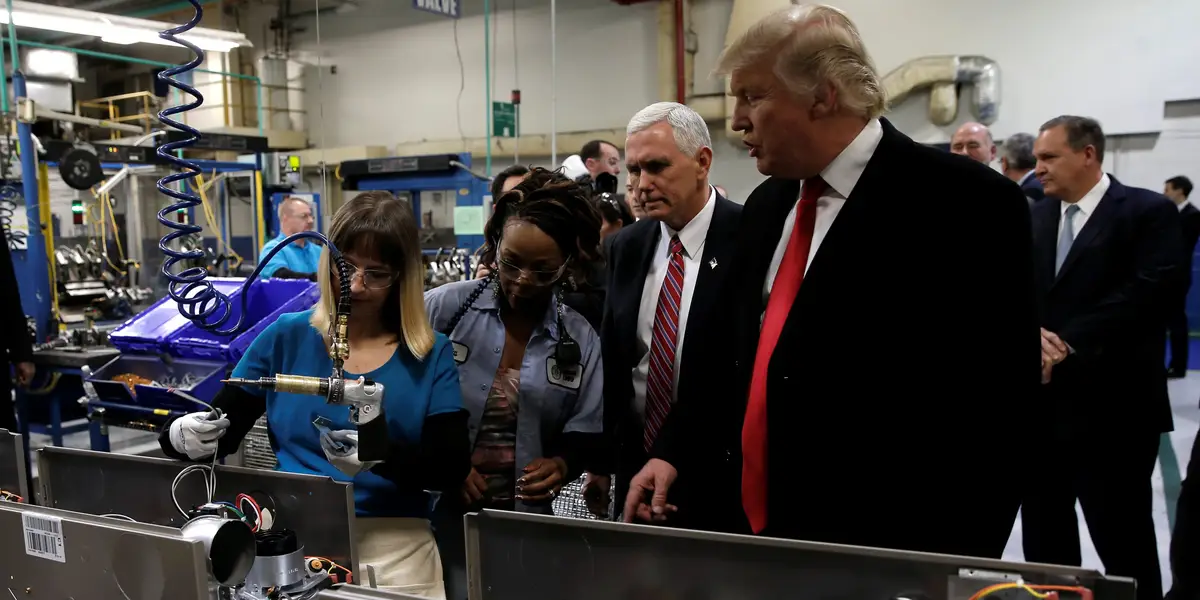
President Trump expressed skepticism about the US having enough talented domestic workers to fill certain jobs, emphasizing the need for skilled foreign workers and defending the H1-B visa program amid ongoing immigration crackdowns and efforts to limit foreign labor.
In October, US private sector employers added 42,000 jobs, surpassing expectations and marking a recovery from previous declines, though signs of weakness remain, especially in leisure and hospitality sectors. The ADP report, influenced by the ongoing government shutdown, indicates a cautious but somewhat resilient labor market amid mixed economic signals and ongoing trade adjustments.
US job openings remained steady at around 7.2 million in August amid economic uncertainty caused by trade policies and potential government shutdown, with signs of a slowing job market and cautious hiring, despite low unemployment and a strong labor market overall.
US job growth for the year through March is expected to be revised downward significantly, indicating a weaker labor market than previously thought and increasing pressure on the Federal Reserve to cut interest rates. The revisions, which are routine but politically sensitive, suggest that the economy was slowing before the current administration, and could influence future monetary policy decisions.
US private-sector employment increased by 54,000 in August, less than expected, indicating a cooling labor market. Wage growth remained steady, and job gains were led by leisure and hospitality sectors, while other sectors shed jobs. The data suggests the Federal Reserve may lower interest rates later this month amid signs of economic slowdown.
Originally Published 4 months ago — by Hacker News
The article argues that high-tech manufacturing in the US has declined in employment due to automation and offshoring, with most manufacturing now highly automated and requiring fewer workers. It discusses the implications for middle-class jobs, national security, and economic independence, suggesting that the narrative of bringing jobs back is complicated by technological and economic realities, and emphasizing the importance of maintaining manufacturing expertise and supply chain resilience.
The US job market slowed in May with 139,000 new jobs added, reflecting uncertainty from the ongoing trade war and federal job cuts, while the unemployment rate remained steady at 4.2%. Economists anticipate further slowdown, and President Trump has called for lower interest rates to stimulate growth.
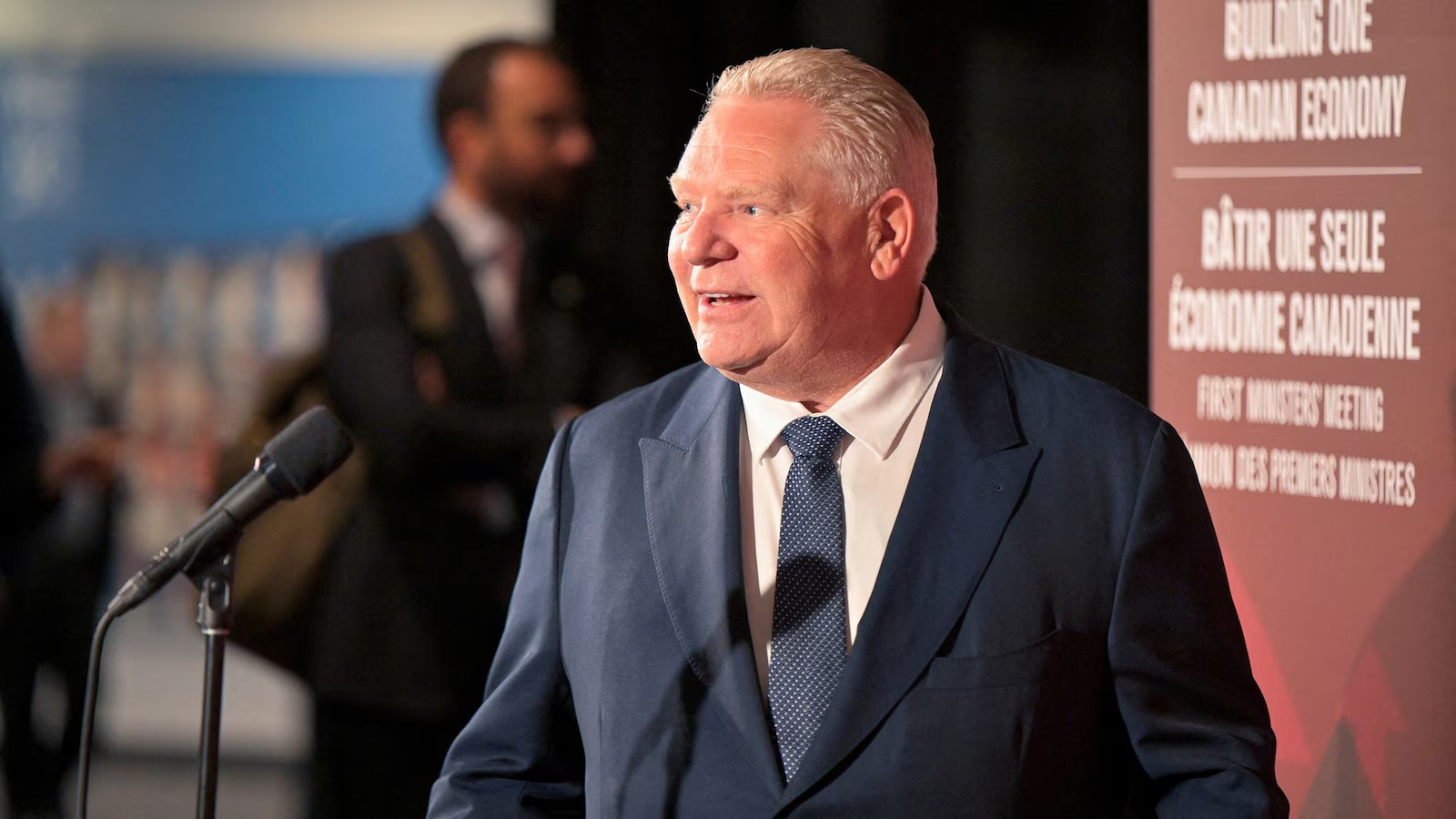
Ontario Premier Doug Ford criticizes Trump's 25% tariffs on Canadian steel and aluminum, warning they could lead to job losses in the US and higher prices for American consumers, while emphasizing the importance of Canada-US cooperation against China and protecting Ontario's economic interests.
US manufacturing faces significant challenges including a skills gap, an aging workforce, and competition from China, making it difficult to fill jobs even with tariffs aimed at bringing manufacturing back to the US. Experts suggest that addressing workforce training and diversifying job opportunities may be more effective than tariffs alone.
The U.S. economy added 227,000 jobs in November, surpassing expectations, with significant growth in healthcare, hospitality, and government sectors. Despite the job gains, the unemployment rate slightly increased to 4.2%, indicating a still-stagnant labor market. The Federal Reserve is likely to consider these figures in its December meeting, potentially leading to interest rate cuts to stimulate economic growth. Consumer sentiment has improved for the fifth consecutive month, although political divisions influence economic perceptions.
The U.S. private sector added 152,000 jobs in May, falling short of expectations and indicating a potential cooling in the labor market. The ADP National Employment Report showed notable job gains in services but losses in information and goods-producing industries. Wage growth remained steady, though slower than previous months. Market reactions were mixed, with slight movements in the U.S. Dollar Index and equity futures.