The escalation of US strikes on Iran and the subsequent regional tensions have positioned China to potentially gain diplomatic influence and leverage in the Middle East, while also possibly benefiting economically if US focus shifts away from Asia, though Beijing's ability to restrain Iran remains limited.
Following Iranian missile attacks in response to US strikes on nuclear facilities, networks shifted focus to Qatar where air defenses intercepted missiles near US bases. Trump downplayed the attack, claiming Iran had 'gotten it all out of their system' and expressed hope for regional peace amid ongoing tensions.
Originally Published 6 months ago — by Rolling Stone
President Donald Trump has called for low oil prices following US strikes on Iran's nuclear sites, amid fears of Iran potentially closing the Strait of Hormuz, a critical oil passage, which could cause global oil prices to spike. Shipping companies are already avoiding the strait, and the US is seeking China's help to prevent Iran from blocking the waterway, amid ongoing geopolitical tensions.
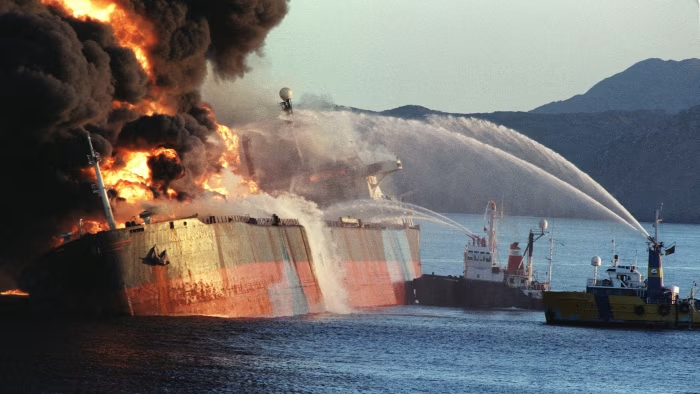
The article discusses the potential for Iran to initiate a new 'tanker war' by closing the Strait of Hormuz, a critical chokepoint for global oil and gas shipments, amid escalating tensions with the US. Historical context from the 1980s reveals Iran's capability to disrupt maritime traffic using mines and asymmetric naval tactics, which could lead to significant economic and military consequences. Experts warn that such actions could provoke a severe US military response, but also highlight the strategic risks for Iran, including economic repercussions and global market instability.
Gold prices opened above $3,400 per ounce following a U.S. strike on Iran's nuclear sites, reflecting increased geopolitical uncertainty and potential inflation concerns, with gold seen as a safe-haven asset amid ongoing Middle East tensions.
Stock futures declined following U.S. strikes on Iranian nuclear sites, which increased oil prices and heightened fears of a broader Middle East conflict, impacting global markets and cryptocurrencies.
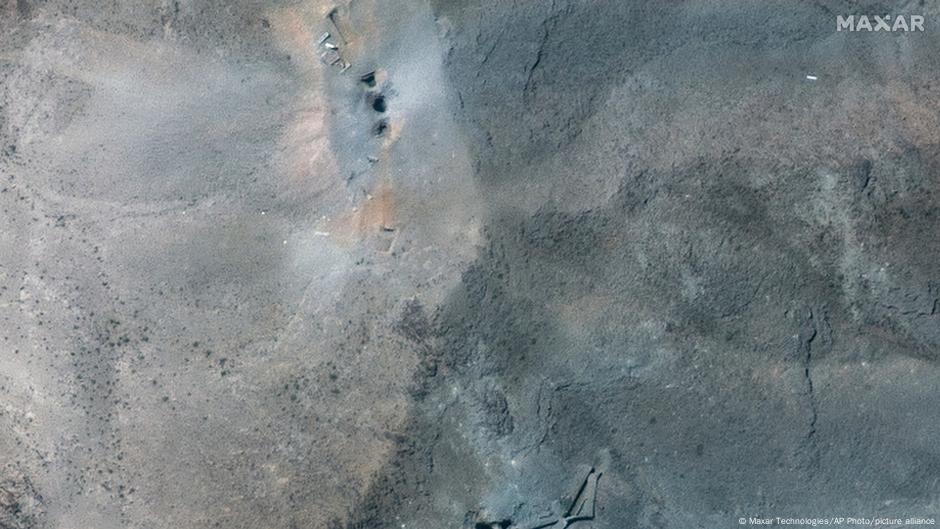
The US has conducted significant military strikes on Iran's nuclear sites, marking a historic escalation in their long-standing tension. Iran's next move could be decisive, with potential retaliation that risks broader regional conflict, especially given recent Israeli attacks and US pressure. Diplomatic efforts are strained, and the situation remains highly volatile, with global implications.
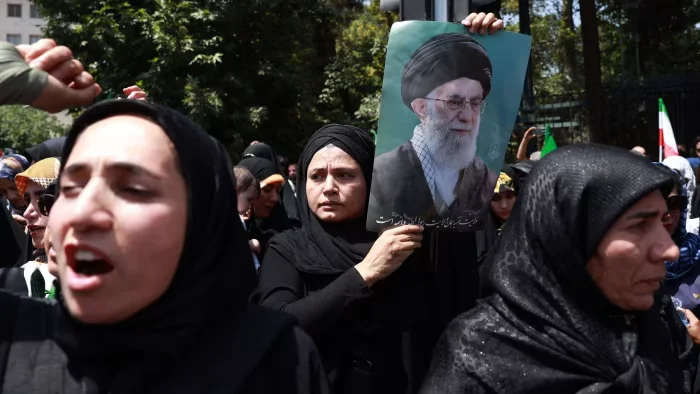
Iran's Supreme Leader faces a critical decision amid US and Israeli attacks, with the regime likely to respond with intensified strikes on Israel rather than full-scale war, while avoiding escalation with the US. Iran has warned of various options, including targeting US bases and closing the Strait of Hormuz, but currently aims to resist and retaliate through regional proxies, amidst a tense and complex geopolitical situation.
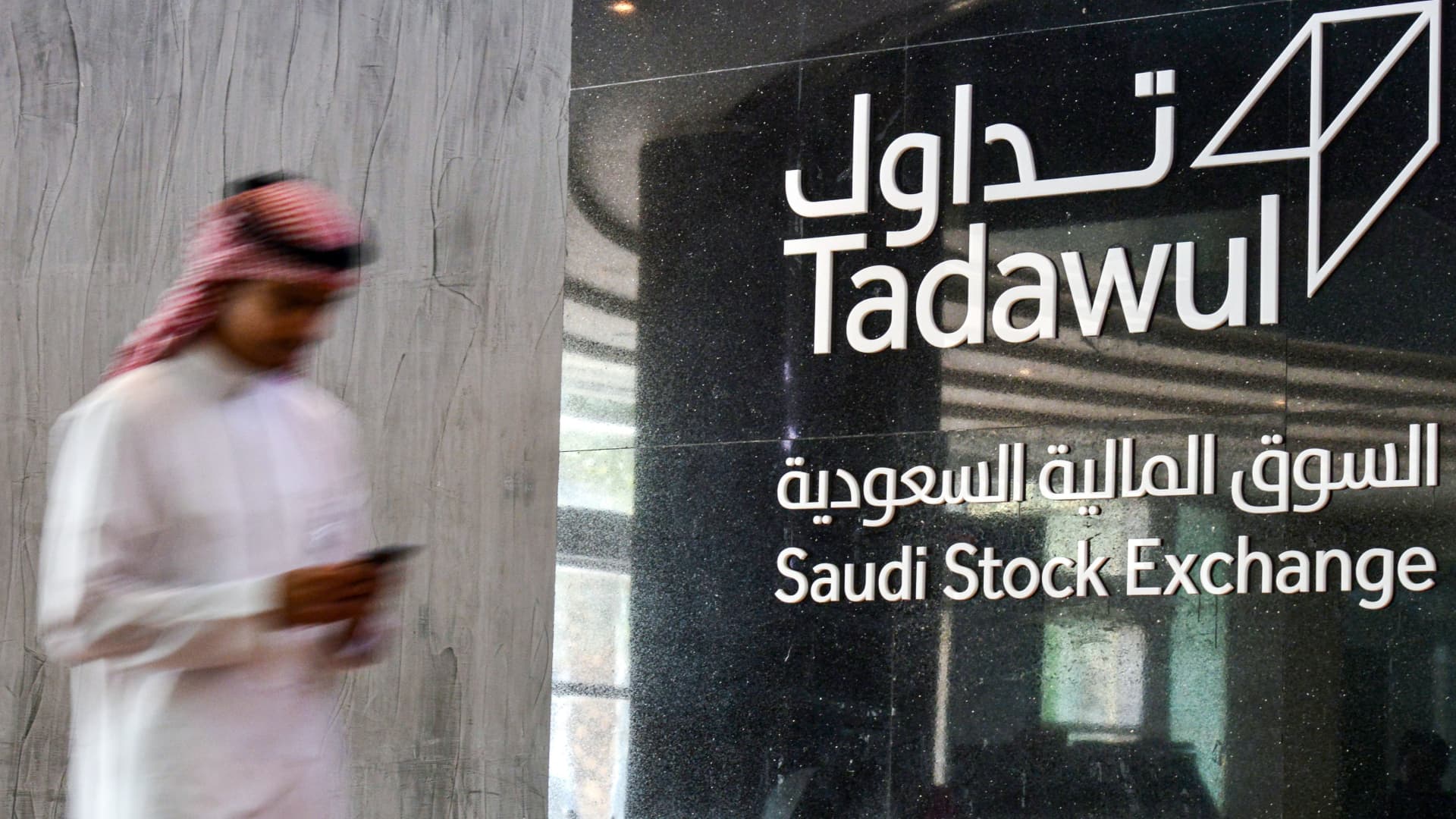
Markets in the Middle East mostly rose after the U.S. struck Iranian nuclear sites, with Israel reaching record highs and regional markets like Egypt and Qatar gaining, while oil prices remain volatile due to geopolitical tensions and concerns over the Strait of Hormuz.
Iran's parliament has endorsed closing the Strait of Hormuz, a critical oil transit route, which could cause a significant spike in global oil prices. While the move is a response to US strikes on Iran's nuclear sites, experts suggest Iran is unlikely to fully block the strait due to the risk of a major military response, but increased harassment of tanker traffic is expected. The situation raises concerns about potential escalation and economic repercussions worldwide.
US strikes on Iran have heightened fears of disrupting Middle East oil exports via the Strait of Hormuz, but history suggests any disruption would likely be short-lived due to Iran's limited capacity to fully block the strait and the US military's ability to respond swiftly. Despite the potential for increased energy prices, significant long-term supply shocks are unlikely, given historical precedents and existing spare capacity in global oil markets.
Equity futures declined amid geopolitical tensions over potential US support for Israel in its conflict with Iran, rising oil prices, and cautious monetary policy decisions by European central banks, with markets showing increased volatility and investor caution.
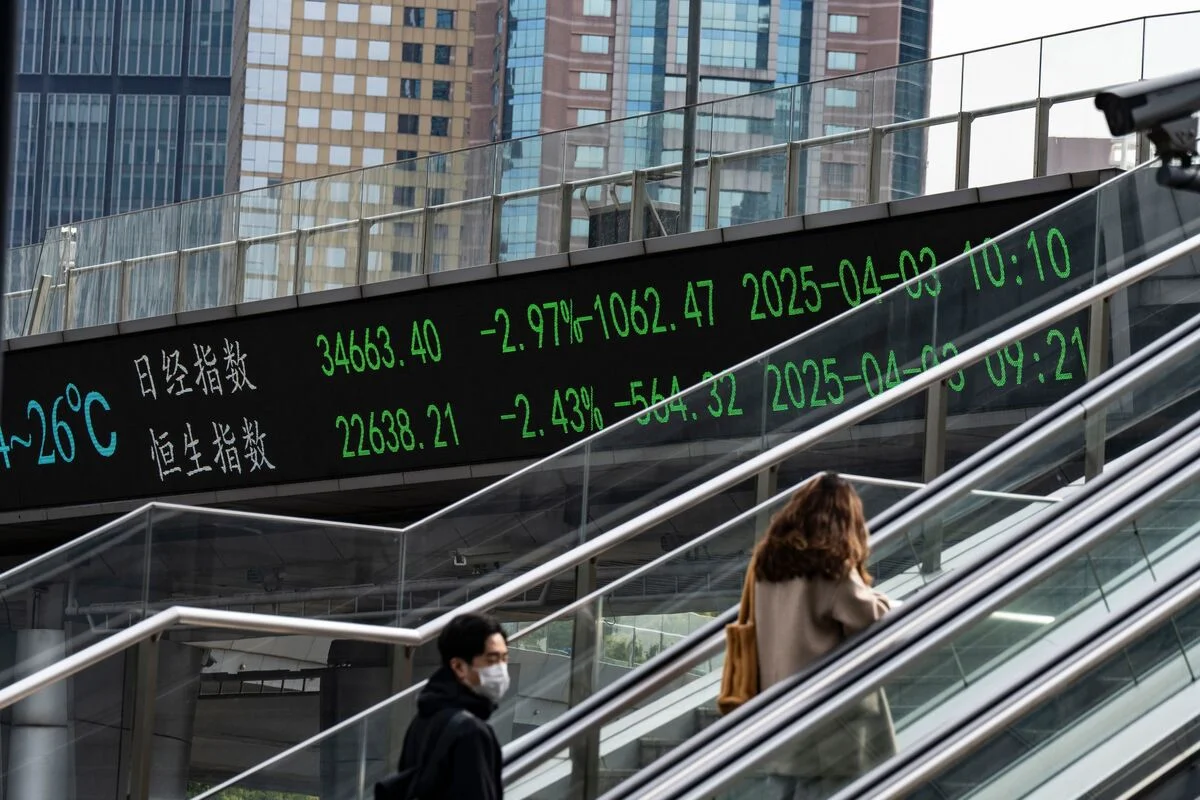
Asian stocks declined broadly amid escalating geopolitical tensions over the US potentially preparing for a military strike on Iran, coupled with cautious investor sentiment ahead of the Federal Reserve's interest rate decision and comments on inflation. Hong Kong, Japan, and other markets saw significant drops, reflecting global risk aversion.
President Trump has escalated rhetoric against Iran, threatening its supreme leader and claiming control over Iran's skies amid ongoing tensions related to Iran's nuclear ambitions. Meanwhile, U.S. street drug overdose deaths have increased for the first time in over a year, and immigration enforcement continues to impact industries. The article also covers other topics like U.S. sports, travel issues, and food industry changes.
US stock futures declined amid escalating concerns over the Israel-Iran conflict and reports of potential US military involvement, while markets await the Federal Reserve's interest rate decision and comments from Chair Jerome Powell, amid heightened geopolitical and economic uncertainty.