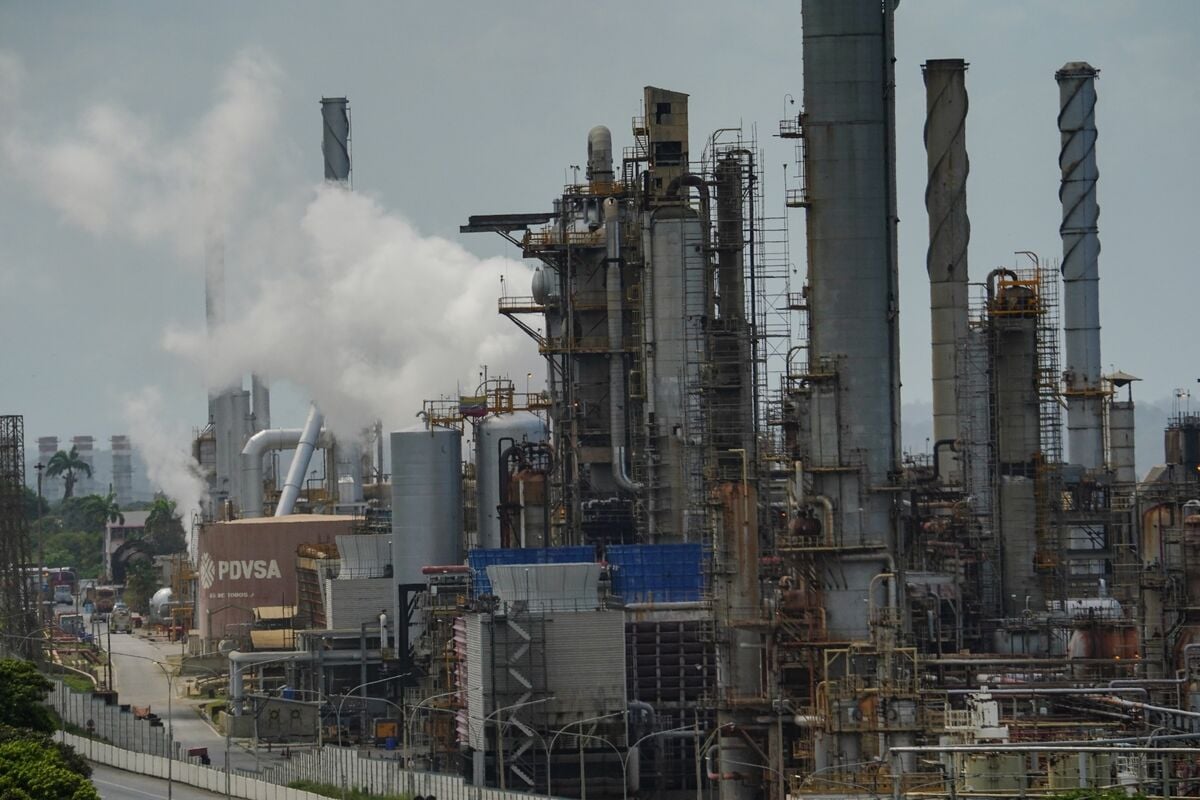
President Trump announced that Venezuela will transfer up to 50 million barrels of oil to the US, with proceeds benefiting both nations, marking a strategic move amid ongoing sanctions and political changes in Venezuela.
The U.S. Treasury's OFAC sanctioned four companies and four oil tankers involved in Venezuela's oil sector, aiming to cut off financial resources to Maduro's regime and prevent sanctions evasion through a shadow fleet, as part of ongoing efforts to pressure the Venezuelan government.
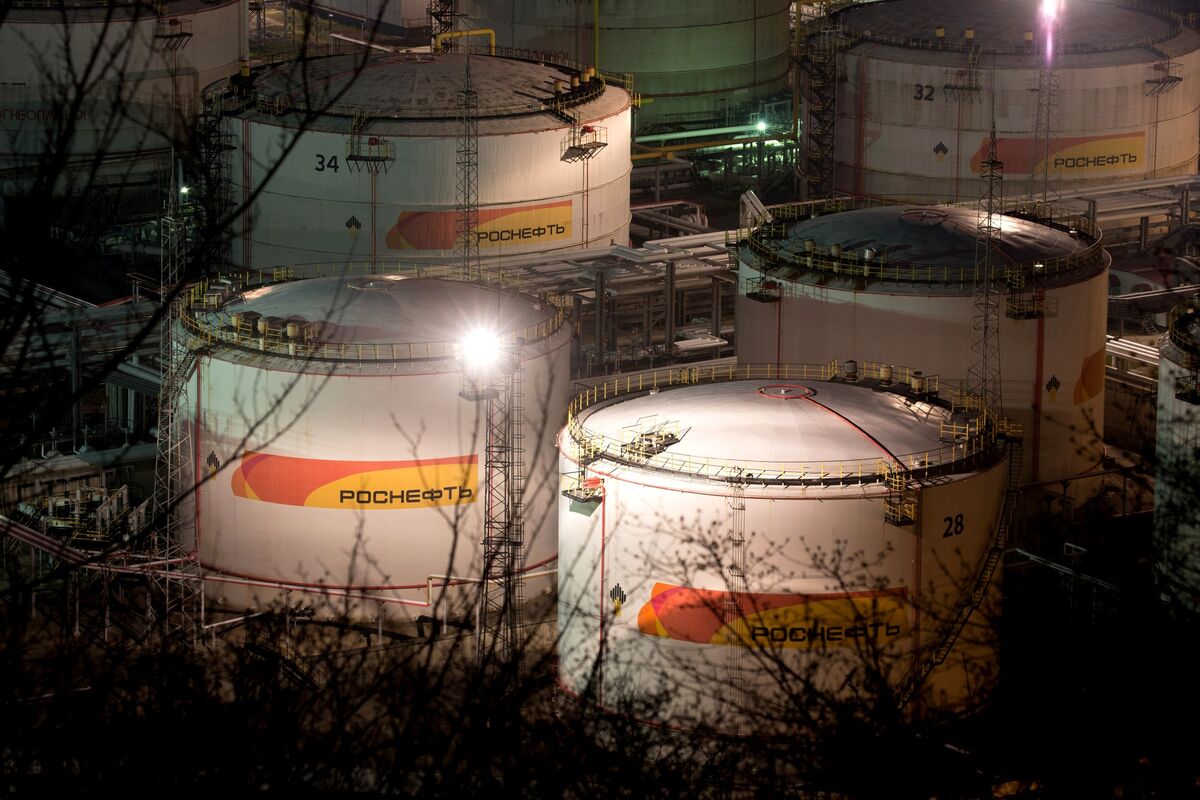
A rivalry among top Russian oil traders is disrupting Rosneft's operations and costing billions, amid Western sanctions and internal disputes, threatening Russia's crucial revenue streams and its war efforts in Ukraine.
Russia is offering India a special mechanism, likely including discounts, to continue importing Russian oil despite US threats of tariffs, as India remains a major buyer and seeks to avoid increased costs and disruptions in oil supply.
India has significantly increased its imports of Russian crude oil, especially after Western countries boycotted Russian oil in 2022, which benefits China as Western efforts to target India's oil trade could inadvertently strengthen China's position in the global energy market.
The U.S. Department of the Treasury has imposed its largest Iran-related sanctions since 2018, targeting a vast shipping network controlled by Mohammad Hossein Shamkhani that facilitates billions in oil and petroleum exports from Iran and Russia, using sophisticated methods to evade detection and sanctions, and involving numerous front companies and vessels across multiple jurisdictions.
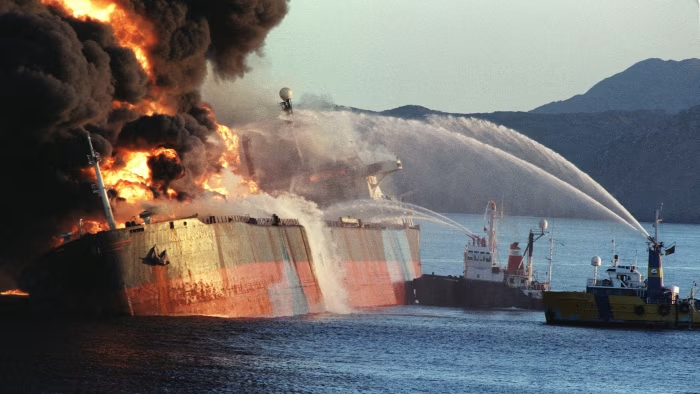
The article discusses the potential for Iran to initiate a new 'tanker war' by closing the Strait of Hormuz, a critical chokepoint for global oil and gas shipments, amid escalating tensions with the US. Historical context from the 1980s reveals Iran's capability to disrupt maritime traffic using mines and asymmetric naval tactics, which could lead to significant economic and military consequences. Experts warn that such actions could provoke a severe US military response, but also highlight the strategic risks for Iran, including economic repercussions and global market instability.
The U.S. Treasury has imposed its largest sanctions to date on Iran-backed Houthi entities, individuals, and vessels involved in illicit oil trading and smuggling operations in Yemen, targeting their financial and shipping networks to disrupt their support for terrorism.
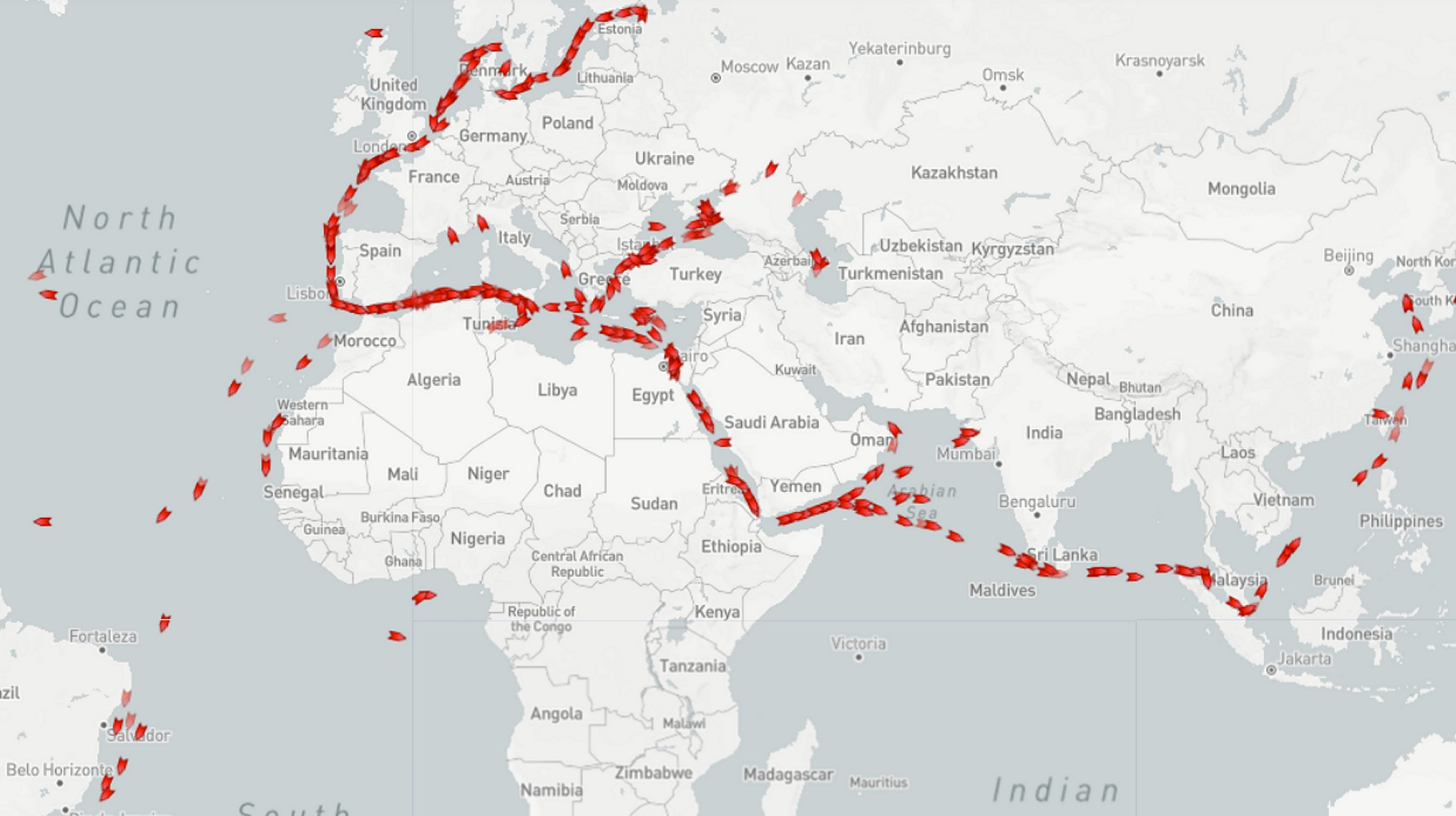
Russia has seen a surge in government revenue, largely due to a record $37 billion in crude oil sales to India, some of which was refined and exported to the United States, bypassing Western sanctions over Russia's invasion of Ukraine. The complex trade involves ship-to-ship transfers and a "shadow fleet" of crude tankers, allowing Russia to maximize profits and evade sanctions. India's increased purchases have weakened the impact of oil sanctions on Russia, providing the Kremlin with significant funds to sustain the war in Ukraine. The US and its allies have imposed sanctions on ships and companies suspected of aiding Russian crude trade, but the shadow fleet continues to grow, enabling Russia to enrich itself through complex refining and export processes.
India and the United Arab Emirates have completed their first oil trade without converting currencies to dollars, using the Local Currency Settlement (LCS) system established by a Memorandum of Understanding (MoU) between the two countries. The LCS system allows bilateral trade using the rupee and dirham, reducing costs and speeding up transactions. This move away from the dollar in global oil trade could have negative implications for the United States, as the majority of global oil sales are currently priced in dollars, ensuring constant demand for the currency. Other countries, such as Saudi Arabia, have also expressed openness to discussing trade in currencies other than the US dollar. While the dollar's role as the world reserve currency is not immediately threatened, the trend of de-dollarization could pose challenges in the future.
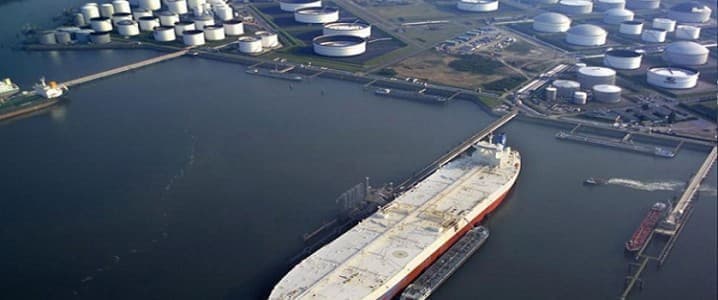
European tanker owners are benefiting from the EU's ban on imports of Russian crude and products and the EU and G-7's implementation of price caps. Russia is being forced to accept steep discounts on its crude and diesel, and its exports continue to flow. Tanker owners that legally transport Russian products under the price cap are earning "significantly over the standard freight rate." The biggest market for Russian diesel currently is Turkey, followed by North Africa, West Africa, Brazil, and the Middle East.