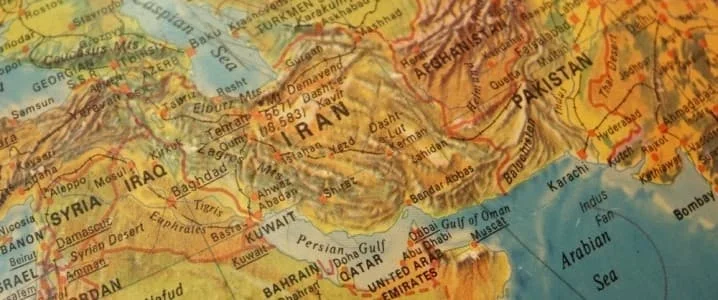
Oil prices surged above $80 per barrel as renewed US-Iran tensions in the Middle East raised fears of supply disruptions via the Strait of Hormuz, prompting gains across energy futures and related markets.
Rising Strait of Hormuz tensions threaten oil supplies, potentially lifting prices and inflation expectations while nudging Treasury yields higher. That, in turn, could tighten global liquidity and trigger a Bitcoin liquidity selloff, as crypto markets—especially crypto leverage—are sensitive to funding costs and macro risk, even if geopolitical events aren’t catastrophic. The piece frames oil shocks as a potential trigger for a broader market‑wide liquidity event that could depress Bitcoin and other high‑beta assets.
Oil prices jumped as fears of a supply disruption from the U.S.-Iran clash mount, with tanker traffic through the Strait of Hormuz effectively paused. WTI traded around $72.57/bbl and Brent near $79.41/bbl after reports of potential long-lasting disruption to roughly a third of global seaborne crude exports. Analysts warned prices could spike further if Hormuz traffic remains halted, with scenarios suggesting Brent could reach $100+ per barrel. Trump signaled ongoing operations with potential for de-escalation talks, but markets remain wary of sustained disruption.
Amid a potential U.S.-Israel strike on Iran and the possible closure of the Strait of Hormuz, Moscow is reportedly celebrating a predicted spike in global oil prices that could bolster Russia’s war-financing, with Kremlin figures and propagandists arguing higher prices would strengthen Russia’s energy leverage even as it calls for an end to the fighting.
OPEC+ approved a modest 206,000 barrels-per-day production increase for April, ending a three-month pause, but with Gulf shipping disruptions and Iran-related risks, analysts say the move may do little to calm markets as Brent nears $80 per barrel.
An OPEC+ coalition agreed to lift output by about 206,000 barrels per day to offset potential Iran-driven supply shortfalls after weekend strikes, signaling a measured response to geopolitical risk while avoiding oversupply; markets are watching the Strait of Hormuz for disruption, with expectations of higher oil and gasoline prices depending on the conflict’s scope.
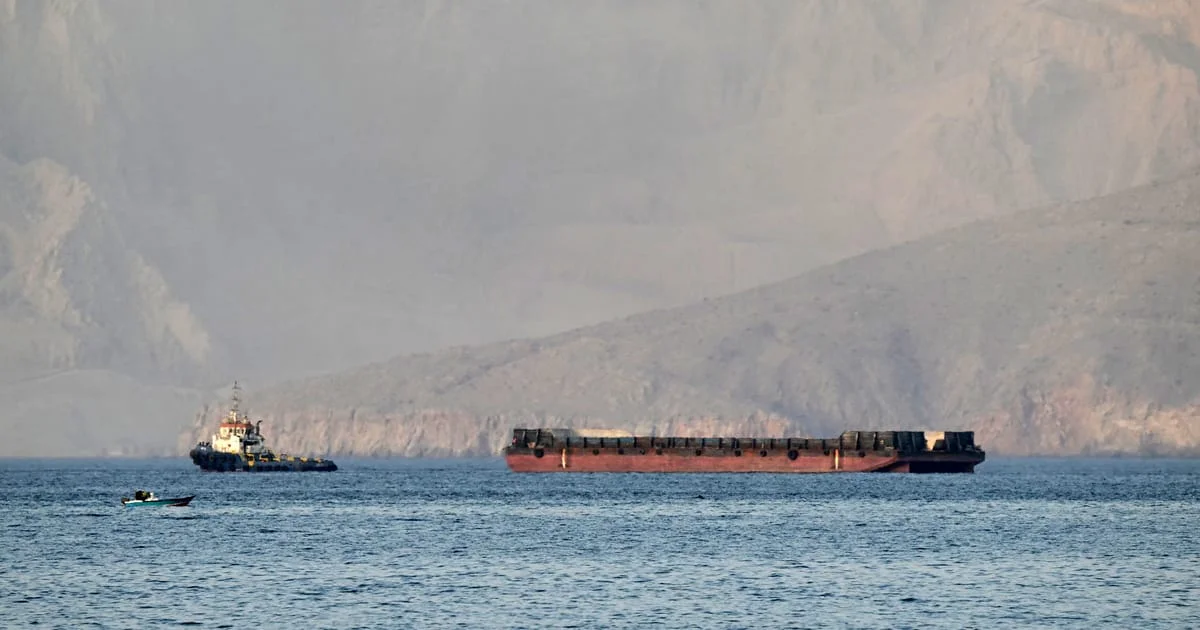
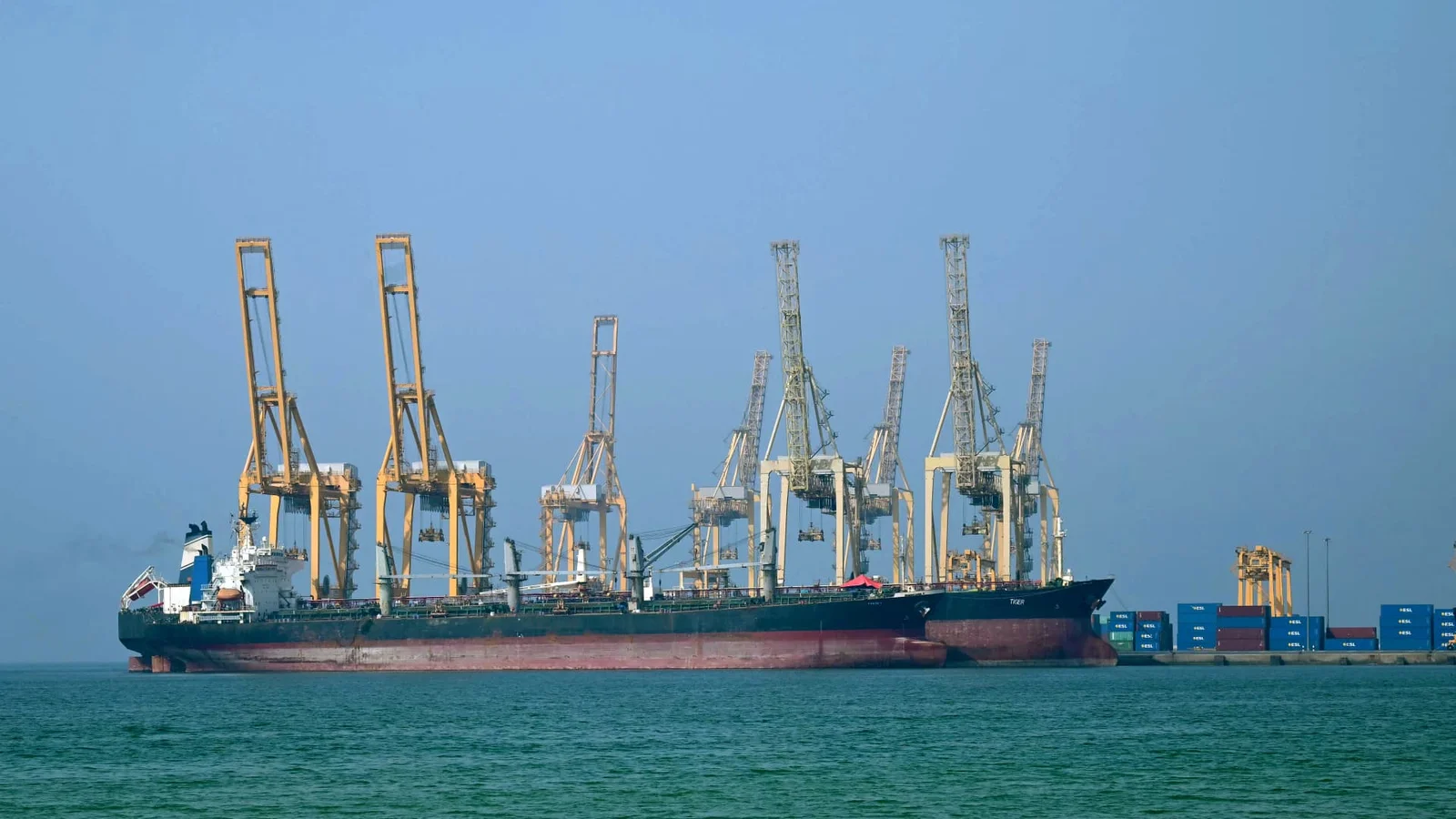
US-Israel attacks on Iran have provoked Iranian retaliation across the region and raised the risk of closing the Strait of Hormuz, a key chokepoint through which about 30% of seaborne crude and significant LNG flows move. While Iran has not officially closed the strait, shipping has slowed, with several tankers diverting or pausing amid heightened maritime risk. Analysts warn that a closed Hormuz could trigger a sharp, sustained spike in global oil prices, ripple into inflation, and pressure economies reliant on Gulf energy, particularly in Asia where most crude and LNG shipments head.
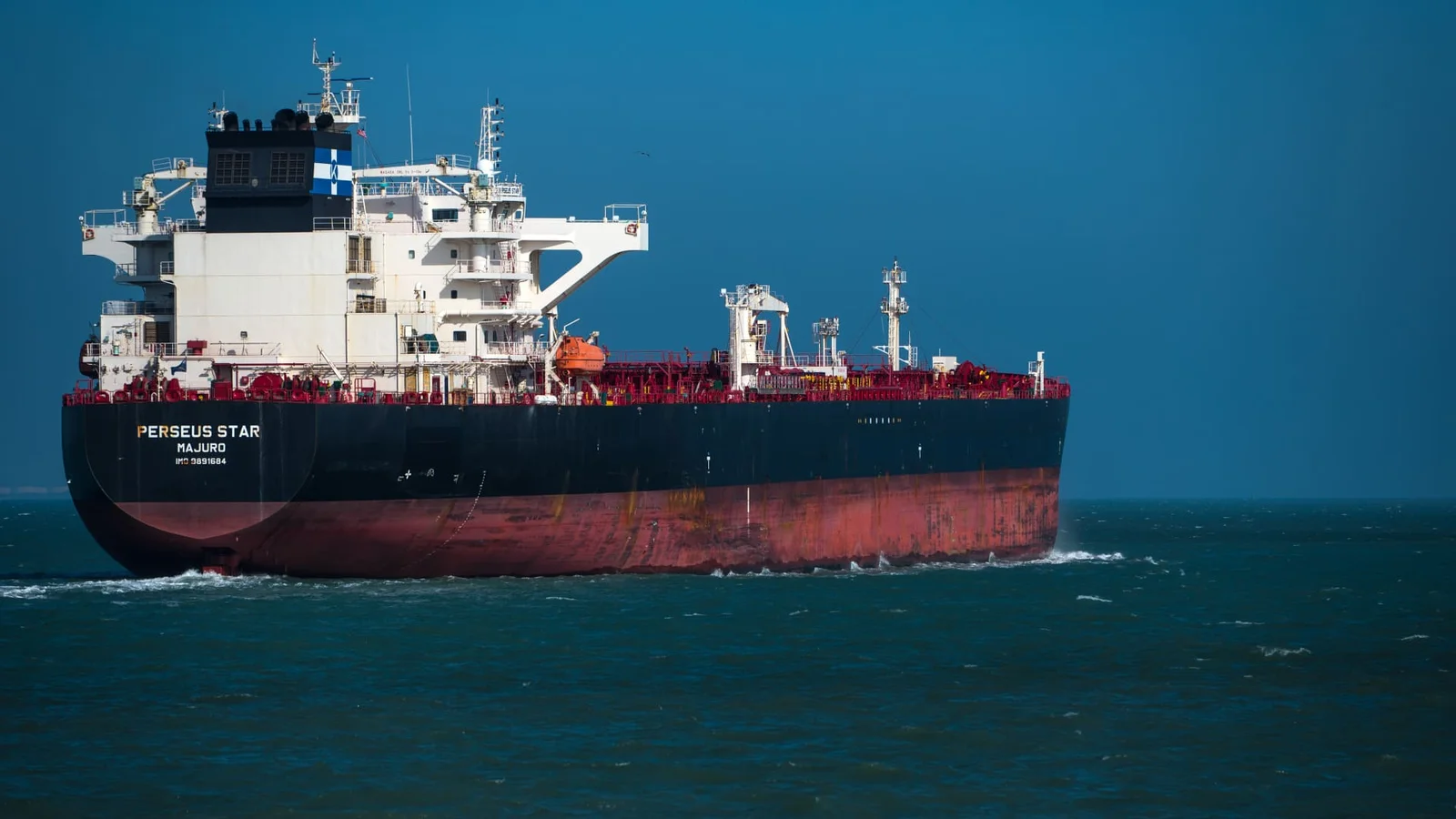
A Palau-flagged oil tanker named Skylight was attacked about five nautical miles north of Khasab, Musandam in the Strait of Hormuz; 20 crew were evacuated and at least four injured. No group claimed responsibility yet, but Iran warned the strait could be closed, prompting shipping suspensions and insurer withdrawals while oil markets react, with Brent near $100 a barrel and OPEC+ planning output discussions.
Oil markets are bracing for a potential supply shock after U.S. strikes on Iran raised the risk that flows through the Strait of Hormuz—through which about 13 million barrels per day (roughly 31% of seaborne oil) moved in 2025—could be disrupted. Analysts expect an initial knee-jerk price reaction when trading resumes, but the bigger question is whether tensions could trigger a sustained interruption of Gulf exports. Scenarios range from limited Iranian exports being halted to a full blockage of Hormuz; a closure could push oil into triple digits and LNG prices to record highs, depending on duration. Some experts warn the disruption could be three times the severity of the 1970s shocks, while the U.S. and allies would likely deploy escorts to protect shipping lanes. Lipow estimates a roughly 33% probability for a closure-like scenario, and Kavonic warns a full Hormuz disruption could be catastrophic for markets. Current price context cited: Brent around $72.5 and WTI around $62.0.}
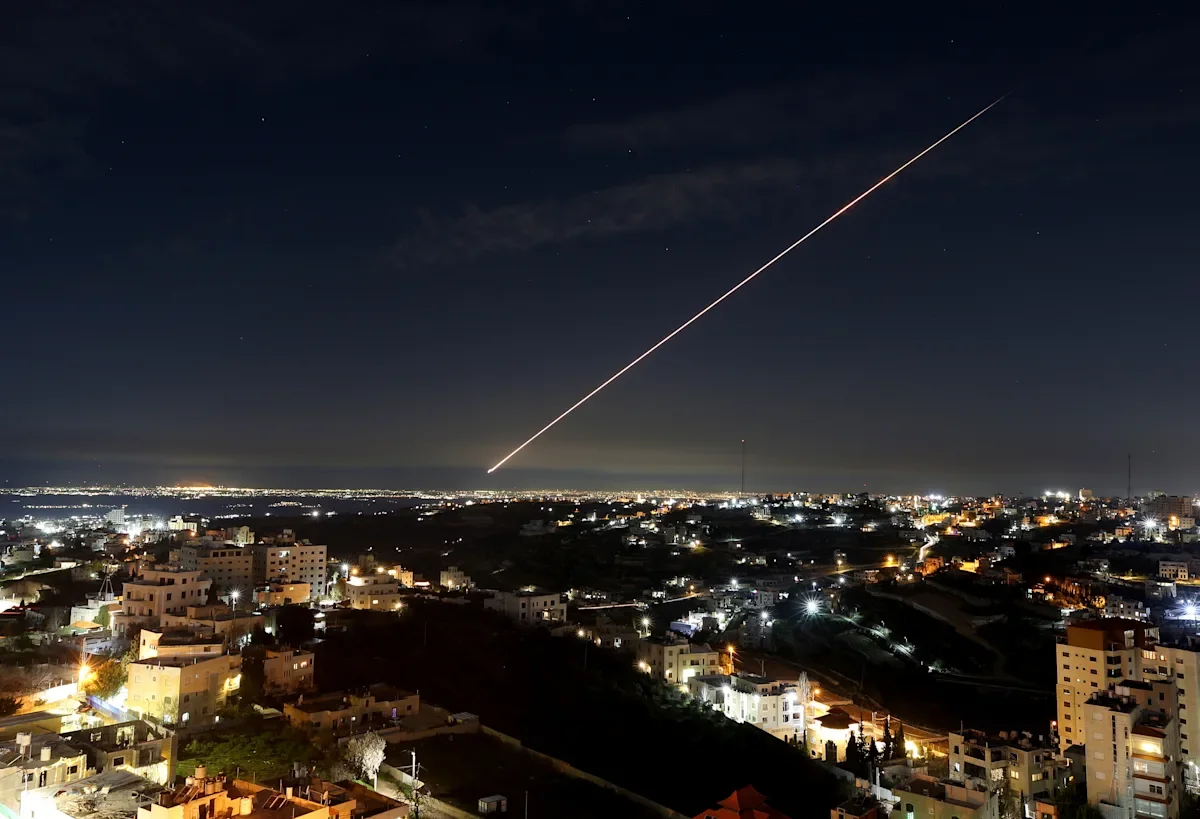
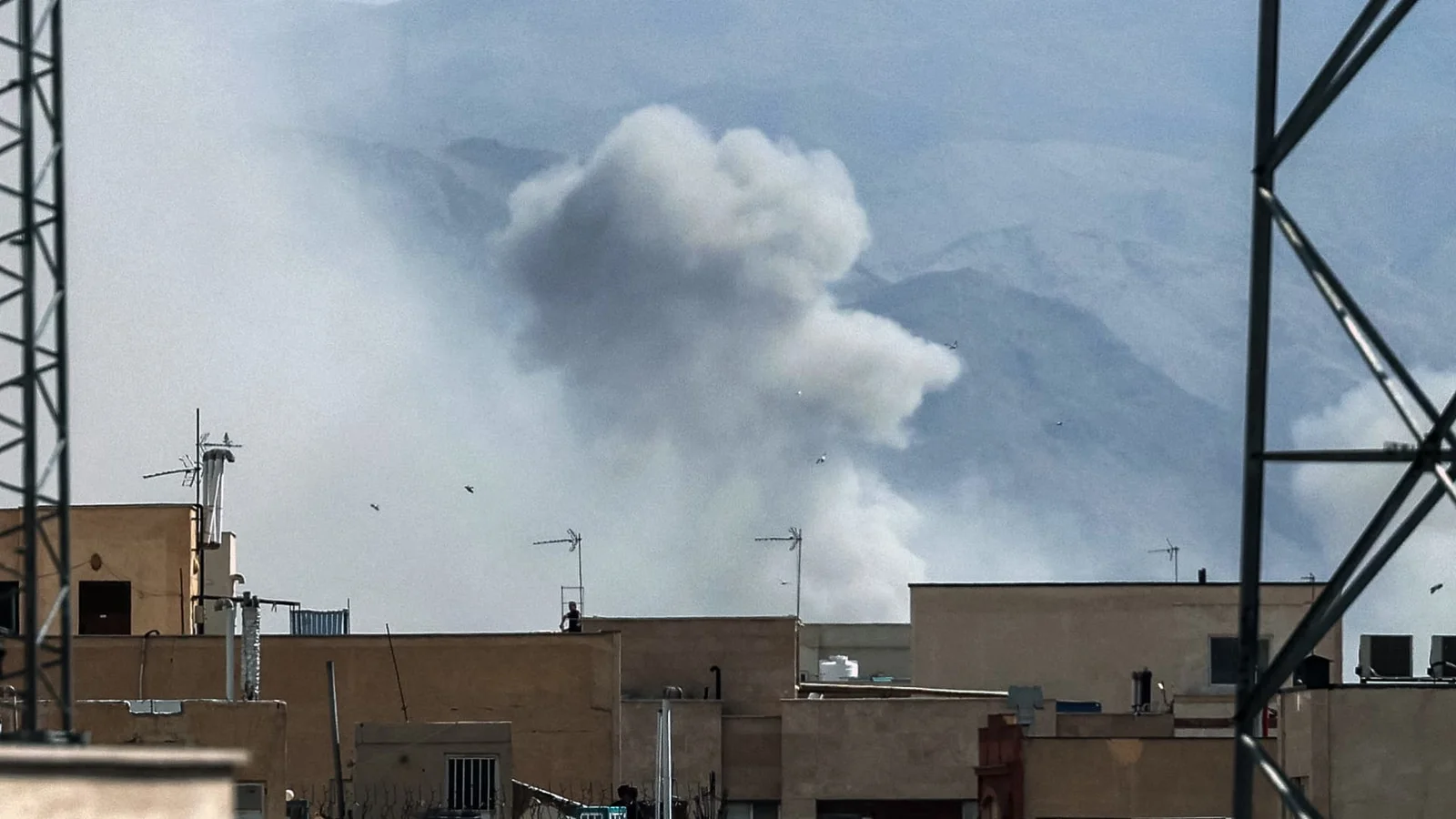
A U.S.-led strike on Iran, carried out with Israel, risks widening the conflict and disrupting global oil shipments through the Strait of Hormuz. While initial market reactions were muted, analysts warn that a broader conflict could push crude prices higher and complicate energy flows, depending on Iran’s retaliation and regional actions.
The U.S. has launched major combat operations in Iran, triggering expectations of heightened geopolitical risk and potential disruption to global oil flows via the Strait of Hormuz. Market watchers forecast higher oil prices and a risk-off shift into dollars, Treasuries, yen, and gold, with equities likely to open lower. The ultimate impact depends on whether the engagement is short-lived or escalates into a prolonged conflict; a prolonged showdown would pose greater downside for global markets, especially in Asia that relies on stable energy routes.
Oil prices hovered near six-month highs and were on track for their first weekly gain in three weeks as traders weighed potential US action against Iran and the risk of supply disruption via the Strait of Hormuz; a US Supreme Court ruling on tariffs had little market impact, while falling inventories and talks of renewed OPEC+ output underpin expectations of higher prices.
Brent crude climbed above $71 and WTI traded around $66 as traders priced in the risk of U.S. military action against Iran, citing stalled diplomacy and potential disruptions to Iranian supply and Persian Gulf flows through the Strait of Hormuz; the market appears tighter due to sanctions dynamics and a steeper Brent curve amid stalled Russia-Ukraine talks.
Oil prices jumped to their highest levels since last summer as markets priced in the risk of a U.S.-Iran confrontation and potential disruption to Persian Gulf supply, with Brent trading above $71 and WTI around $66 as traders weigh Iranian exports and the Hormuz chokepoint.
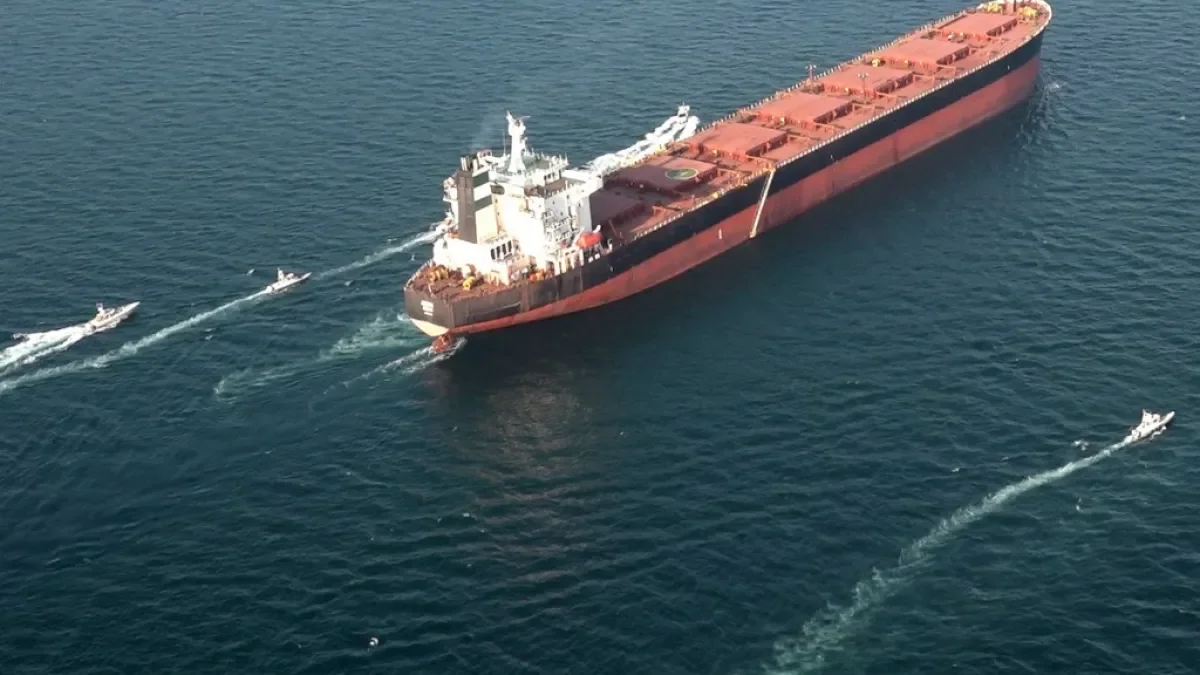
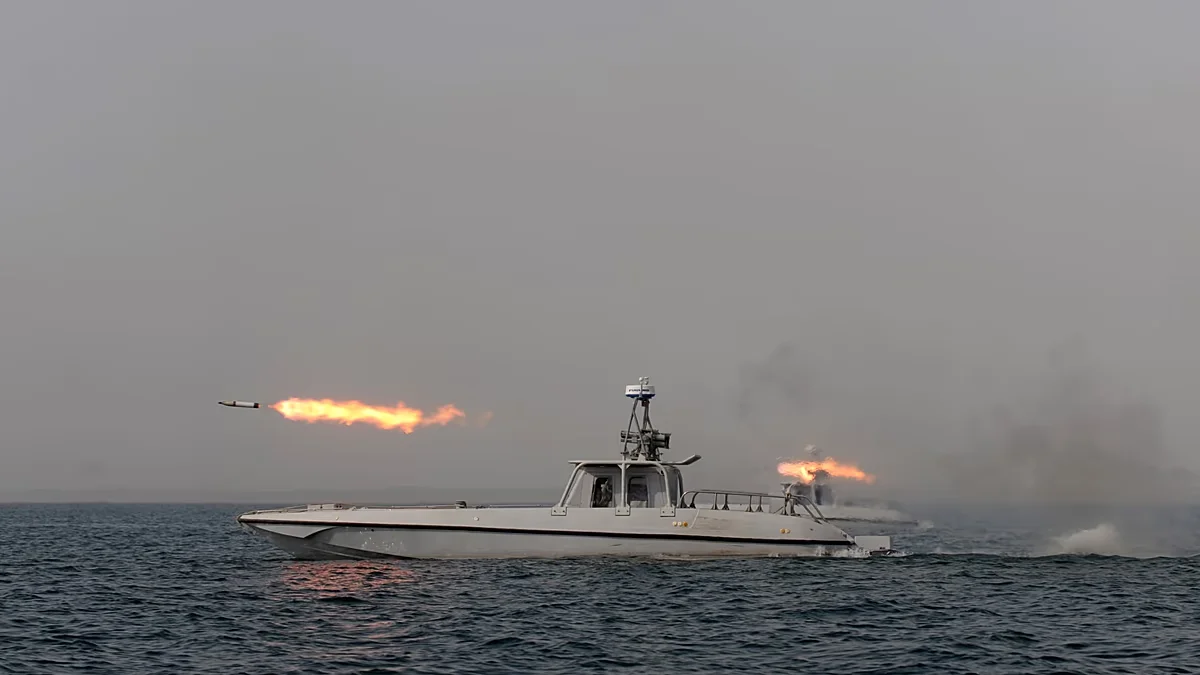
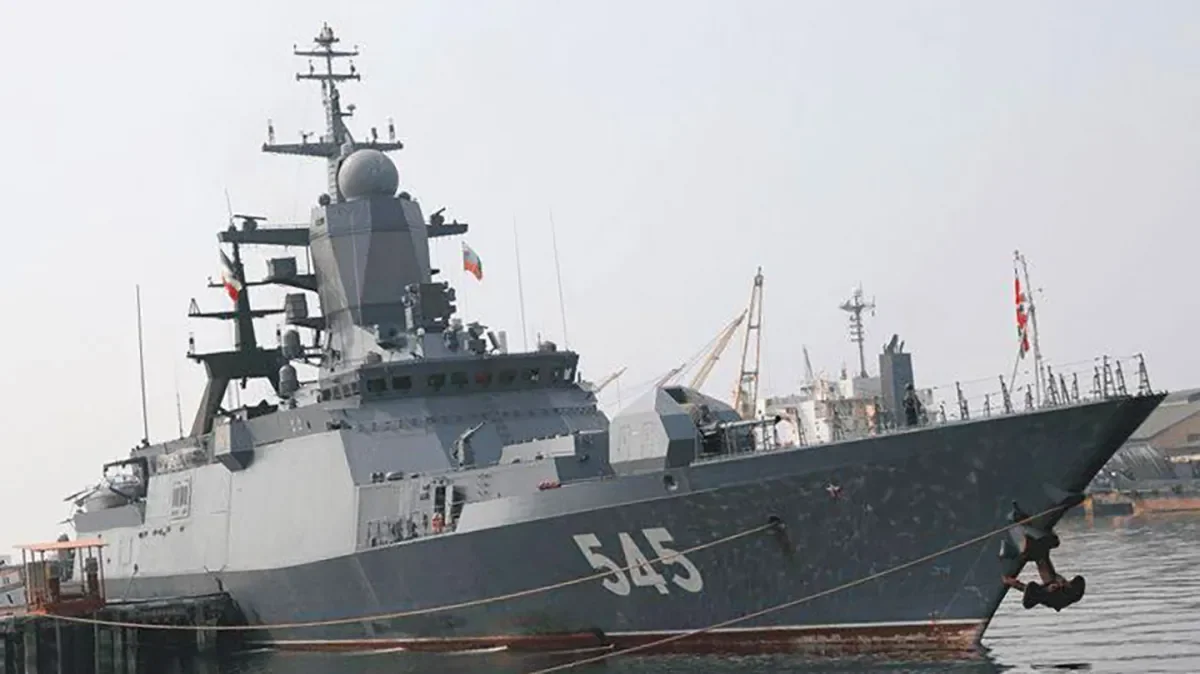
Iran, Russia, and China are staging the Maritime Security Belt 2026 naval exercise in Bandar Abbas in the Strait of Hormuz, a move viewed by analysts as signaling and deterrence rather than an immediate operational threat to U.S. forces, with observers noting it could complicate strikes but not necessarily change the risk calculus in the near term.