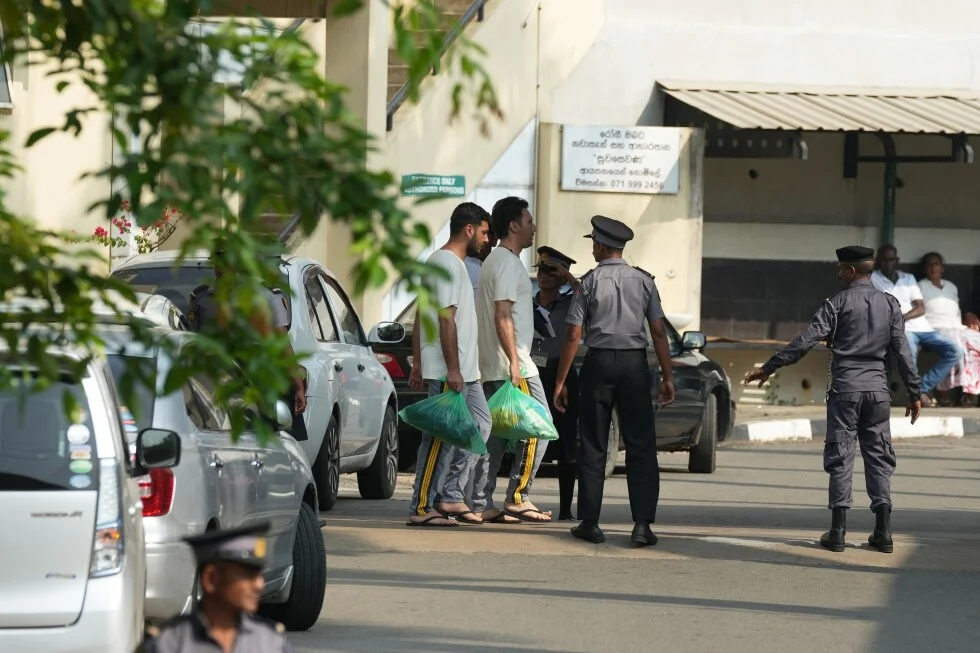
Legal experts say the U.S. strike on Iran’s warship IRIS Dena did not violate international law, and two Iranian sailors were rescued by Sri Lanka’s navy after the incident.
Prediction markets are pricing in a U.S.-Iran ceasefire by late spring, a development that could influence risk sentiment and oil prices, with equities reacting to the shift.
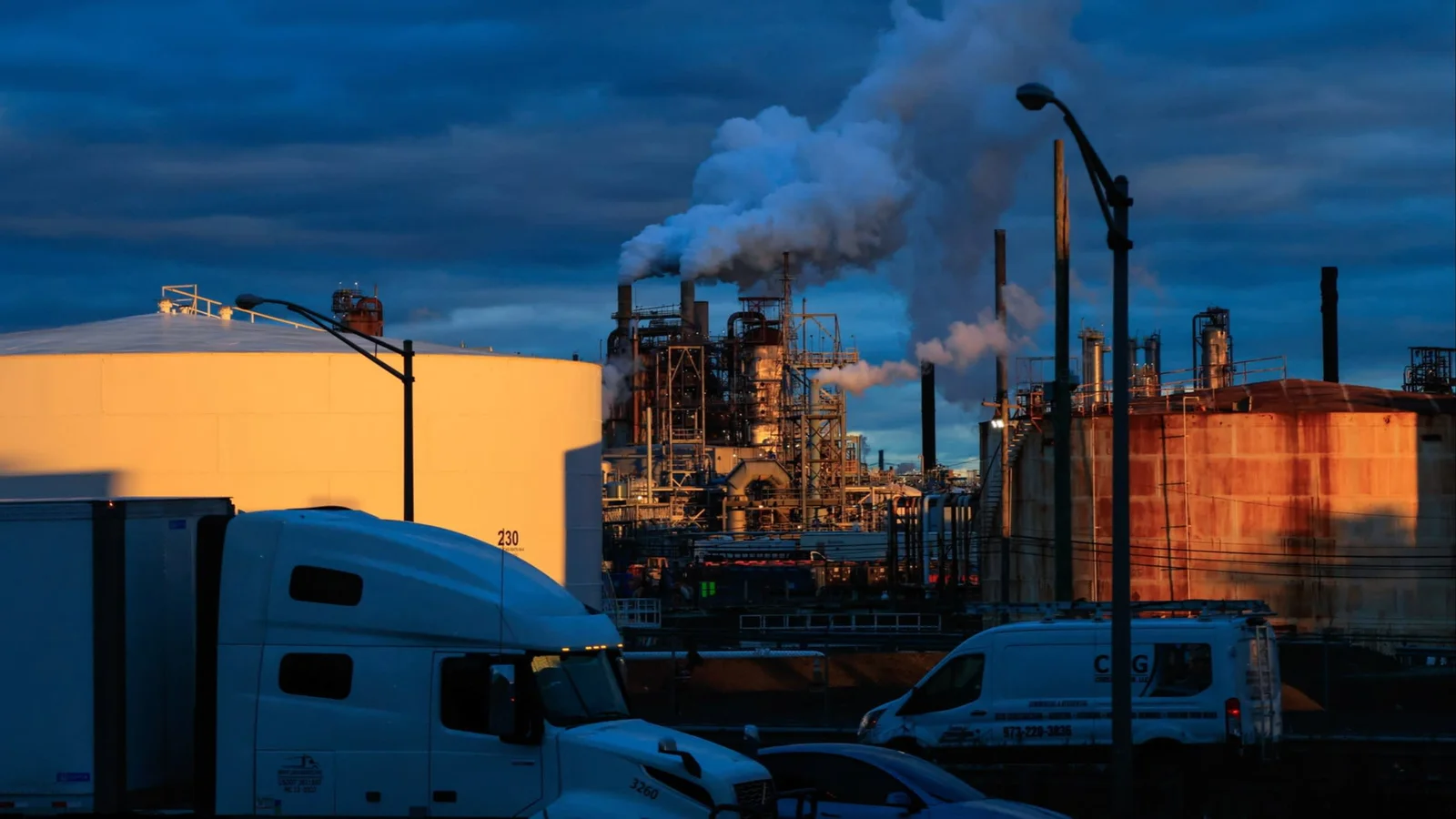
Oil prices surged above $80 per barrel as renewed US-Iran tensions in the Middle East raised fears of supply disruptions via the Strait of Hormuz, prompting gains across energy futures and related markets.
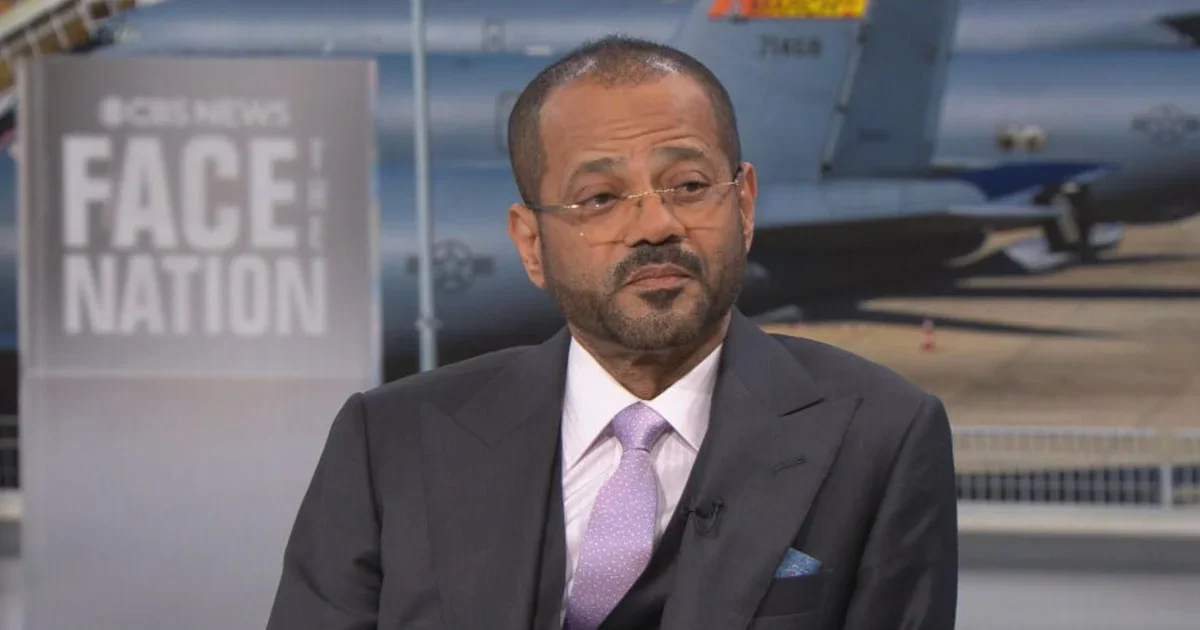
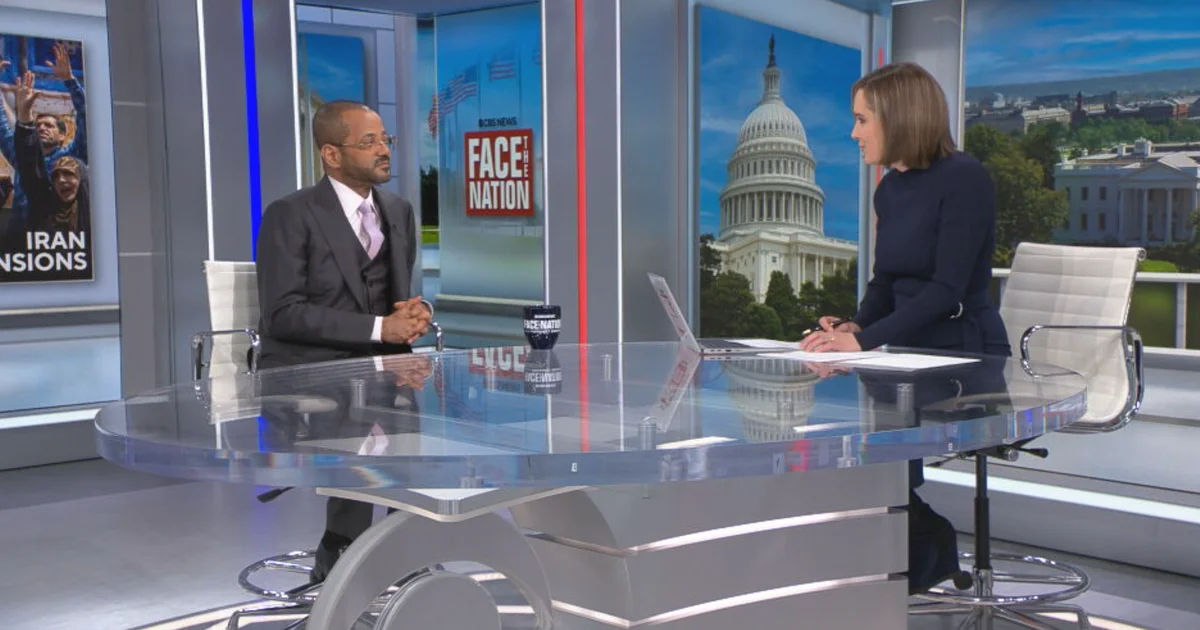
An Omani foreign minister mediating U.S.-Iran talks tells CBS News that substantial progress has been made toward a nuclear deal, including limits on enrichment, conversion of stockpiles to fuel, and potential full IAEA access for verification; officials plan to hold technical talks in Vienna, with Trump weighing strikes and seeking a durable agreement.
Omani Foreign Minister Badr Albusaidi tells CBS' Face the Nation that a comprehensive U.S.–Iran nuclear agreement is within reach through diplomacy, citing a breakthrough to eliminate stockpiling of enriched material with full IAEA verification and down-blending of stockpiles, and noting a potential three‑month window to implement the deal as Vienna talks proceed; he warns that military action would complicate or delay resolution and says additional time may be needed to finish remaining details.
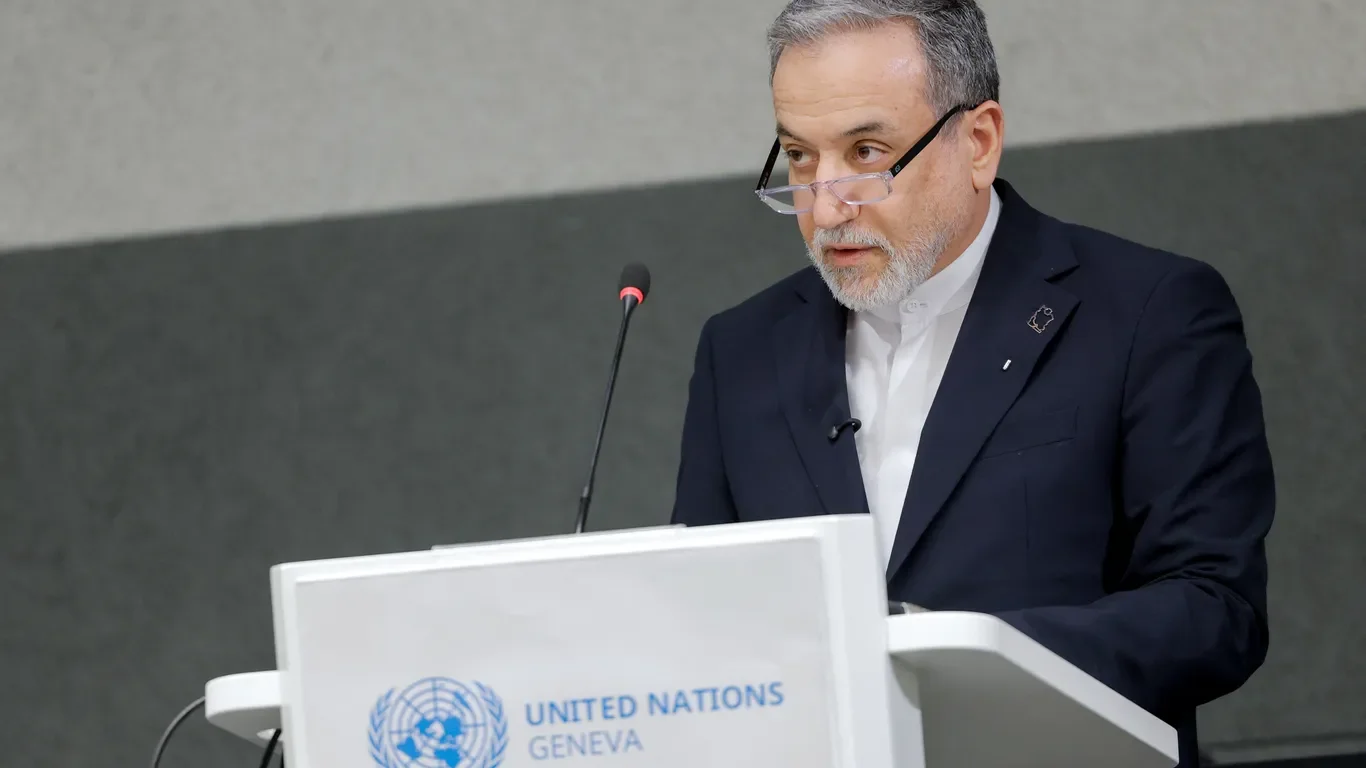
Oman-mediated indirect talks in Geneva between the US and Iran on Tehran's nuclear program ended without a deal, though mediators said there had been significant progress and that technical talks would resume in Vienna next week; core issues such as Iran's right to enrich uranium and the fate of its stockpiled highly enriched uranium remain unresolved, with Iran calling the rounds among the most intensive yet and planning further discussions within a week.
In Geneva, the U.S. and Iran report progress toward a possible nuclear agreement, with Iran offering to return in about two weeks with detailed proposals and both sides agreeing on guiding principles to steer talks, though substantial gaps and technical details remain; meanwhile the U.S. has begun moving additional forces to the Middle East in a show of pressure.
U.S. officials say Iran rejected a plan to keep Friday’s talks in Istanbul and instead move them to Oman in a bilateral format focused only on nuclear issues. Washington refused the shift, saying it was “this or nothing,” raising the risk that the talks—originally to include both direct U.S.-Iran discussions and wider multilateral talks—will collapse for now. If Iran returns to the original format, the U.S. says it’s willing to meet this week or next. Officials warn the standoff could block a diplomatic path and push toward military options, as the two-track approach to address Iran’s nuclear program, missiles, and other concerns remains unresolved.
Iran wants fast, stabilising talks with the US before bringing regional partners on board, with Oman set as the next venue; regional mediators frame themselves as potential guarantors later. Washington maintains ambiguity, while core issues—ballistic missiles, uranium enrichment, and regional deterrence—remain unresolved. Diplomacy has deferred war for now, but success hinges on substantive concessions rather than format or venues, keeping a fragile window open.
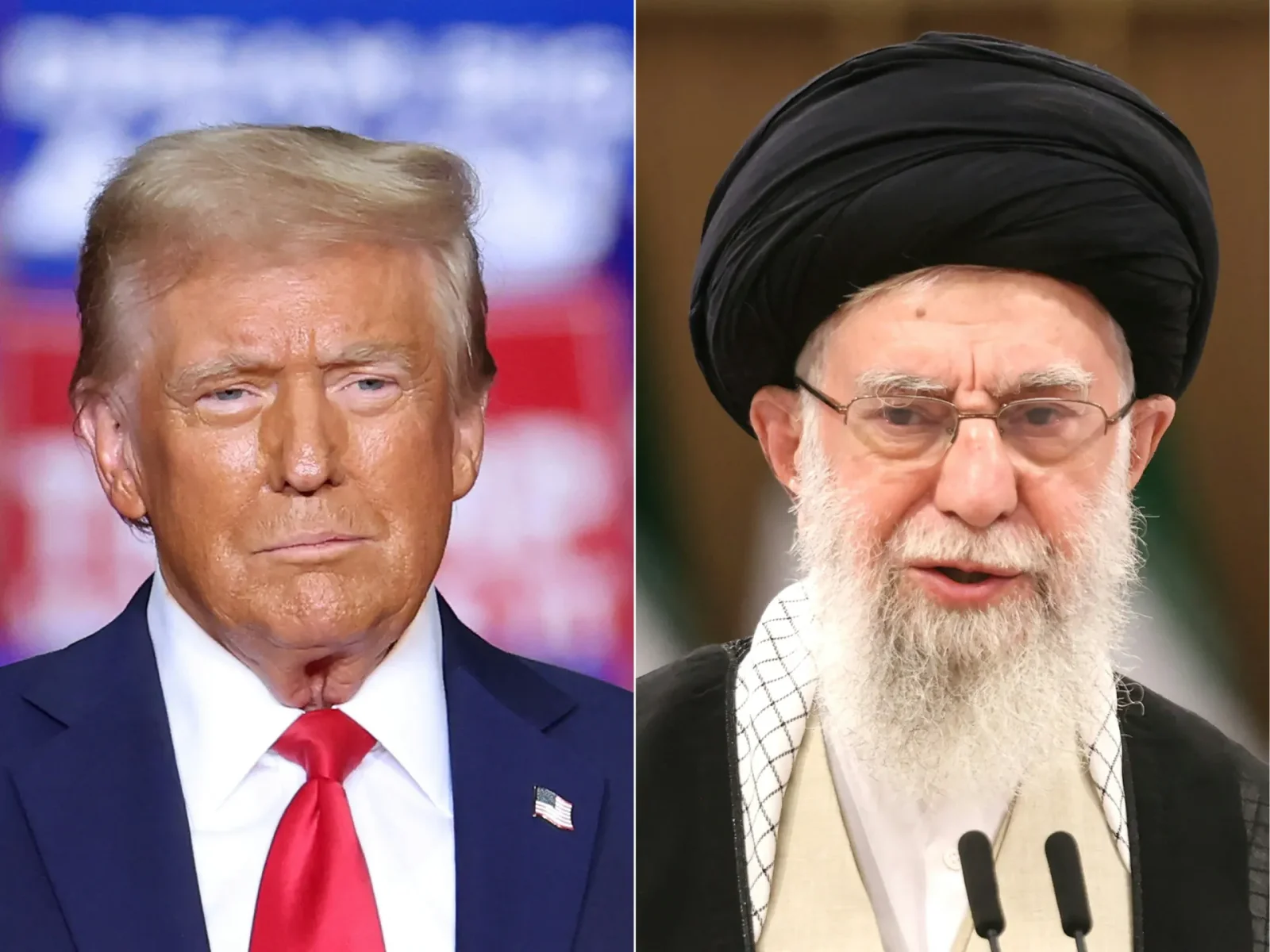
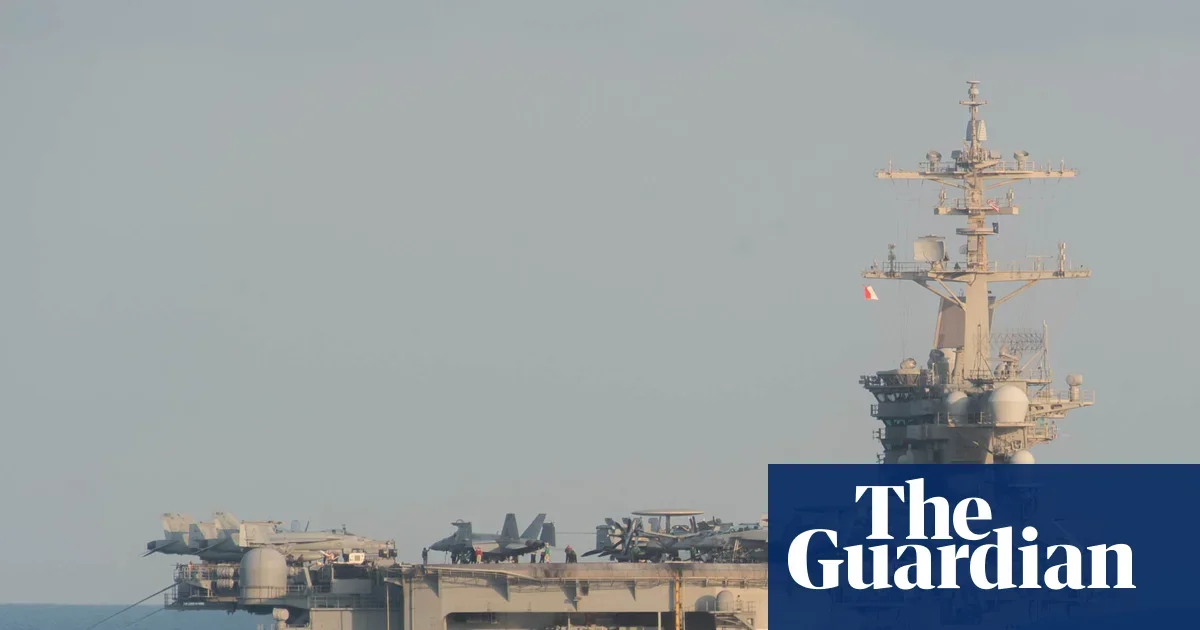
President Trump warned that time is running out for Iran to strike a nuclear deal as a large U.S. carrier strike group, including the USS Abraham Lincoln, closes in on the region, signaling a possible imminent military option; Iran and its allies push for talks without preconditions and vow to defend themselves if attacked, while regional powers seek to reopen diplomacy and separate nuclear issues from missiles and proxies.
The US has been holding secret talks with Iran to limit Tehran's nuclear program and free imprisoned Americans, aiming to reach an informal agreement to prevent further escalation in their hostile relationship. Iran would agree not to enrich uranium beyond 60% purity, halt lethal attacks on American contractors in Syria and Iraq, expand cooperation with international nuclear inspectors, and refrain from selling ballistic missiles to Russia. In return, the US would avoid tightening sanctions, not seize oil-bearing foreign tankers, and not seek new punitive resolutions at the UN or the International Atomic Energy Agency against Iran for its nuclear activity.