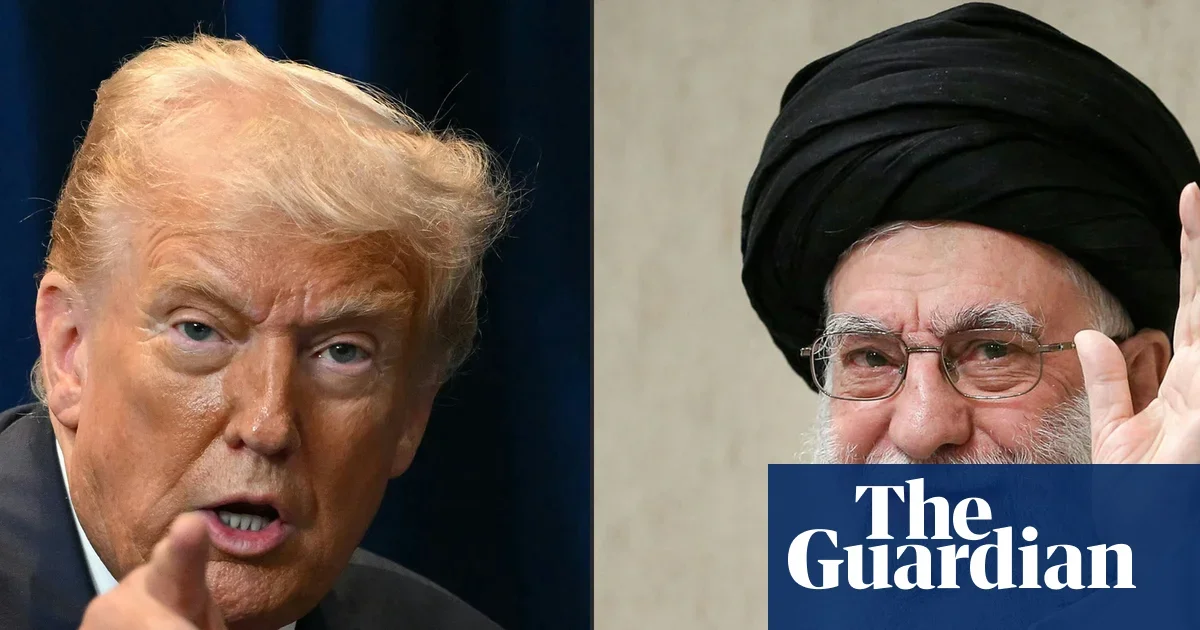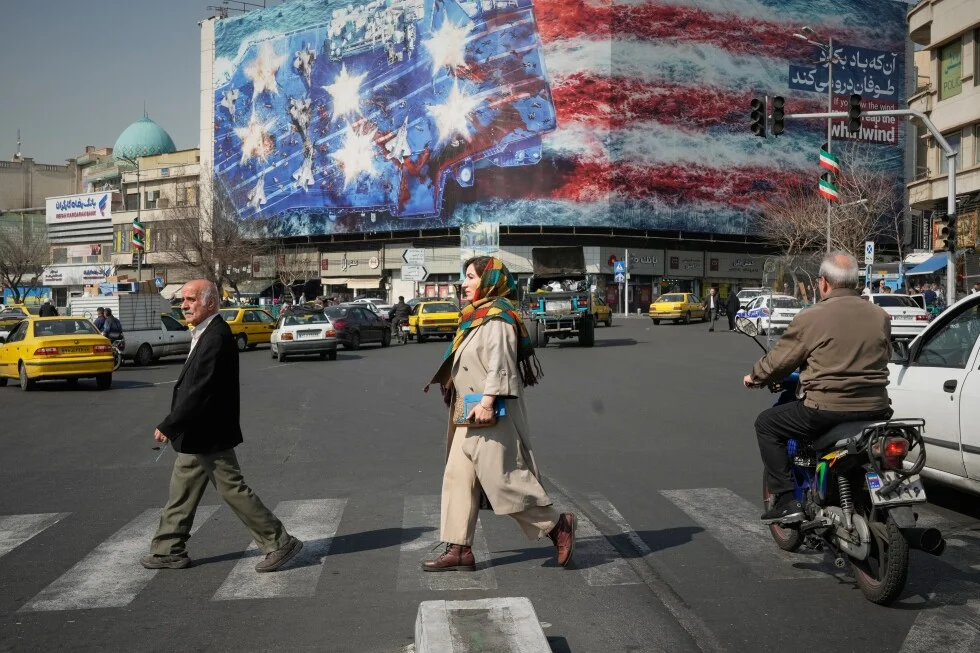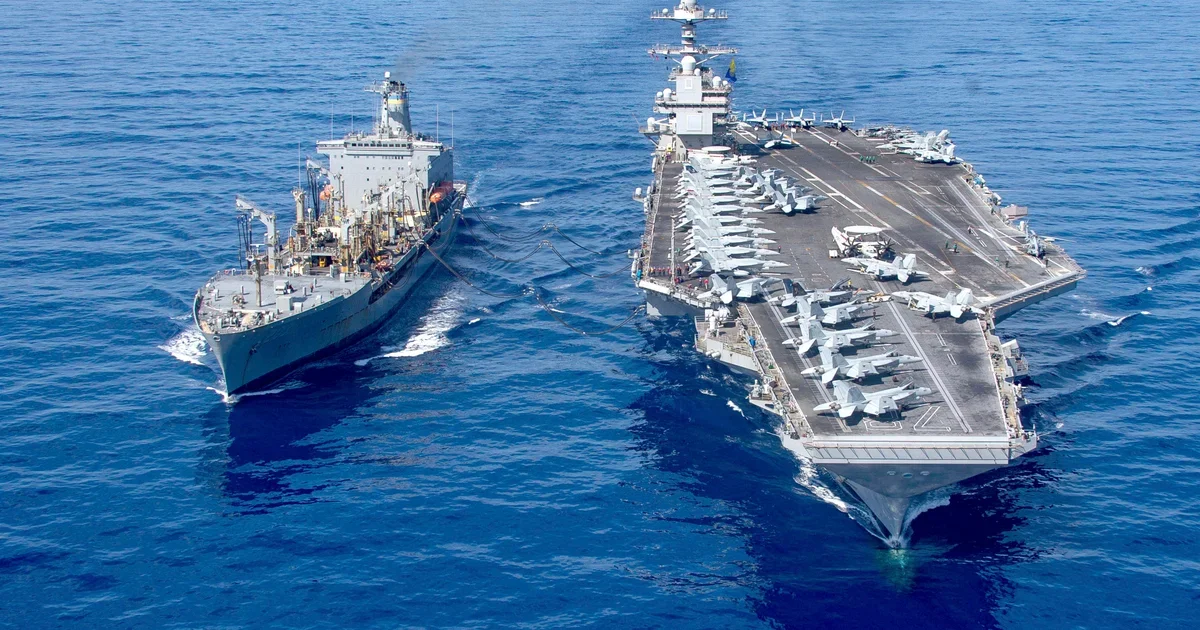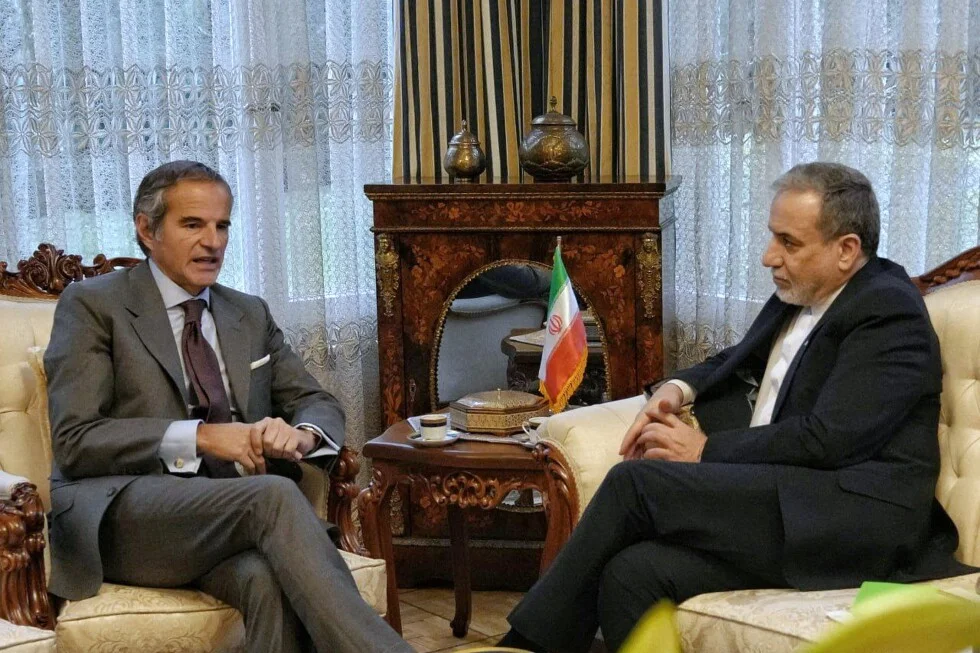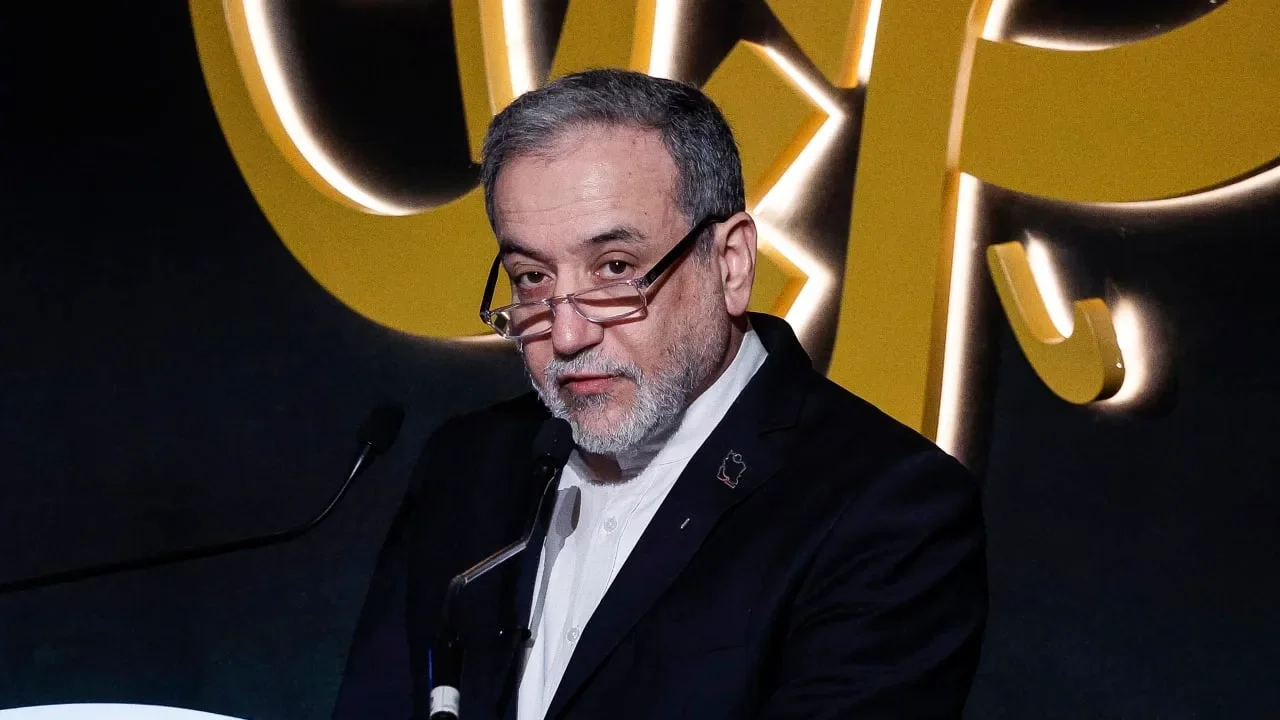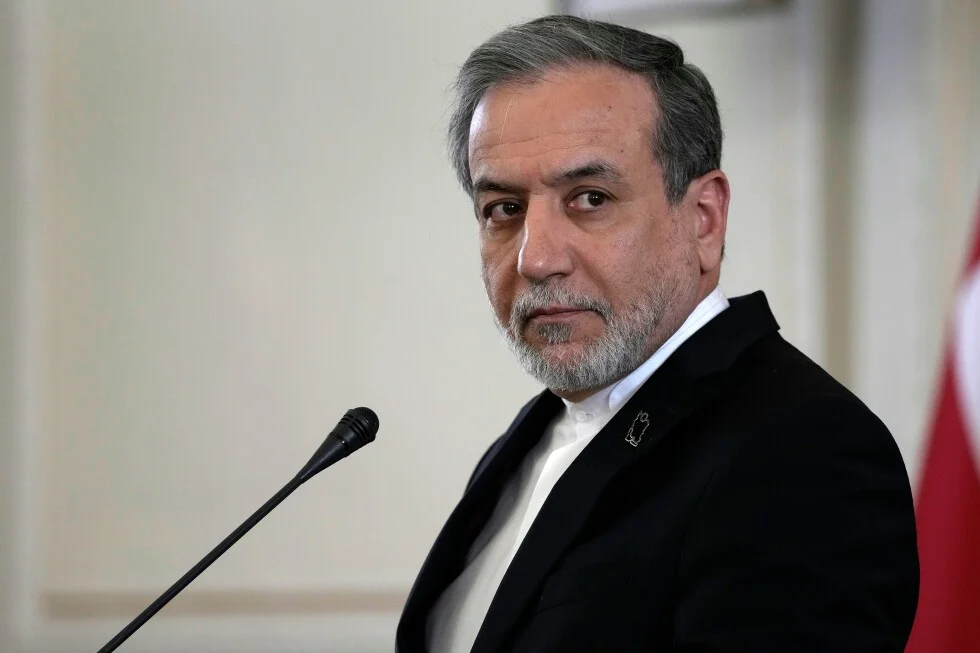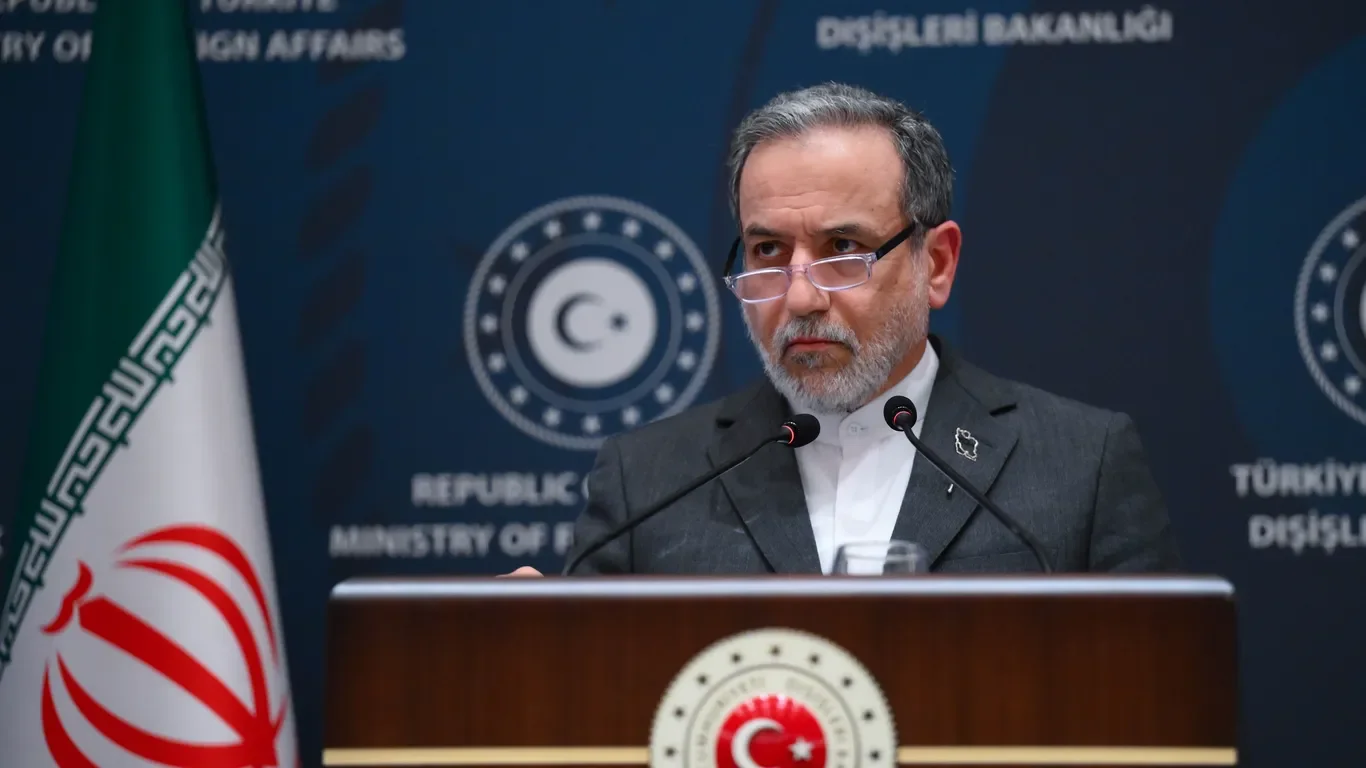
Iran's foreign minister urges Trump to defy Netanyahu and restart nuclear negotiations with Iran, emphasizing regional support and the potential for a diplomatic breakthrough amid regional shifts and protests in Iran, while criticizing Israeli claims and US policies.
U.S. President Donald Trump is expected to visit South Korea and there is speculation about a possible meeting with North Korean leader Kim Jong Un, which could be the first since 2019. While prospects for a quick summit are uncertain due to North Korea's increased nuclear capabilities and shifting diplomatic leverage, some experts believe a meeting could happen in the coming months, potentially impacting ongoing denuclearization efforts and regional security dynamics.
Iran is willing to resume nuclear negotiations with the US if certain conditions are met, including recognition of Iran's rights under the NPT, trust-building measures, and assurances against military escalation, ahead of a meeting with European powers in Istanbul.
Iran is willing to resume nuclear negotiations with the U.S. but remains distrustful due to past U.S. actions and concerns over potential military attacks. Iran will discuss sanctions and nuclear compliance with European allies in Istanbul, emphasizing the need for independent negotiations and cautioning against pre-coordination with the U.S. amidst ongoing tensions and recent attacks on nuclear sites.
The US plans to hold direct nuclear talks with Iran in Oslo next week, marking a potential shift towards diplomacy after recent tensions and strikes on Iran's nuclear sites. The meeting, if confirmed, would be the first since US military actions and could focus on Iran's uranium stockpile and compliance with nuclear agreements amid Iran's suspension of IAEA cooperation.
Iran has expressed willingness to return to negotiations with the US amid a fragile ceasefire in its conflict with Israel, which followed 12 days of strikes impacting nuclear facilities. Both Iran and Israel claimed victory, with Iran emphasizing its right to peaceful nuclear use and Israel asserting it achieved its objectives. The international community responded cautiously, and the situation remains tense with ongoing regional conflicts and concerns over nuclear proliferation.
Iran and Israel exchanged missile attacks amid Iran's refusal to negotiate over its nuclear program, escalating tensions with no immediate resolution in sight, while international efforts to mediate continue amidst regional instability.
Israel has reportedly asked Iran through Western mediators to cease retaliatory attacks and re-engage in nuclear negotiations with the US, amid ongoing tensions and recent military conflicts in the region. The US and Iran have held multiple rounds of indirect talks, but progress remains uncertain as violence continues and diplomatic efforts face challenges.
Iran has dismissed ongoing nuclear negotiations with the US as 'meaningless' following Israel's largest-ever military strike against Iran, accusing Washington of supporting the attack and undermining diplomatic efforts. The situation has cast doubt on the upcoming US-Iran nuclear talks scheduled in Muscat, amid tensions over Iran's nuclear program and regional conflicts.
Iran's senior leaders did not expect Israel to strike before upcoming nuclear talks, leading to a miscalculation that resulted in extensive damage from Israeli strikes, which Iran initially dismissed as propaganda.
Senior Israeli officials are planning to meet with a U.S. envoy to discuss Iran amid rising tensions and fears of a potential Israeli military strike on Iran's nuclear facilities, with ongoing diplomatic efforts and regional security concerns escalating in the Middle East.
Western intelligence officials believe Iran is exploiting ongoing nuclear negotiations to modify its nuclear facilities, making potential military strikes less effective, while stalling negotiations to buy time and possibly create divisions between the US and Europe. Iran is also advancing underground nuclear and military sites, including a new facility at Natanz, amid debates over the future of the Iran nuclear deal and sanctions mechanisms.
The Trump administration proposes a temporary arrangement allowing Iran to continue low-level uranium enrichment while working towards a broader deal that would prevent Iran from developing nuclear weapons, including building nuclear power reactors and regional enrichment facilities, as a step towards potential compromise.
President Trump expressed optimism about recent U.S.-Iran nuclear negotiations, suggesting that significant progress has been made and that there may be good news soon, despite ongoing disagreements over uranium enrichment and the future of Iran's nuclear program.
Iran is engaging in talks with European countries in Geneva to resolve a nuclear program impasse before Donald Trump potentially resumes the US presidency. The discussions aim to address Iran's uranium enrichment and military cooperation with Russia, with the EU considering lifting some sanctions. Tensions are high, with Iran criticizing Europe's stance on various issues, including Ukraine and human rights. The outcome of these talks could influence future sanctions and Iran's nuclear policy.