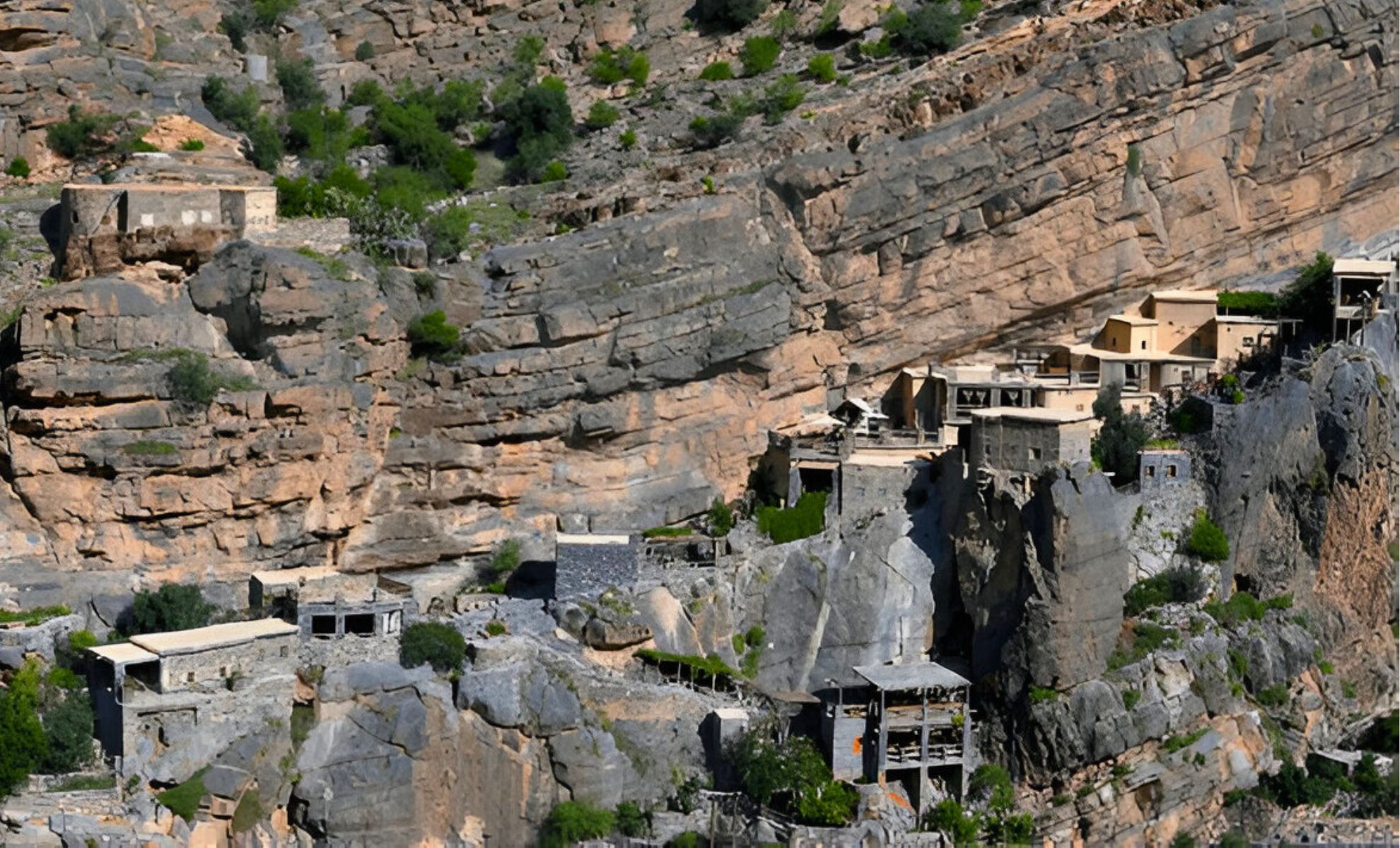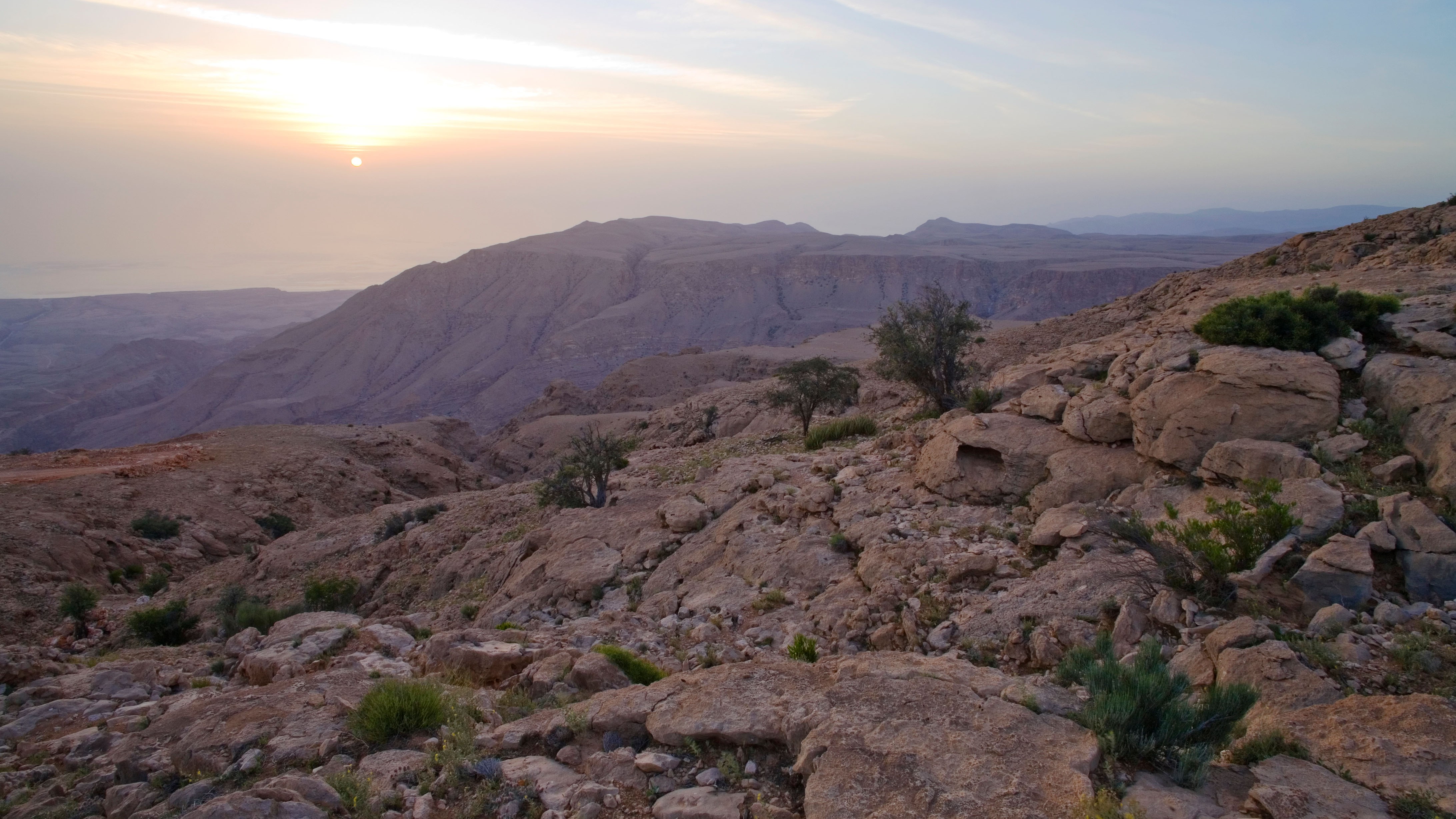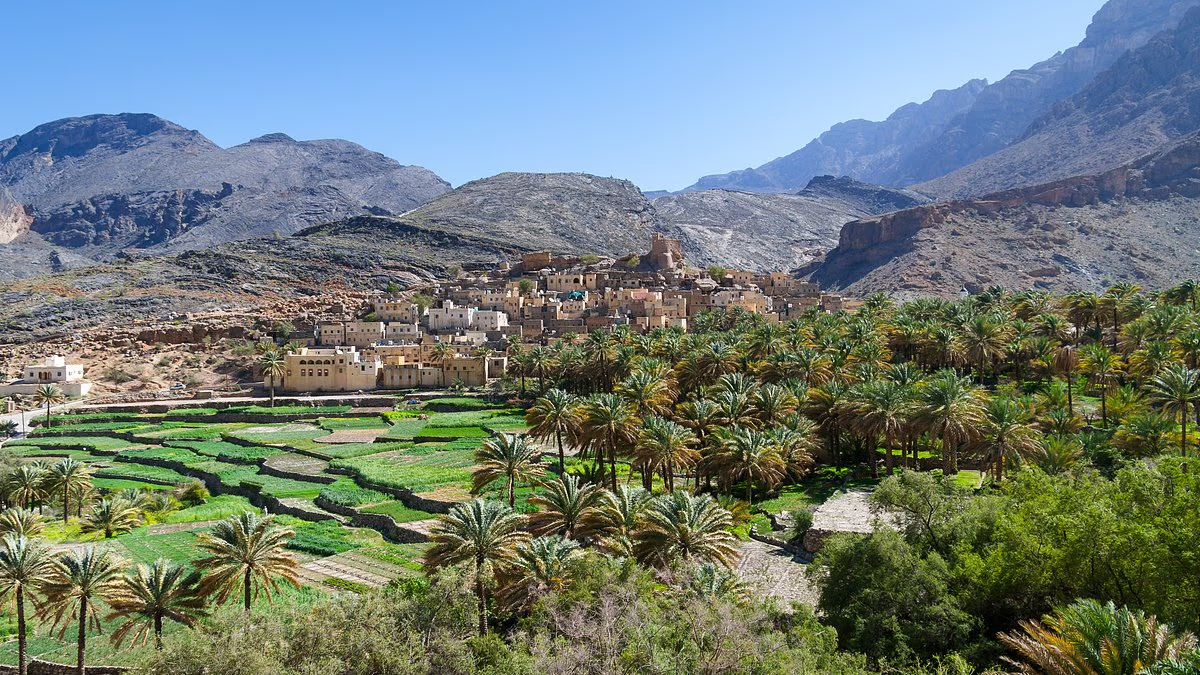
Scientists have discovered a mysterious 'phantom' mantle plume beneath Oman, called the Dani plume, which influences regional land uplift and may have played a role in the movement of the Indian tectonic plate and the formation of the Himalayas. This unique, heat-rich structure challenges existing models of Earth's internal processes and suggests the mantle may be more active and complex than previously thought.
Scientists discovered a 'ghost' mantle plume beneath Oman that doesn't cause volcanic eruptions but may have influenced the movement of the Indian tectonic plate during its collision with Eurasia, shedding light on hidden geological processes beneath continental plates.
Scientists have discovered a mysterious 'ghost plume' of hot rock beneath eastern Oman, which suggests that Earth's core may be leaking heat faster than previously thought. This invisible mantle plume, detected through seismic wave analysis, does not produce surface volcanic activity due to a thick rock lid, but its existence could imply many more such plumes worldwide, impacting our understanding of Earth's internal heat distribution and tectonic processes.
Scientists have identified a 'ghost' mantle plume beneath Oman, a hot rock column with no surface volcanic activity, which could reshape understanding of Earth's internal heat flow and geological processes. The discovery, based on seismic data and computer modeling, suggests the existence of similar hidden plumes worldwide, potentially impacting models of Earth's thermal evolution.
At least six people, including a police officer, were killed and over two dozen injured in a shooting near the Imam Ali mosque in Oman’s Wadi Al-Kabir region during the Shi’ite observance of Ashura. The Royal Oman Police neutralized three attackers. Among the dead were four Pakistanis, and one Indian citizen was also killed. The US embassy in Muscat has issued a security alert, and an investigation is ongoing.
A search operation is ongoing for 16 missing crew members, including 13 Indians, after the oil tanker Prestige Falcon capsized off the coast of Oman. The vessel, en route to Yemen, sent a distress call before capsizing. Oman's maritime authorities and India's navy are involved in the rescue efforts. The tanker remains submerged and inverted, with no confirmation on whether its contents have spilled.
An oil tanker named "Prestige Falcon" capsized off the coast of Oman, leaving 13 Indian crew members missing. The vessel, which also had three Sri Lankan crew members, remains submerged and inverted. The incident was reported on Monday, and the tanker was en route from Dubai to Aden. The status of potential oil leakage has not been confirmed.
A shooting at the Imam Bargah Ali bin Abu Talib mosque in Muscat, Oman, left six people dead, including two Pakistanis, and wounded 28 others. The Royal Oman Police killed three gunmen involved in the attack. The motive remains unclear, and the U.S. Embassy in Oman has issued a warning for Americans to avoid the area.
A rare shooting by multiple attackers at a Shiite mosque in Muscat, Oman, killed five people and wounded dozens, including a police officer. The attack, which occurred on the eve of Ashoura, left three attackers dead. Pakistan confirmed four of its nationals were among the dead and 30 were injured. The U.S. Embassy advised citizens to avoid the area, and both Pakistan and Iran condemned the attack.
An oil tanker named Prestige Falcon, flagged by Comoros, capsized off the coast of Oman, leaving its 16 crew members, including 13 Indians and 3 Sri Lankans, missing. The Omani Maritime Security Center has initiated search and rescue operations. The tanker was en route to Aden, Yemen, from Dubai. There is no indication that the incident was related to Houthi attacks in the region.
Four people were killed and several wounded by gunfire near a mosque in Oman, a rare security breach in the stable Middle Eastern country. Omani police are investigating the incident, and the US embassy has urged vigilance among its citizens.
A rare shooting by multiple attackers at a Shiite mosque in Muscat, Oman, killed five people and wounded dozens, including a police officer. The attack, which occurred on the eve of Ashoura, left three attackers dead and involved victims of various nationalities. Pakistan confirmed four of its nationals were killed and 30 injured. The motive remains unclear, and the U.S. Embassy has advised its citizens to avoid the area.
Four people were killed and several others injured in a shooting near a mosque in Muscat, Oman. Police have responded and launched an investigation, with reports suggesting at least one gunman used an assault rifle. Such incidents are rare in the country.
Unprecedented rainfall and flooding in the UAE and Oman sparked speculation about cloud seeding, but experts attribute the extreme weather to climate change. The UAE experienced its heaviest rainfall on record, with authorities dismissing claims that cloud seeding caused the deluge. Climate scientists point to rising global temperatures as a factor in more intense weather events, while cloud seeding remains a controversial method for weather modification.
Experts attribute the recent devastating floods in Dubai and Oman to a normal weather system exacerbated by climate change, dismissing cloud seeding as the cause. The heavy rainfall, which claimed at least 20 lives in Oman, was a result of a low pressure system and the warming climate, leading to more extreme weather events globally. Climate scientists emphasize that cloud seeding cannot create clouds from nothing and that the warmer atmosphere due to human-led climate change is responsible for heavier rainfall.