The Dutch government's seizure of Chinese-owned semiconductor company Nexperia faces uncertainty after the US suspends its new export control rule for a year, complicating the geopolitical tensions surrounding the company amid broader US-China trade conflicts.
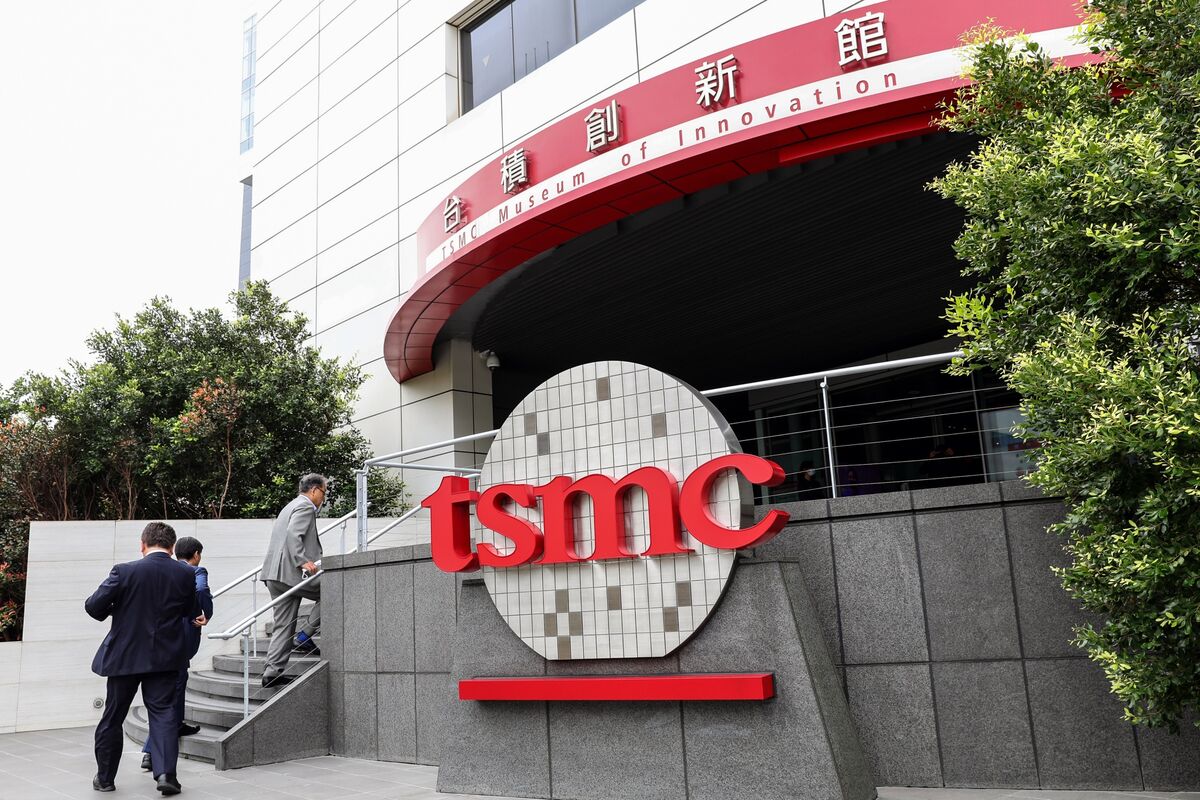
The US has revoked TSMC's VEU status for its Nanjing facility, potentially disrupting its chip production in China, as part of broader export control measures targeting Chinese and foreign semiconductor operations, increasing regulatory uncertainty for supply chains.
Nvidia's AI chips worth $1 billion were secretly shipped to China in the three months following US export restrictions, according to a Financial Times report based on sales contracts and company filings.
Nvidia will exclude China from its revenue and profit forecasts due to US export restrictions on chip sales, highlighting the impact of these controls on its business and the broader US-China tech rivalry. The company criticizes the effectiveness of the export controls and continues to expand its AI infrastructure globally.
The US has imposed new export restrictions on electronic design automation (EDA) software from companies like Siemens EDA, Cadence, and Synopsys to China, aiming to limit China's ability to develop advanced AI chips, which is impacting both Chinese tech development and the US chip industry.,
Taiwan Semiconductor Manufacturing Company (TSMC) will halt production of advanced AI chips for Chinese companies starting Monday, aligning with US efforts to curb China's AI advancements. This move affects Chinese tech giants like Alibaba and Baidu, who rely on TSMC for manufacturing their AI chips. The decision is influenced by ongoing US export controls and an investigation into how TSMC chips ended up in a Huawei device. TSMC aims to demonstrate compliance with US regulations and avoid being seen as uncooperative.
China has established its third state-backed investment fund with a capital of $47.5 billion to boost its semiconductor industry, aiming for self-sufficiency amid US export controls. The fund, the largest of the three phases of the China Integrated Circuit Industry Investment Fund, will focus on chip manufacturing equipment and has major Chinese banks and the finance ministry as key investors.
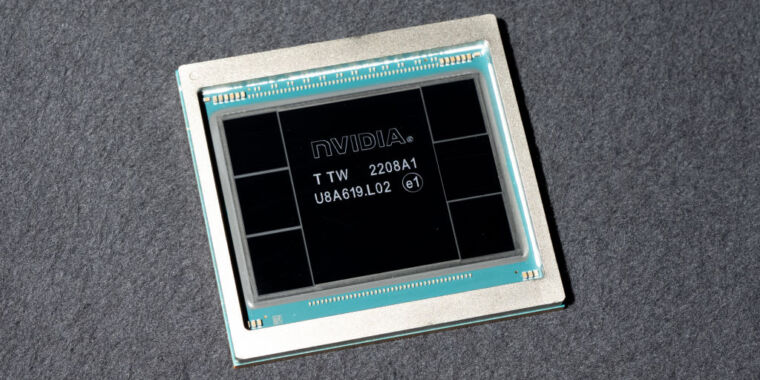
Despite US export controls on Nvidia chips, a Reuters report reveals that Chinese military bodies, state-run AI research institutes, and universities have managed to purchase restricted Nvidia chips through unknown suppliers, bypassing US restrictions. The chips, including the powerful A100 and H100, are being used for AI development, with some entities linked to China's military force making purchases. The US has been attempting to limit China's access to advanced chips, but the black market and loopholes continue to provide access, raising concerns about the effectiveness of export controls and potential impact on US companies.
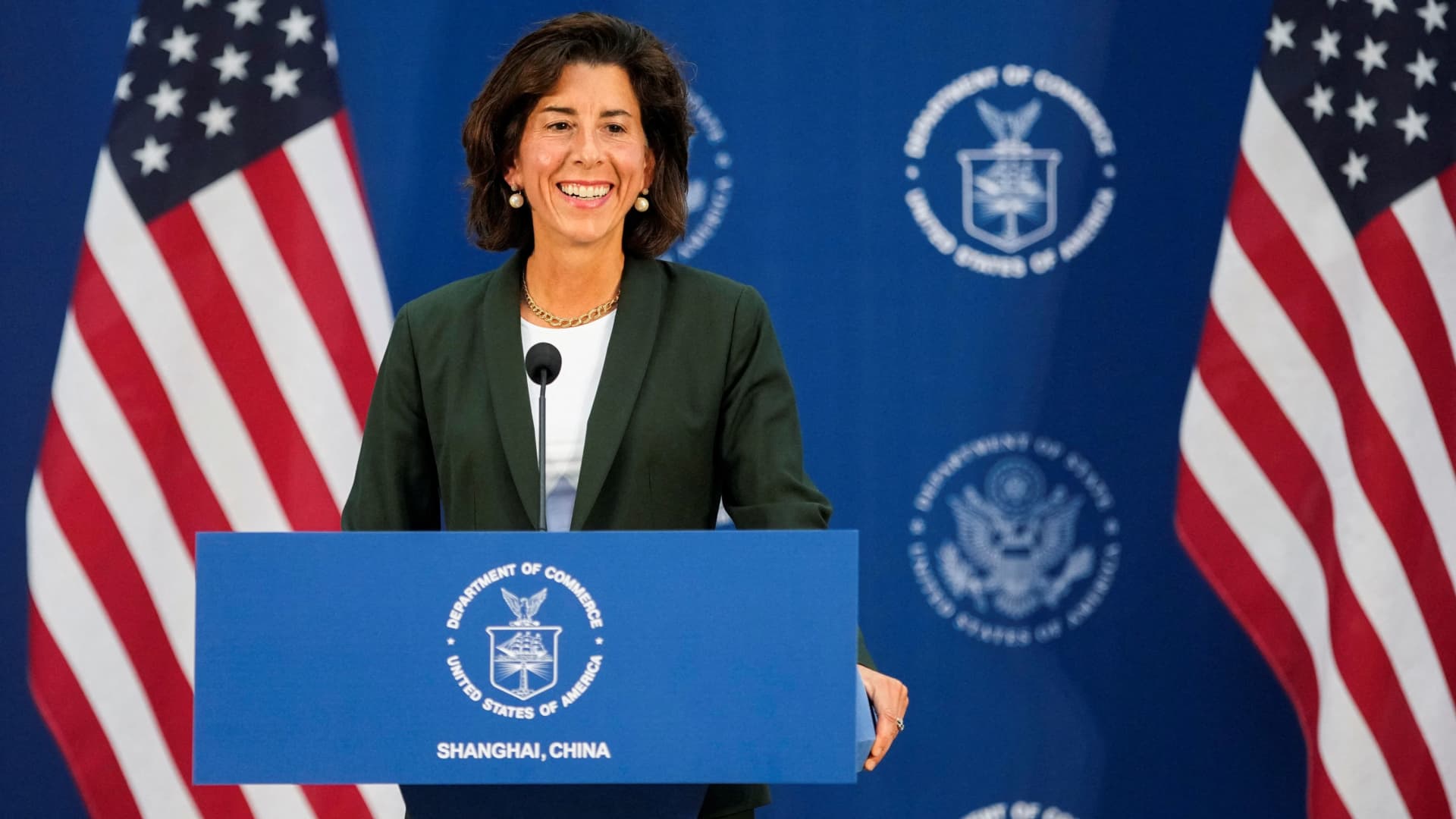
U.S. Commerce Secretary Gina Raimondo stated that more controls on tech exports to China will be implemented as necessary, despite concerns from businesses. Raimondo emphasized the need for constant adaptation to changing technology and China's evolving landscape. The U.S. Department of Commerce previously announced export controls on advanced computing semiconductors to prevent them from falling into the wrong hands. Raimondo also mentioned the establishment of a continuous dialogue between business and government engineers to restrict China's access to certain technologies. Nvidia, a major chipmaker, has been affected by these controls and has delayed the launch of an AI chip designed for China. Raimondo is considering extending controls to sophisticated AI, biotechnology, and quantum computing. The goal is to slow down China's technological development while maintaining a competitive edge.
The new U.S. export controls on China are expected to have implications for Nvidia and other key parts of the AI ecosystem. These controls aim to restrict the export of certain technologies to China, including those related to artificial intelligence. As a result, companies like Nvidia, which heavily rely on the Chinese market, may face challenges in terms of accessing critical components and collaborating with Chinese partners. These regulations reflect the ongoing tensions between the U.S. and China in the technology sector.