At Lenovo Tech World 2026 in Las Vegas, Motorola showcased its latest innovations including its first foldable smartphone, a new ultra-premium mobile line, a FIFA World Cup 26 edition razr, and AI integrations that unify Motorola and Lenovo ecosystems, highlighting their advancements in mobile technology and partnerships.
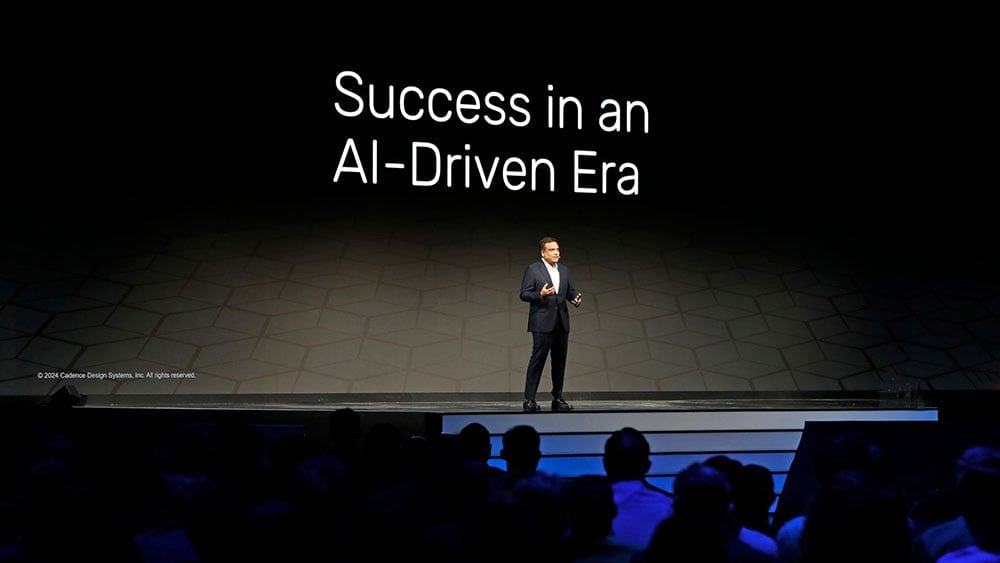
Cadence Design Systems beat Q3 earnings expectations with $1.93 per share on $1.34 billion in sales, but its stock fell nearly 2% after issuing a disappointing Q4 outlook, despite a record backlog and positive full-year guidance.
Google's Gemini AI is a versatile, multimodal assistant capable of processing text, images, audio, and code, designed to integrate deeply across Google's ecosystem for a wide range of personal and professional tasks. It evolved from Google's earlier Bard AI, with recent updates enhancing its reasoning, multimedia support, and enterprise capabilities. Despite its advanced features, Gemini faces challenges like hallucination, ethical concerns, and privacy issues, and its future depends on sustained user adoption and Google's ongoing commitment. The long-term vision is to develop Gemini into a comprehensive AI system that can reason, plan, and act across devices and modalities.
Nvidia plans to collaborate with Japanese research organizations, companies, and startups to build an AI ecosystem in Japan, meeting the country's demand for artificial intelligence. The company will establish an AI research laboratory, invest in local startups, and educate the public on AI usage. Nvidia's CEO, Jensen Huang, expressed confidence in Japan's technical expertise and industrial capability to develop its own AI infrastructure, leveraging its expertise in materials science, chipmaking tools, and robotics. The move aligns with Japan's efforts to regain tech leadership and develop cutting-edge semiconductors. Nvidia supplies chips to Japanese companies, including SoftBank, NEC, NTT, Sakura Internet, and Mitsui, all of which are racing to build Japan-specific AI infrastructure.
The new U.S. export controls on China are expected to have implications for Nvidia and other key parts of the AI ecosystem. These controls aim to restrict the export of certain technologies to China, including those related to artificial intelligence. As a result, companies like Nvidia, which heavily rely on the Chinese market, may face challenges in terms of accessing critical components and collaborating with Chinese partners. These regulations reflect the ongoing tensions between the U.S. and China in the technology sector.