Tag

Neglected Tropical Diseases

All articles tagged with #neglected tropical diseases

health2 years ago

WHO Acknowledges Noma as Neglected Tropical Disease

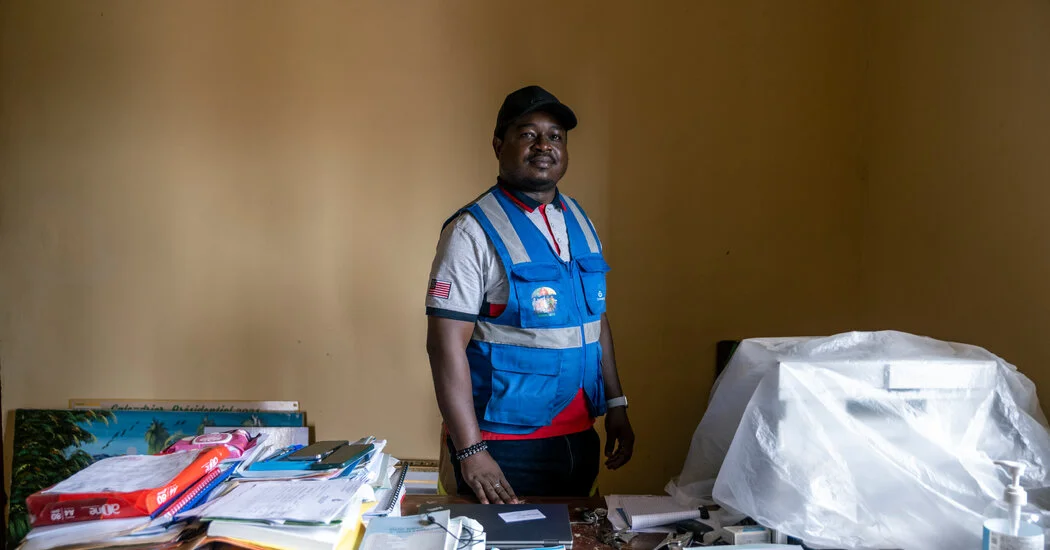
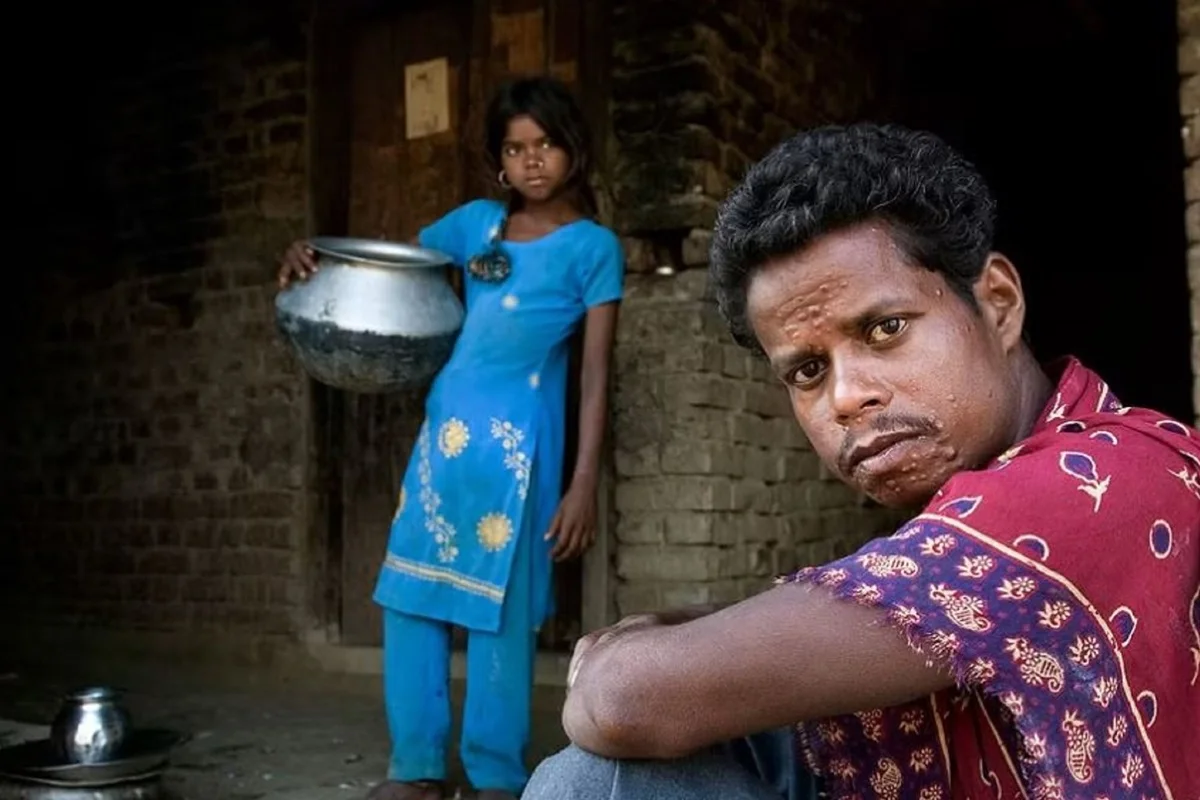
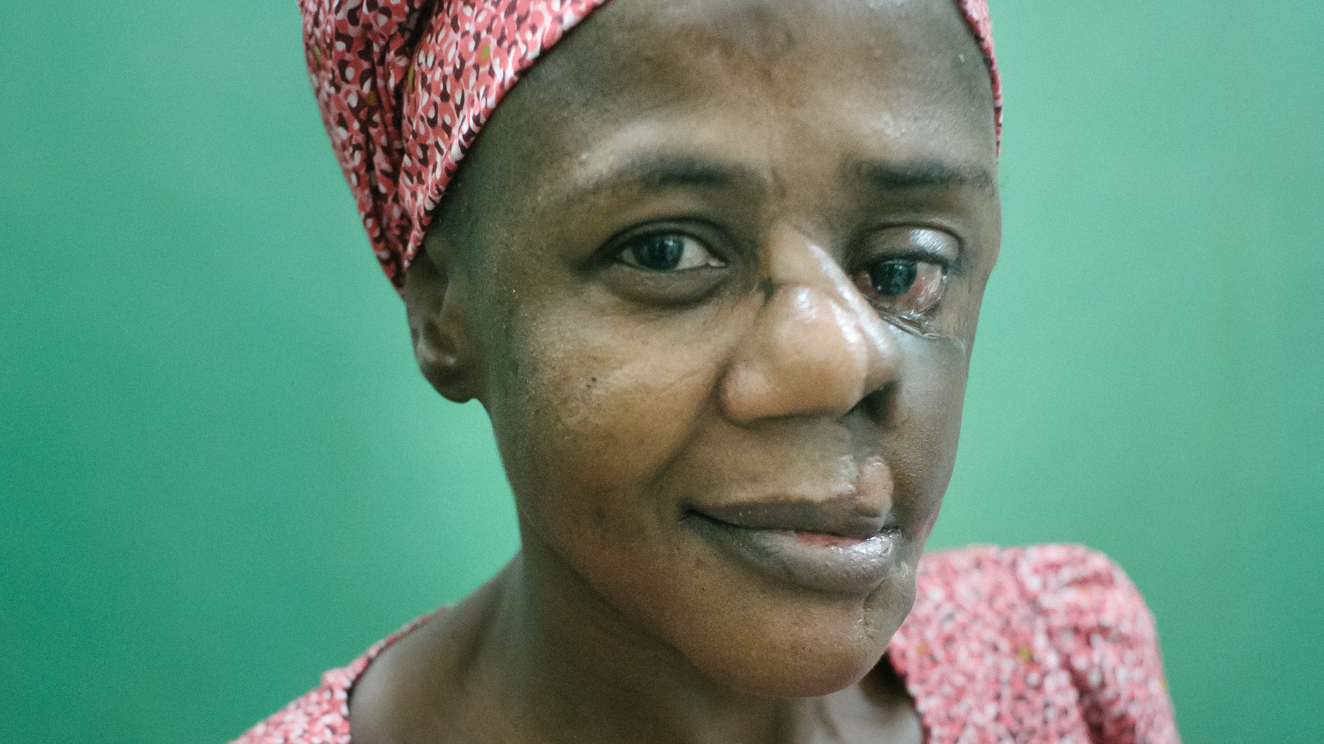
The World Health Organization (WHO) has officially recognized noma, a devastating disease that predominantly affects low-income, malnourished children, as a neglected tropical disease (NTD). Noma is a gangrene of the face and jaw that can cause severe facial deformities and even death. The exact cause of noma is still unknown, but it is believed to be linked to malnutrition and weakened immune systems. The WHO's decision to include noma on the NTD list comes after years of advocacy by organizations like the Elysium Noma Survivors Association. However, the recognition alone is not enough, and efforts must now be made to conduct research, raise awareness, and provide necessary interventions to prevent and treat noma.

health2 years ago

WHO Adds Noma to Neglected Diseases List, Bringing Hope to Survivors

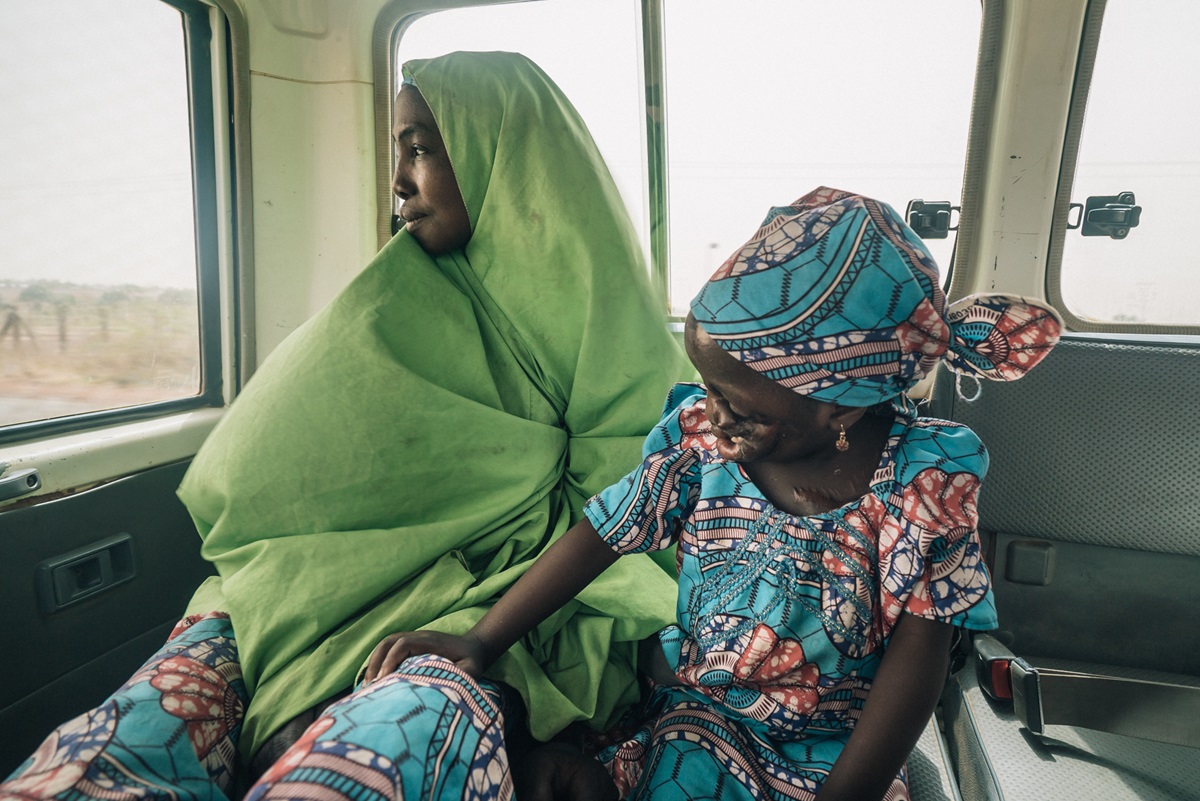
Noma, a disfiguring disease that affects impoverished communities, has been added to the World Health Organization's list of neglected tropical diseases. The disease, which is fatal in 90% of cases without treatment, starts as a sore on the gums and rapidly destroys facial tissue and bone. It primarily affects malnourished children living in extreme poverty. The Nigerian government requested the addition of noma to the list, which was supported by 31 countries. While the recognition is seen as a great achievement, challenges remain in terms of funding and training specialists to address the disease.

health2 years ago

WHO acknowledges noma as a neglected tropical disease

The World Health Organization (WHO) has officially recognized noma, a severe gangrenous disease of the mouth and face, as a neglected tropical disease (NTD). Noma primarily affects malnourished young children in regions of extreme poverty and can lead to death or severe disfigurement. The inclusion of noma in the NTD list aims to raise global awareness, stimulate funding, and improve efforts to control the disease. Early detection and treatment are crucial, with interventions targeting underserved populations. The recognition of noma as an NTD highlights the need to address the social markers of extreme poverty and malnutrition that contribute to its prevalence.

health2 years ago

"Emerging Painful Diseases Pose Unprecedented Threat, Say Health Officials"

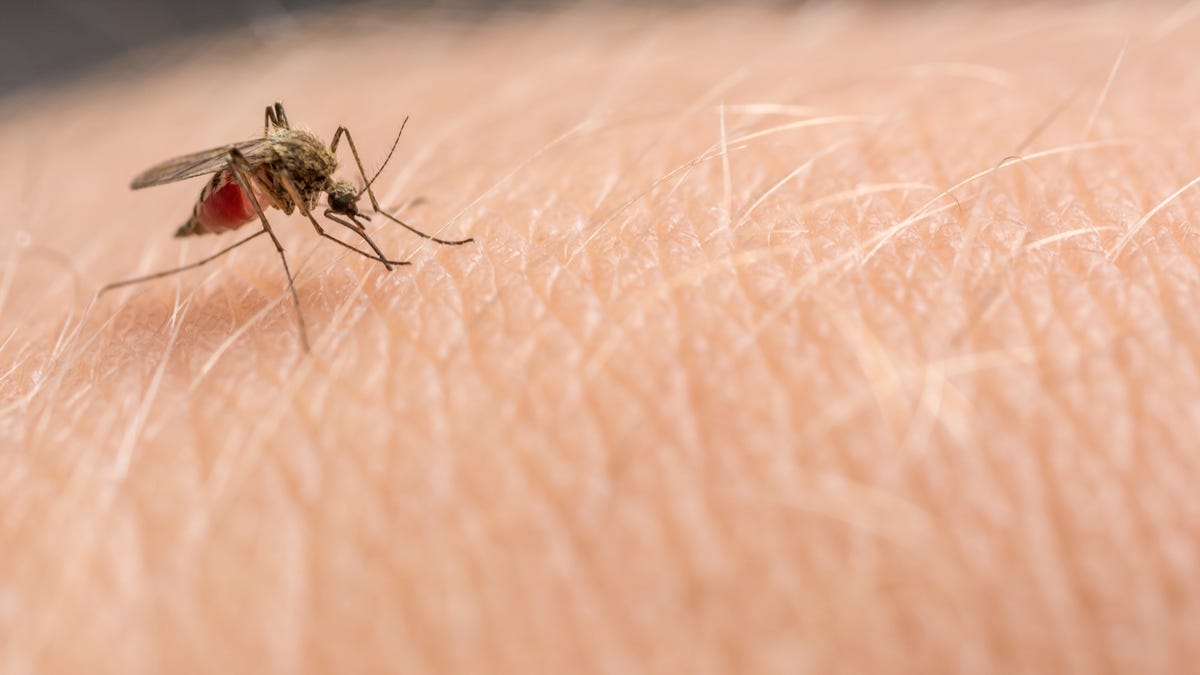
Health officials warn that global heating, climate change, and increased international travel and trade are causing painful diseases prevalent in tropical countries to become a major threat worldwide. Diseases such as West Nile, Zika, dengue, chikungunya, and leishmaniasis are spreading beyond their traditional tropical boundaries, with Europe and the Gulf Coast of the United States experiencing rising cases. The lack of available antiviral therapies for most of these diseases and the suitable conditions created by climate change for their emergence or re-emergence pose significant threats to public health. More research and understanding of disease vectors are needed to develop vaccines and treatments.

health2 years ago

High Prevalence of Dengue Fever in US Virgin Islands Children

More than half of children in the US Virgin Islands have had a prior dengue fever infection, according to a recent study. Dengue fever is a mosquito-borne illness that can be fatal, and outbreaks are on the rise in US territories in the Caribbean. Experts say this highlights the neglected tropical diseases that are urgent amid climate change, which creates prime conditions for vector-borne diseases. A US vaccine for dengue fever became available last year, but it is only approved for those aged 9 to 16 who have had a previous infection and live in areas where the disease is endemic.

health2 years ago

The Fight Against Noma: Raising Awareness and Seeking Support.

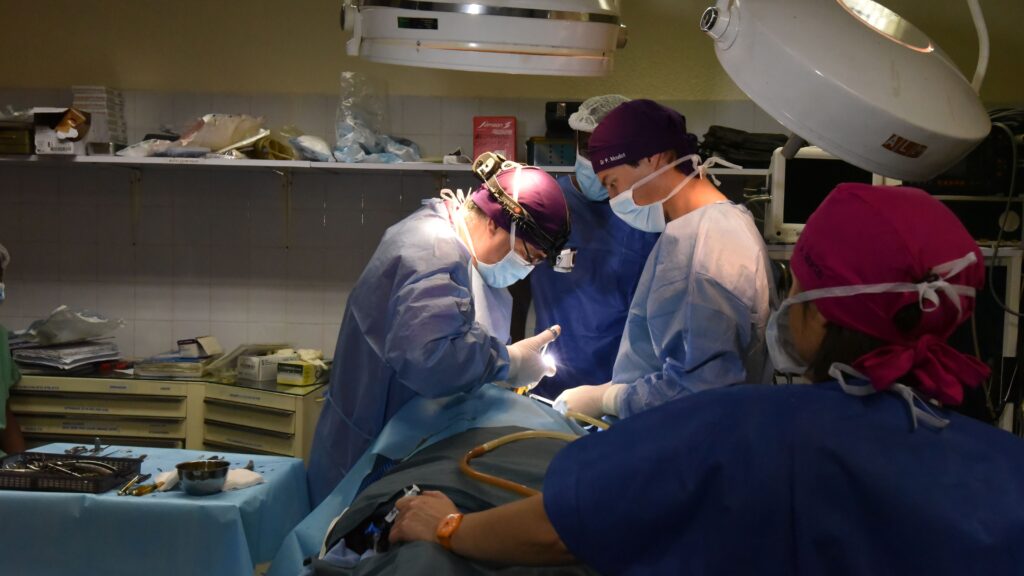
Noma, a rare gangrenous infection that primarily affects children in regions of extreme poverty, is so neglected that it's not even on the list of neglected tropical diseases. The disease is deadly, with 90% of patients dying if they don't receive treatment. While researchers believe it's caused by bacteria, they're not sure which ones. Noma can be treated with simple antibiotics, but it's found in places that don't have access to basic healthcare. Survivors require repeated reconstructive plastic surgery to repair the substantial facial disfiguration caused by the disease.