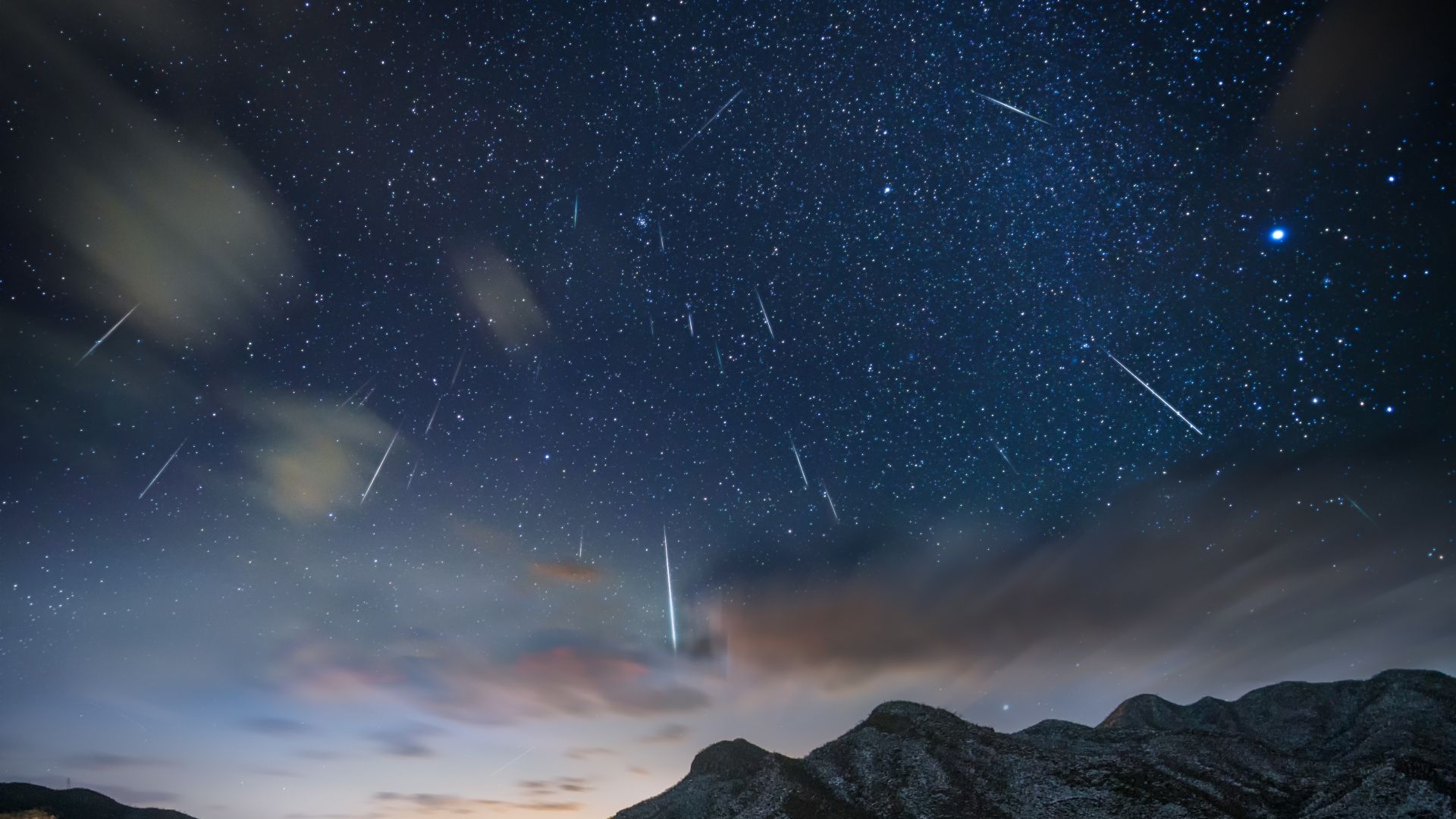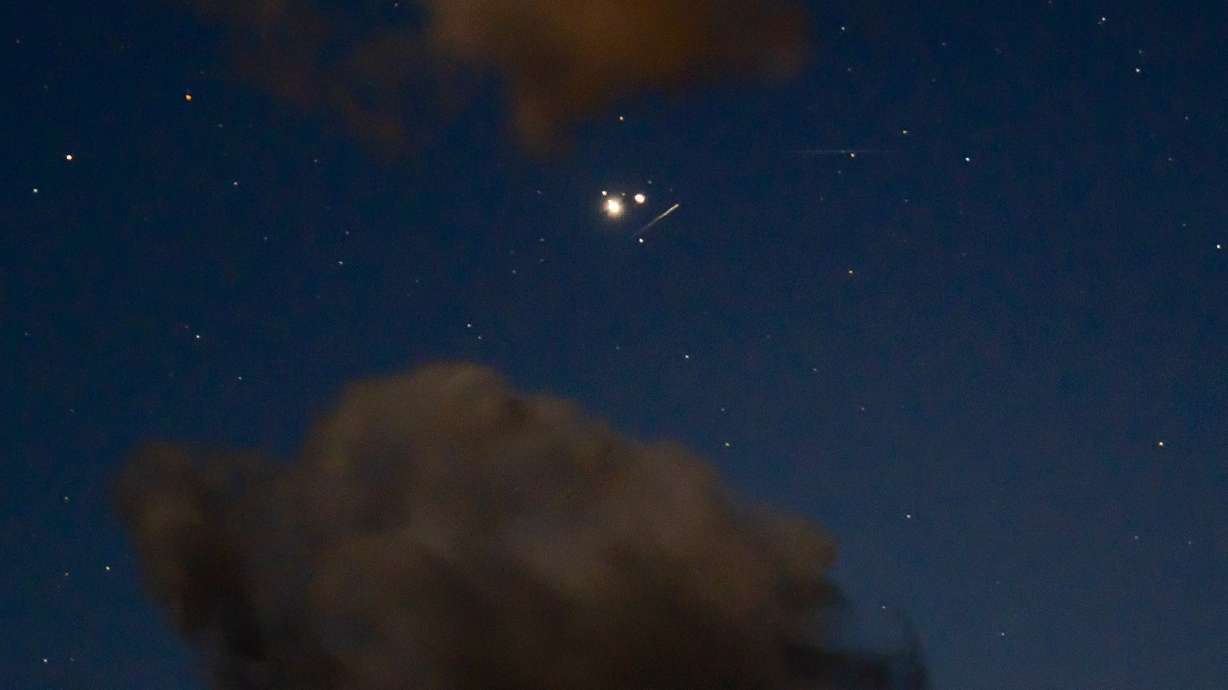
The Ursid meteor shower peaks just before Christmas, offering a modest display of 5 to 10 meteors per hour, with potential outbursts, visible from the Northern Hemisphere until December 26, best seen from dark skies away from city lights, originating from comet 8P/Tuttle near the constellation Ursa Minor.
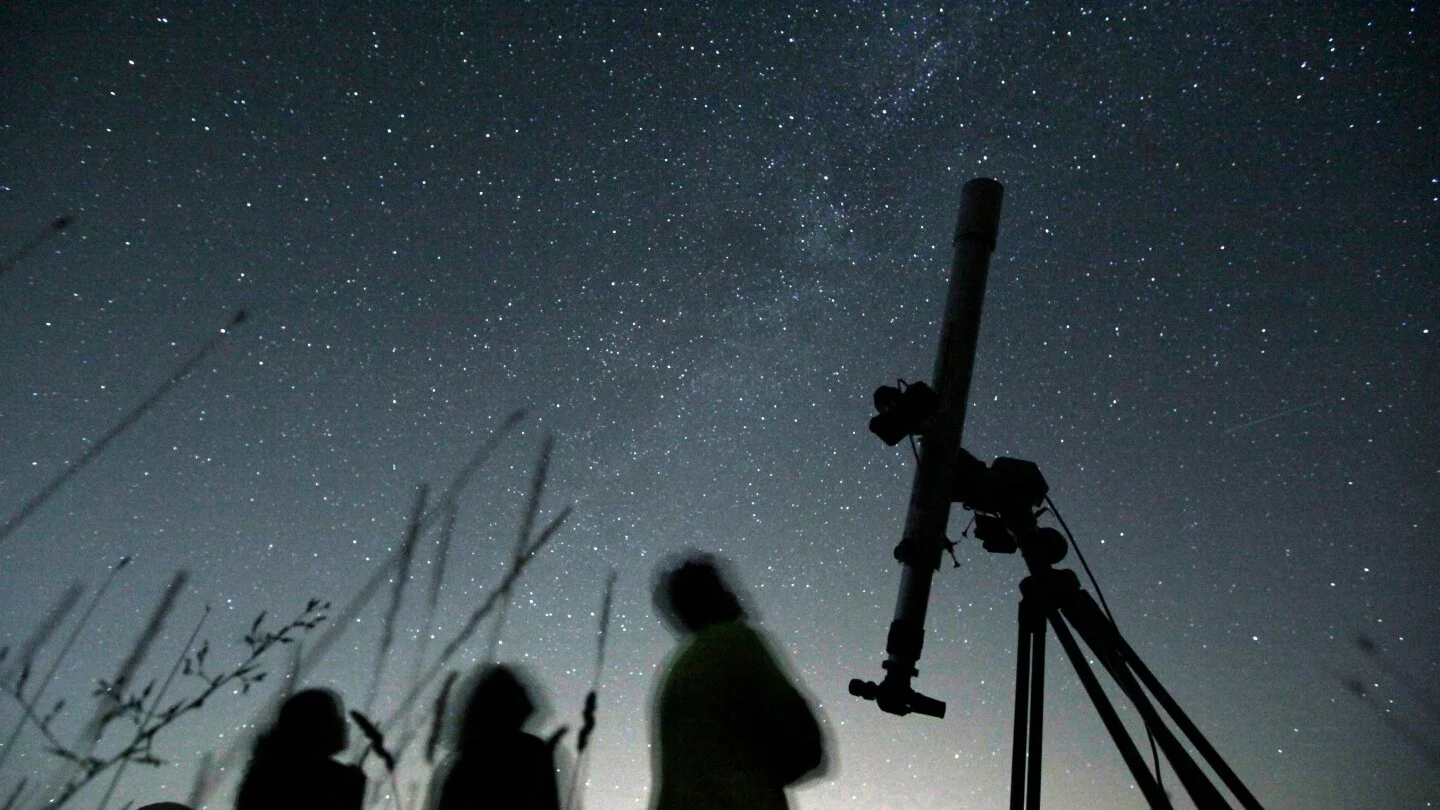
The Ursid meteor shower peaks from December 18-26, offering a modest display of 5-10 meteors per hour, visible from the Northern Hemisphere with minimal moonlight interference, and requires no special equipment—just dark skies and patience to enjoy streaks from the constellation Ursa Minor.
The December Ursid meteor shower, peaking around December 21-22, is often overlooked compared to the Geminids but can produce up to 10 meteors per hour under dark skies, radiating from the constellation Ursa Minor near Kochab, with potential for unexpected activity due to past outbursts and the proximity of comet 8P/Tuttle.
The Ursids meteor shower, the last meteor shower of the year, will peak on the evening of the winter solstice, December 21st, and continue into the early morning hours of December 22nd. Skygazers in the Northern Hemisphere, especially those in Alaska or Northern Canada, will have the best view. The meteor shower is expected to produce around five to 10 meteors per hour during its peak, with the best viewing time between 3 a.m. and dawn local time on Friday. No special equipment is needed to view the meteor shower, and casual skygazers can contribute to data collection by reporting their sightings to the American Meteor Society.
The Ursids meteor shower, the last celestial event of 2023, will peak on the evening of the winter solstice, offering sky-gazers in the Northern Hemisphere the chance to see around five to 10 meteors per hour. The best viewing time will be between 3 a.m. and dawn local time on Friday, after the moon has set. No special equipment is needed, and even casual observers can contribute to scientific research by reporting their meteor sightings to the American Meteor Society.
The Ursids meteor shower, the last meteor shower to peak in 2023, will be visible across the night sky and radiates from the constellation Ursa Minor. NASA advises stargazers to view the meteor shower in areas away from city lights, lie flat on their backs with their feet facing south, and allow their eyes to adjust to the dark for about 30 minutes. Meteors are space rocks that heat up as they fall toward Earth, appearing as shooting stars, and during meteor showers, many meteors hit Earth's atmosphere in a short period of time. The next meteor shower, the Quadrantids, is set to peak in early January.
The Ursid meteor shower, the final meteor shower of the year, has begun and will peak overnight on December 21-22. With around 10 shooting stars per hour, the Ursids are not as strong as the recent Geminids, but numbers can sometimes reach 25. The Ursids are caused by dust and debris left by the comet 8P/Tuttle, which orbits the sun every 13.6 years. The radiant point of the Ursids is the constellation Ursa Minor, and they can be seen in the northern sky. However, there will be a waxing gibbous moon during the peak night, so patience and clear skies are needed to catch a glimpse of the shooting stars.
December 2023 will feature the peak nights of the Geminids and Ursids meteor showers, adding a festive touch to the end of the year. The Geminids, known for their dependability and abundance, will reach peak rates on the night of December 13, with optimal viewing conditions due to a 1% moon. The Ursids, a lesser-known shower, will also peak on the night of December 21, coinciding with the winter solstice. Stargazers are advised to find a location with clear, dark skies away from light pollution and to allow their eyes to adjust for optimal meteor viewing.