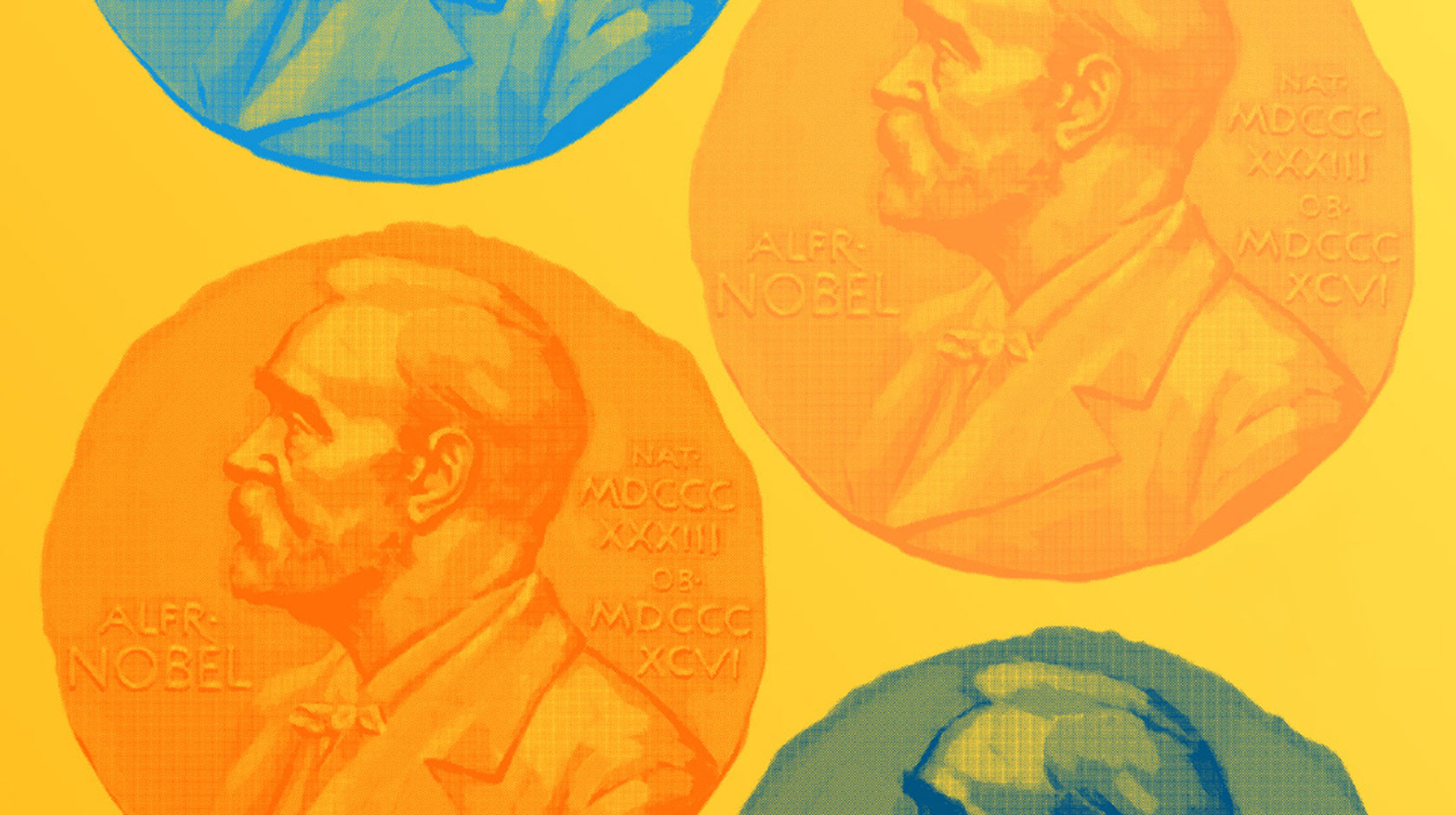
The University of California celebrated a record-breaking week with five Nobel Prizes awarded to its faculty and alumni, highlighting the crucial role of federal funding in groundbreaking scientific research, while also warning of recent federal budget cuts threatening future innovation.
The Trump administration has suspended over $584 million in federal funding for UCLA, prompting the university to seek dialogue to restore the funds amid concerns over antisemitism and research cuts, with other universities like Columbia, Brown, and Harvard also facing similar cases.
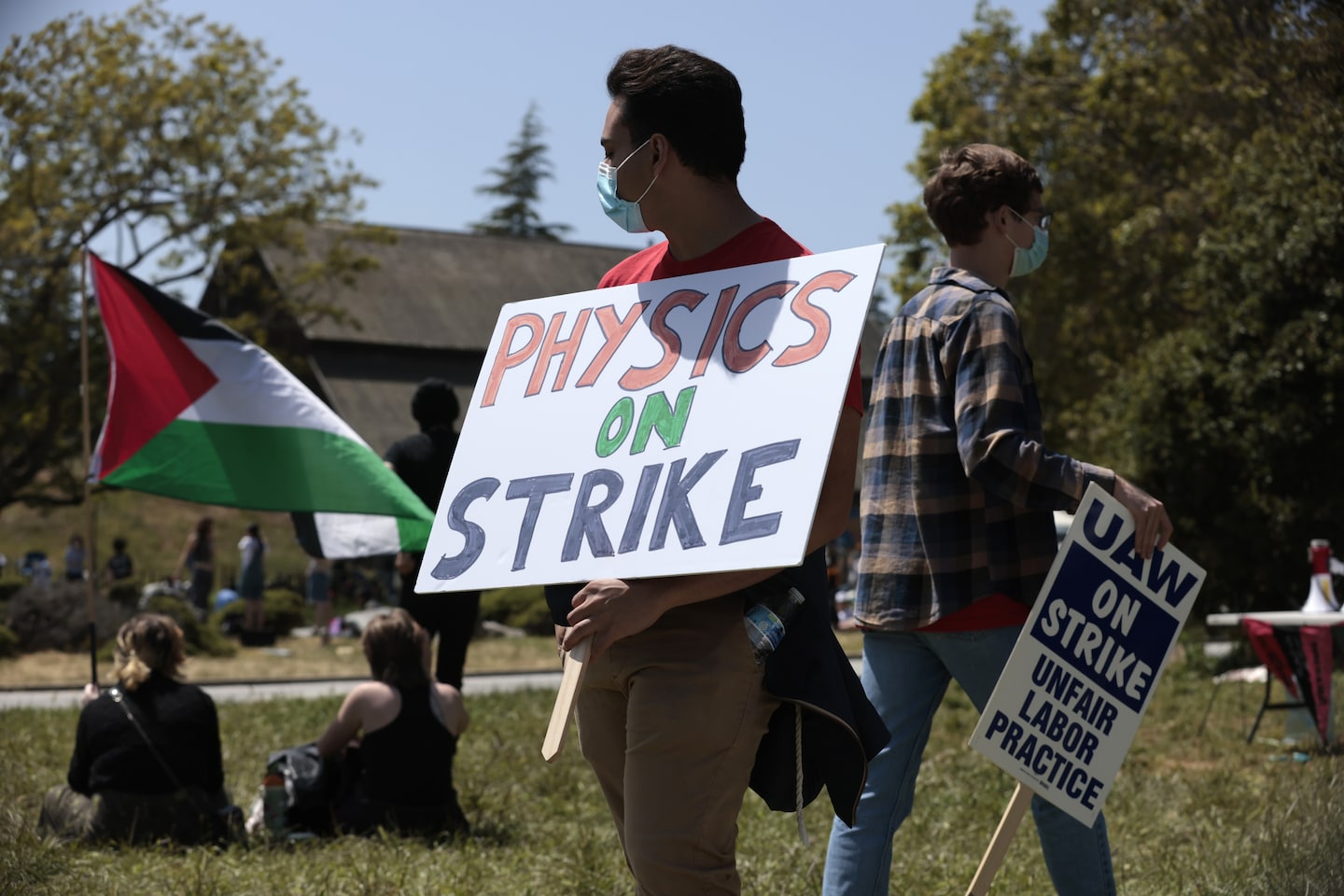
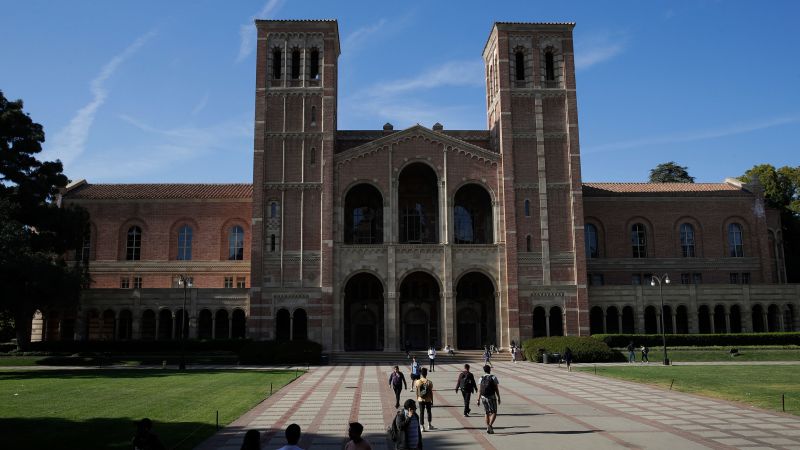
Academic workers at UCLA and UC Davis will strike next Tuesday to protest the university system's handling of pro-Palestinian demonstrations, expanding a work stoppage that began at UC Santa Cruz. The university administration has labeled the strike "illegal" and is seeking a court-ordered injunction to end it.
A new study suggests a potential "one-and-done" vaccine method for infants that could provide continued protection against diseases like COVID-19 and the flu with just a single shot, even if the virus mutates. The method, tested on mice, uses small interfering RNA molecules to create separate vaccines that target different diseases, and could be suitable for babies whose immune systems are still developing. The researchers believe this strategy could lead to a "universal vaccine" effective against any variant of a virus and safe for a broad spectrum of people, and they intend to develop it as a nasal spray for easier delivery.
Dean Erwin Chemerinsky of the University of California, Berkeley School of Law expresses profound sadness over the disruption of a dinner event for graduating students by a group of students with a political agenda, involving antisemitic posters and a speech about the plight of Palestinians. Despite the disruption, the dean asserts that the dinners will continue with security present and any student who disrupts will be reported for violating the student conduct code.
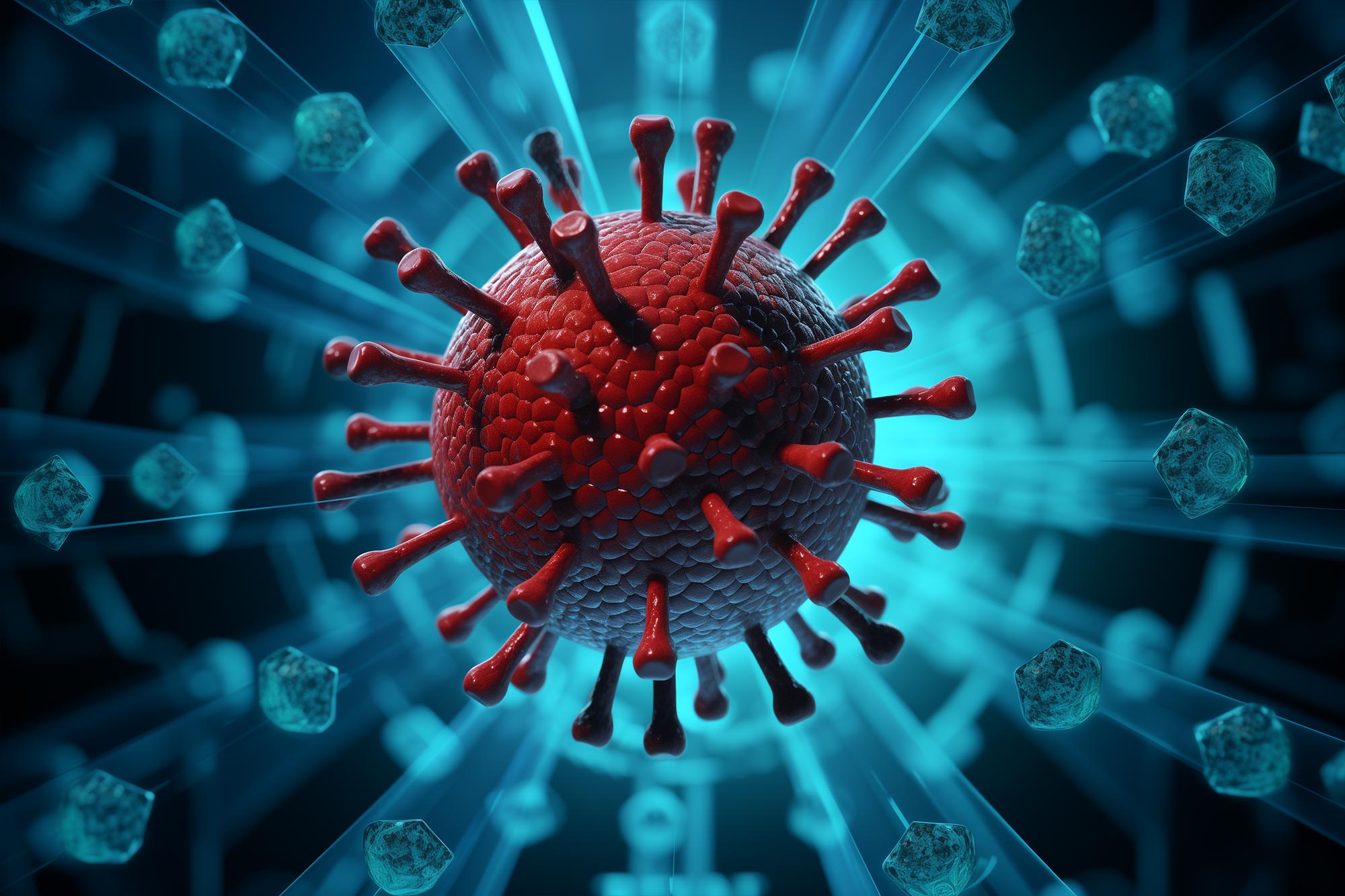
Researchers at the University of California, Riverside have uncovered the crucial role of the M protein in shaping the SARS-CoV-2 virus, offering potential new avenues for combating other pathogenic coronavirus outbreaks. By developing a new method to produce large quantities of M protein and characterizing its physical interactions with the virus membrane, the team has gained insights into how the virus assembles itself. This groundbreaking research provides fundamental insights into the mechanisms driving SARS-CoV-2 viral assembly and could potentially enable interventions in viral formation not only in SARS-CoV-2 but also in other pathogenic coronaviruses.
Adobe has announced Project Music GenAI Control, a new prototype AI tool that allows users to generate music using text prompts and edit the audio within Adobe apps. Developed in collaboration with the University of California and Carnegie Mellon University, the tool will offer integrated editing controls to customize AI-generated music. However, concerns arise regarding the sourcing of music for training and reference melodies. The release date for this tool is yet to be announced, but it signifies the ongoing advancements in AI technology for music and audio.
Apple has collaborated with researchers at the University of California at Santa Barbara to develop a new AI image editor called Multimodal Large Language Model Guided Image Editing (MGIE). This tool allows users to edit photos and images using text-based instructions, with the aim of improving AI interpretation of user commands. While an official release is not yet available, an open-source version of the software is accessible on GitHub and a demo is hosted on Hugging Face. The tool has shown both impressive and bizarre results in image editing, highlighting the limitations of AI image generators.
The University of California's governing board has delayed a decision on whether to allow undocumented students to apply for jobs on its campuses, citing "significant risk" for the institution and students, including possible criminal prosecution. The proposed legal pathway for the student work plan was deemed "not viable right now" by the system's president, who warned of potential risks for the university system and the students it serves. The policy could benefit as many as 4,000 undocumented students who would have been allowed to work under DACA, and the decision has sparked disappointment and criticism from some regents and student leaders.
The University of California has decided to postpone a plan to allow undocumented students to hold campus jobs due to legal concerns and pressure from the Biden administration. This decision leaves around 4,000 undocumented students across the UC system unable to work on campus, impacting their ability to graduate or pursue advanced studies. The university will explore alternative ways to support these students, while activists and legal scholars argue that hiring them wouldn't violate federal law.
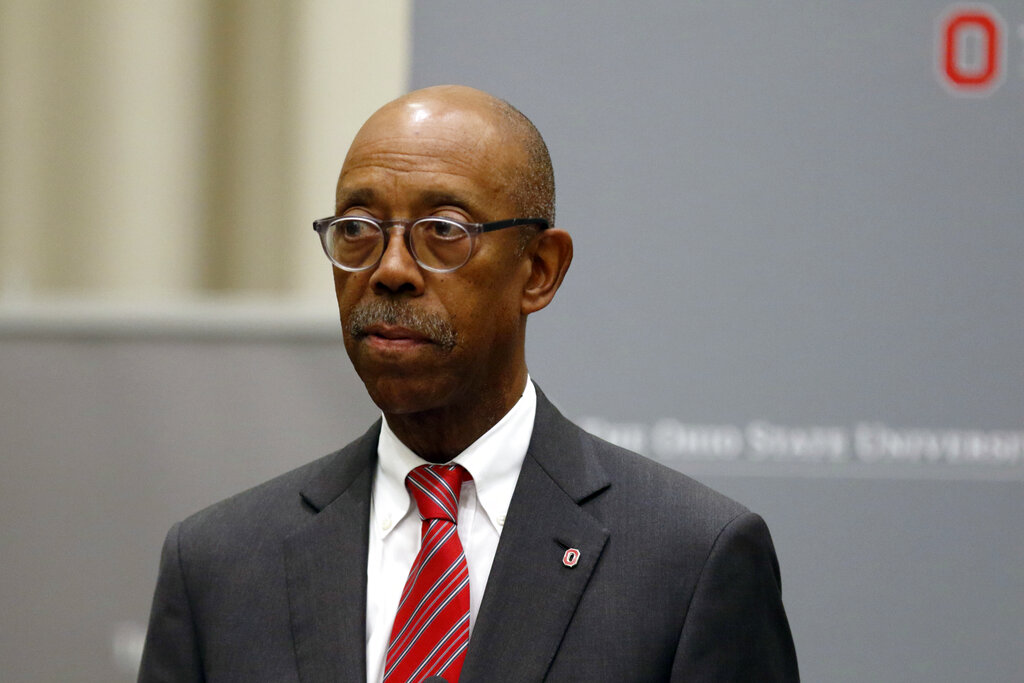
A group of approximately 150 professors at the University of California (UC) have written an open letter criticizing UC President Michael Drake's proposal for educational programs that would include a "viewpoint-neutral history of the Middle East." The professors argue that the term undermines the academic integrity of scholars already engaged in the study and teaching of the Middle East. They express concerns about the potential chilling effect on controversial or divisive topics and the principle of faculty shared governance. The faculty also raise concerns about the use of the term "preventative" in Drake's remarks, which they believe echoes policies that constrain and censor critical speech and scholarship. The University of California responded, stating that the proposed programs would be voluntary and not affect classroom curricula.
A group of University of California professors have signed a public letter opposing the university president's call for a "viewpoint-neutral history of the Middle East," arguing that it violates their academic freedom. The professors argue that the administration should not determine how and what they teach, as it sets a dangerous precedent for other academic fields. They also express concern about the potential constraints on critical speech and the academic integrity of Middle East scholars. The University of California responded by stating that the proposed programming is voluntary and that they are committed to shared governance and academic freedom.
Jewish groups, including the Brandeis Center and the Jewish Americans for Fairness in Education (JAFE), have filed a lawsuit against the University of California Regents and school officials, alleging the "longstanding, unchecked spread of anti-Semitism" at UC Berkeley. The groups claim that inaction by the university has allowed anti-Semitism to grow on campus, citing incidents of harassment, violence, and discriminatory actions against Jewish students. The lawsuit seeks court intervention to protect the civil rights of Jewish students and faculty and end anti-Semitic discrimination and harassment. The University of California has not yet responded to the lawsuit.
Jewish groups have filed a lawsuit against the University of California (UC) system, UC Berkeley, and its leaders, alleging a "longstanding, unchecked spread of anti-Semitism" on campus. The lawsuit claims that the university's inaction on discrimination against Jewish students has led to a rise in antisemitism, violence, and harassment. The complaint highlights incidents following the October Hamas attacks on Israel as examples of discrimination. The Jewish groups are suing over policies enacted by Berkeley Law student groups that exclude students or bar guest speakers who do not disavow Israel or identify as Zionists. They argue that these policies violate various constitutional rights and civil rights laws. The groups are seeking court intervention to enforce university policies and prohibit discrimination against Jewish students, faculty, and invited speakers.
A study of Lake Superior has revealed a new type of sulfur cycle, providing insight into the biochemistry of Earth's ancient oceans. The lake's low sulfate levels make it similar to the ancient oceans, allowing scientists to analyze the sulfur cycle and understand processes that emerged when sulfate was scarce. Lake Superior serves as a great example of what the world's ancient oceans may have been like, helping scientists understand the evolution of early sulfur-cycling microorganisms and their impact on Earth's chemistry.