The University of California celebrated a record-breaking week with five Nobel Prizes awarded to its faculty and alumni, highlighting the crucial role of federal funding in groundbreaking scientific research, while also warning of recent federal budget cuts threatening future innovation.
While the Nobel prizes remain the most prestigious in science, newer awards like the Breakthrough and Turing Prizes are gaining significance, offering larger monetary rewards and filling gaps in recognition for fields like mathematics and climate science, but none yet match the global prestige of the Nobels, which are also criticized for biases and limited scope.
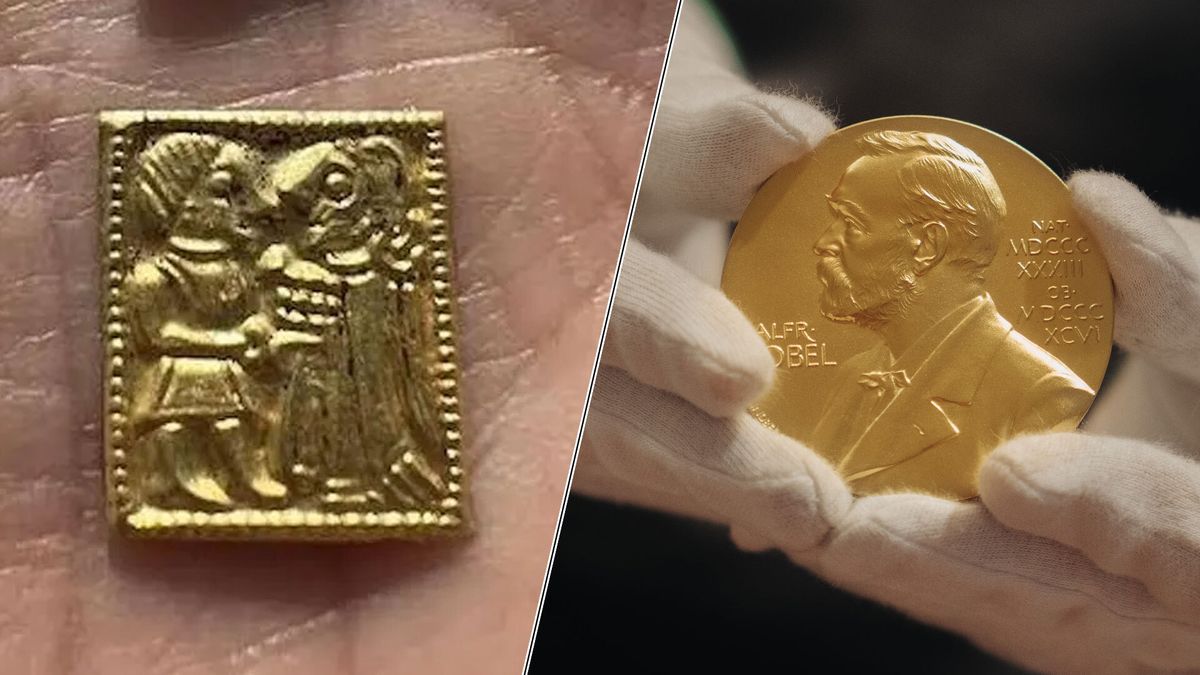
This week in science news, archaeologists unearthed Norse treasures in Norway, including a Viking treasure and gold figures depicting Norse gods. Scientists discovered that Earth's inner core is surprisingly soft due to hyperactive atoms. The James Webb Space Telescope continues to make exciting discoveries, and potential objects beyond Pluto may reveal a new section of the solar system. In health news, an updated COVID-19 vaccine was authorized, neurons aren't the only cells that make memories in the brain, and genes may influence the success of going vegetarian. The Nobel Prizes for physics, chemistry, and medicine were awarded, and a dust devil on Mars was captured by the Perseverance rover. Additionally, a "ring of fire" solar eclipse will be visible in certain parts of the Americas.
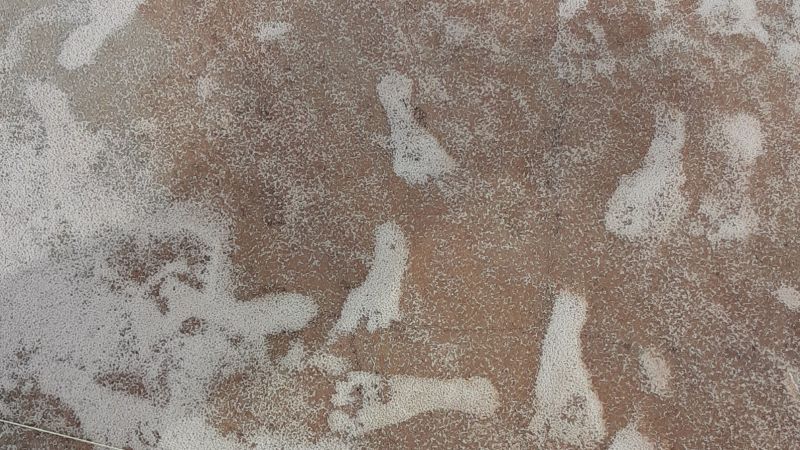
The discovery of 61 fossilized human footprints in New Mexico's White Sands National Park has provided new insights into the timeline of early humans living in the Americas, suggesting they arrived well before climate conditions would have made it impossible to reach North America. The footprints, estimated to be between 21,000 and 23,000 years old, represent a crucial missing chapter in human history. In other scientific news, Nobel Prizes were awarded to researchers in chemistry, physics, and physiology or medicine for advancements in quantum dots, short pulses of light, and mRNA vaccines. Astronomers using the James Webb Space Telescope have discovered pairs of planetlike objects inside the Orion Nebula, challenging current understanding of planet and star formation. NASA is preparing to launch its first mission to explore the metal world of Psyche, while China plans to return the first samples from the far side of the moon to Earth. Additionally, the restoration of Redonda Island in the Caribbean has revived its wildlife population, and there is good news about the birth of a Sumatran rhino, the successful collection of material from an asteroid sample, and the upcoming annular solar eclipse.
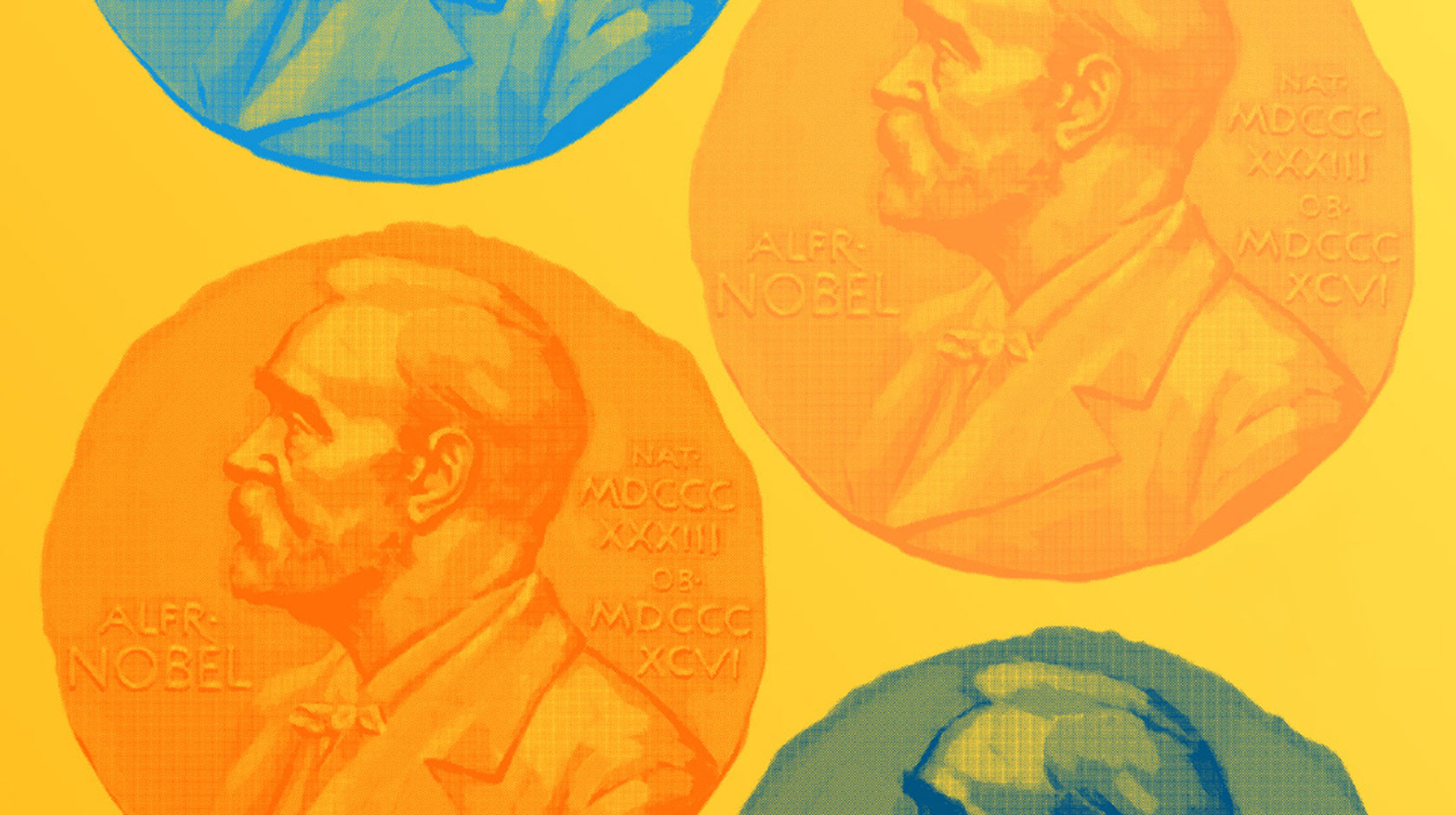
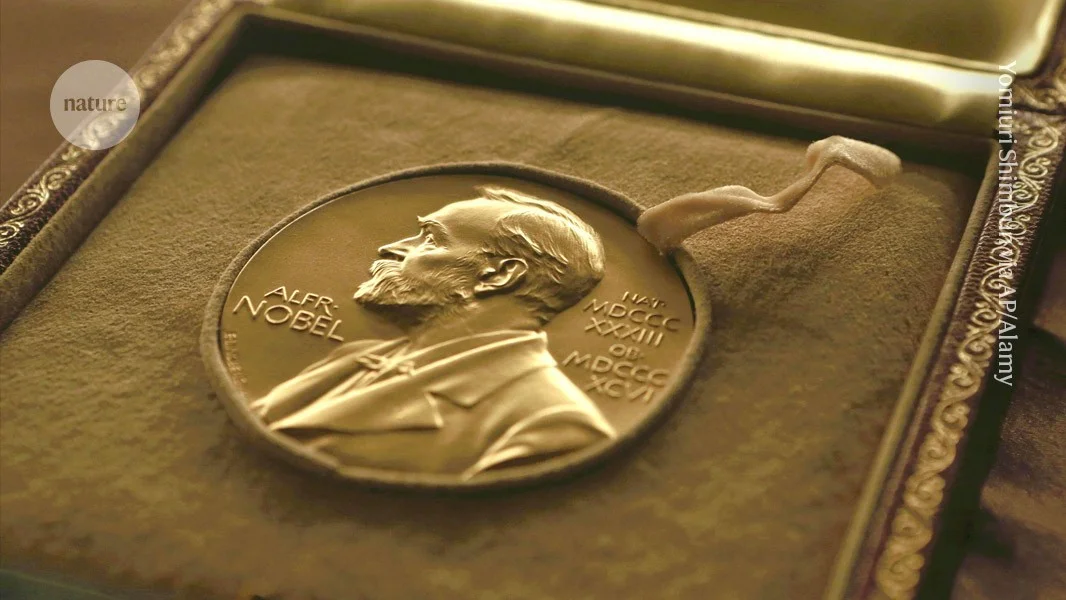
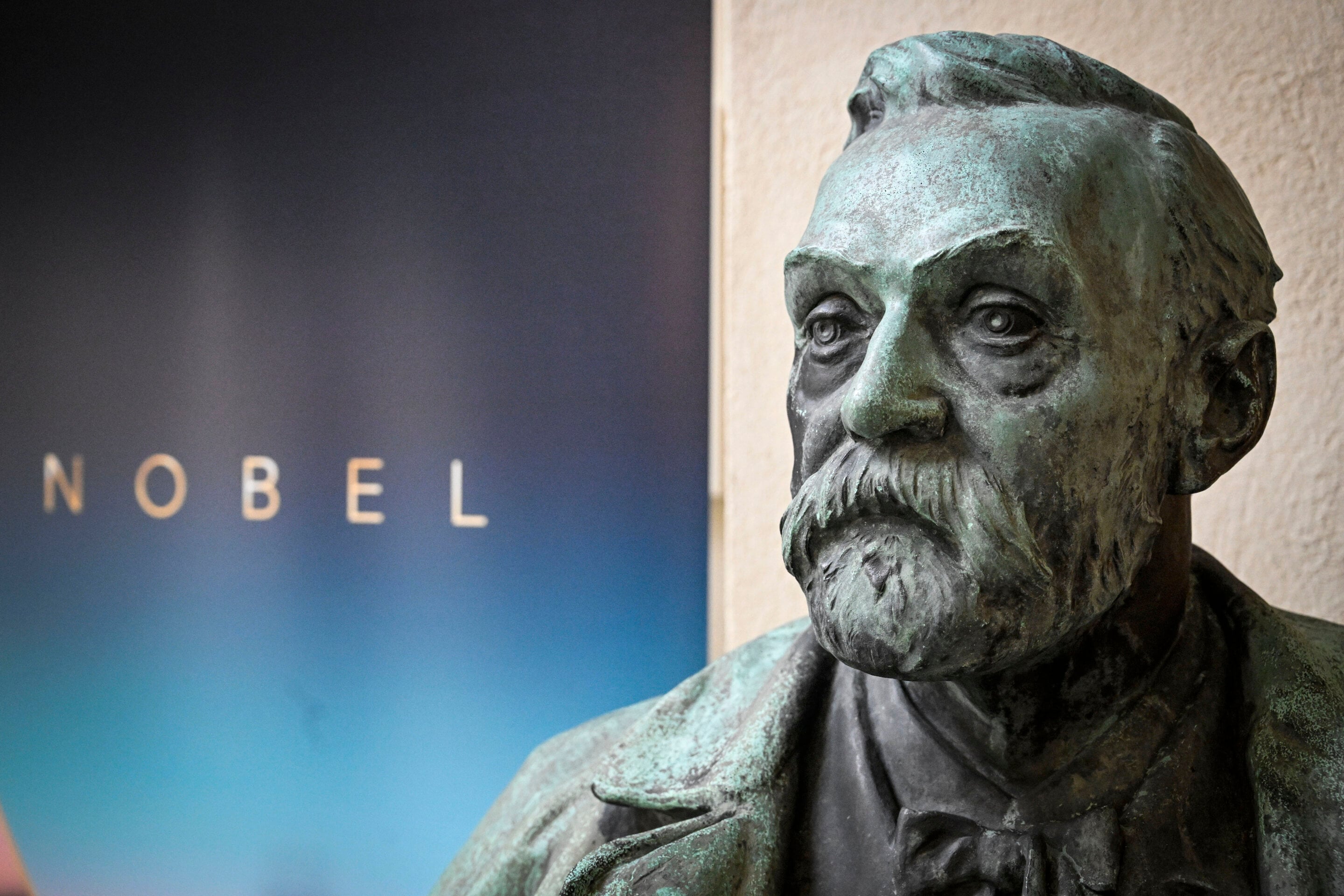
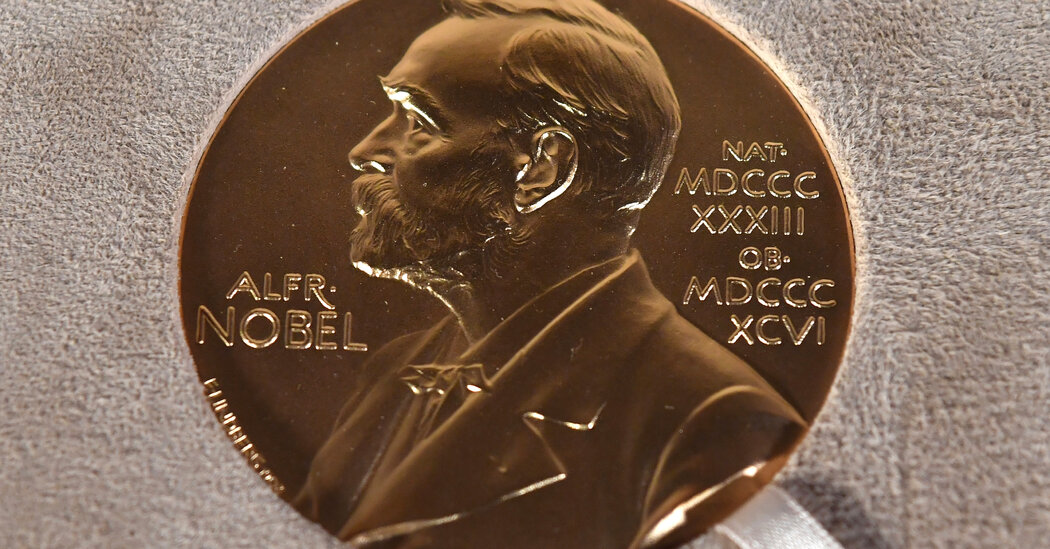
The Nobel Prizes, established by Alfred Nobel, are prestigious awards presented annually in various fields. The prizes were created to recognize individuals who have made significant contributions to humanity. The Nobel Prizes include categories such as medicine, physics, chemistry, literature, peace, and economics. The peace prize is awarded in Norway, while the other prizes are presented in Sweden. The awards are sometimes criticized for being politicized, and winners receive a cash prize, an 18-carat gold medal, and a diploma.
The Nobel Prizes for 2023 will be announced from Monday to October 9th, with six prizes awarded in the fields of physiology or medicine, physics, chemistry, literature, peace work, and economic science. The laureates will receive their prizes in Stockholm in December, and this year's Nobel Prize amount is 11 million Swedish krona ($989,000). The Nobel Peace Prize has the second-highest number of candidates ever, with 351 nominees. The awards will be streamed live on the official digital channels of the Nobel Prize.