
Gulf Nation Shuts Airspace as Israel and U.S. Target Iran
The United Arab Emirates has closed its airspace while Israel and the United States conduct strikes against Iran, according to the Associated Press.

All articles tagged with #united arab emirates
The United Arab Emirates has closed its airspace while Israel and the United States conduct strikes against Iran, according to the Associated Press.
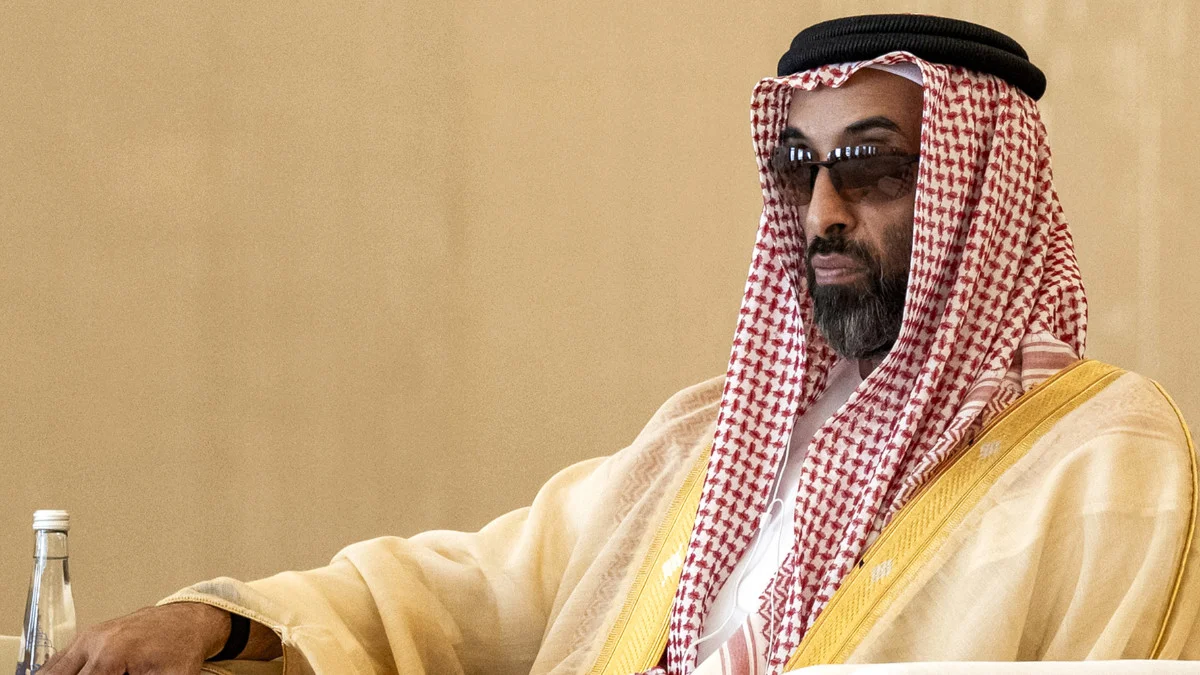
Saudi Crown Prince Mohammed bin Salman sent a lengthy complaint to UAE national security adviser Tahnoon bin Zayed, accusing Abu Dhabi of backing Yemen’s RSF and supporting Sudan’s civil war in ways Riyadh cannot tolerate, while offering mediation through Khalid bin Salman. The letter, which framed Yemen as a Saudi sphere of influence and stressed national security, underscores a growing rift with the UAE even as the two sides describe their ties as brotherly and seek behind‑the‑scenes mediation in Washington.
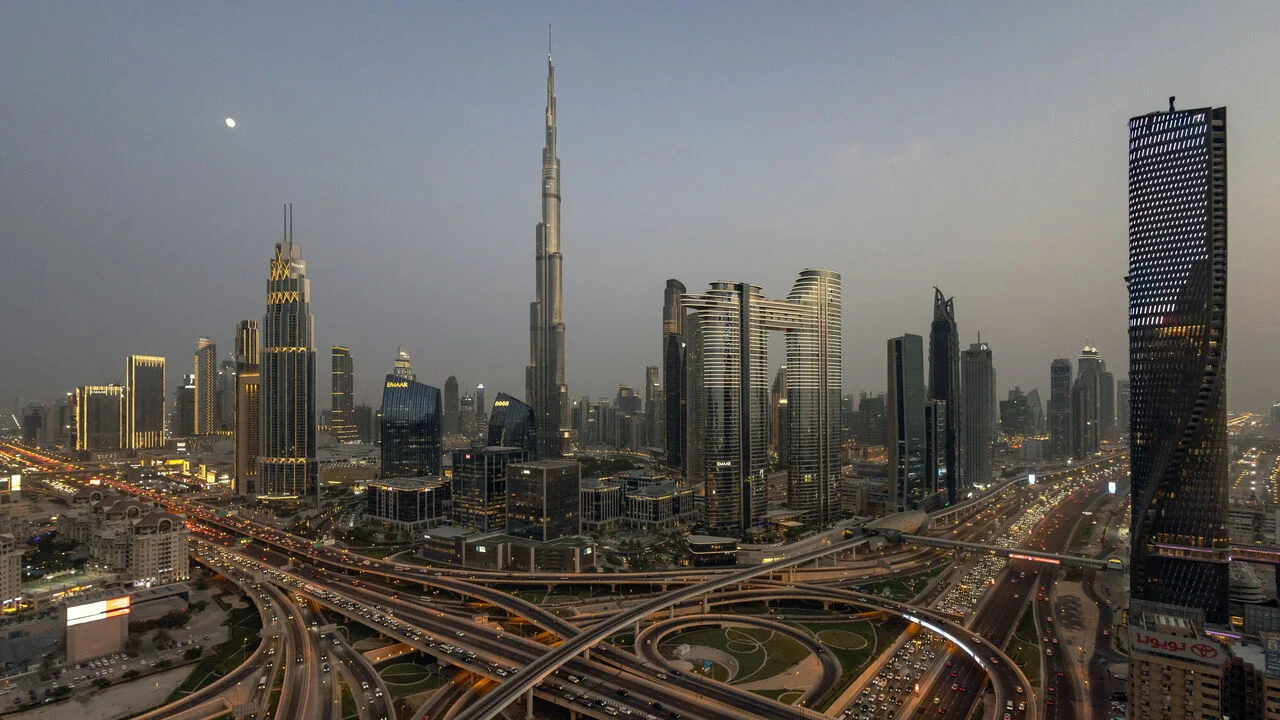
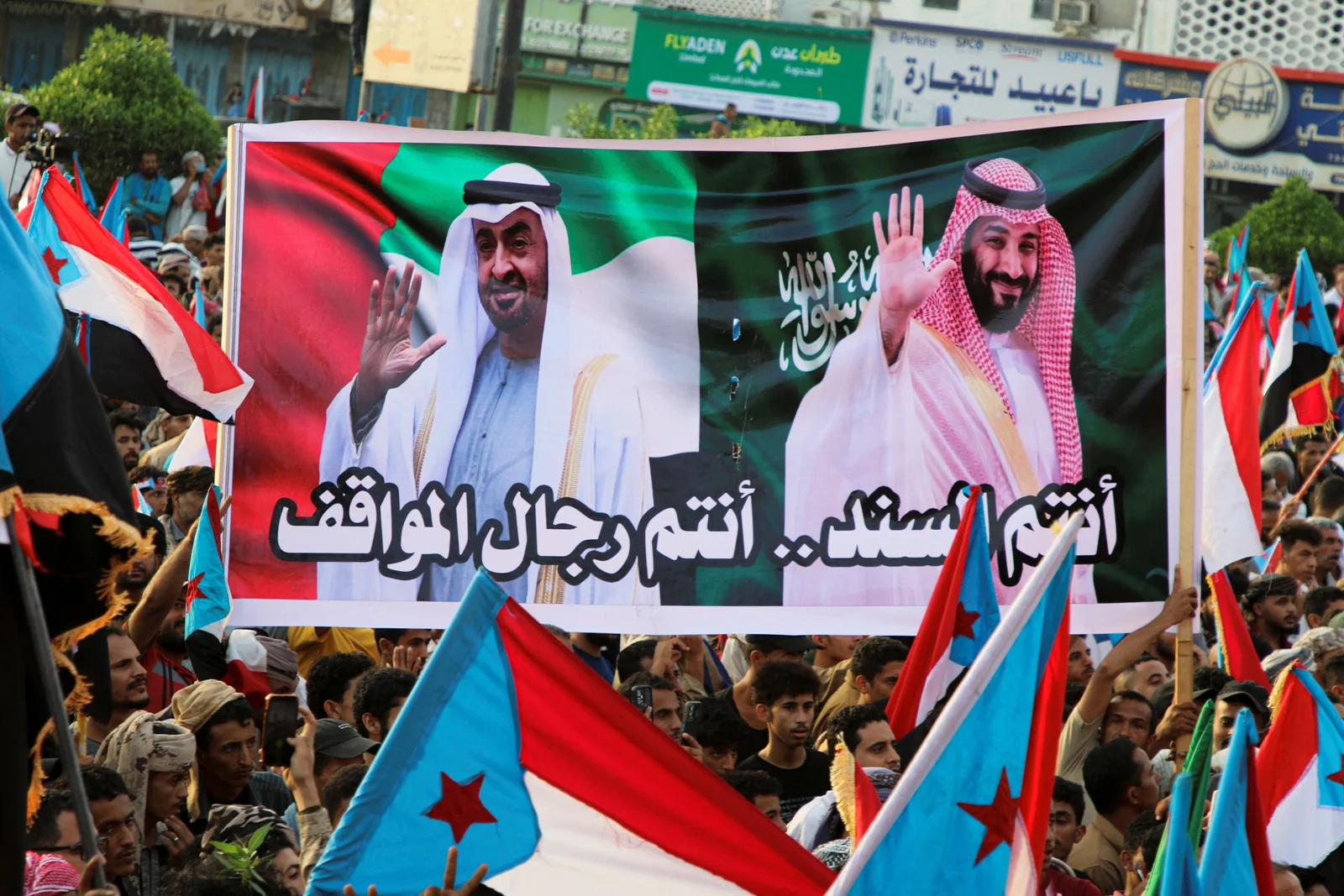
Saudi Arabia’s formal, oddly cordial tone masks a sharp dispute with the United Arab Emirates after Riyadh bombed a UAE weapons shipment in Yemen and accused Abu Dhabi of threatening Saudi security, a rare rift between the Gulf’s two dominant powers with potentiallywide regional consequences.
Saudi Arabia and the UAE confirmed the Ramadan crescent sighting, with most Gulf countries expected to begin fasting on Wednesday; Oman starts one day later (Feb 19), Kuwait has also confirmed, and Turkey and Indonesia announced fasting dates for Feb 19. In the Indian subcontinent, fasting dates usually follow the Gulf’s sighting by a day, subject to local announcements.
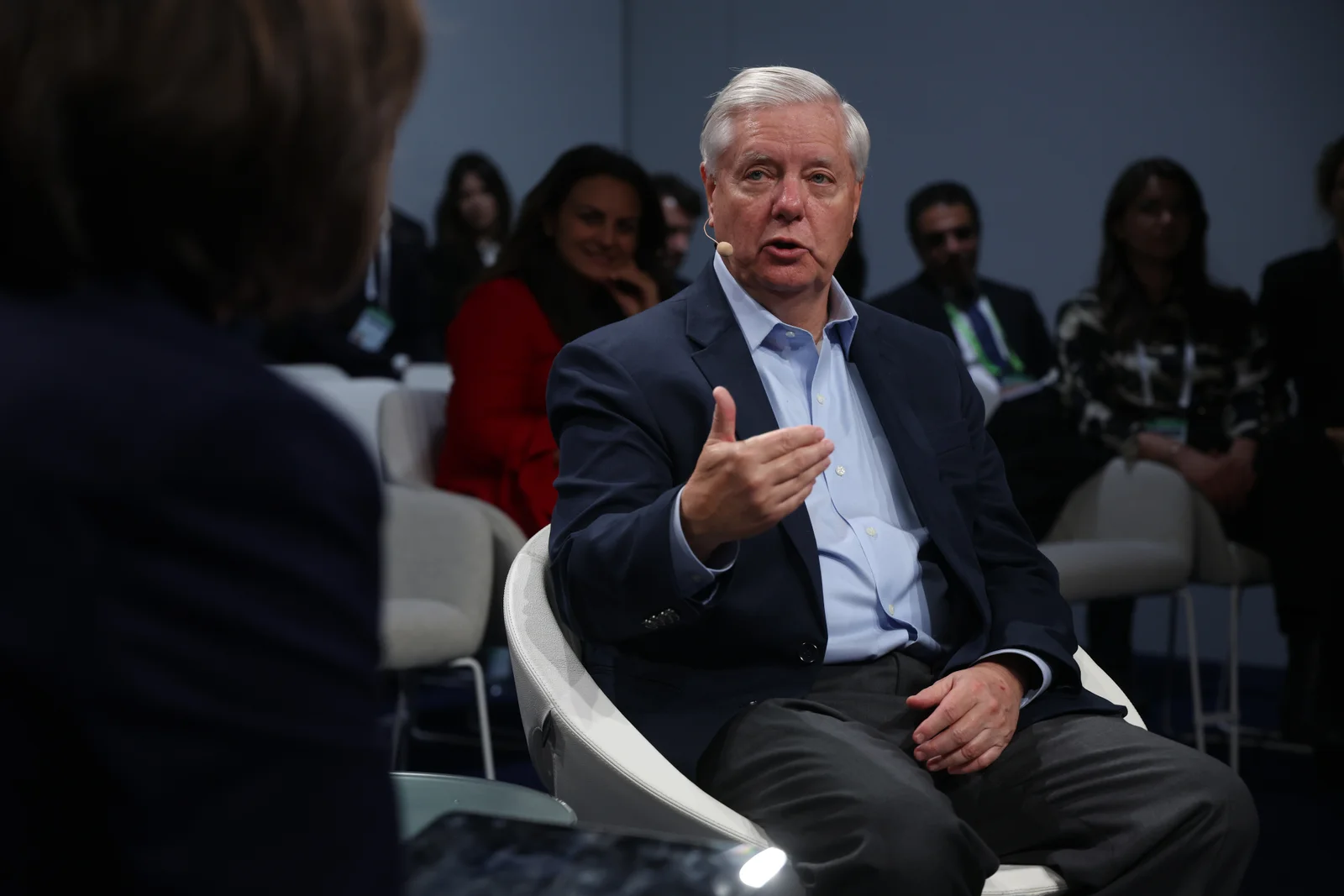
Sen. Lindsey Graham used a Munich Security Conference appearance to urge Saudi Crown Prince Mohammed bin Salman and UAE President Sheikh Mohamed bin Zayed al-Nahyan to stop escalating Gulf realignment, warning that tensions between Riyadh and Abu Dhabi could bolster Iran and affect regional stability; he pressed for broader cooperation with Israel and urged leaders to think big picture beyond Yemen and Sudan conflicts.
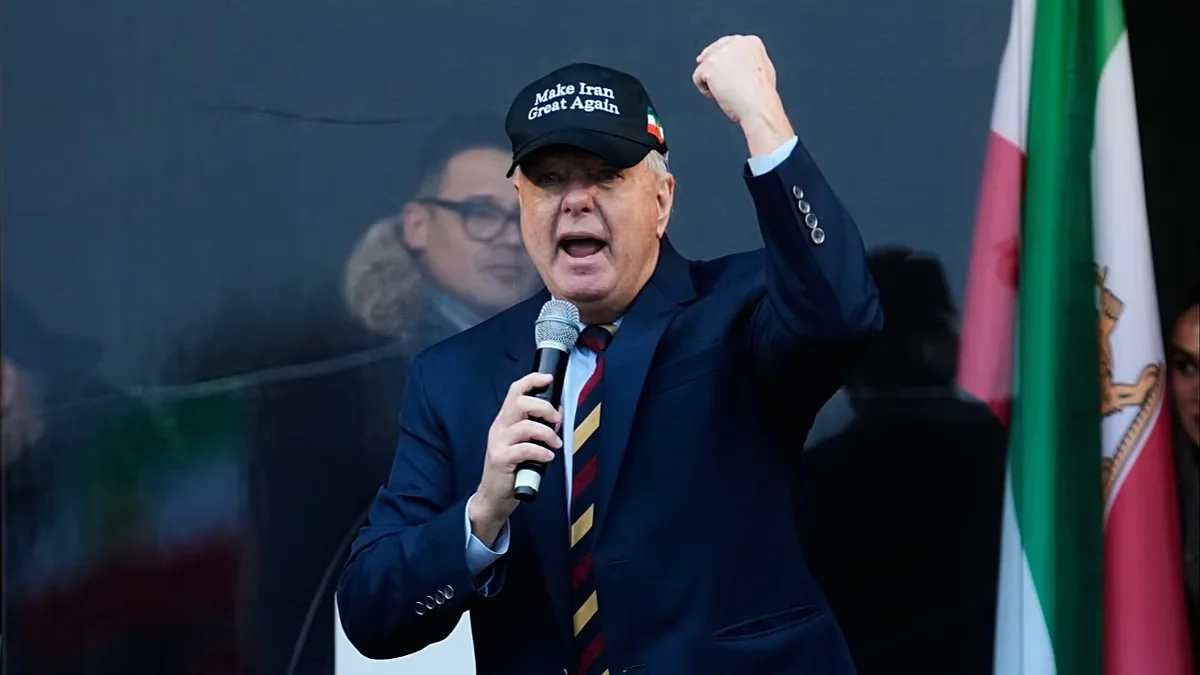
At the Munich Security Conference, U.S. Senator Lindsey Graham urged Saudi Arabia and the UAE to resolve recent rifts and present a united front on Iran, warning that Gulf divisions could bolster Tehran while Washington signals its readiness with forces in the region amid Yemen and Sudan tensions and stalled nuclear talks.
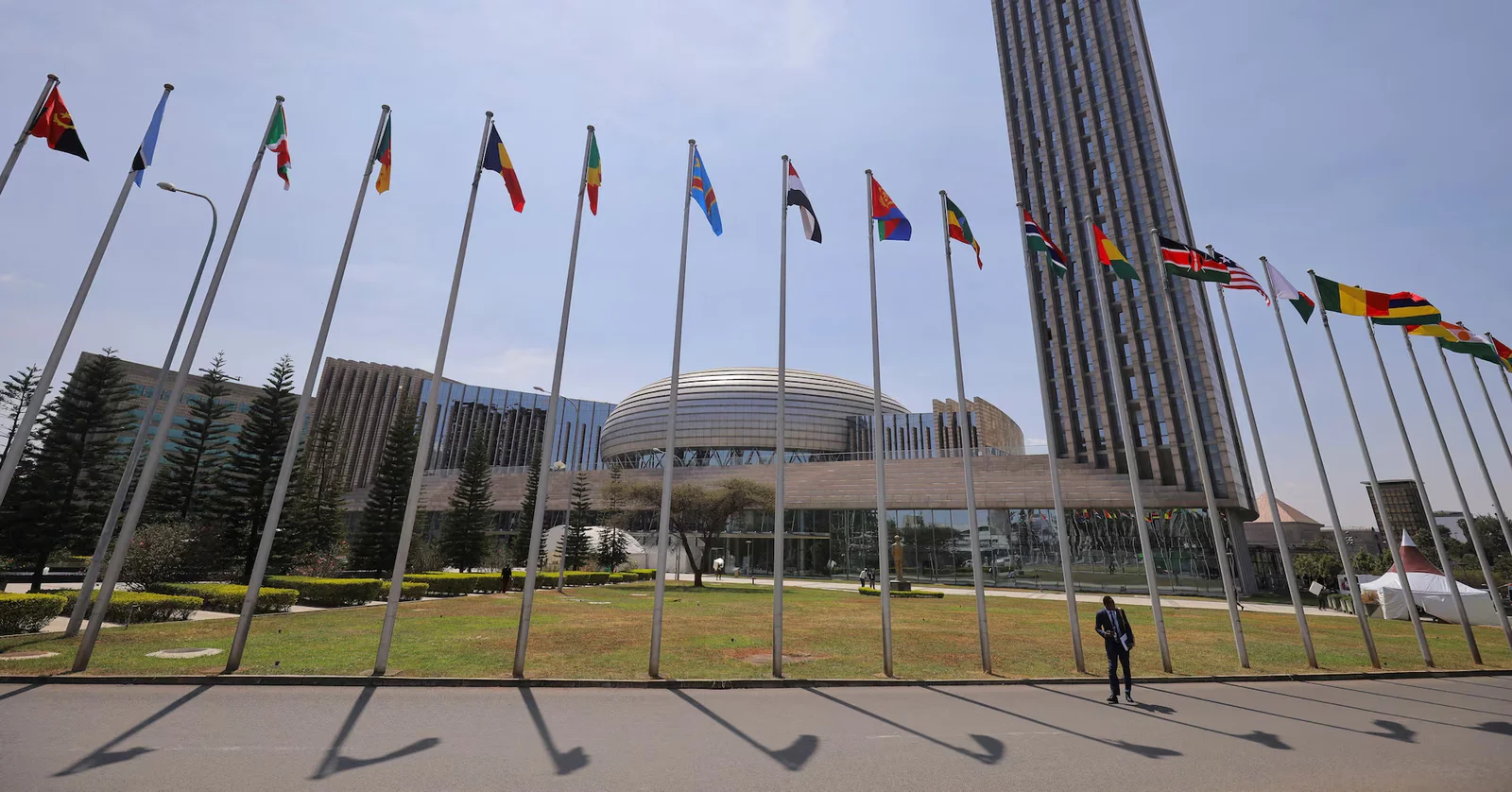
Saudi–UAE rivalry spills into the Horn of Africa ahead of the African Union summit, with Riyadh and Abu Dhabi backing opposing sides in regional conflicts and pressuring states to choose camps, as leaders aim to stay neutral to avoid being drawn into the Gulf feud amid tensions in Somalia, Sudan and Ethiopia-Eritrea.
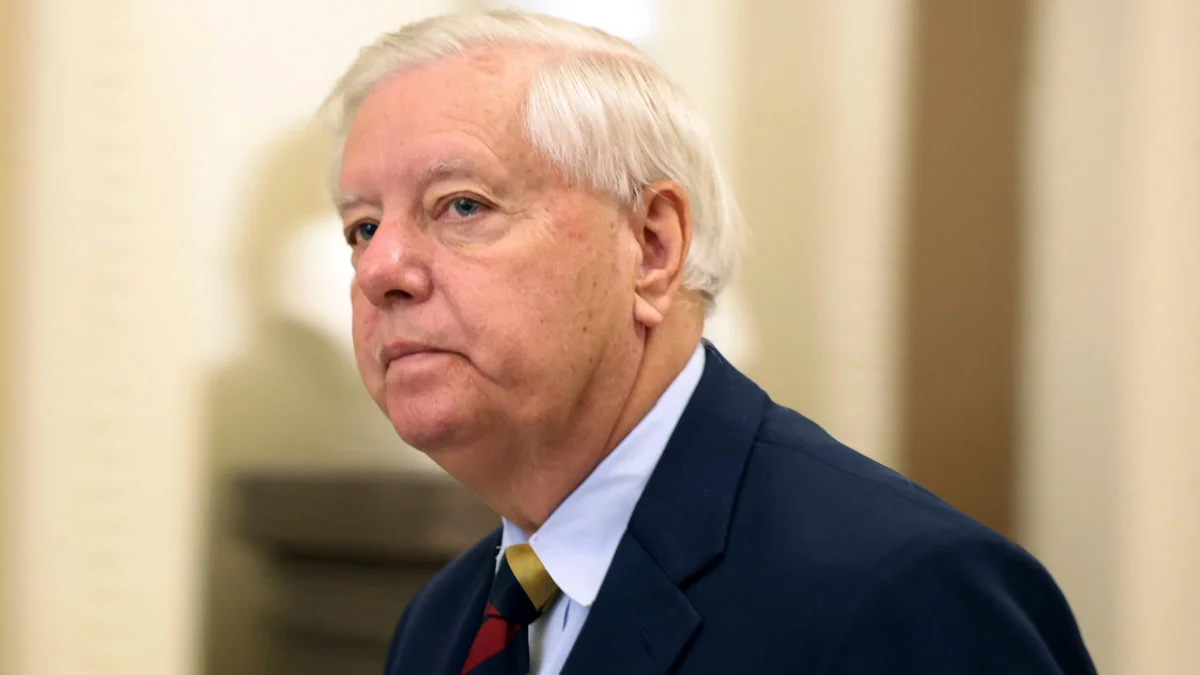
At the Munich Security Conference, Senator Lindsey Graham pressed Crown Prince Mohammed bin Salman to end the Saudi-UAE rift, arguing the UAE's close ties with Israel and its backing of the Abraham Accords threaten regional balance and embolden Iran; he urged a bigger‑picture approach despite broader conflicts in Yemen and Sudan, and warned against backing away from confronting Iran.
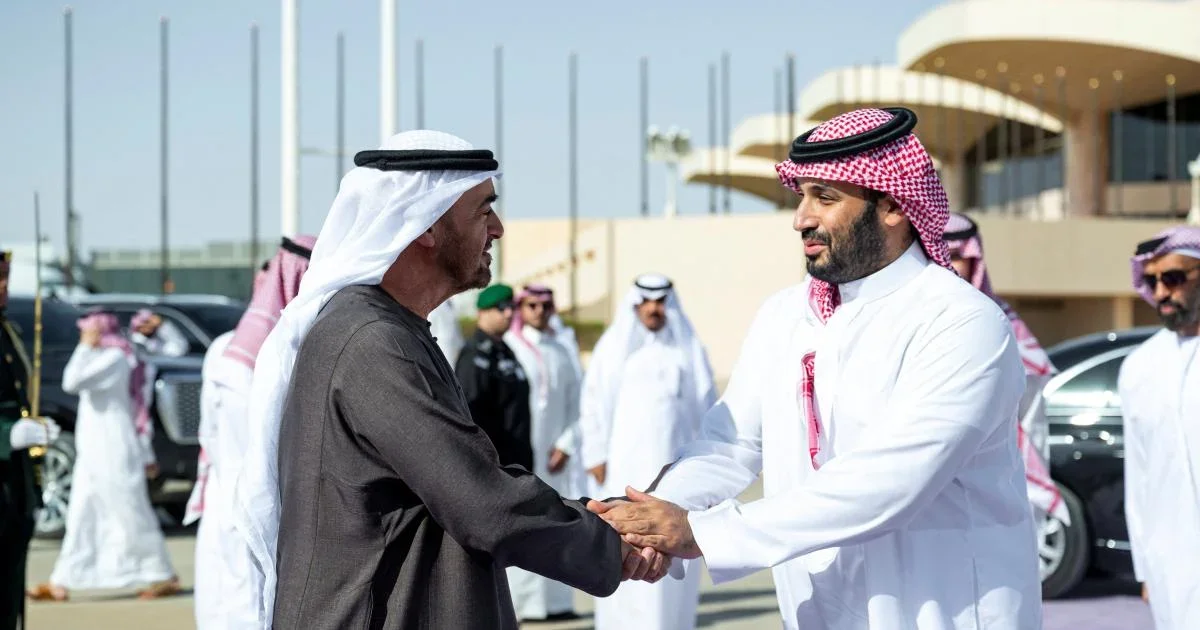
A rising Saudi–UAE rift has shifted from a close strategic partnership to a widening rivalry over economics, investment, and security, driven by Saudi Vision 2030 and Riyadh’s pivot toward Iran, Qatar, and Turkey while the UAE pursues diversified global power. The feud plays out across Yemen, Sudan, Syria, and Israel, involving proxy contests and competing investments, raising the risk of broader instability even if a direct war remains unlikely. Western powers should hedge rather than pick sides to preserve influence over oil markets and trade routes, as a personal rapprochement between MBS and MBZ could help stabilize the region in the longer term.
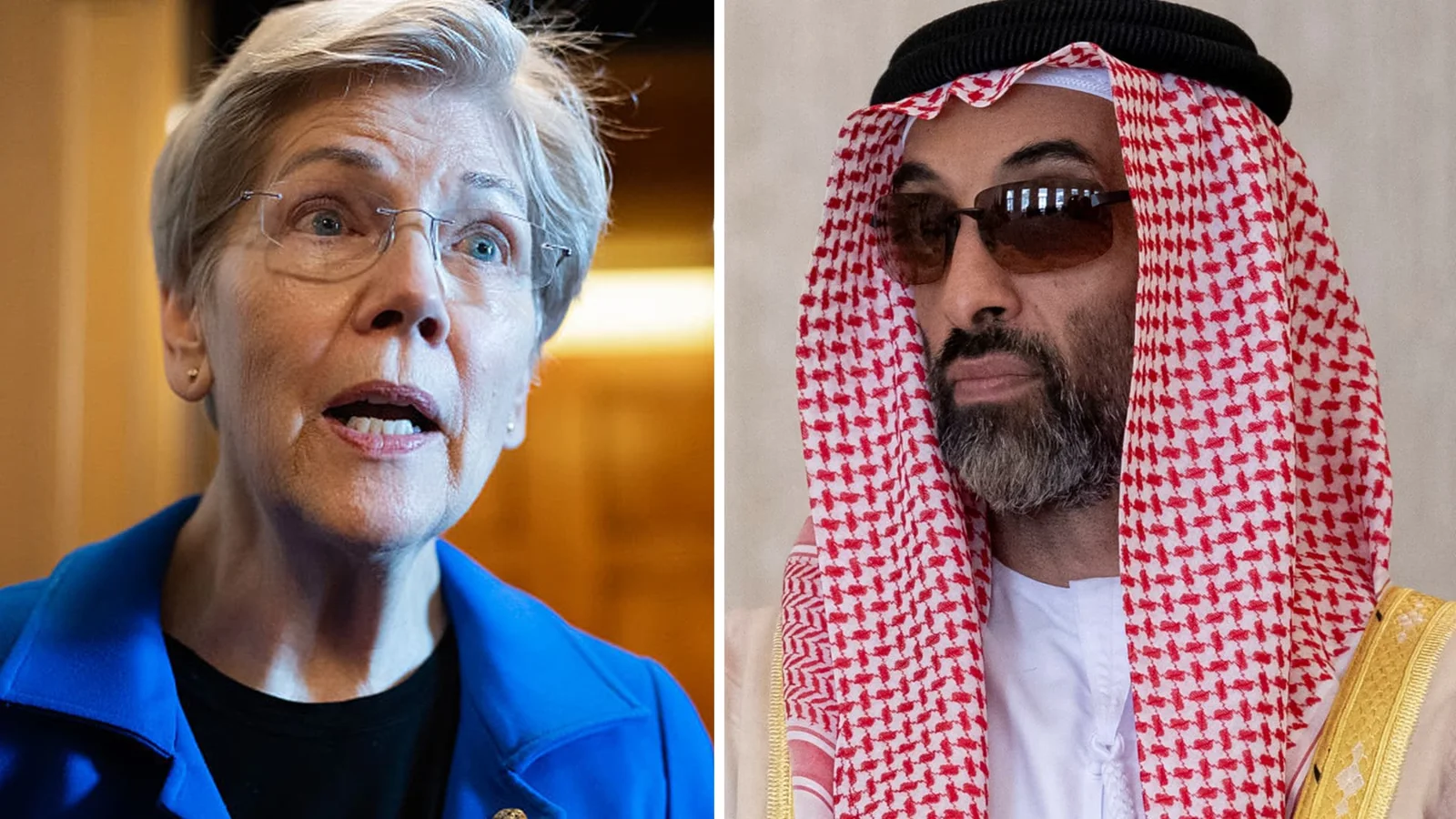
Sen. Elizabeth Warren plans a Senate resolution condemning and seeking reversal of a deal that would ship 500,000 Nvidia AI chips annually to the United Arab Emirates, tying the move to revelations that Sheikh Tahnoon bin Zayed Al Nahyan secretly acquired a 49% stake in the Trump family’s World Liberty Financial days before Trump’s inauguration. The resolution would condemn Trump’s decision to allow the sale and call for its reversal, though it faces procedural hurdles in the Senate; the Trump administration denies wrongdoing.
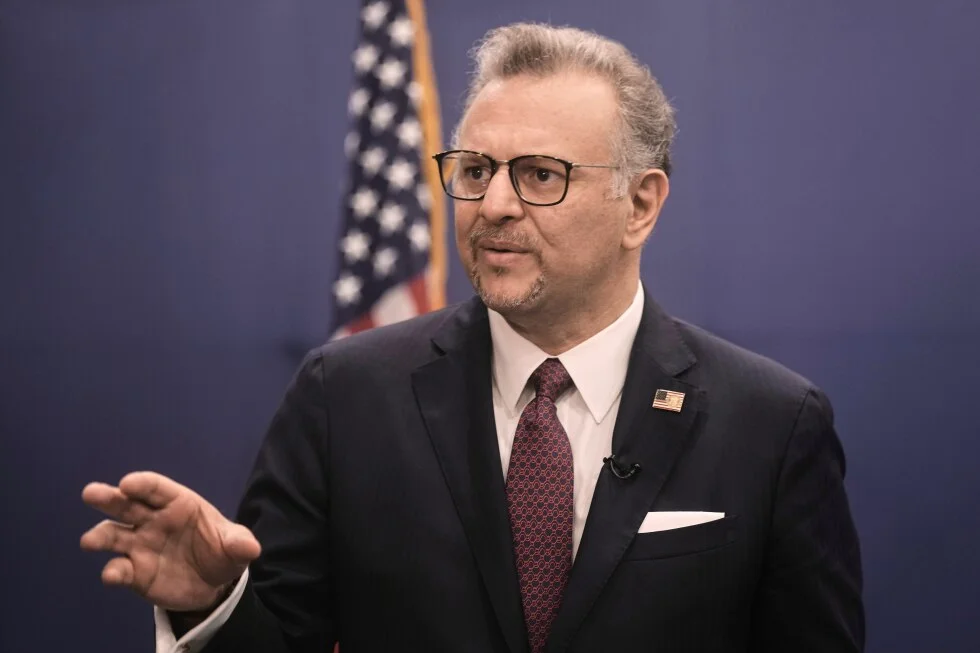
The United States and United Arab Emirates have pledged a total of $700 million to fund humanitarian relief in war-torn Sudan, with the money going through UN agencies and partners to help civilians with food, medical care and essential services amid ongoing conflict.
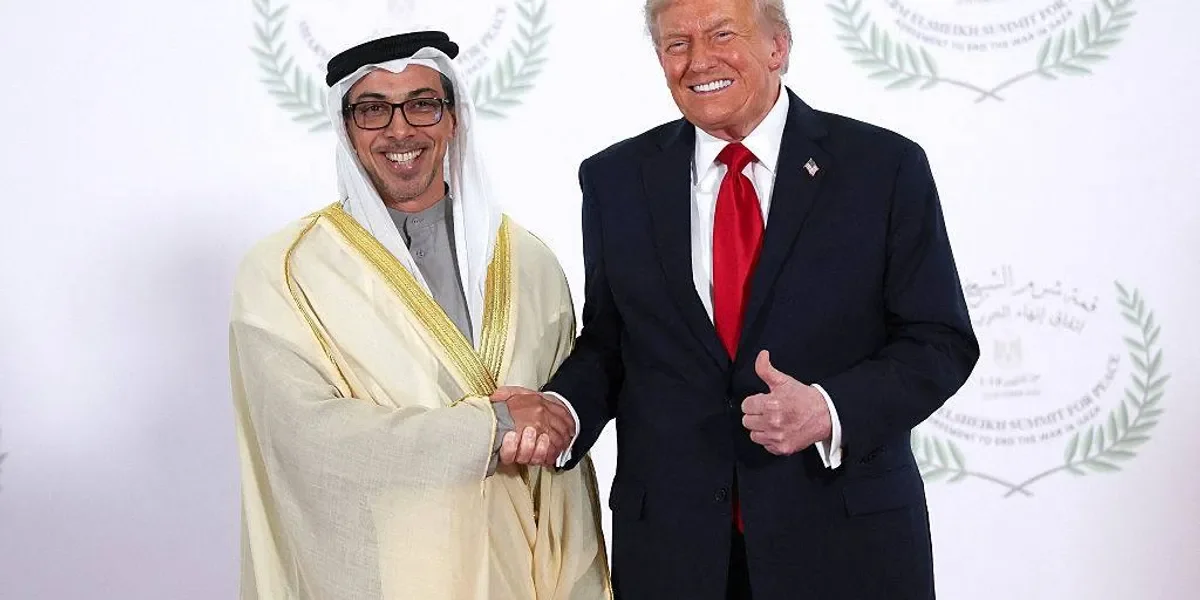
A Wall Street Journal report alleges a member of Abu Dhabi’s royal family secretly backed a $500 million investment in the Trump family’s cryptocurrency venture, acquiring 49% of World Liberty Financial and directing about $187 million upfront to Trump entities (with at least $31 million to Witkoff entities), months before the UAE was granted access to advanced U.S. AI chips; the meeting with Trump and Witkoff at the White House and the scale of the deal have critics calling it bribery with potential national-security implications.
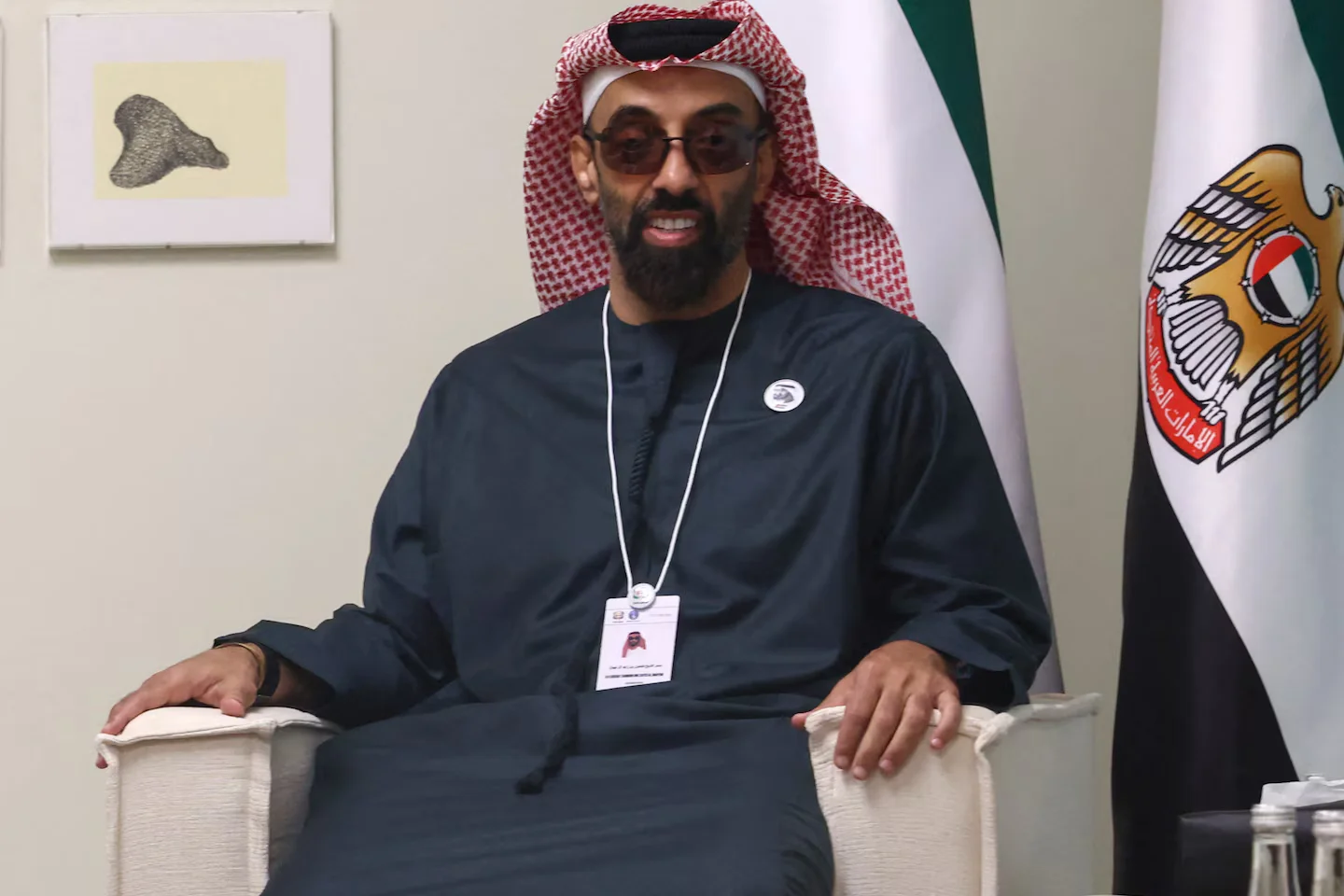
A Trump family crypto firm, World Liberty Financial, sold a major stake to UAE-backed investors for about $500 million, giving them 49% ownership and linking the Trump operation to UAE elites just days before the inauguration, raising questions about foreign influence and financial ties.
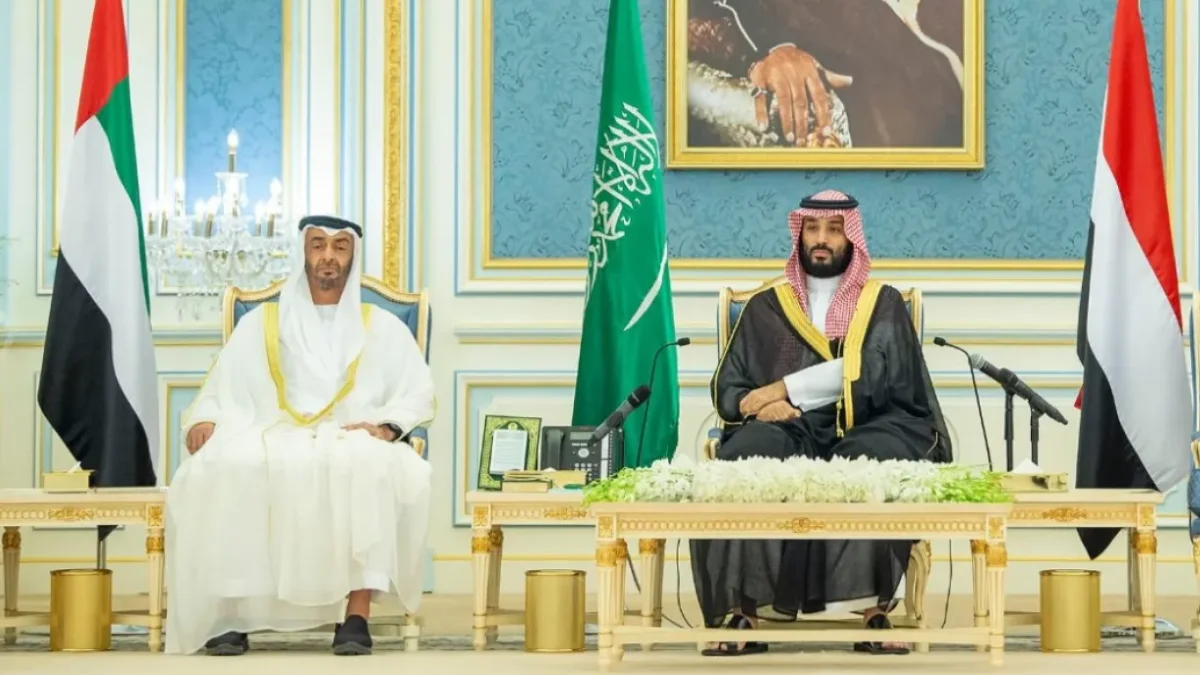
Saudi Arabia pursues de-escalatory development and border security to insulate its domestic agenda, while the UAE embraces pre-emptive activism to reshape a brittle regional order. The late-2025 Yemen crisis exposed a direct Saudi–Emirati split as UAE-backed forces briefly seized border provinces before Saudi-led forces reversed them, prompting Riyadh to accuse Abu Dhabi of undermining its leadership. The dispute threatens GCC cohesion, tests responses to Israel normalization, and reshapes security arrangements and external alignments, with policymakers needing to manage competing risk tolerances rather than assuming convergence.
The ECFR piece argues that the Saudi–UAE rupture signals a broader Gulf strategic competition that will shape Europe’s security and economic interests. Europe should avoid becoming a battleground by balancing ties with both Riyadh and Abu Dhabi, while pushing for de‑risked infrastructure, maritime security in the Red Sea, accountability on war crimes in Sudan, and practical bilateral engagement through the EU’s Strategic Partnership with both states to safeguard trade, technology access, and regional stability.