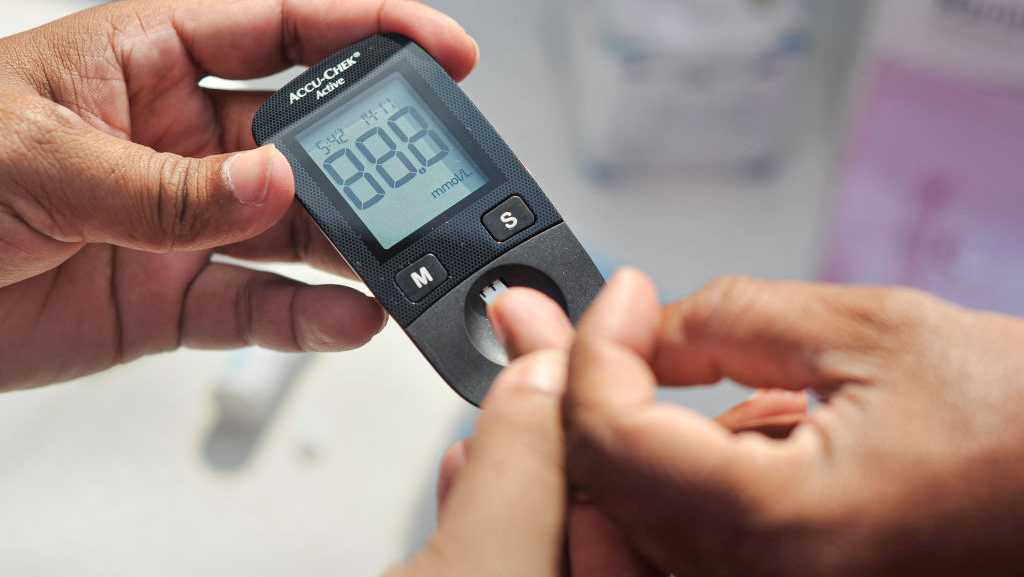
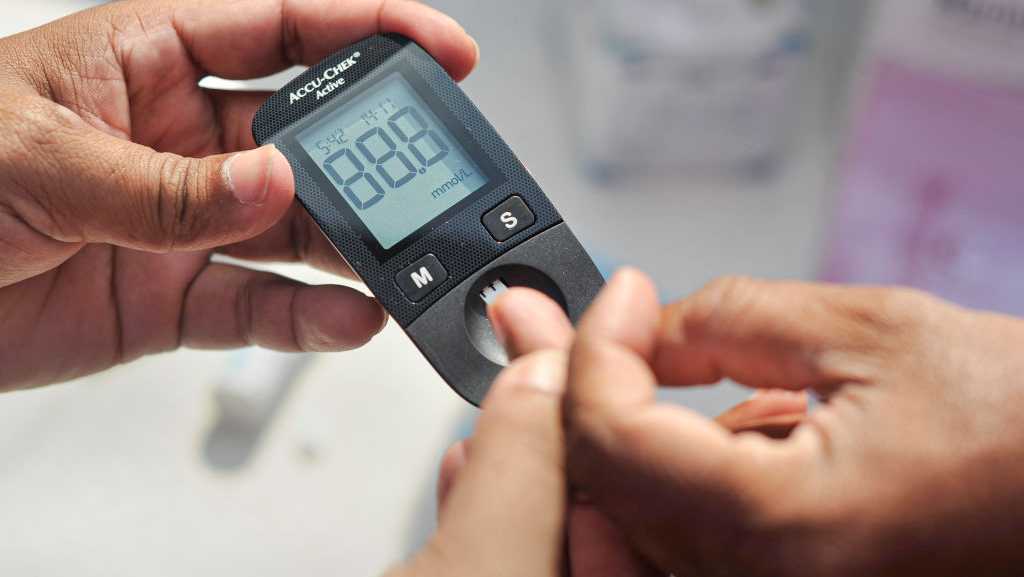
A new study reveals that nearly 44% of people with diabetes are unaware of their condition, highlighting the importance of regular screening, especially among young adults, and emphasizing lifestyle changes to prevent type 2 diabetes.
A new study reveals that nearly 44% of people with diabetes are unaware of their condition, highlighting the importance of regular screening, especially among young adults, and emphasizing lifestyle changes to prevent type 2 diabetes.
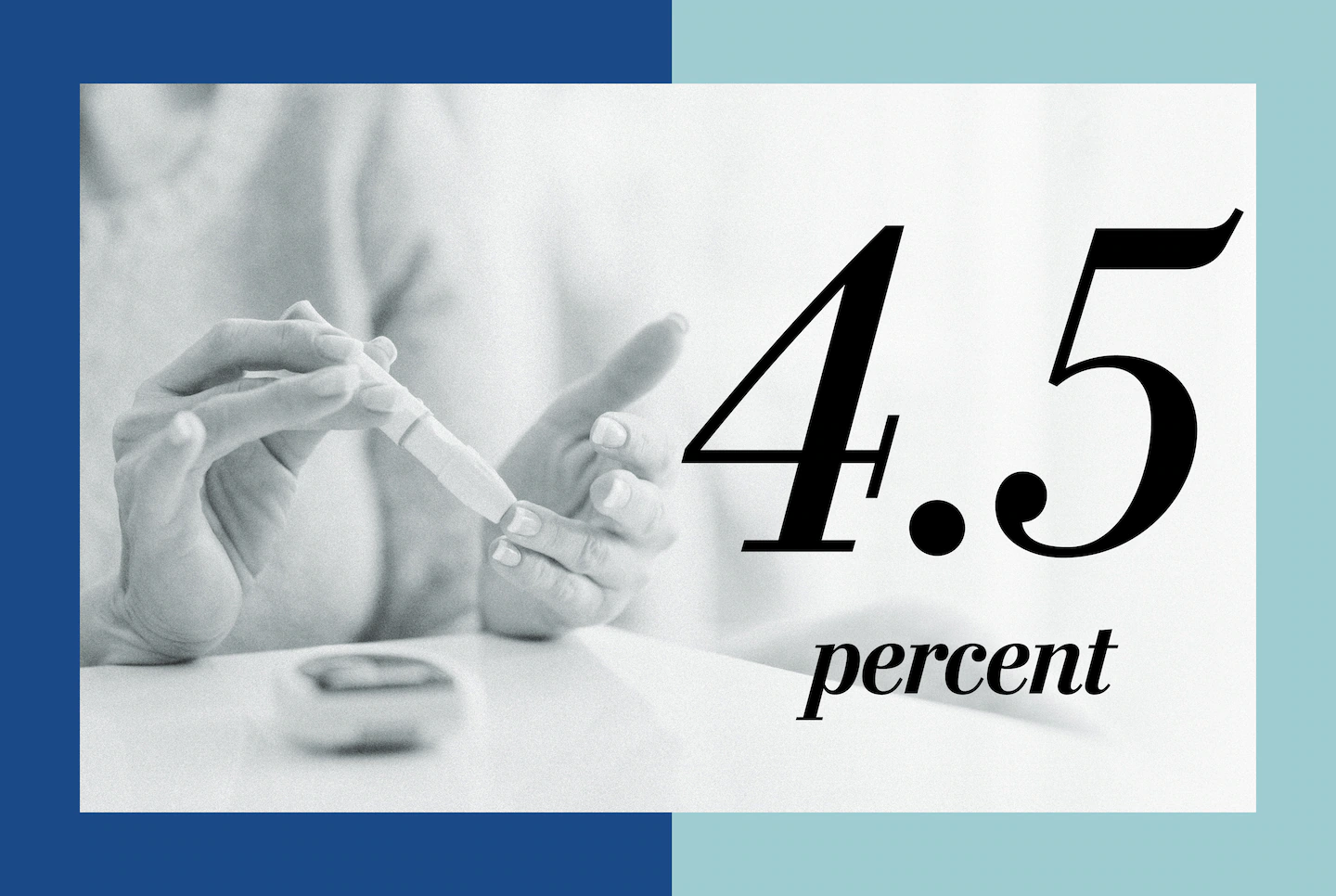
A CDC report reveals that from August 2021 to August 2023, 4.5% of U.S. adults had undiagnosed diabetes, while over 11% had been diagnosed. The study highlights demographic variations, showing higher undiagnosed rates among older adults and those with obesity. The CDC emphasizes the importance of diagnosis to prevent serious health complications and suggests lifestyle changes to prevent prediabetes and Type 2 diabetes.
A woman shares her experience of almost dying from undiagnosed type 1 diabetes, highlighting five common symptoms that doctors missed. These symptoms include repeated infections, significant and rapid weight loss, mental health issues, drastic vision changes, and debilitating fatigue. The author emphasizes the importance of recognizing these signs and seeking prompt medical attention to prevent life-threatening complications.
More than 7 million Americans are unaware that they have mild cognitive impairment (MCI), which could be an early sign of Alzheimer's disease. Two new studies have found that the majority of people with MCI are undiagnosed, preventing them from accessing preventive measures and new treatments. The studies also revealed that detection rates for MCI are particularly low among historically disadvantaged groups. Early detection and treatment of MCI are crucial for better outcomes, as the brain's ability to recover is limited. Improved awareness, risk-based detection, and digital tests could help identify more cases and provide timely interventions.
A study conducted by researchers at University College London suggests that the number of autistic people in England may be more than double the official figure cited in national health policy documents. Using anonymized data from GP practices, the researchers estimate that there could be approximately 750,000 undiagnosed autistic people aged 20 and above in England, making the total autistic population over 1.2 million. The researchers are calling for better access to diagnostic services for adults, increased post-diagnosis support, and greater societal acceptance and understanding of neurodiversity.
A study conducted in France suggests that approximately 20% of adults may suffer from obstructive sleep apnea (OSA), a condition characterized by symptoms such as loud snoring, interrupted breathing, and recurring awakenings. However, only a small fraction of those affected are diagnosed and receiving treatment. OSA is more prevalent in certain demographics, including men and older individuals, with women often going undiagnosed. The condition is associated with an increased risk of serious health issues such as hypertension, stroke, heart diseases, and type 2 diabetes. The study highlights the need for increased awareness and screening for OSA to mitigate these risks.
A mother shares her harrowing experience of her 20-month-old son, Arthur, being hospitalized for a week before finally being diagnosed with coeliac disease. Arthur experienced symptoms such as vomiting, weight loss, weakness, pale skin, lack of growth, and an enlarged belly. The family tried various methods to get him to eat, but nothing worked until he was diagnosed with the autoimmune disease. Coeliac disease is often misunderstood and can lead to serious health complications if left undiagnosed. The mother hopes to raise awareness about the disease and the importance of a gluten-free diet for those affected.