Minecraft's upcoming 'Mounts of Mayhem' update, arriving in Holiday 2025, introduces new weapons like the spear, an underwater mount called the nautilus, and new enemy configurations, including zombie nautilus and zombie horses, to diversify combat and exploration.
Millie Bobby Brown revealed the story of her underwater engagement to Jake Bongiovi, detailing how he proposed with a ring inside a shell while diving, leading to a moment of confusion and the ring nearly getting lost in the ocean. Despite the mishaps, Brown sees it as a reflection of their ability to support each other in their relationship.
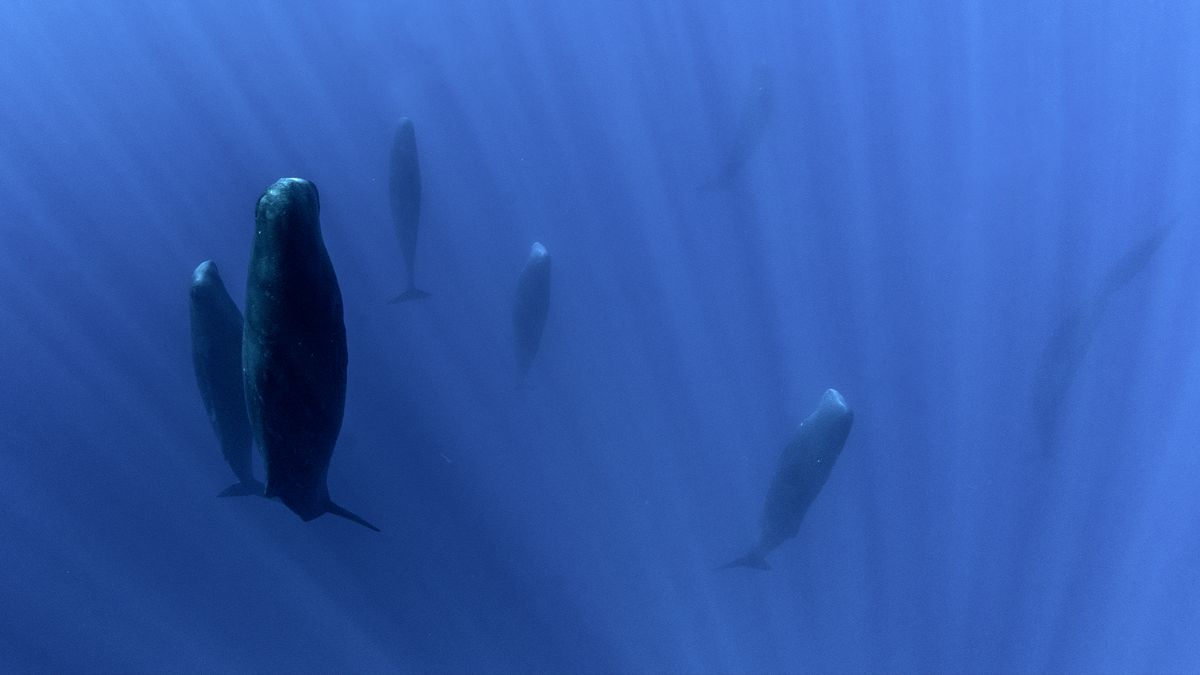
Marine mammals have adapted various sleeping strategies to rest underwater, including unihemispheric sleep, where one half of the brain sleeps while the other remains alert. Dolphins and some bird species utilize this technique to maintain awareness while resting. Some marine mammals, like sperm whales and elephant seals, engage in short bouts of sleep underwater, with sperm whales sleeping upright for about 20 minutes at a time and elephant seals entering rapid eye movement (REM) sleep while upside down and spinning in a slow circle. These adaptations allow marine mammals to rest while minimizing the risks of predation and heat loss in the open water.
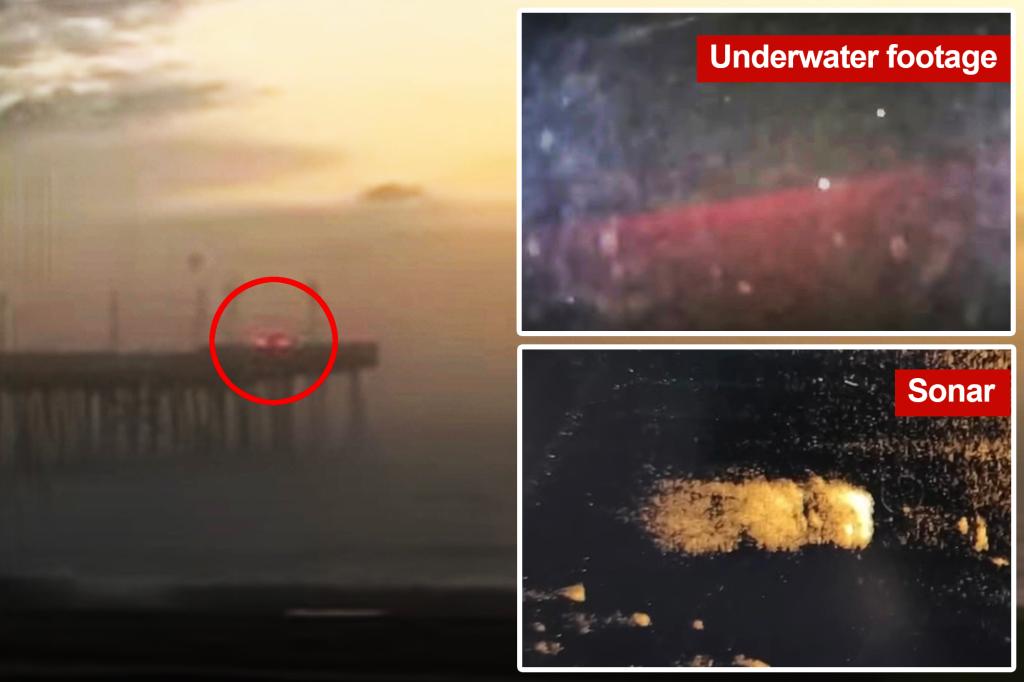
A car mysteriously sped off a Virginia Beach pier and submerged in the Atlantic, with officials uncertain if anyone was inside. The vehicle was found upside down 17 feet below the surface, but rough conditions have hindered recovery efforts and the determination of potential occupants. Eerie footage captured by a passerby and a remotely operated vehicle (ROV) shows the car rocking in murky water, while strong currents and low visibility have made it too dangerous for divers to navigate and assess the area. Recovery efforts have been postponed due to violent waves, and the salvage crew will determine when it will be safe to continue.
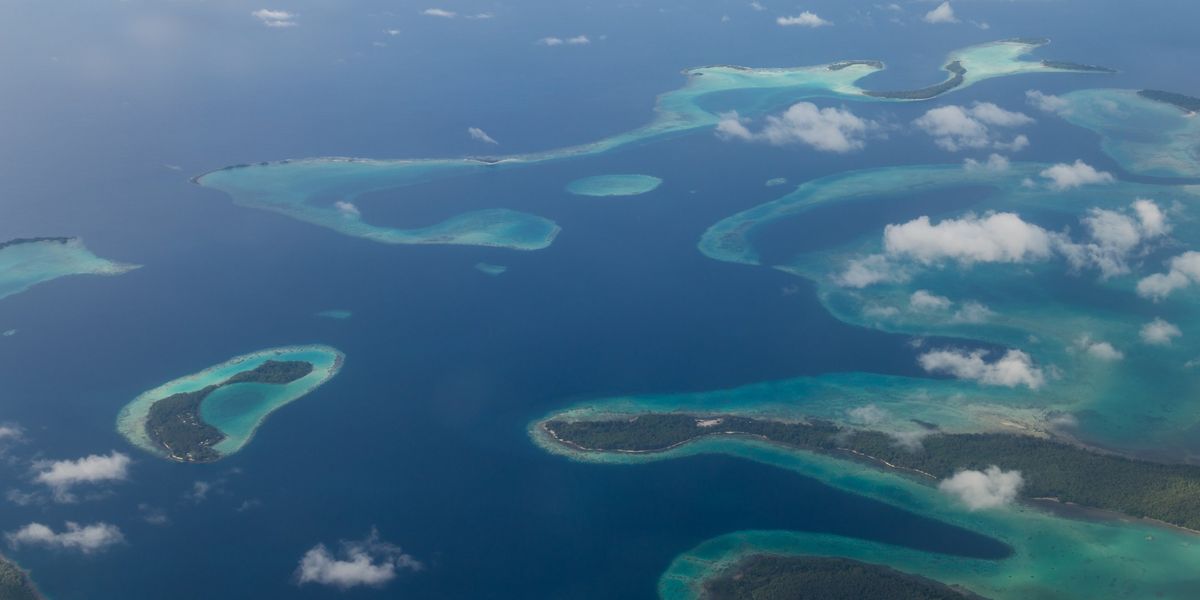
A massive Pacific plateau called the Melanesian Border Plateau, larger than the US state of Idaho, has been discovered on the sea floor near Fiji, with evidence suggesting it has formed through four separate pulses of volcanism since the age of dinosaurs. The plateau began forming 120 million years ago and continues to grow, challenging previous assumptions about the origins of underwater volcanic features.
Researchers have developed a superhydrophobic surface with a stable plastron that can last for months underwater. The surface, made from a titanium alloy, repels blood and prevents the adhesion of bacterial and marine organisms. This breakthrough opens up possibilities for applications in biomedicine and industry, such as reducing infection after surgery and preventing corrosion in pipelines and sensors. The surface survived 208 days submerged in water and significantly reduced the growth of E.coli and barnacles. The stability and scalability of this system make it valuable for real-world applications.
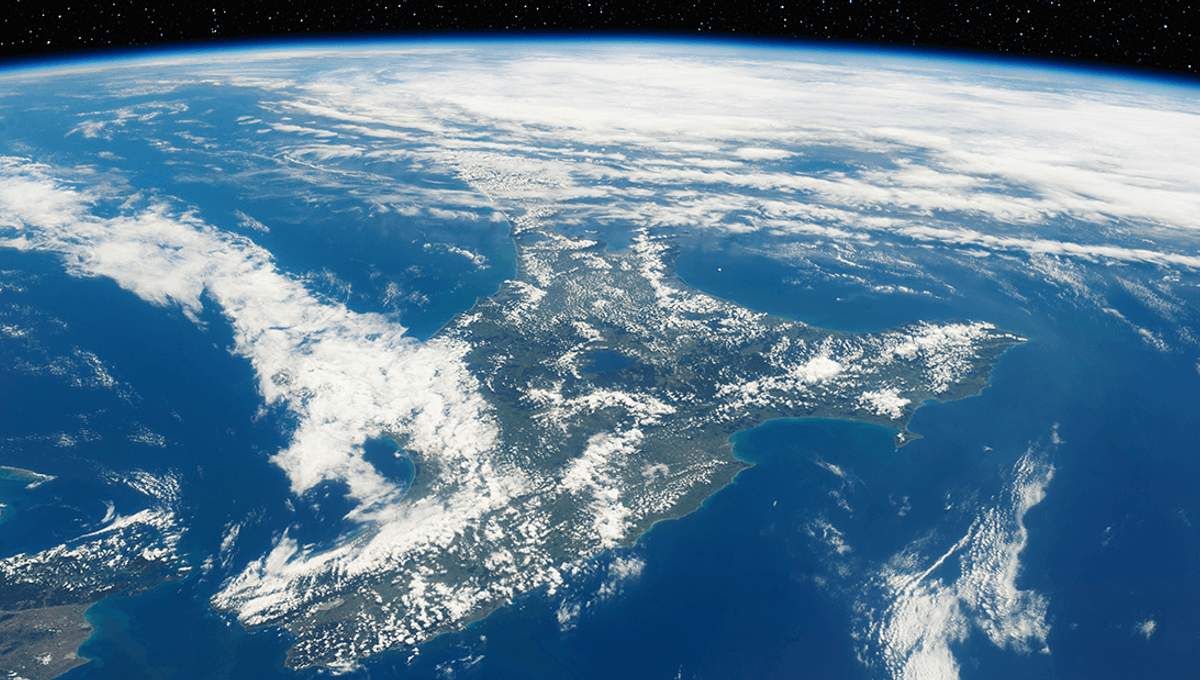
Zealandia, the world's eighth continent, has been largely submerged underwater for the past 25 million years. Scientists have recently released the most accurate map of Zealandia, uncovering its geology and shedding light on its formation. Zealandia is believed to have formed around 83 million years ago when the supercontinent of Gondwana started to break up. It was stretched and pulled apart by tectonic forces, creating ruptures that later became oceanic crust. The study also revealed that Zealandia and West Antarctica were once connected. However, due to its underwater nature, much of Zealandia's secrets are still unknown.
Scientists have analyzed samples from Zealandia, the submerged continent that separated from Gondwana 60 million years ago. Zealandia's crust is mostly underwater, with only a small portion, including New Zealand and New Caledonia, above water. The continent's crust is thinner than most continents but thicker than oceanic crust. The new research aims to understand the thinning process that caused Zealandia to sink. Evidence suggests that Zealandia was once home to a diverse range of plants and animals, providing insights into the dispersal and evolution of species in the South Pacific.
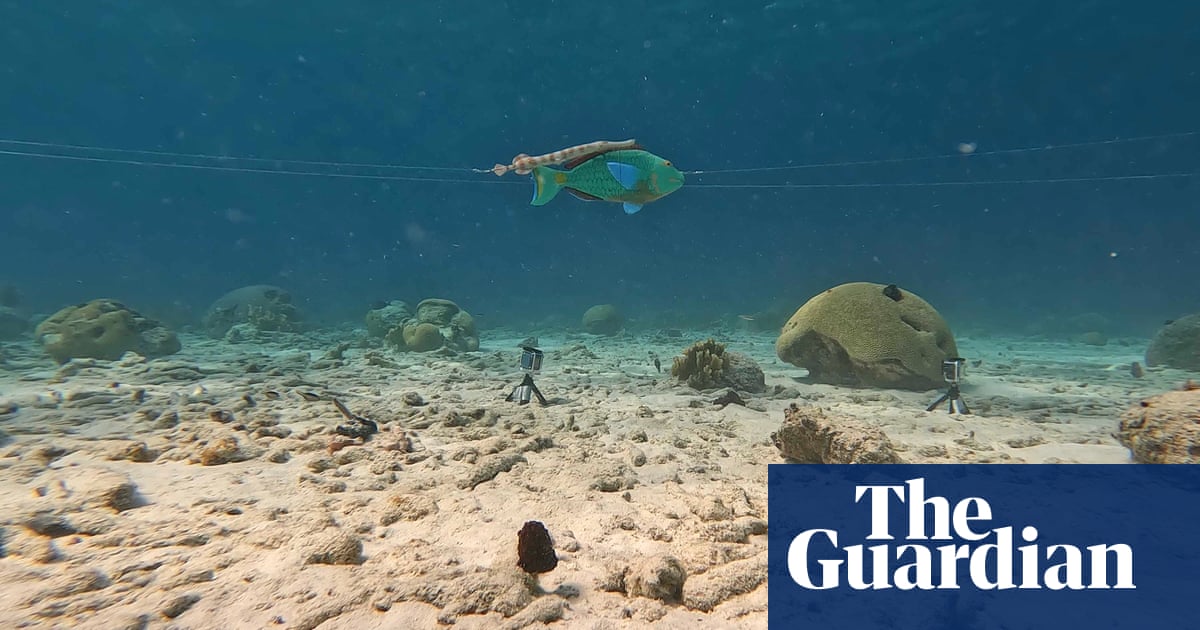
Trumpetfish have been observed using other species of fish as camouflage to approach their prey undetected. Researchers from the University of Cambridge created 3D models of trumpetfish and parrotfish to study this behavior. When the model of the trumpetfish was attached to the side of the parrotfish model, the prey fish inspected the models for a shorter duration and fled only when the models were closer. This shadowing behavior allows trumpetfish to reduce detection by their prey and approach closer before provoking an avoidance response. The study provides insights into how animals achieve concealment and highlights the potential impact of coral reef degradation on animal behavior.
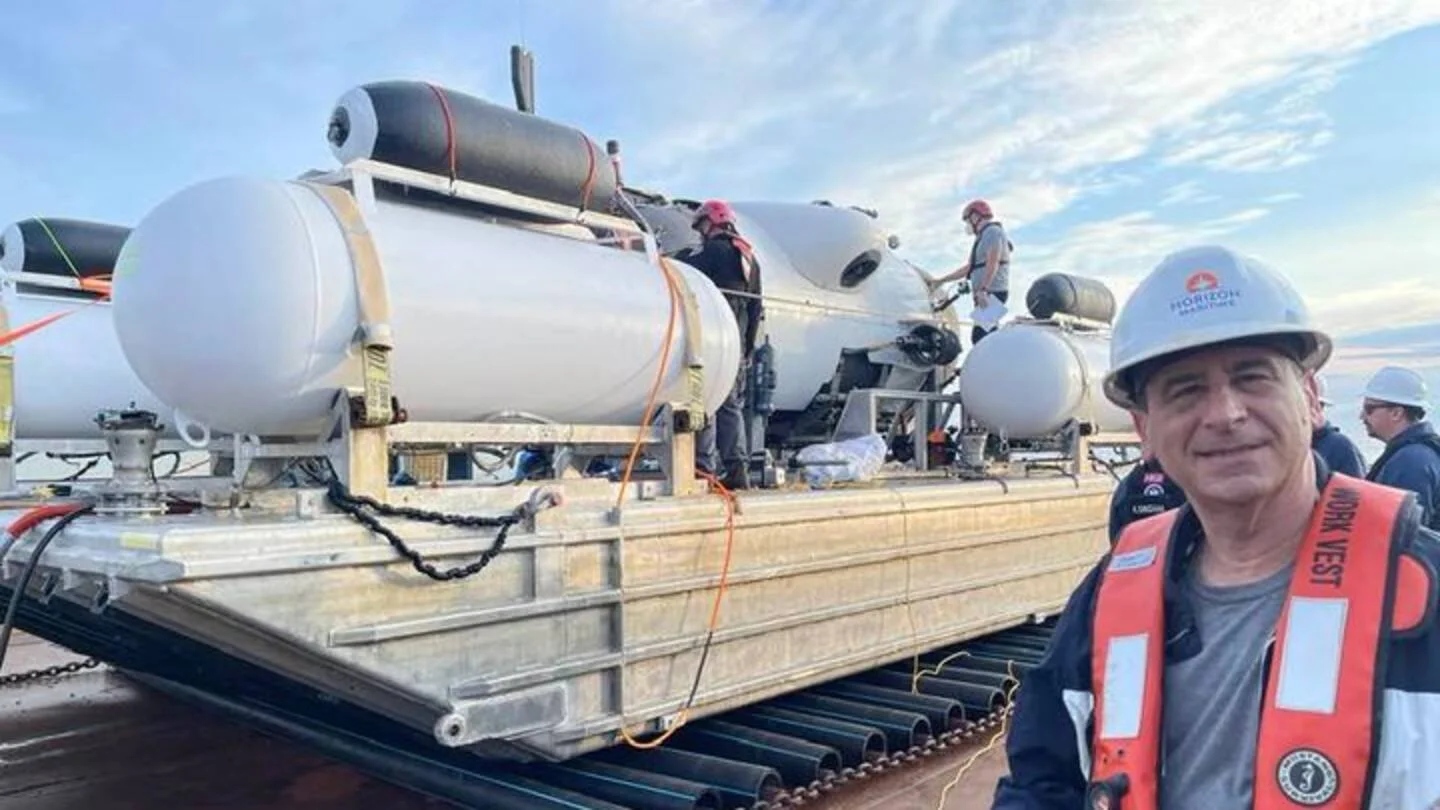
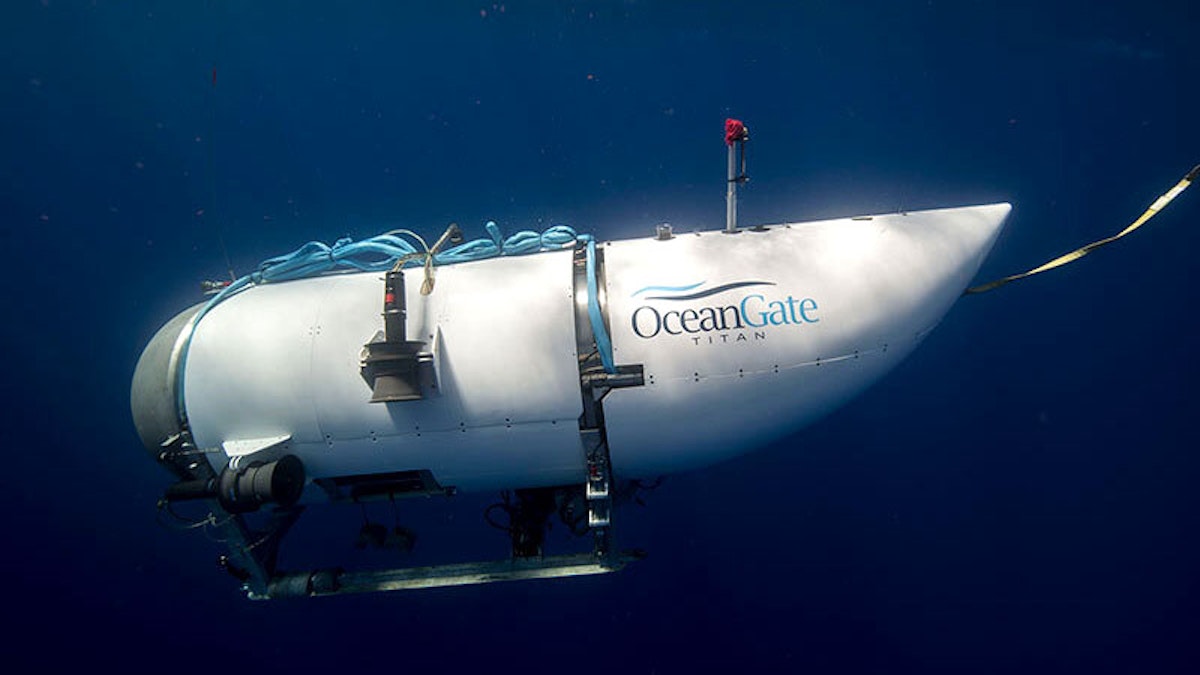
Mike Reiss and his wife shared photos from their 2022 expedition to the Titanic on the submersible "Titan". The couple went on a dive to explore the underwater wreckage and captured stunning images of the historic site.
A resident of Rochester, Aaron Newman, who was on the same "Titan" submersible two years ago, says those on the craft knew the risks they were taking when they signed up. Newman compared the trip to what it would be like to go to the moon, saying within three minutes, passengers are in complete darkness. He says while on his trip, he was able to see the stern of the Titanic. Newman hopes exploration doesn't stop after this trip, adding there's so much humanity needs to learn about the bottom of the ocean.
Banging sounds have been detected underwater near where the Titan submersible went missing while on its way to view wreckage from the Titanic. The Canadian officials on board a specialized aircraft were the ones that detected the banging underwater. The news comes as there is less than 30 hours of breathable air left. The Joint Rescue Coordination Centre is working to find an underwater remote-operated vehicle through partner organizations to possibly assist. The Titan weighs 23,000 pounds and can reach a depth of nearly 2.5 miles underwater.
Dramatic bodycam footage shows a Florida deputy sheriff and a civilian being dragged underwater after the officer attempted to rescue the trapped citizen from a drainage pipe. Both individuals were lucky to survive the incident.
Dr. Joseph Dituri, a university professor and medical researcher, has set a new record for the longest time living underwater without depressurization, spending 100 days at Jules' Undersea Lodge in Florida. The project aimed to learn more about how the human body and mind respond to extended exposure to extreme pressure and an isolated environment, and was designed to benefit ocean researchers and astronauts on future long-term missions. Dituri conducted daily experiments and measurements to monitor how his body responded to the increase in pressure over time, and plans to present findings from Project Neptune 100 at November's World Extreme Medicine Conference in Scotland.
Dr. Joseph Dituri, a Florida professor also known as "Dr. Deep Sea," has set a new world record for the longest time spent living underwater without depressurization. He has spent 74 days in Jules’ Undersea Lodge in Key Largo and plans to spend at least 100 days there as part of a project called "Project Neptune 100," which is analyzing how the human body reacts to long-term underwater pressure. The project is organized by the Marine Resources Development Foundation and joins medical and ocean research with education. Dituri continues to teach biomedical engineering classes at the University of South Florida while in the lagoon.