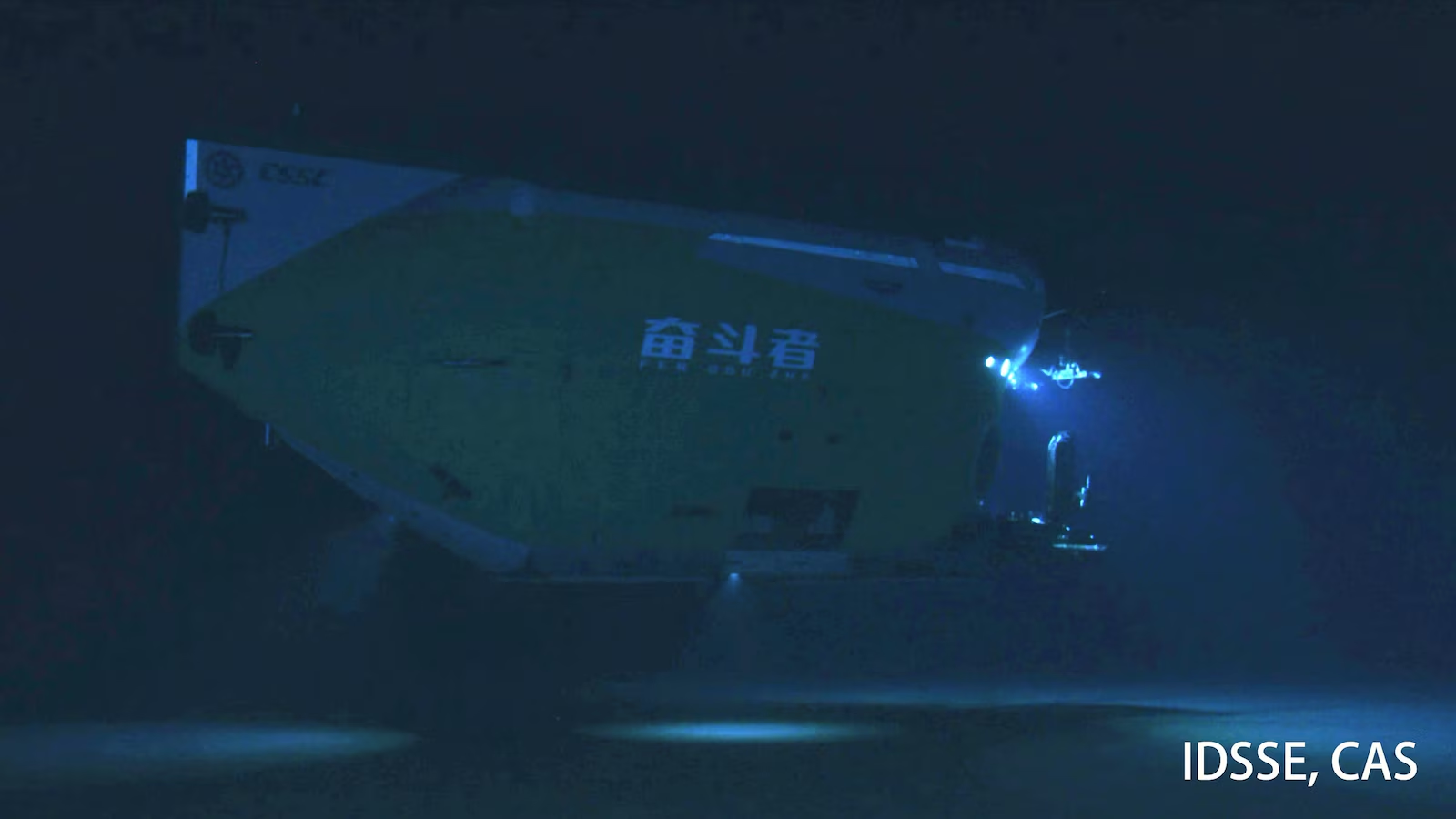
A recent underwater expedition has discovered thriving communities of larger marine creatures, including tubeworms and mollusks, at over 31,000 feet deep in the Pacific Ocean trenches, challenging previous assumptions about life in extreme deep-sea environments.
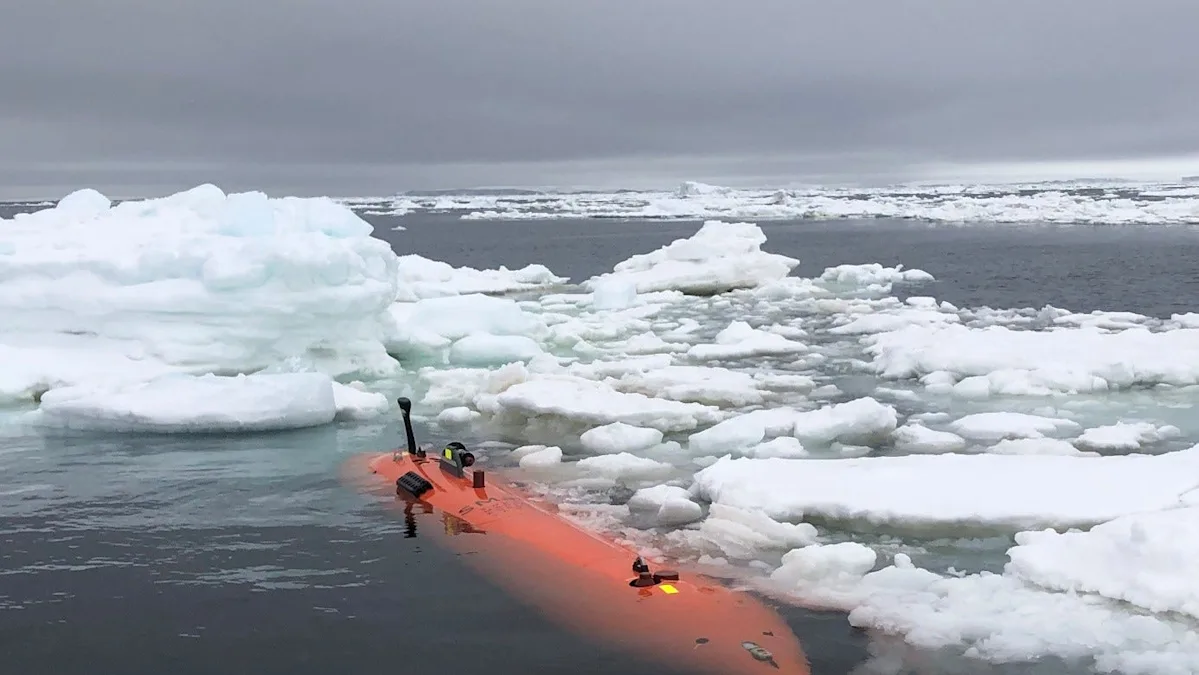
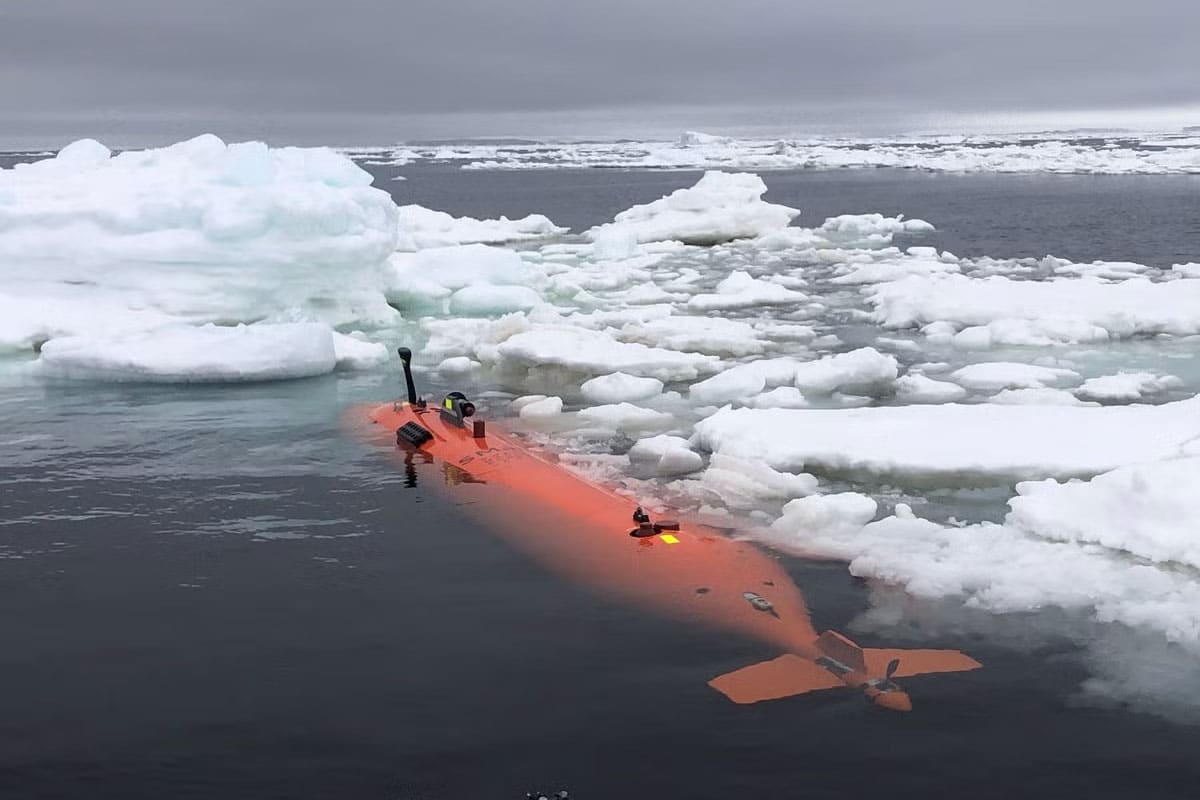
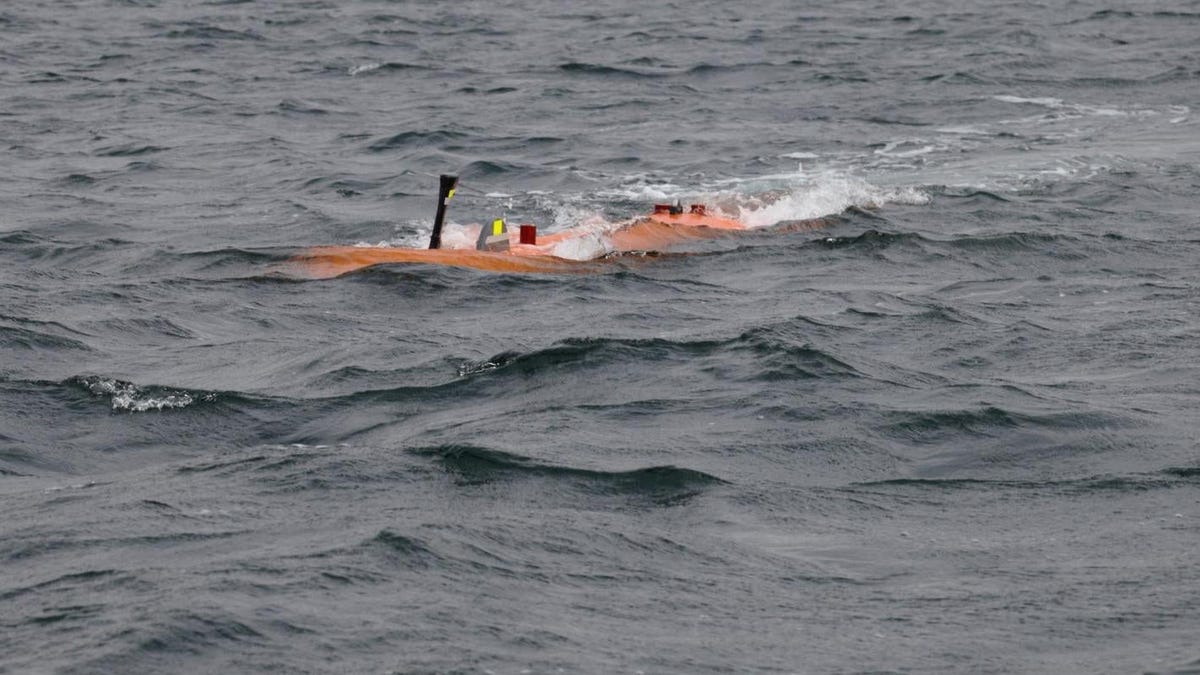
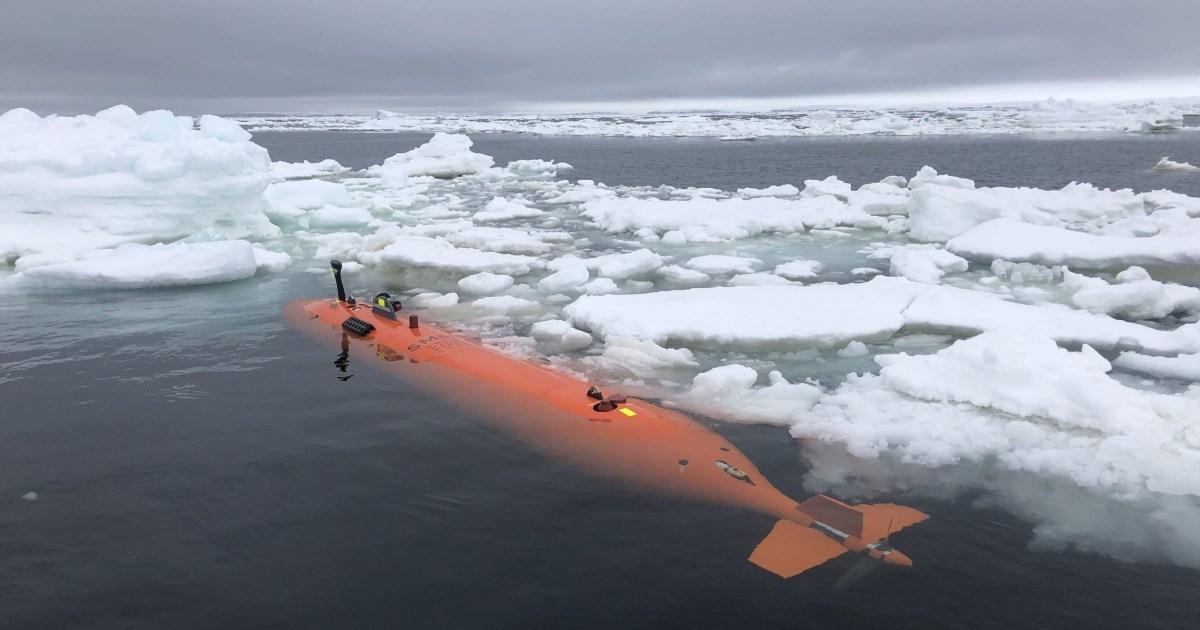
In 2022, a scientific mission using the autonomous underwater vehicle Ran explored beneath Antarctica's Dotson Ice Shelf, revealing new insights into glacier melting processes and ice structures, but the submersible disappeared during a subsequent deployment, leaving some mysteries unsolved.
An autonomous underwater vehicle named 'Ran' explored the underside of the Dotson Ice Shelf in West Antarctica, revealing complex melting patterns and topography, but was lost during a subsequent mission, highlighting the challenges of deep-sea ice shelf research crucial for understanding climate change impacts.
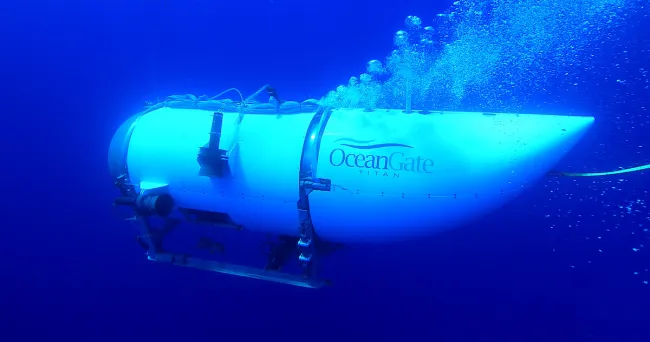
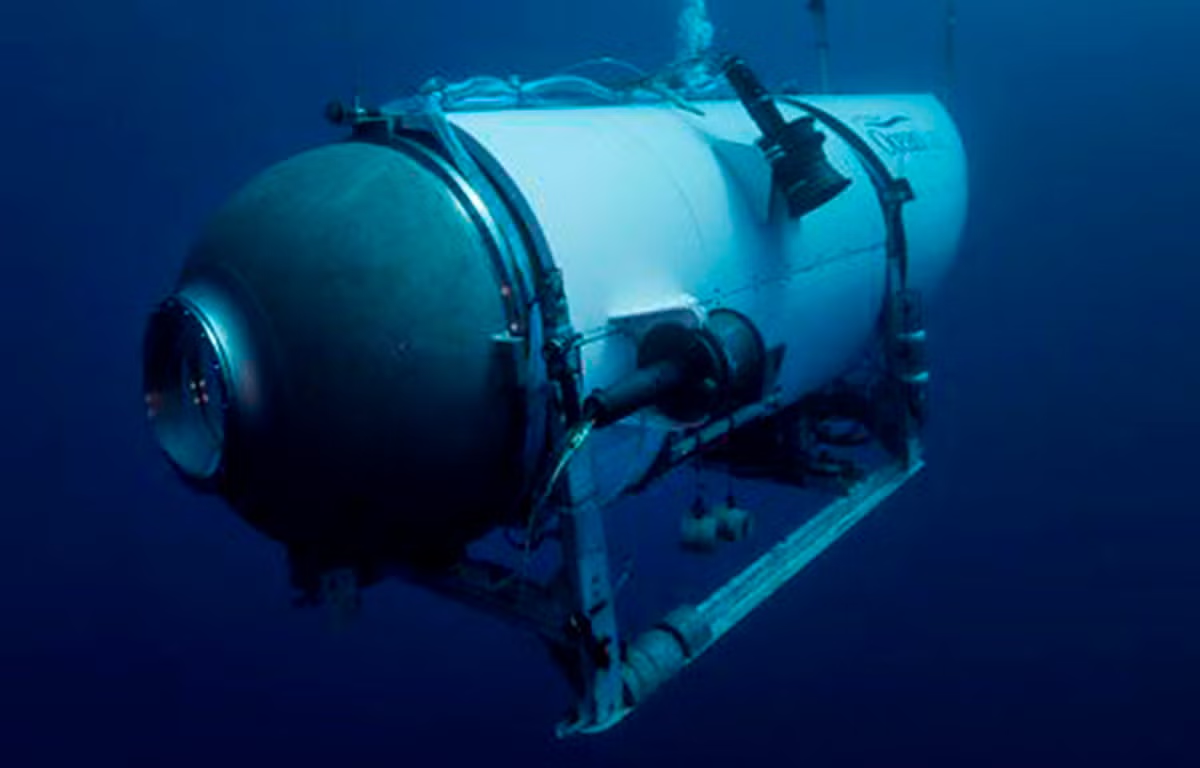
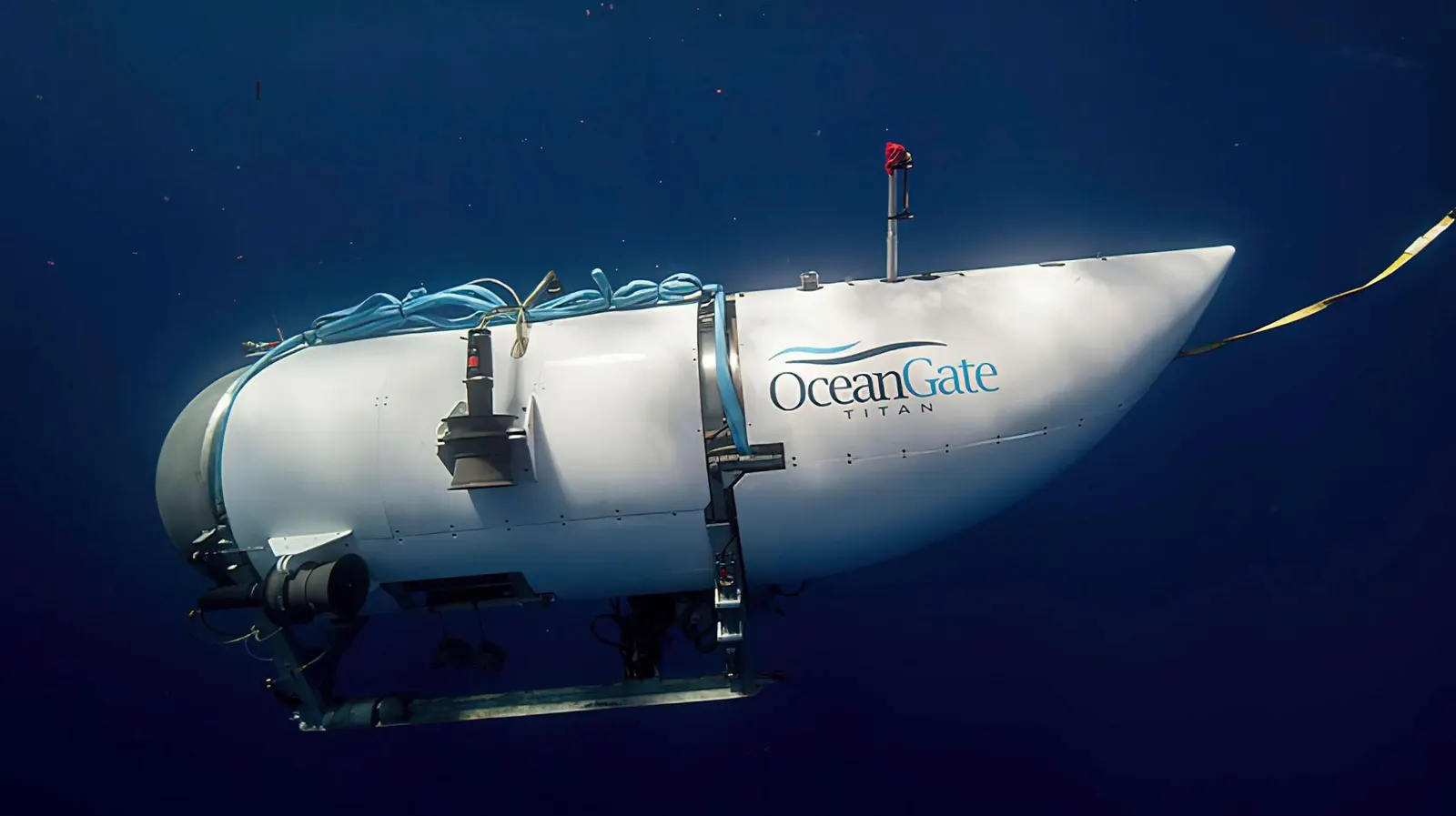
The Netflix documentary 'Titan: The OceanGate Disaster' reviews the tragic submersible implosion, offering a surface-level overview without deep insights, and is noted for its respectful approach but lack of depth.
A submersible named Ran, used to explore the Dotson Ice Shelf in Antarctica, has mysteriously vanished after discovering complex underwater structures and melting patterns. The disappearance poses a setback for Antarctic research, highlighting the challenges of exploring remote regions. Despite this, the data collected in 2022 has provided valuable insights into ice shelf dynamics and climate change, emphasizing the need for continued innovation in underwater exploration technology.
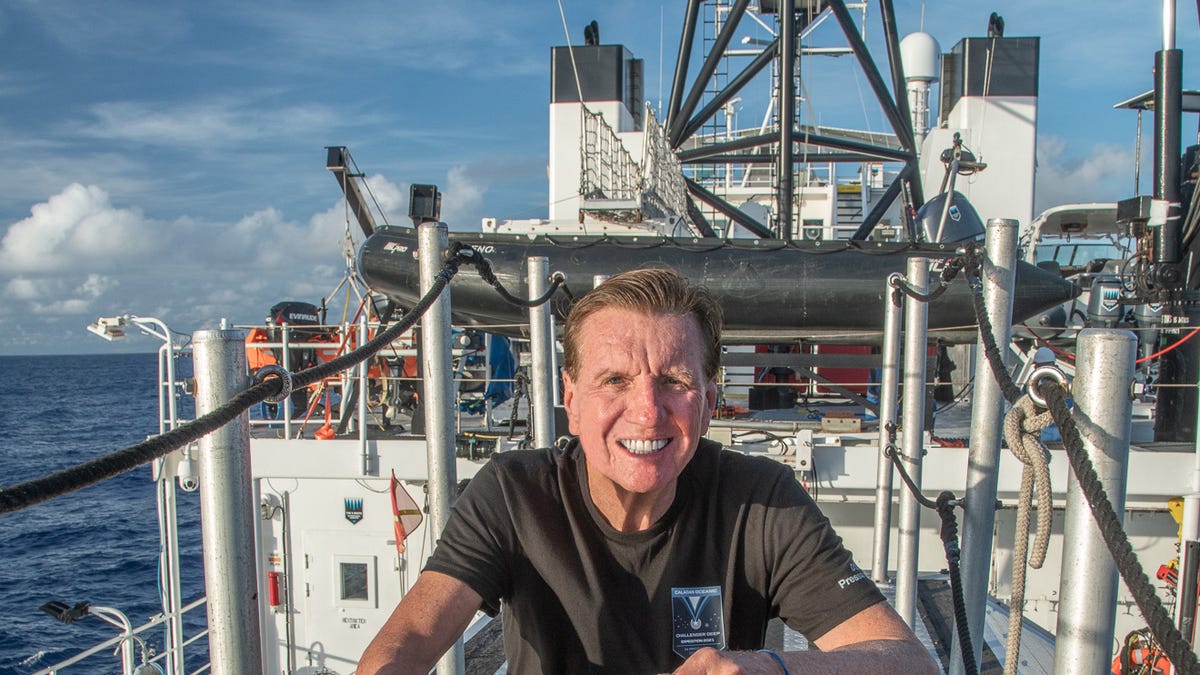
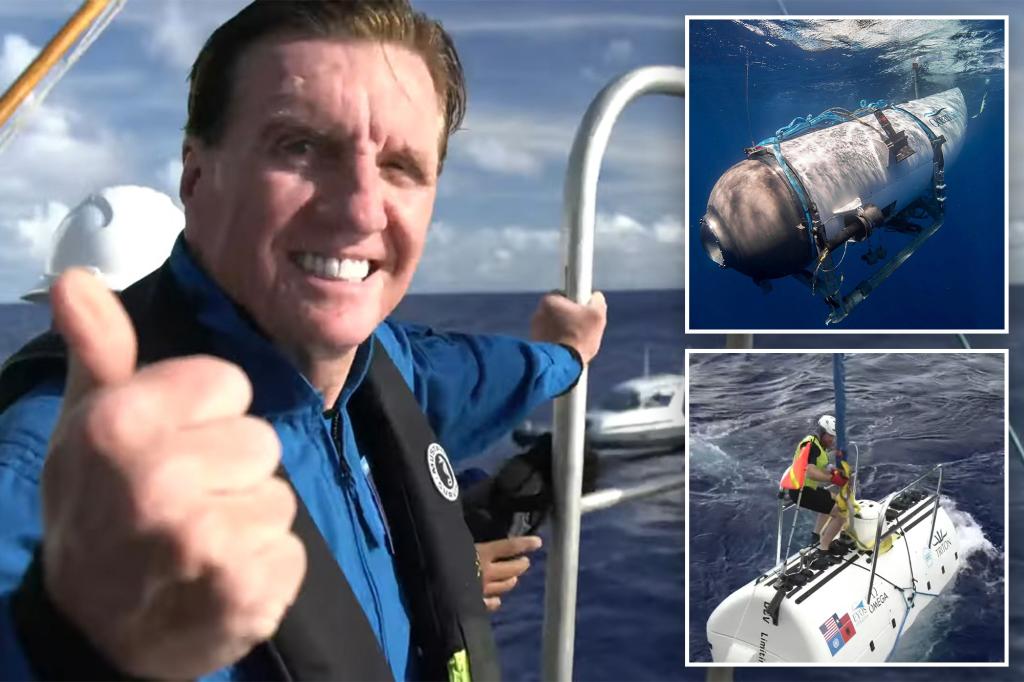
Ohio billionaire Larry Connor plans to take a $20 million submersible to Titanic-level depths to demonstrate the safety of personal submarines, following the tragic implosion of the OceanGate vessel last year. Connor, along with Triton Submarines co-founder Patrick Lahey, aims to show that deep-sea exploration can be safe and transformative with the right technology.
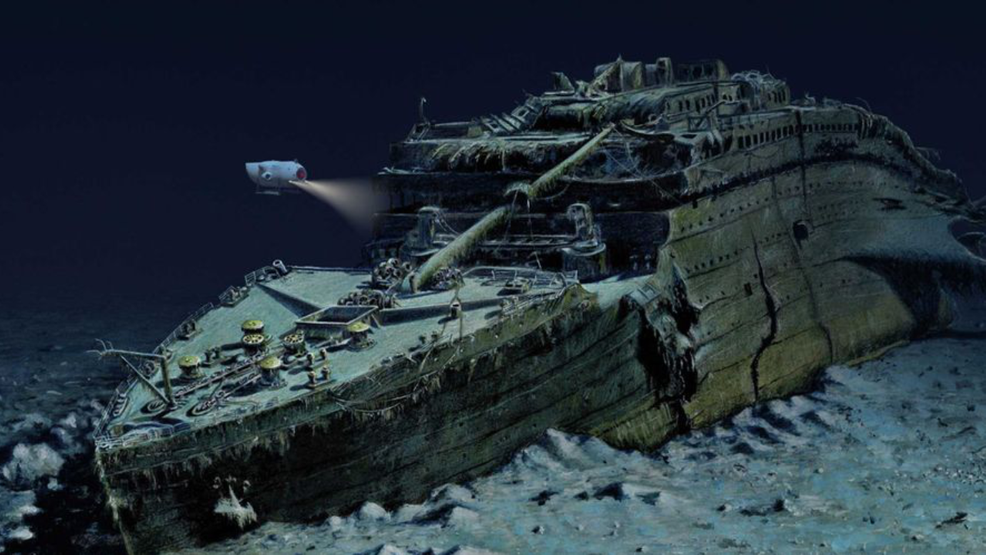
Ohio billionaire Larry Connor and Triton Submarines co-founder Patrick Lahey plan to take a submersible to the Titanic site to demonstrate the safety of modern submersible technology, following the tragic OceanGate implosion. They aim to prove that safe voyages to the Titanic are possible with advanced materials and technology.
Ohio billionaire Larry Connor plans to visit the Titanic wreckage in a newly built $20 million submersible designed by Triton Submarines co-founder Patrick Lahey, aiming to demonstrate the safety and reliability of modern deep-sea exploration technology following the Titan submersible tragedy.
Ohio billionaire Larry Connor plans to dive to the Titanic site in a $20 million submersible designed by Triton Submarines co-founder Patrick Lahey to demonstrate the safety of deep-sea exploration following the OceanGate disaster that killed five people.
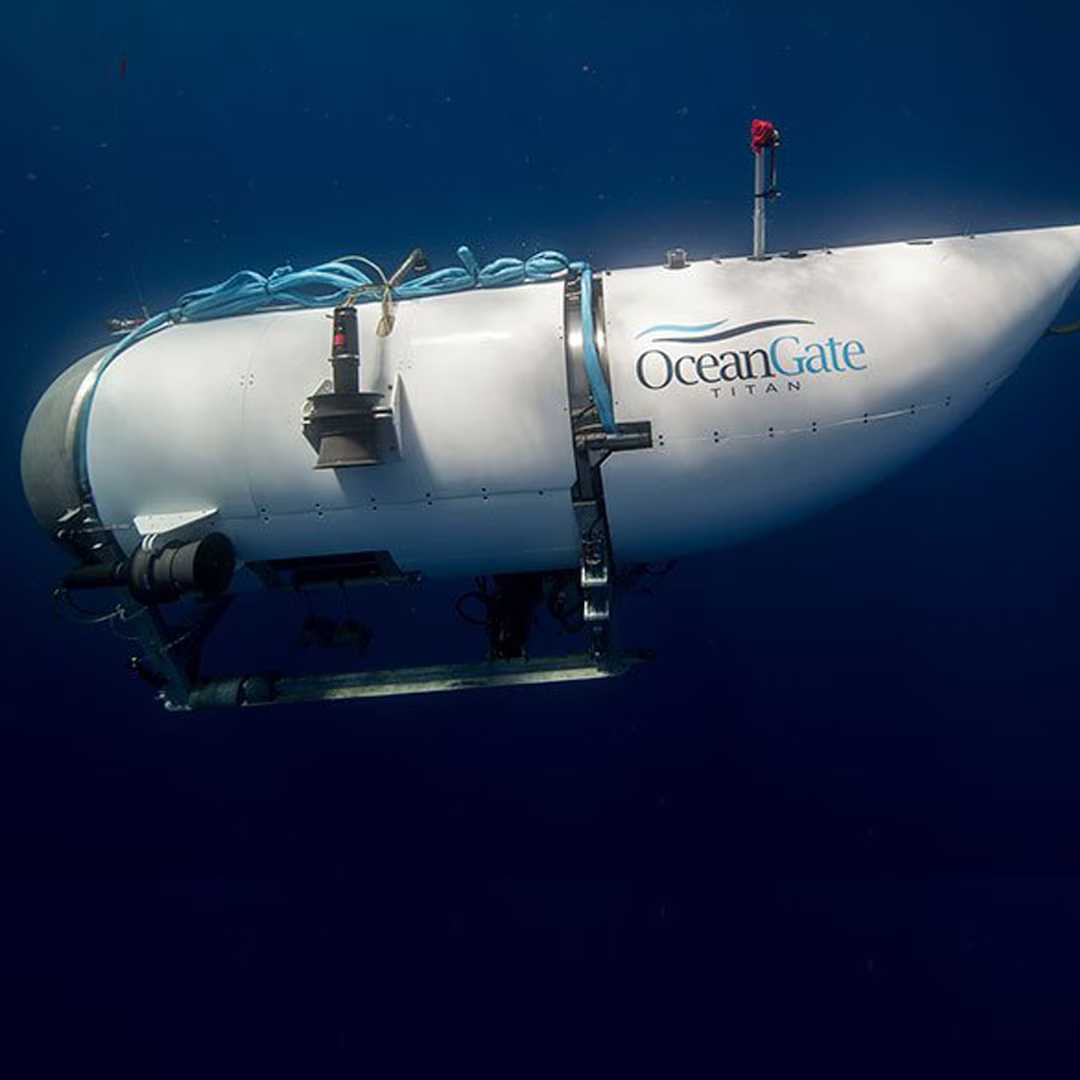
A new documentary clip sheds light on the Titan submersible tragedy, featuring banging sounds heard during the search for the submersible that ultimately fostered hope of finding its five passengers alive. The documentary, set to air on Britain's Channel 5, chronicles the disappearance of the submersible in the North Atlantic Ocean, the rescue mission, and reflections from experts. The victims included Pakistani-born businessman Shahzada Dawood and his 19-year-old son Suleman Dawood, as well as OceanGate CEO Stockton Rush, British billionaire Hamish Harding, and French explorer Paul-Henri Nargeolet. The tragedy occurred during a voyage to explore the wreckage of the RMS Titanic, with the search concluding that all passengers were presumed dead after the submersible suffered a catastrophic implosion.
Audio of rhythmic tapping sounds, initially thought to be a sign of survivors from the Titan submersible, has been released by the Royal Canadian Air Force for a new documentary about the Titan Sub Disaster. The tapping sounds were detected during a frantic search for survivors after the submersible was destroyed during a dive to the Titanic shipwreck, claiming the lives of its crew. Investigations later revealed that the sub's carbon fibre hull had imploded, and OceanGate CEO Stockton Rush, who perished in the disaster, had ignored safety warnings.
A new clip from Channel 5’s upcoming documentary "The Titan Sub Disaster: Minute by Minute” features audio of the mysterious “knocking” sound heard during the search for the Titanic exploration vessel, providing insight into the rescuers’ efforts. The audio, previously unreleased, was given by the Canadian Air Force team leading the search and rescue mission. The documentary will air on March 6 and 7, shedding light on the role of the sonar-recorded sounds in the search. The sub, an "experimental" vessel, likely imploded under extreme water pressure, and debris was found near the Titanic wreck, leading to the suspension of all exploration and commercial operations by OceanGate Expeditions.
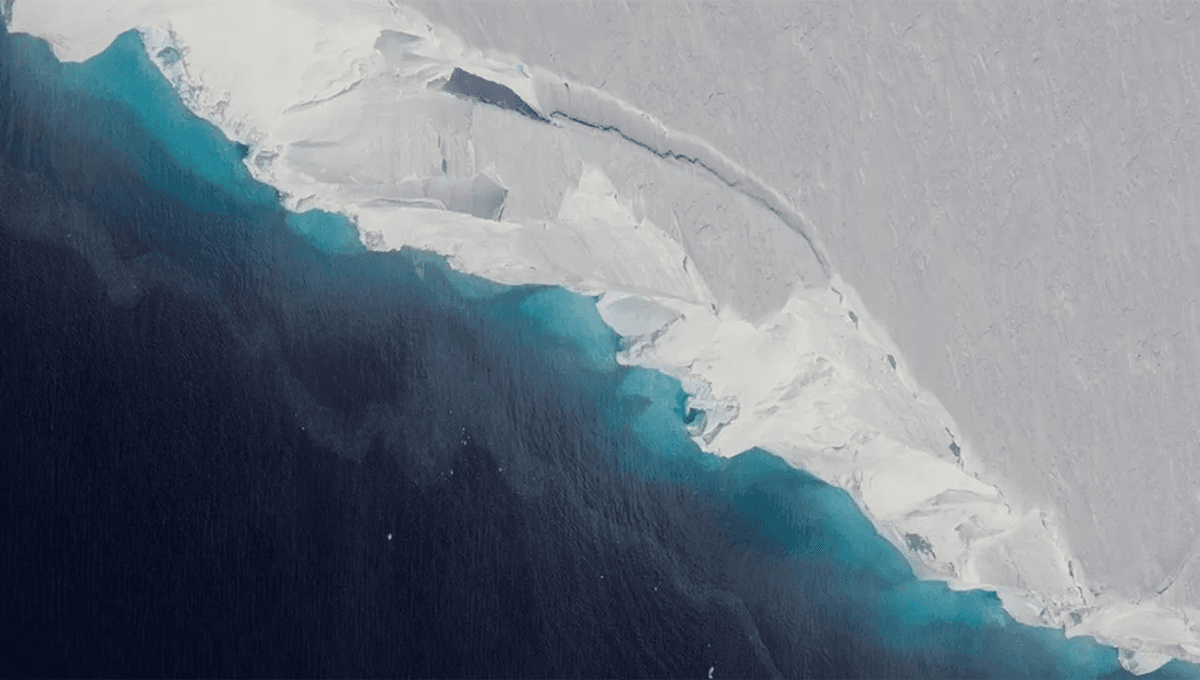
Sweden’s University of Gothenburg's robotic submersible, "Ran," went missing during its exploration beneath Antarctica's "Doomsday Glacier," prompting a recovery effort. The 23-foot-long vehicle, equipped with advanced technology, was conducting missions to document the area under the ice, but failed to resurface after its last planned dive. The research team suspects it encountered trouble under the ice, and efforts to locate it have been unsuccessful, likening the search to finding a needle in a haystack without knowing the haystack's location.
A seven-meter long submersible named Ran, exploring Antarctica's 'Doomsday' glacier, is missing and presumed lost under the ice, with the University of Gothenburg team suspecting its batteries have died. The unmanned vehicle, designed to operate autonomously, failed to return to its rendezvous point, and its route beneath the Thwaites glacier was programmed in advance. The team hopes to replace Ran but will need additional financing to top up the insurance payment.
A submersible named Ran, used to study the underneath of Antarctica's "doomsday glacier" Thwaites, has mysteriously disappeared during its latest expedition. The uncrewed underwater vehicle, which had been successfully diving underneath the ice, failed to appear at the rendezvous point during one trip and has not been located despite extensive searches. The researchers suspect it ran into trouble under the ice, and its batteries are now dead. The team plans to replace the submersible and continue its important research.