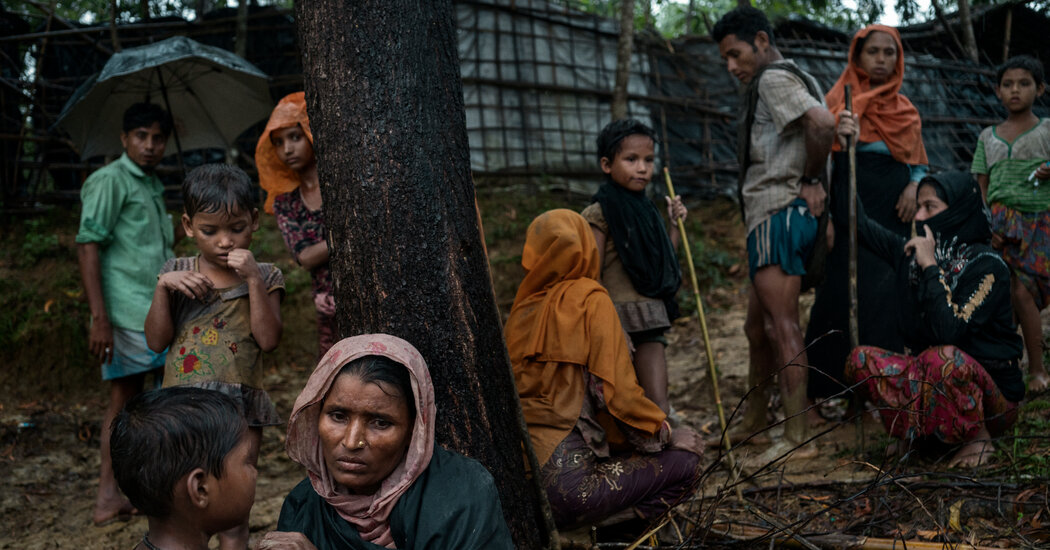
The Rohingya refugees in Bangladesh, who are central to discussions on their repatriation from Myanmar, are notably absent from a key UN meeting, raising concerns about their representation and the effectiveness of international efforts to address their plight amid ongoing conflicts and political instability in Myanmar.
European countries, led by France and the UK, recognized a Palestinian state at the UN, marking a significant diplomatic move amid ongoing Gaza conflict, but this challenge to US influence highlights the shifting power dynamics in Middle East peace efforts, with the US and Israel strongly opposing the move.
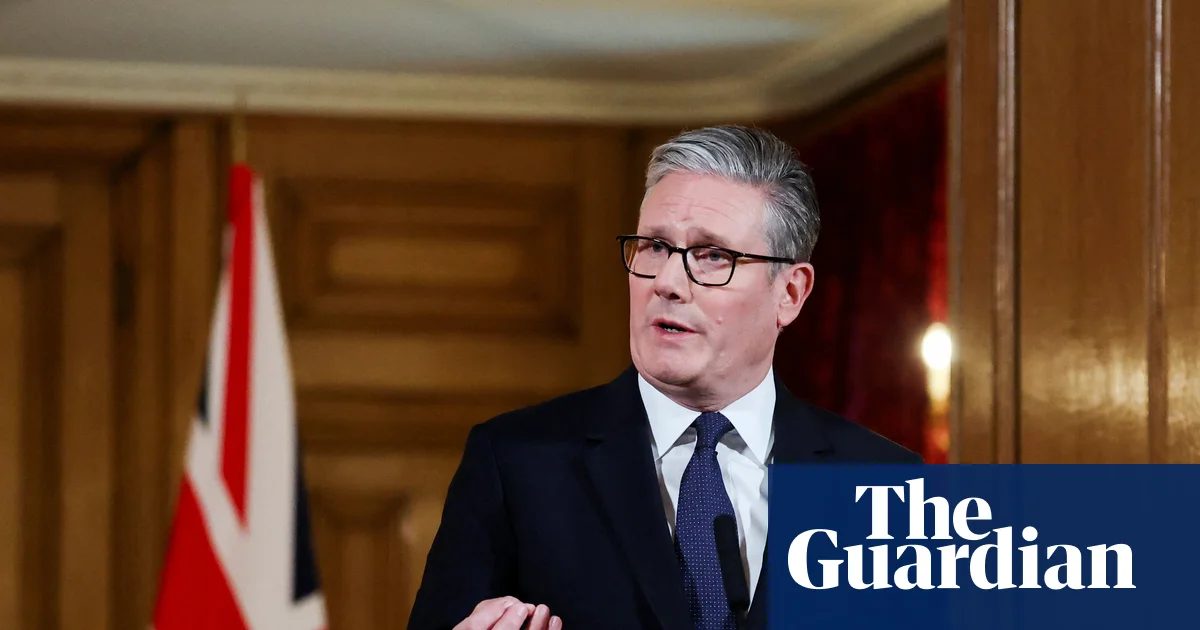
Several countries including the UK, Canada, Australia, and Portugal have formally recognized Palestine, marking a significant shift amid ongoing Middle East tensions and a push for a two-state solution, with implications for regional and international diplomacy.
During a UN conference, the Holy See emphasized that a two-state solution is the only viable path to peace between Israel and Palestine, condemning terrorism and calling for humanitarian aid, respect for Jerusalem's unique status, and recognition of Palestinian rights.
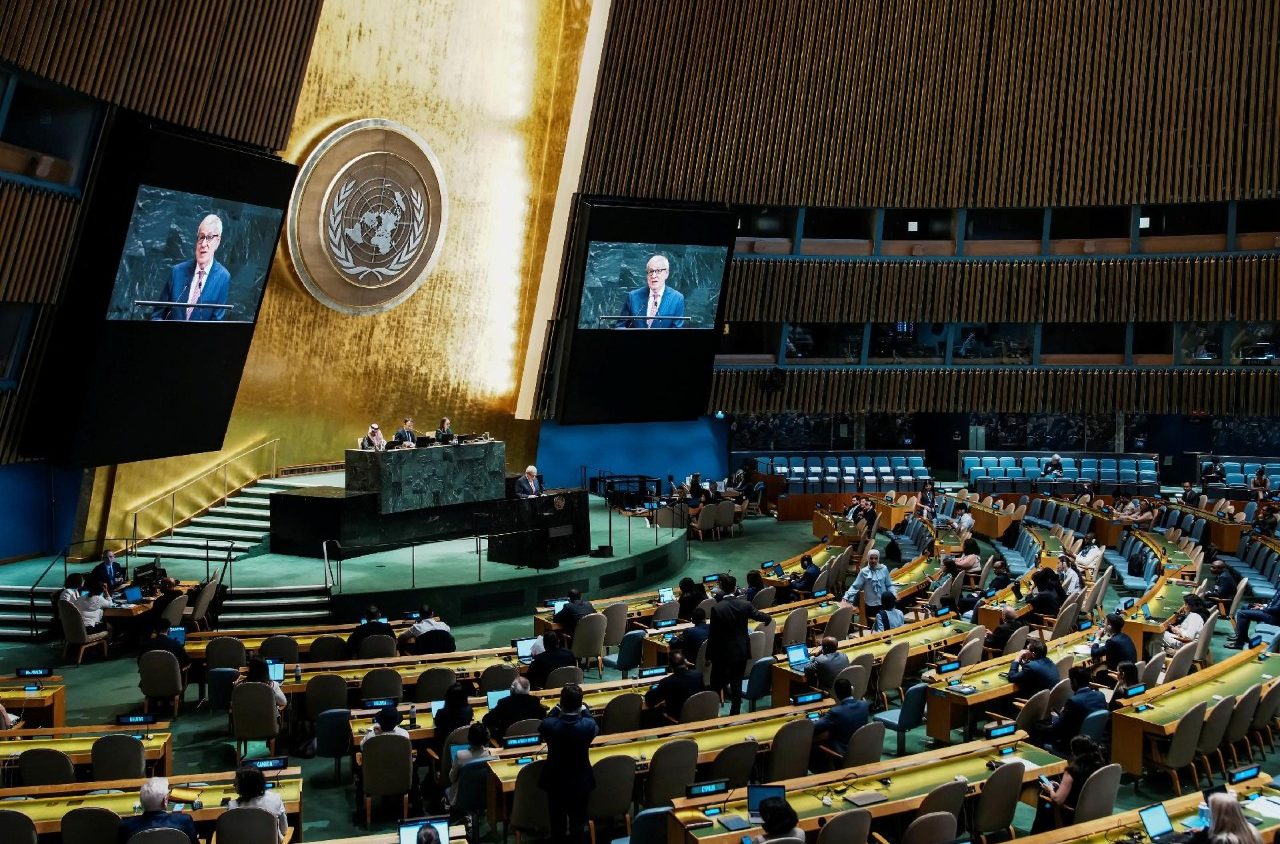
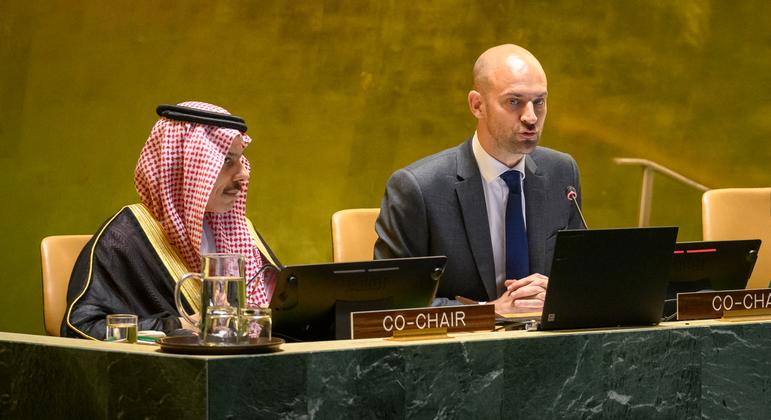
At a UN conference in New York, international ministers emphasized the urgency of reviving the two-State solution amid ongoing conflict in Gaza, with calls for collective action, peace negotiations, and recognition of Palestinian statehood, while condemning violence and advocating for a sustainable peace process.
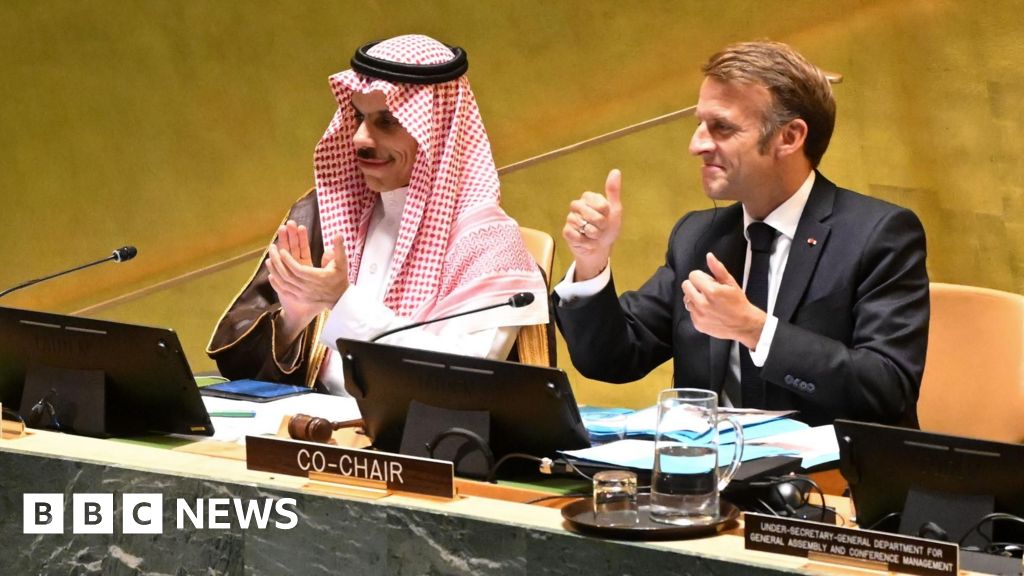
France attempted to rally international support for recognizing Palestine as a state at a UN conference but failed to secure consensus, with many countries hesitant or requiring further considerations, highlighting ongoing divisions over the two-state solution.
Seventeen countries, the EU, and the Arab League endorsed a UN-backed call for Hamas to disarm and relinquish control of Gaza, emphasizing the need for a two-state solution amid ongoing conflict, with some Western nations considering recognizing Palestinian statehood if conditions are met. The declaration condemns Hamas's October 7 attacks and suggests possible foreign troop deployment to stabilize Gaza, highlighting the deepening challenges to achieving peace in the region.
Ministers are gathering at the UN to discuss a roadmap for a Palestinian state, but the US and Israel are boycotting the event due to ongoing conflicts and disagreements over Hamas and hostages. France and Saudi Arabia are hosting the conference, with France planning to recognize a Palestinian state in September, while the US and Israel criticize the conference for not addressing key issues like Hamas and hostages. The UN has previously supported Palestinian statehood, but the US vetoed full UN membership.
India plans to participate in a UN high-level conference on the Palestine question and the two-state solution, despite US warnings, aiming to promote peace efforts and a ceasefire in Gaza, while balancing its ties with Israel and support for Palestine.
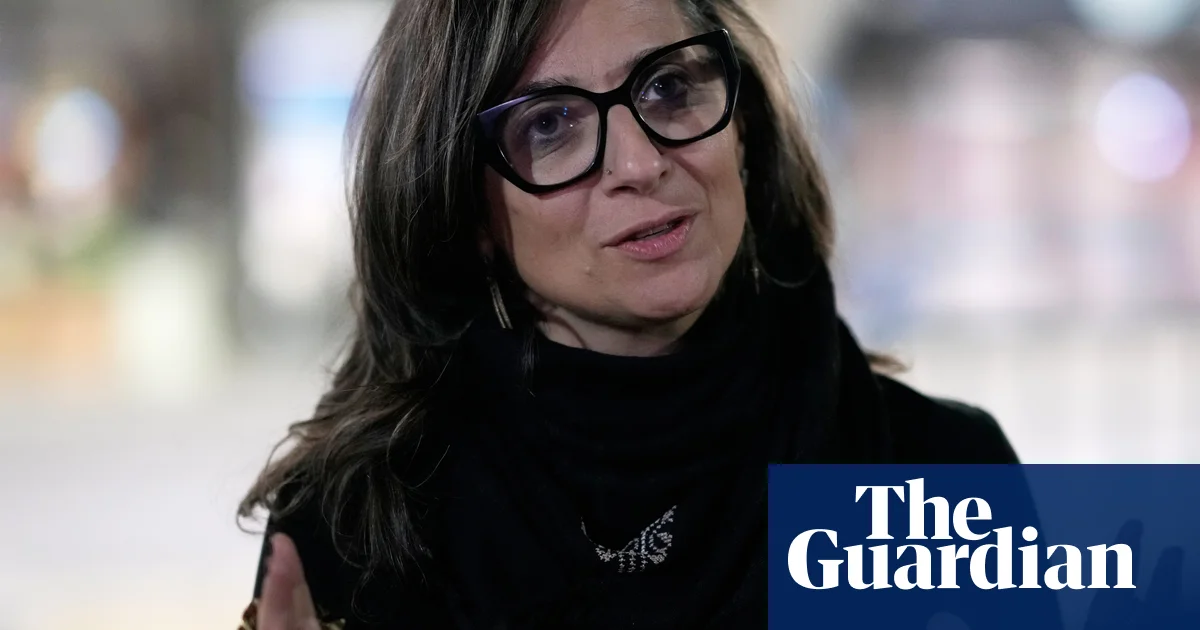
The UN and a coalition of 30 nations are convening in Bogotá to discuss measures to end Israel's occupation of Palestine, emphasizing international law and justice, despite US sanctions on UN rapporteur Francesca Albanese, who advocates for collective action and legal accountability.
Spain and Brazil are advocating for a more equitable global tax system to address inequality, emphasizing increased transparency, data sharing, and potential creation of a global wealth registry, as part of efforts to ensure the ultra-rich contribute fairly and to meet sustainable development goals.
The US has warned countries against attending a UN conference on Palestine sponsored by France and Saudi Arabia, claiming it could undermine efforts to resolve the Israeli-Palestinian conflict and support Israel, while also opposing unilateral recognition of a Palestinian state.