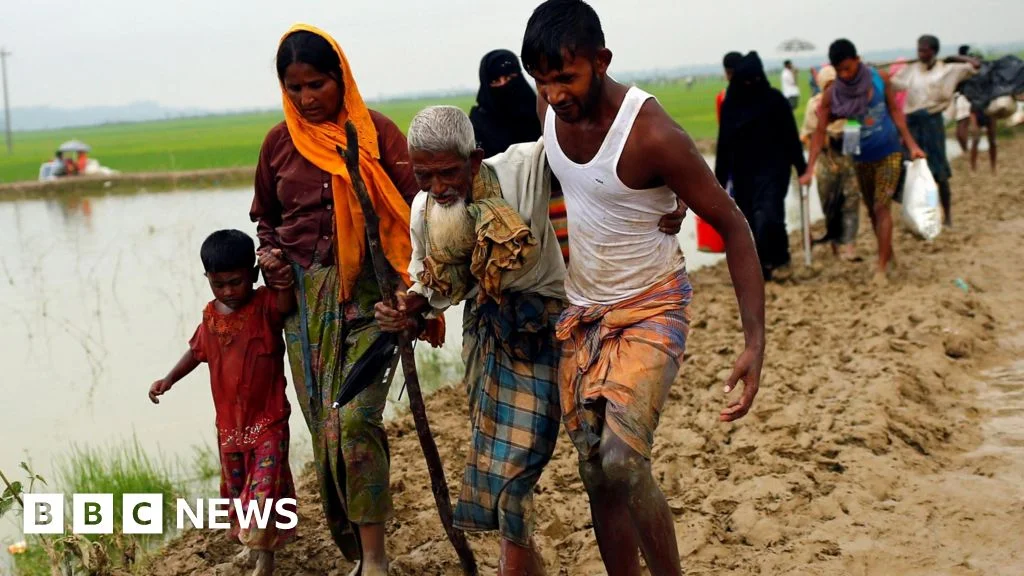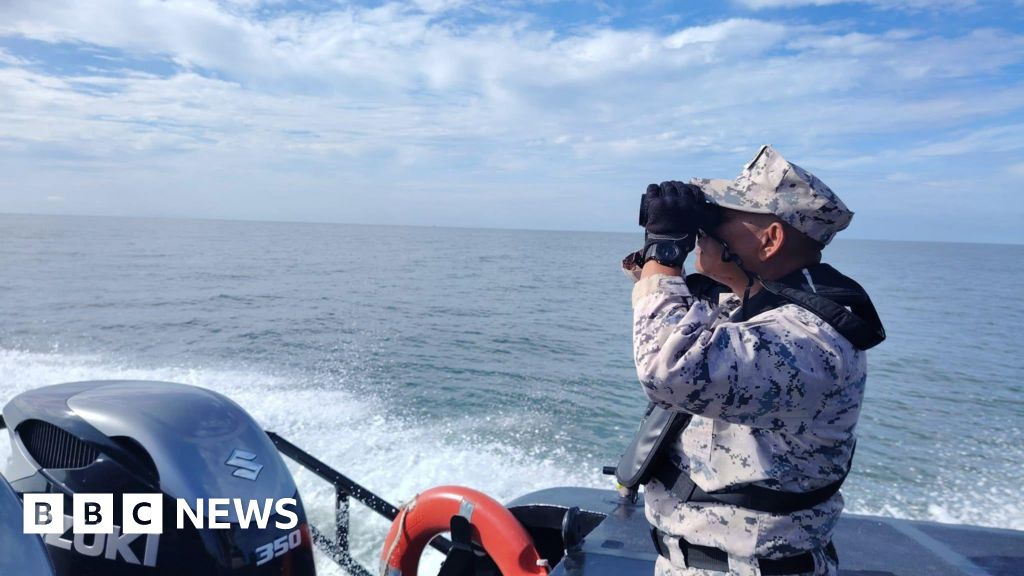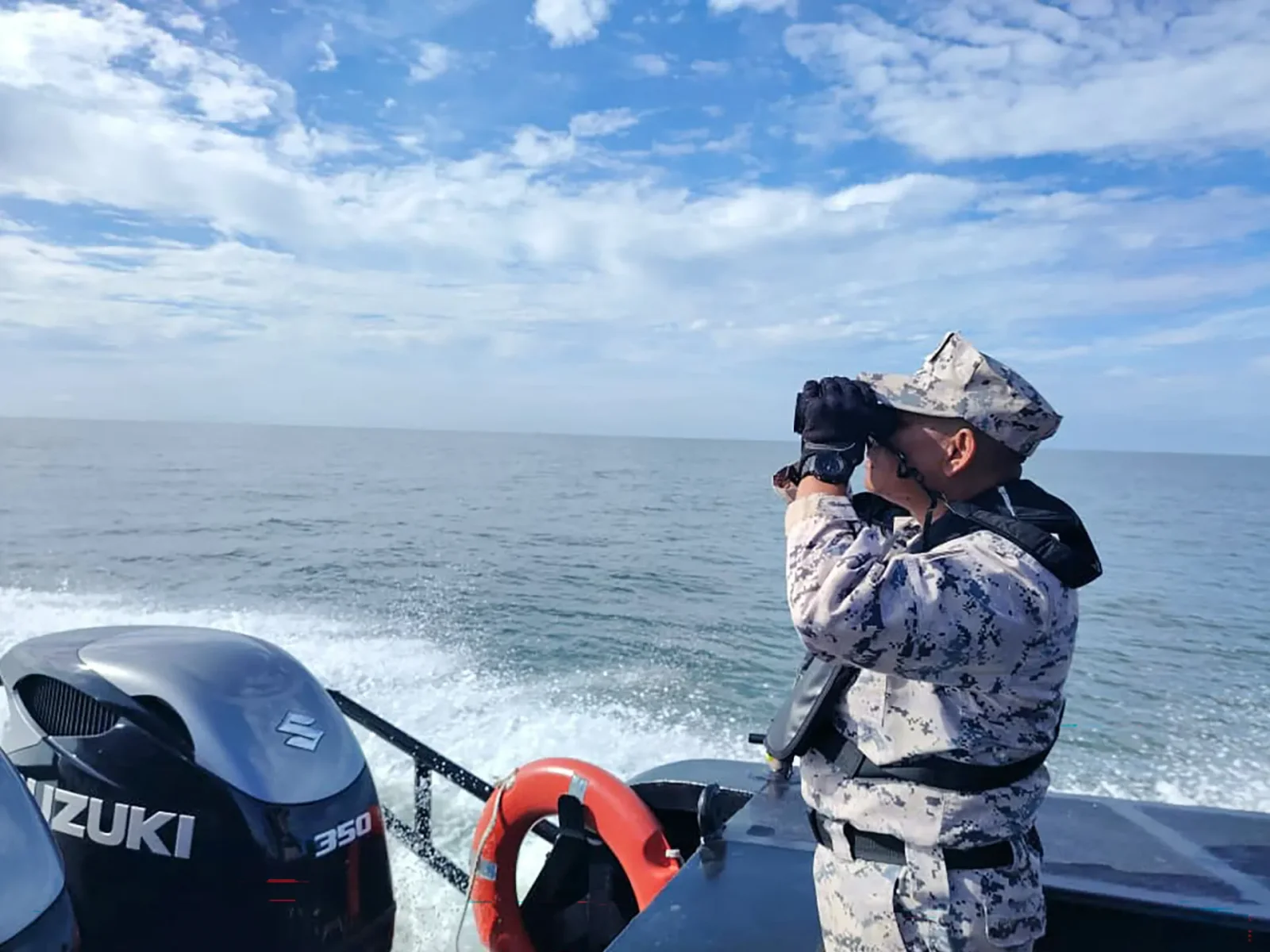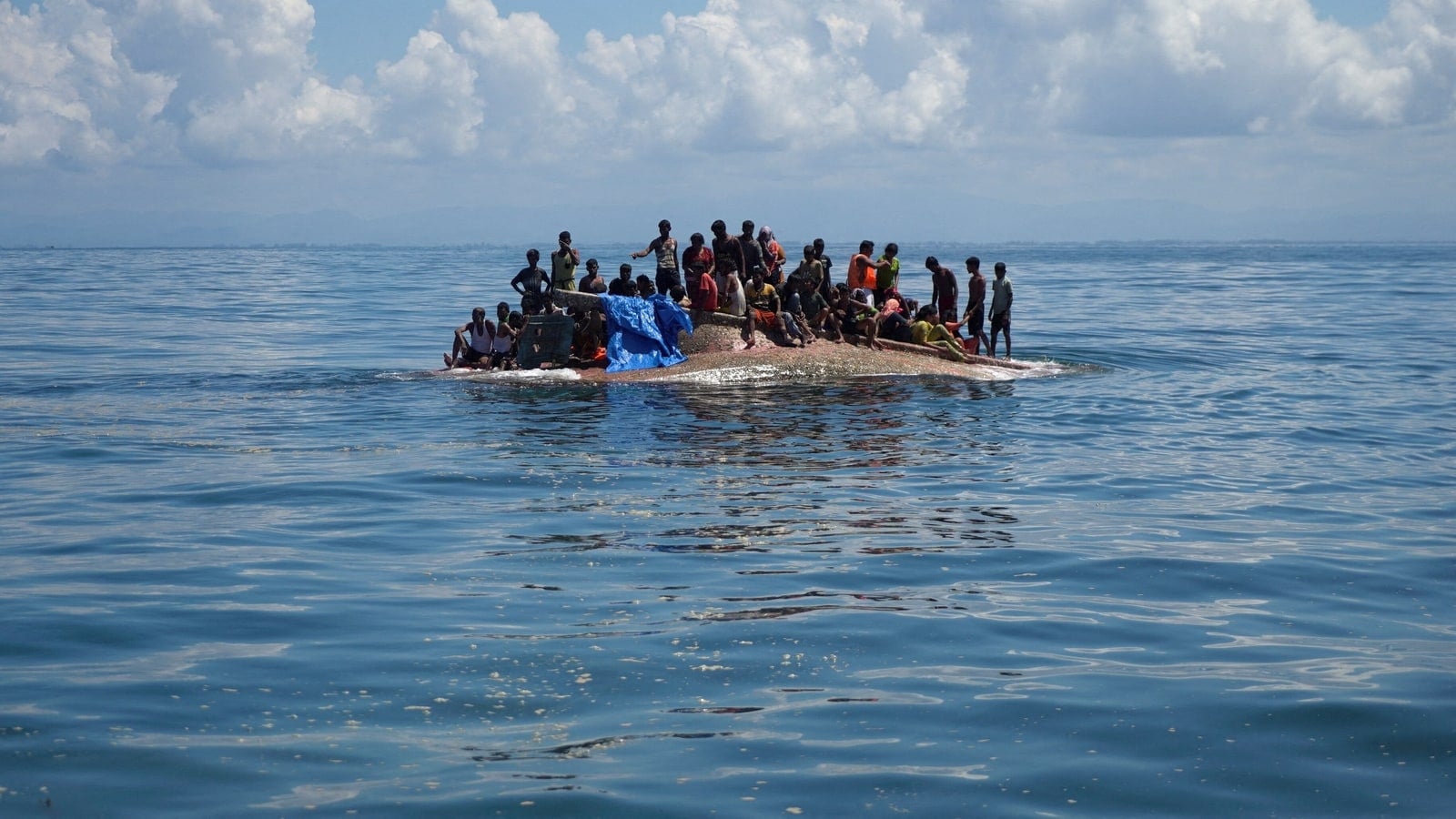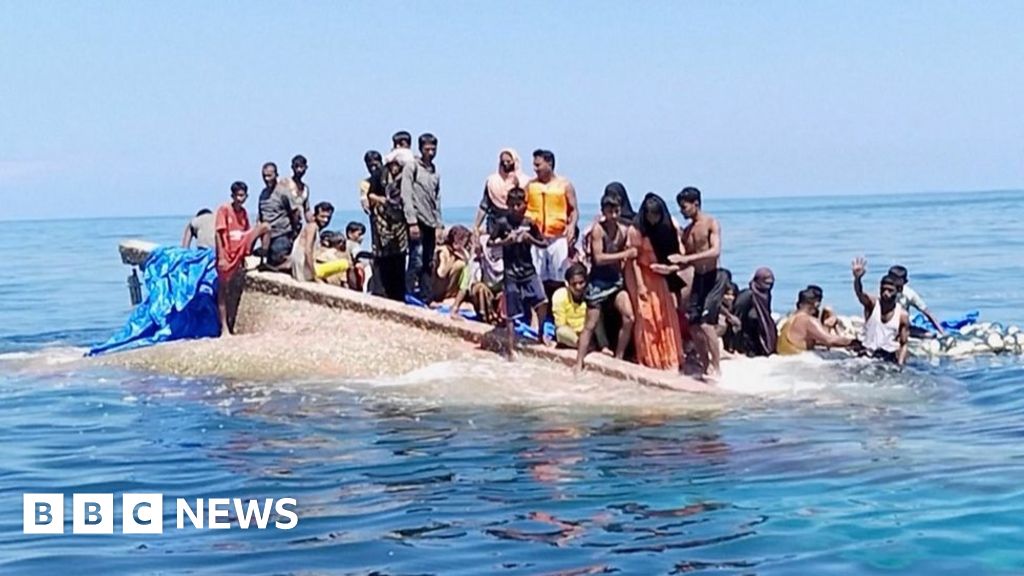
Dozens are missing and one person has died after a migrant boat sank near the Malaysia-Thailand border, with rescue efforts ongoing. The victims are believed to be part of a larger group fleeing persecution, many of whom paid significant sums for passage.
A migrant vessel sank off the Malaysia-Thailand border, leaving hundreds missing; only 10 survivors and one body have been recovered so far, with ongoing search and rescue efforts. The vessel was carrying about 300 people, mostly Rohingya refugees fleeing Myanmar.
A migrant boat carrying about 90 people sank off the Malaysian coast near the Thailand-Malaysia border, resulting in at least one death and dozens missing, amid ongoing dangerous maritime crossings by Rohingya refugees fleeing Myanmar's civil war and instability.
India has been forcibly deporting Muslims, including its own citizens and refugees like the Rohingya, following increased tensions and violence in Kashmir, with reports of illegal expulsions and home demolitions aimed at diverting attention from political issues and stoking nationalist sentiments.
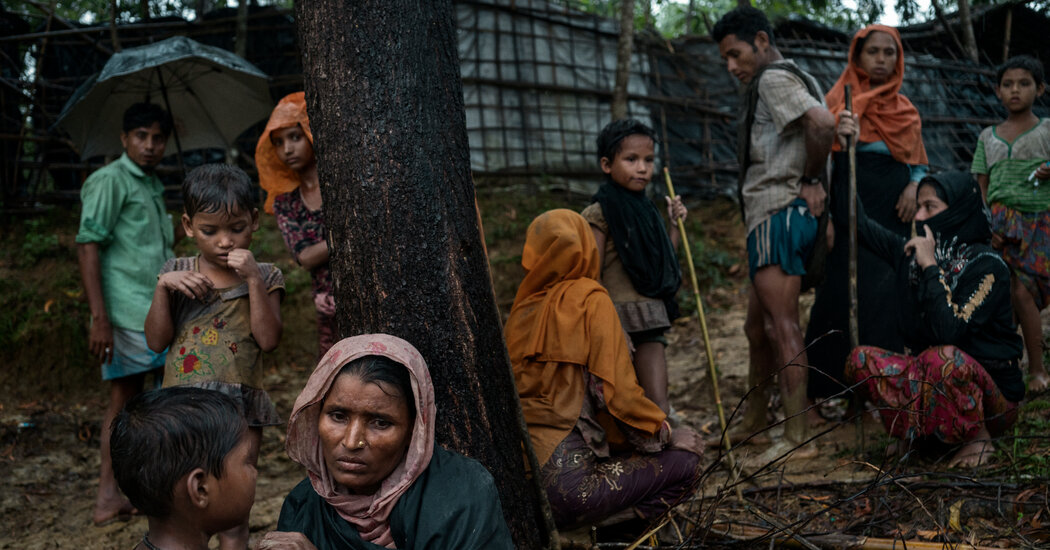
The Rohingya refugees in Bangladesh, who are central to discussions on their repatriation from Myanmar, are notably absent from a key UN meeting, raising concerns about their representation and the effectiveness of international efforts to address their plight amid ongoing conflicts and political instability in Myanmar.
The article reports on India's secretive deportation of Rohingya refugees, including a family separated during the process, back to Myanmar where they face ongoing conflict and persecution, in violation of international law and due process.
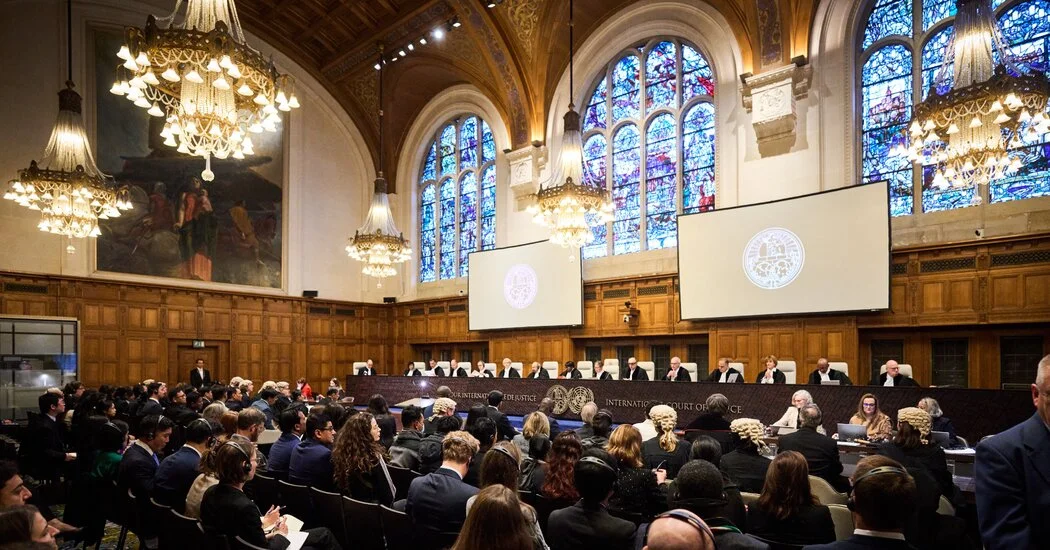
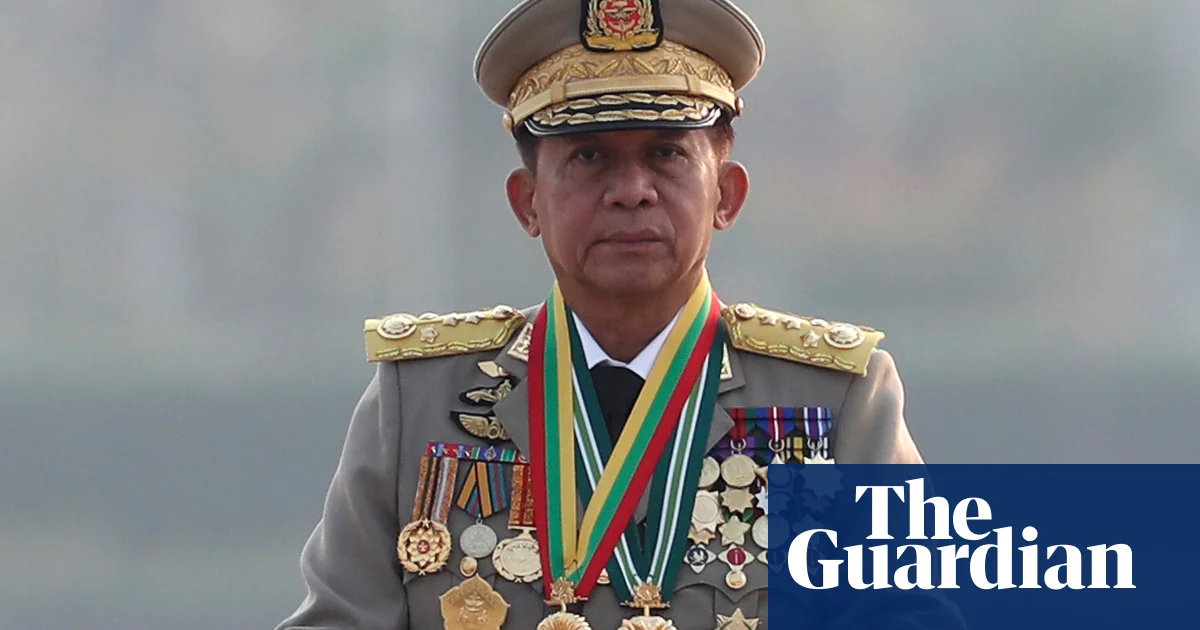
The International Criminal Court's chief prosecutor is seeking an arrest warrant for Myanmar's military leader, Min Aung Hlaing, for crimes against humanity related to the persecution of the Rohingya minority. This move follows a lengthy investigation into the military's actions in 2016 and 2017, which forced over 700,000 Rohingya to flee to Bangladesh. The request for the warrant is seen as a significant step towards justice for the Rohingya, who continue to face persecution. The decision now awaits a ruling from a panel of ICC judges.
Escalating violence in Myanmar's Rakhine State has forced 45,000 Rohingya to flee amid allegations of beheadings, killings, and property burnings. The UN urges Bangladesh and other countries to provide protection to the refugees, but Bangladesh is reluctant due to already hosting over a million Rohingya. The conflict involves the Arakan Army and the military, with both sides accused of atrocities against the Rohingya.
Dozens of Rohingya refugees are feared dead or missing after a boat carrying around 150 people capsized off the coast of West Aceh, Indonesia. Indonesian rescuers have called off the search for any remaining refugees, despite survivors' reports of dozens of people being swept away. The UNHCR and IOM expressed shock and deep concern over the situation, stating that if confirmed, this would be the biggest loss of life so far this year. This incident follows a recent influx of Rohingya refugees into Indonesia, with 1,752 refugees arriving between mid-November and late January, marking the largest influx since 2015.
Indonesian rescuers saved 69 Rohingya migrants, including nine children, after finding them sunburnt and dehydrated on a capsized ship off the coast of Aceh. Around 80 others are feared dead after being swept away. The survivors had been adrift for over a day, escaping persecution in Myanmar and overcrowded refugee camps in Bangladesh, and were attempting the perilous sea journey to Malaysia or Indonesia.
Dozens of Rohingya refugees were rescued off the coast of Indonesia after their boat capsized, with survivors found standing on its hull and weeping as they were taken to safety. The refugees, fleeing from Myanmar, faced a perilous journey and are not guaranteed legal protections in countries like Indonesia, which are not signatories to the UN Refugee Convention. The rescue operation comes amid a spike in refugee numbers in Indonesia and ongoing hostility towards Rohingya refugees, who continue to seek safety and face limited resettlement opportunities.
Despite the dangers, thousands of Rohingya Muslims continue to flee Myanmar and refugee camps in Bangladesh by boat, with nearly 4,500 making the perilous journey last year and 569 dying or going missing. Indonesian officials reported another boat carrying Rohingya refugees landing in Aceh, highlighting the ongoing risks and desperation driving this dangerous migration.
Despite the soaring death toll, Rohingya refugees continue to flee Myanmar and Bangladesh by boat, with nearly 4,500 attempting the perilous journey last year, resulting in 569 deaths or disappearances. The desperate situation in overcrowded refugee camps, coupled with global indifference and lack of resettlement opportunities, has left the Rohingya with few alternatives. Facing starvation, fear, and limited prospects, many are willing to risk their lives at sea in hopes of reaching Indonesia or Malaysia, despite the dangers and tragic losses.
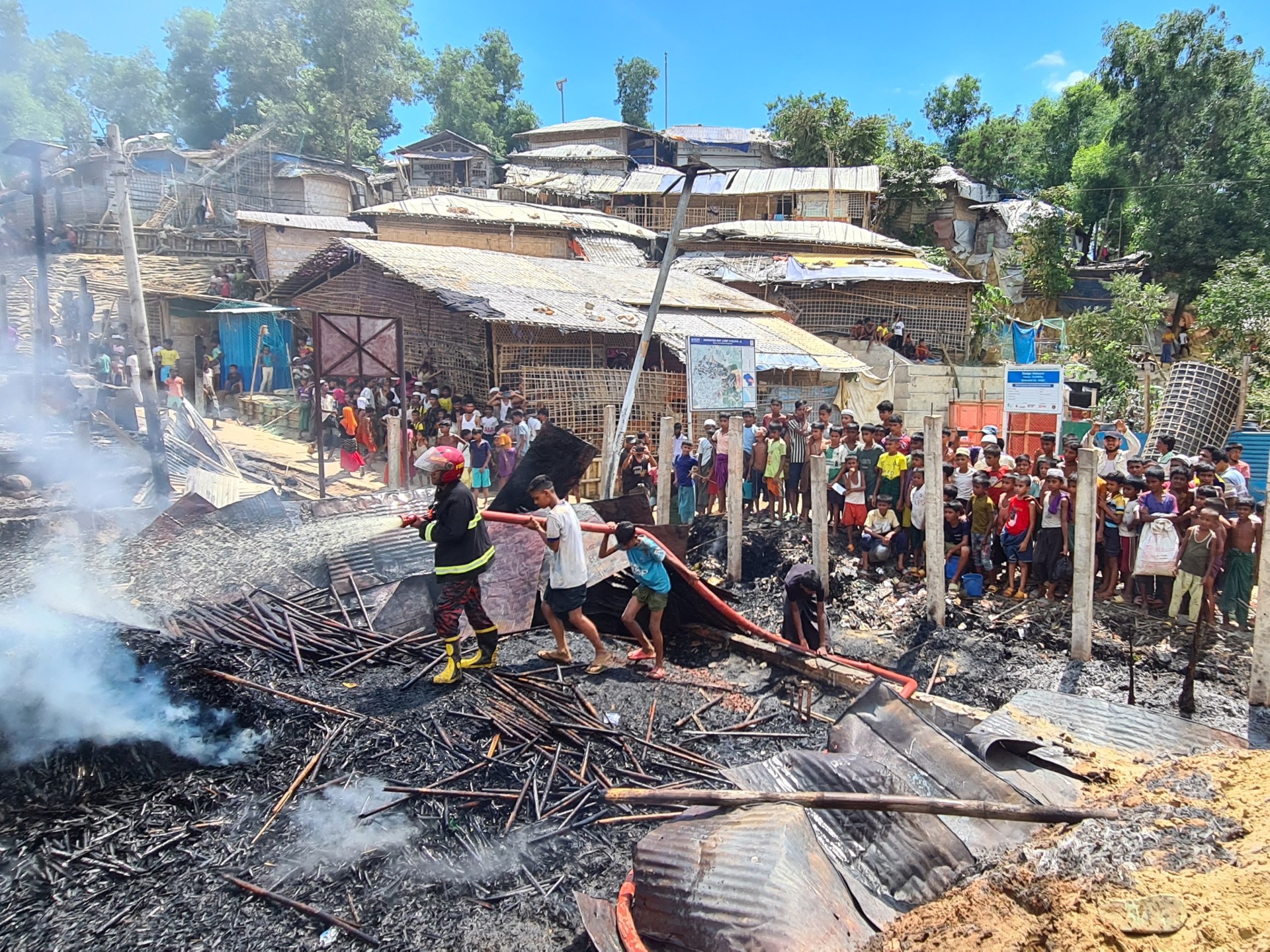
A fire at the Kutupalong refugee camp in Cox's Bazar, Bangladesh, left thousands of Rohingya refugees homeless, destroying around 1,040 shelters and damaging mosques, healthcare facilities, and educational centers. No deaths were reported, but an investigation into the cause, suspected to be arson, has been ordered. The Rohingya, who face discrimination and persecution in Myanmar, have been living in crowded, makeshift shelters in Bangladesh since fleeing a military crackdown in 2017. Ongoing suffering, including violence between rival Rohingya groups, continues to plague the camps.
Scores of underage Rohingya girls are being forced into abusive marriages in Malaysia, driven by deteriorating conditions in Myanmar and neighboring Bangladesh's refugee camps. The girls, as young as 13, are often held hostage by controlling husbands who rarely let them outside. Many of them were beaten and raped by traffickers and other men during their journey to Malaysia, and some are now being abused by their husbands. The girls face limited options due to global apathy towards the Rohingya crisis and strict migration policies. They are considered illegal immigrants in Malaysia, which is not a signatory to the UN's refugee convention.