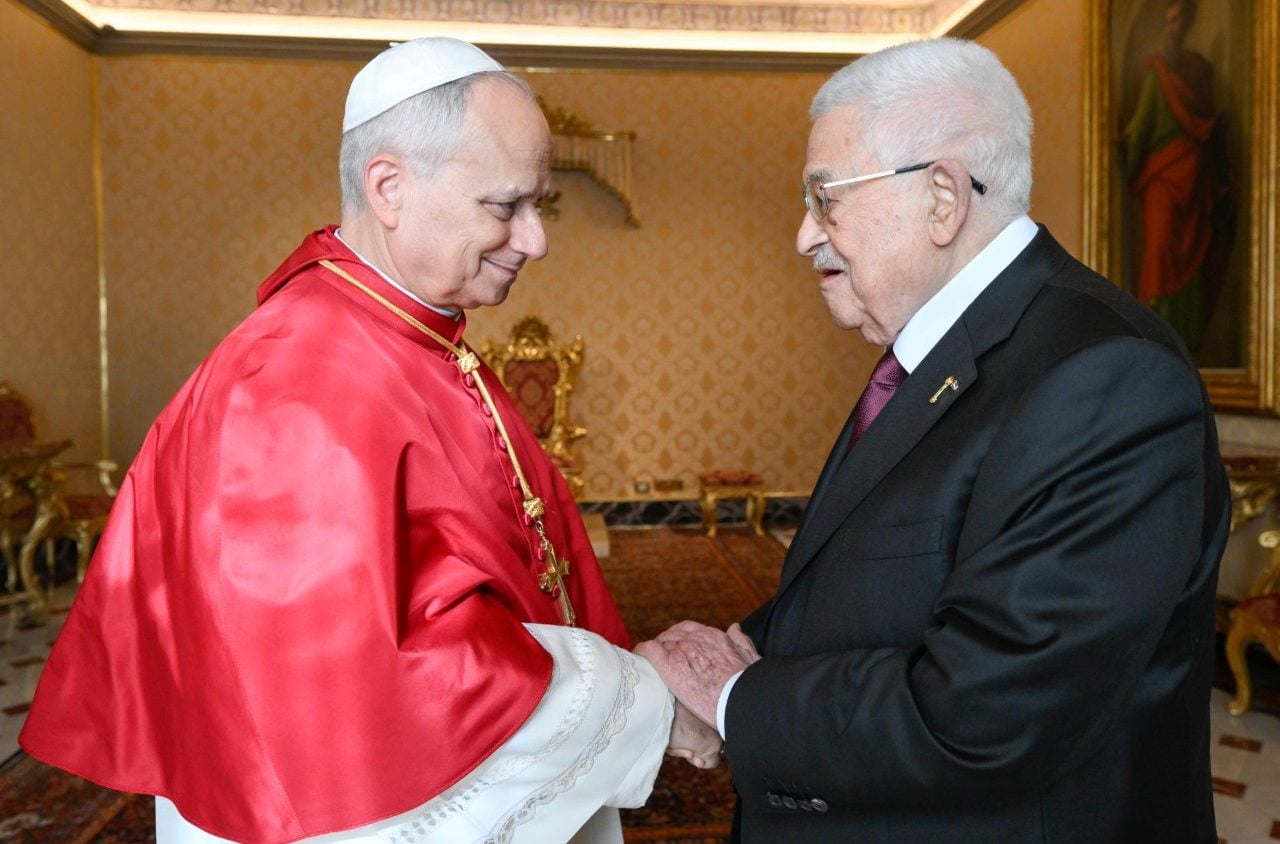
Pope Leo met with Palestinian President Mahmoud Abbas at the Vatican to discuss the urgent need to end the Gaza conflict and facilitate humanitarian aid, emphasizing the importance of pursuing a two-state solution. The meeting coincided with Abbas's visit to Pope Francis' tomb and marked the 10th anniversary of the Palestine-Holy See agreement.
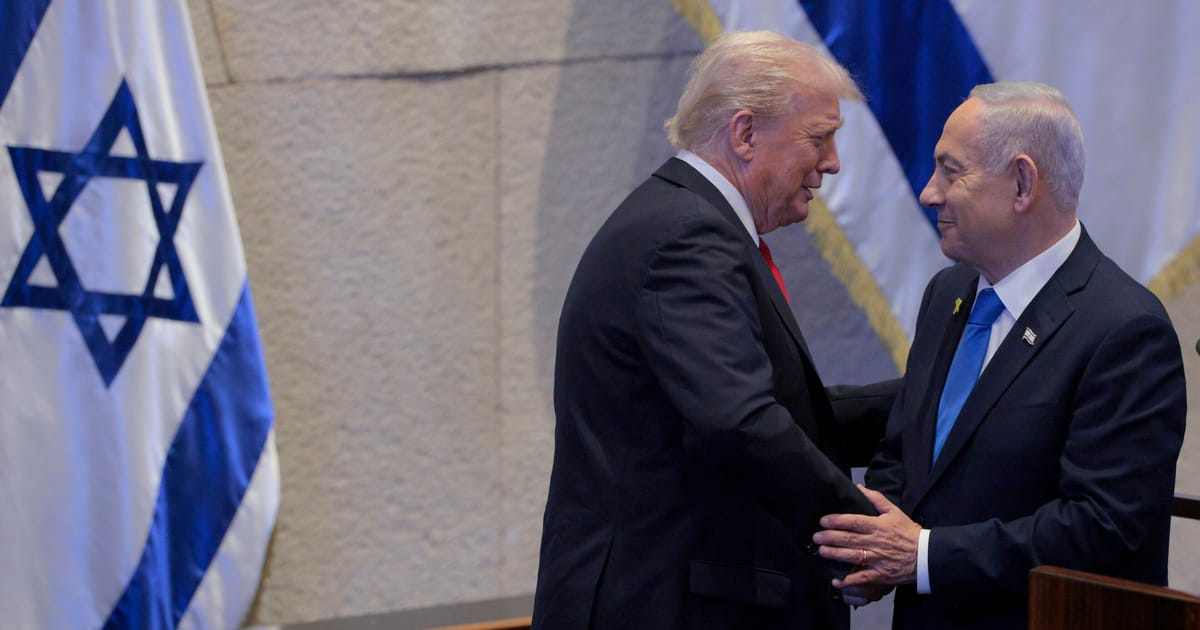
U.S. President Donald Trump and global leaders gathered in Egypt to oversee a peace summit aimed at ending the Gaza conflict, with Hamas releasing hostages and Israel releasing Palestinian prisoners, and discussions focusing on a two-state solution and regional stability.
The push for Palestinian statehood has gained significant international support, with countries like the UK, Canada, and Australia recognizing Palestine as an independent state, and a UN resolution outlining steps toward a two-state solution, though key players like the US and Israel remain absent from the discussions amid ongoing debates about the feasibility of peace.
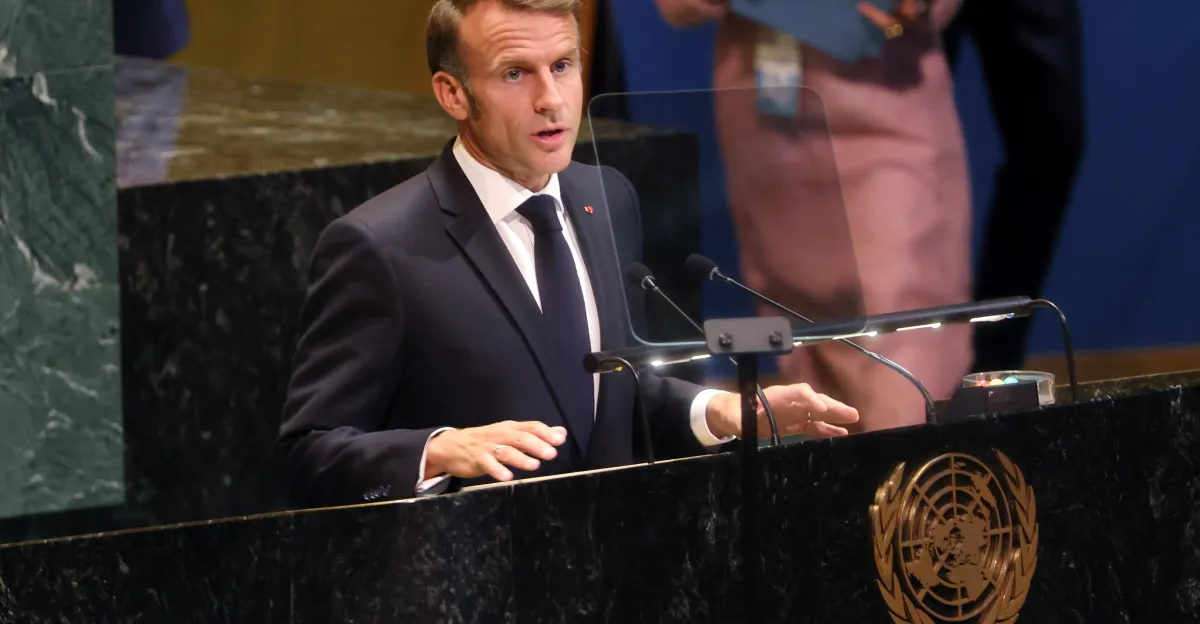
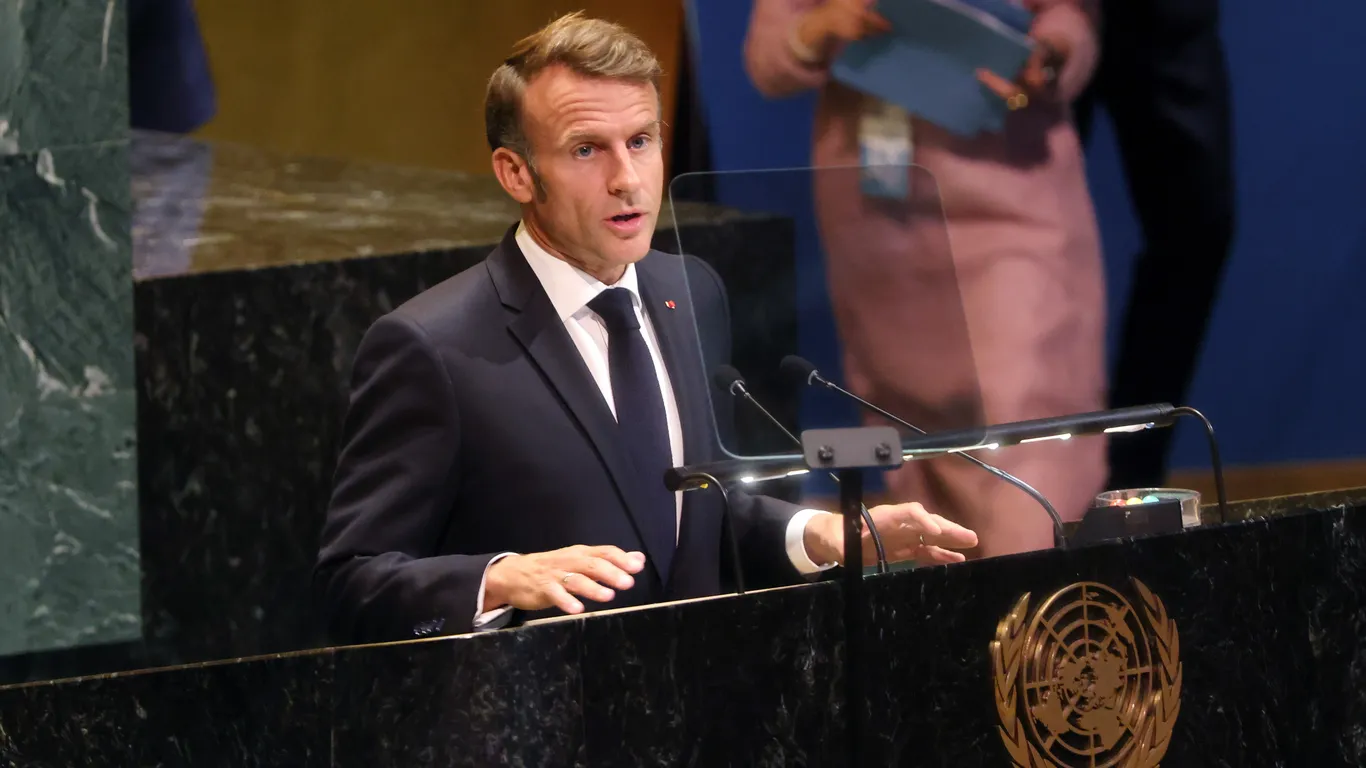
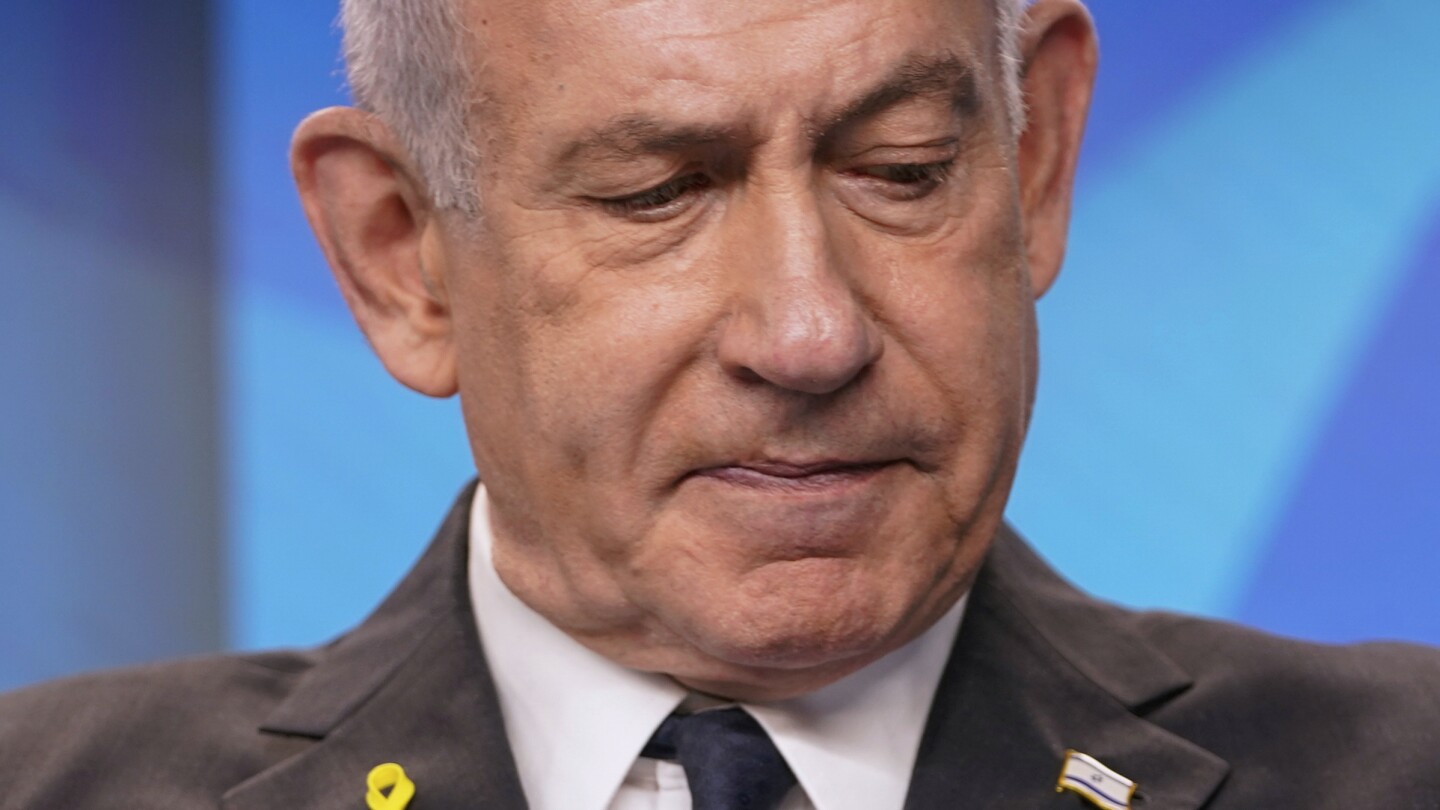
French President Emmanuel Macron announced France's recognition of the State of Palestine at the UN General Assembly, supporting a two-state solution and joining a recent wave of countries recognizing Palestine despite opposition from Israel and the U.S., further isolating Netanyahu's government.
France officially recognized Palestinian statehood at the UN, amid ongoing Gaza conflict, with more countries expected to follow, signaling international support for a two-state solution despite opposition from Israel and the US.
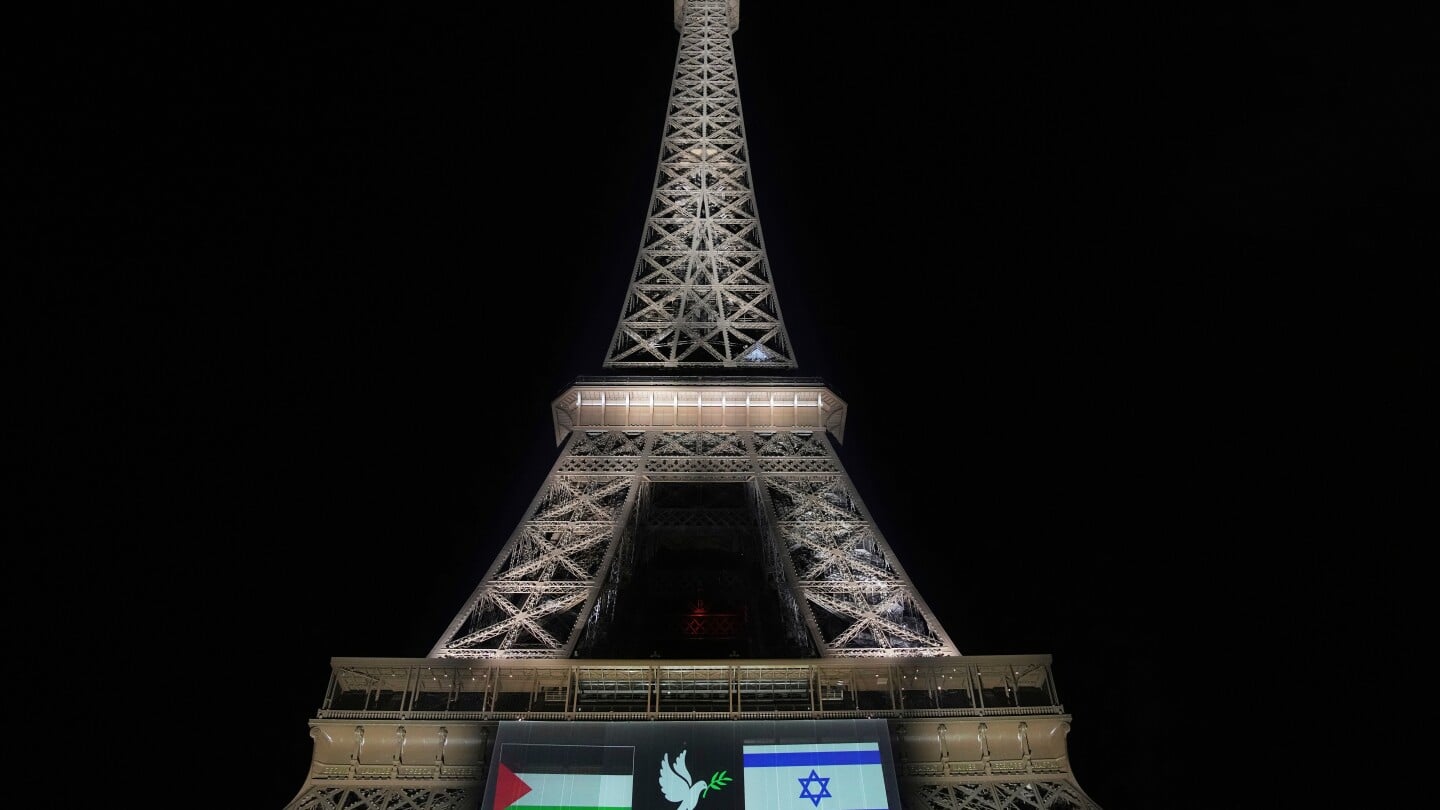
France and Saudi Arabia are convening a summit to rally support for a two-state solution, with several countries expected to recognize Palestine, amid escalating violence in Gaza and West Bank. Israel and the US will boycott the event, criticizing it as a publicity stunt, while Israel considers annexation of parts of the West Bank. The summit aims to push for tangible steps towards peace, but faces opposition from Israel and the US.
Several countries including the UK, Canada, Australia, and Portugal have formally recognized Palestine, marking a significant shift amid ongoing Middle East tensions and a push for a two-state solution, with implications for regional and international diplomacy.
France and Saudi Arabia are pushing for a two-state solution amid the Gaza conflict, but US and Israel oppose it, fearing it could empower Hamas and threaten Israeli security, while regional and international efforts face significant obstacles.
Efforts by France and Saudi Arabia to promote a two-state solution for Israel and Palestine face significant obstacles, including opposition from the US and Israel, amid ongoing violence in Gaza. While some countries recognize Palestinian statehood, key issues like borders, refugees, and Jerusalem remain unresolved, and recent plans aim for a phased, demilitarized Palestinian state with international support, but face skepticism and geopolitical challenges.
The UK, alongside Canada and Australia, has officially recognized Palestinian statehood amid ongoing violence in Gaza, signaling a shift in policy aimed at supporting a two-state solution despite the complex and violent situation on the ground. This move is largely symbolic but underscores international calls for peace and Palestinian self-determination.
Ahead of the September 22 UN summit, international efforts focus on reviving the two-State solution amid ongoing violence in Gaza and regional tensions, with key countries considering recognizing Palestine and renewed diplomatic momentum for peace.
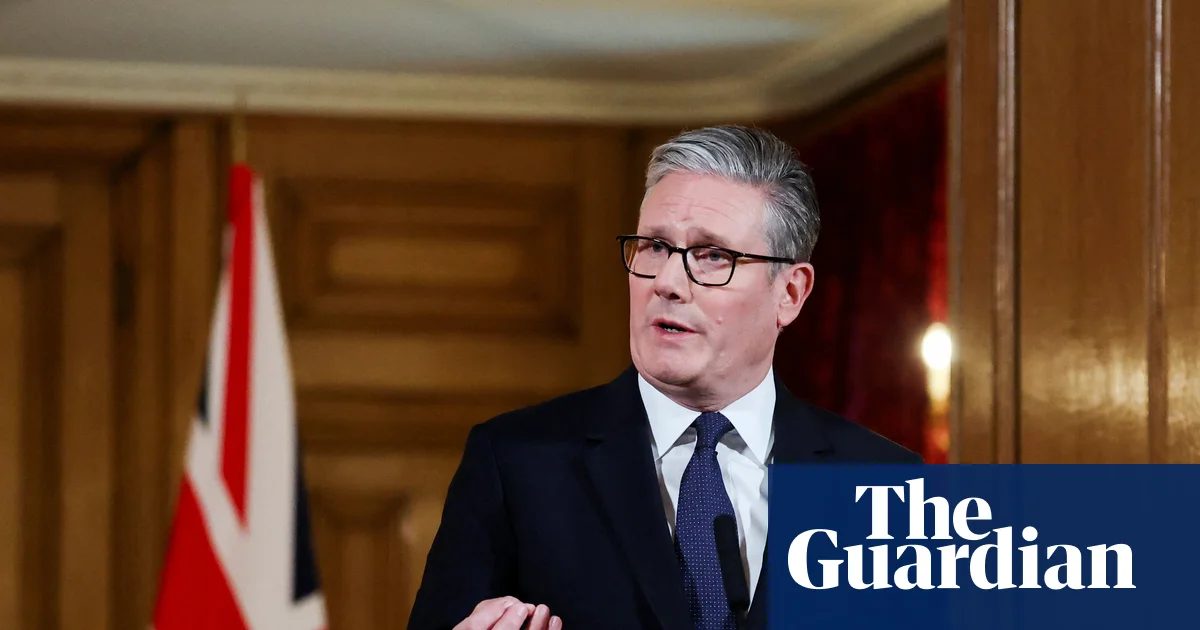
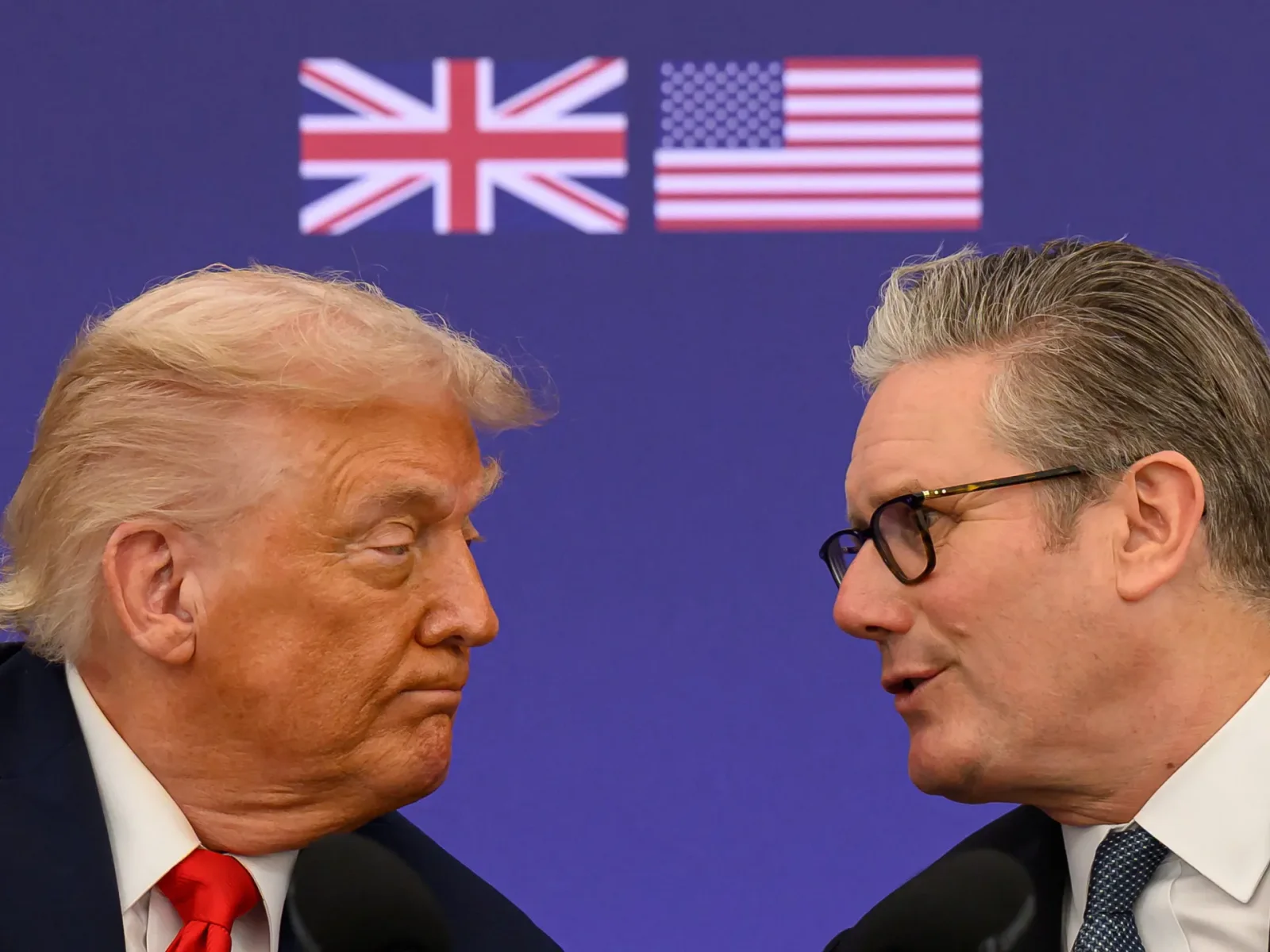
The UK is expected to recognize a Palestinian state, breaking with its traditional policy, as part of efforts to support a two-state solution, despite opposition from Israel and the US. Prime Minister Keir Starmer's decision aims to keep the peace process alive amid ongoing regional tensions.
The article discusses the potential implications of recognizing Palestine as a state, highlighting that while it could strengthen diplomatic negotiations and reaffirm Palestinian rights, it is unlikely to stop the Gaza conflict on its own. Recognition is largely symbolic and must be accompanied by practical measures, with concerns about Israel's reaction and the need for concrete actions to achieve lasting peace.
Sir Keir Starmer is expected to announce the UK's recognition of a Palestinian state, marking a significant shift in policy amid ongoing violence in Gaza and international debates over the timing and conditions of recognition, with mixed reactions from governments and stakeholders.
Several Western countries are set to recognize a Palestinian state, marking a symbolic milestone, but the reality on the ground—Israeli settlements, military occupation, and internal Palestinian issues—makes the establishment of a viable Palestinian state unlikely in the near term. The recognition could have legal and diplomatic implications, but significant obstacles remain, including Israeli policies and Palestinian governance challenges.