A new study combining P- and S-waves finds a massive, iron-rich, solid mega-ultralow velocity zone beneath Hawaii, which could anchor and fuel the Hawaiian hotspot by concentrating heat and guiding mantle flow.
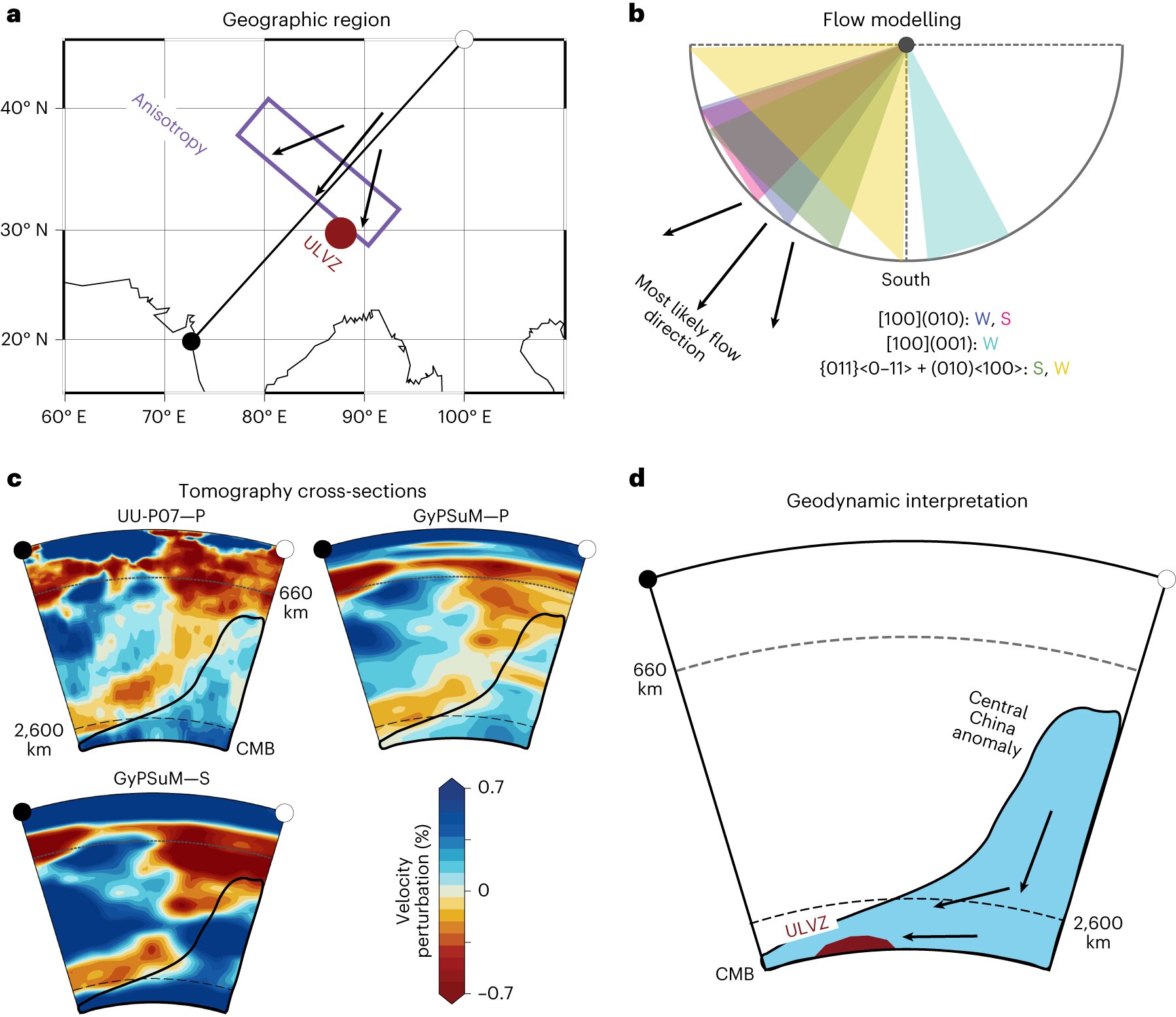
Researchers from Yale University have discovered an ultra-low velocity zone (ULVZ) beneath the Himalayas, 1,800 miles beneath Earth's surface, using seismic waves to study the structure just above the boundary between Earth's rocky mantle and metallic core. The ULVZ may have been formed by subducted material that had sunk from the surface down to the core-mantle boundary, providing direct evidence for subducted slabs playing a role in driving flow at the base of the mantle. This discovery sheds light on the poorly understood composition and role of ULVZs in mantle dynamics, offering insights into the interconnected processes of the deep mantle and their influence on tectonic plates and surface features.
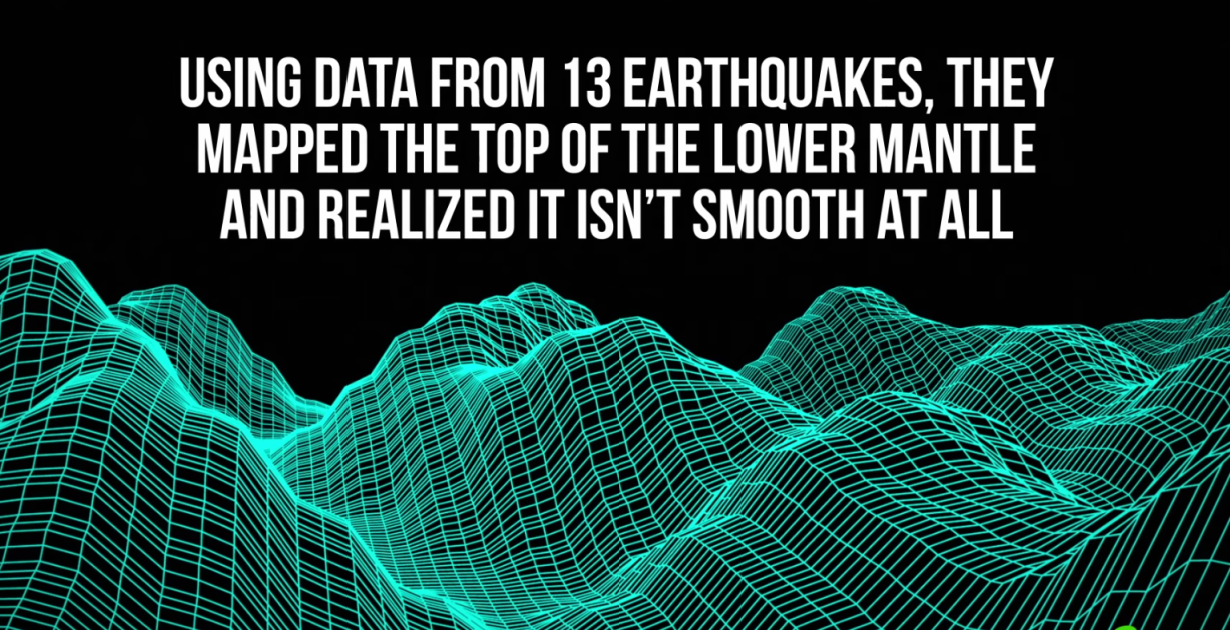
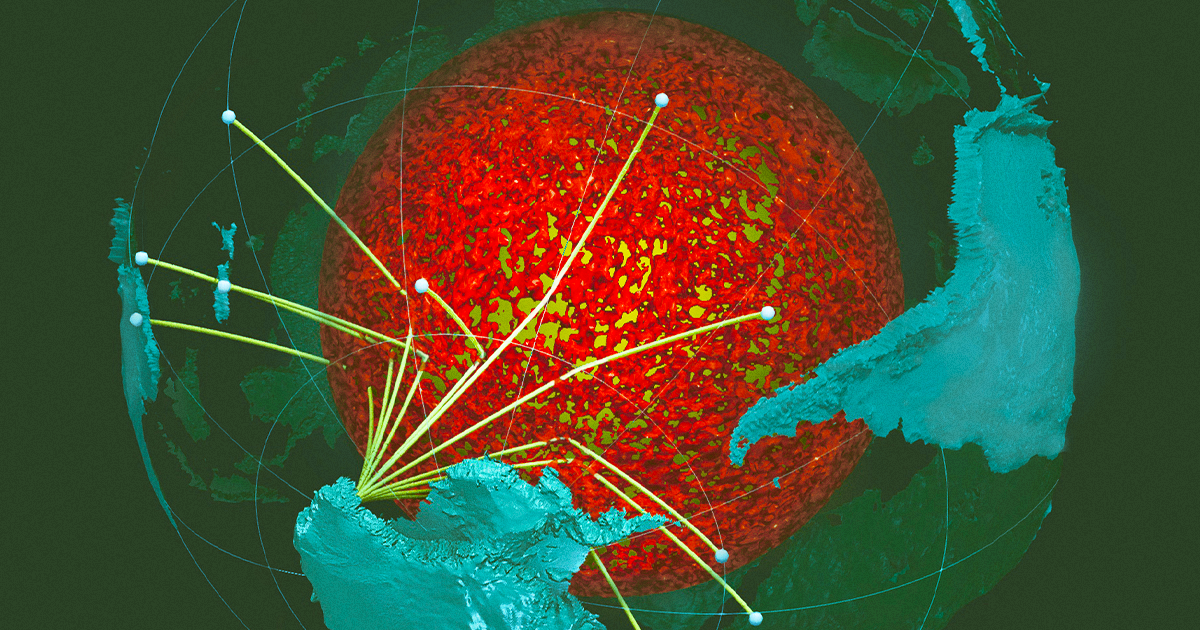
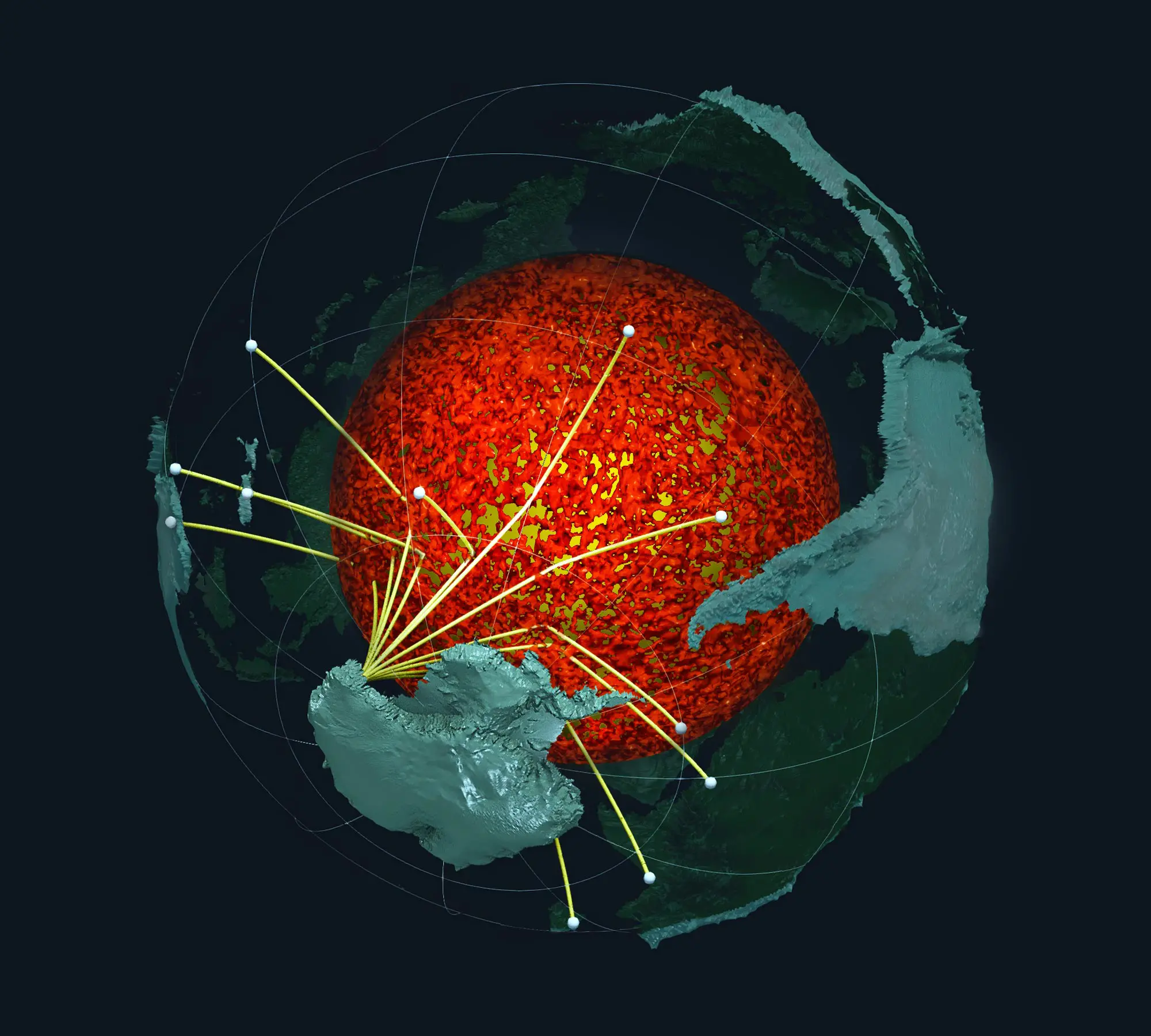
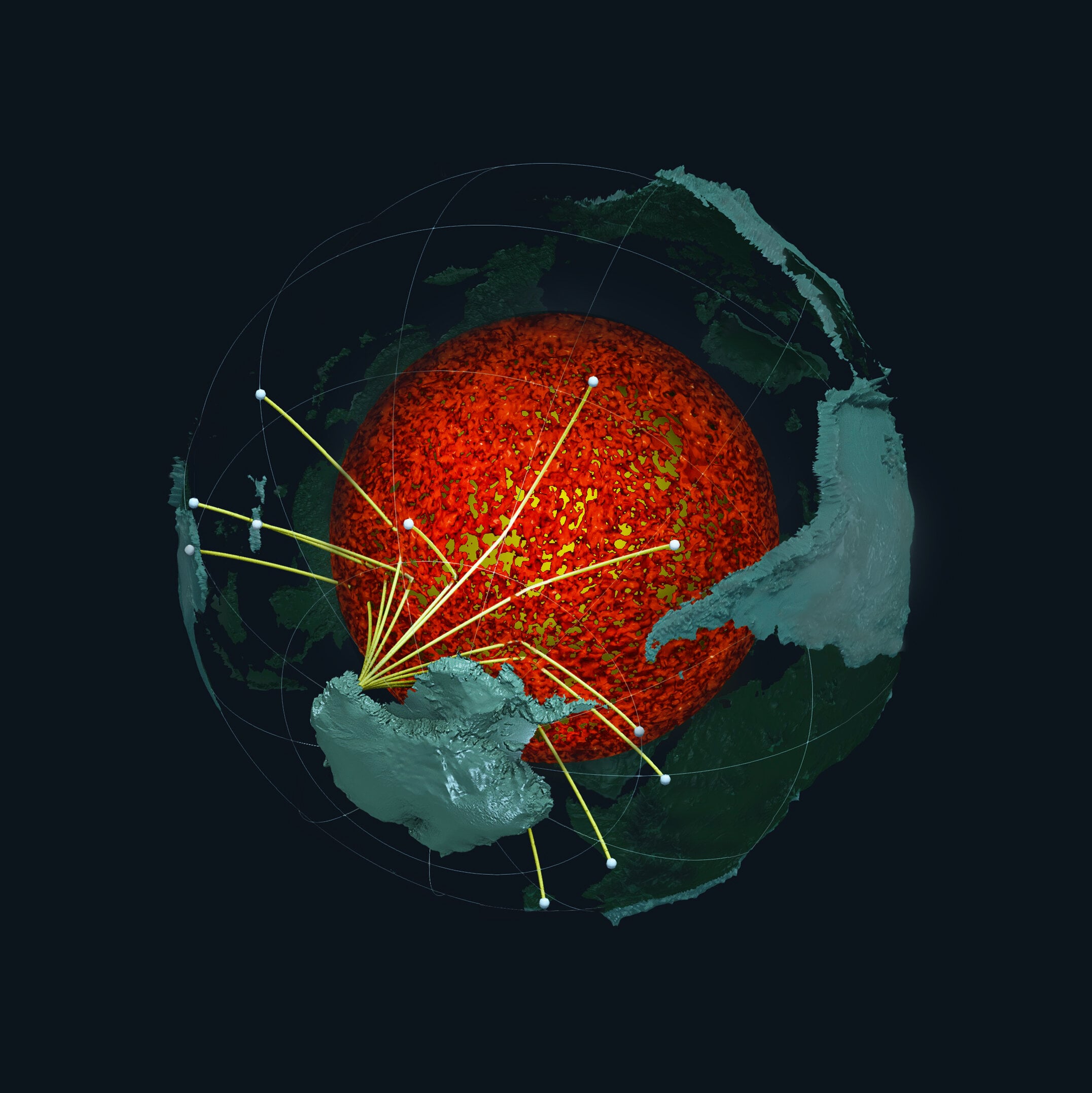
Scientists have discovered massive buried mountain ranges called ultra-low velocity zones (ULVZ) inside the Earth, which can be 4.5 times the height of Mount Everest. These peaks, located in the core-mantle boundary, are believed to be remnants of ancient oceanic crusts or superheated pieces of mantle. Seismic data from earthquakes and atomic explosions have allowed scientists to observe these mountains. Additionally, large low-shear-velocity provinces or "blobs" in the same region could provide insights into tectonic plate movements. The existence of ULVZs in Antarctica supports the theory that they were once part of the planet's ocean floors, revealing a more complex interior structure than previously thought.
Scientists have discovered massive mountains, larger than Mount Everest, hidden underneath Earth's surface in the core-mantle boundary, around 1,800 miles deep. Dubbed ultra-low velocity zones (ULVZ), some of these underground mountain ranges are 4.5 times the height of Everest. Scientists believe that these ancient formations were created when oceanic crusts were forced into Earth's interior. The discovery was made possible by earthquakes and atomic explosions that rattled up enough data for researchers to spot them. Antarctica is the best place to study seismic activity happening underground, but other peaks like these could be found all around the Earth.
Scientists have discovered ultra-low velocity zones (ULVZ), gigantic buried mountain ranges located in the core-mantle boundary inside Earth, around 1,800 miles deep, that dwarf the tallest ranges on the surface. These structures may be remnants of ancient oceanic crusts or parts of the mantle that have been superheated by the planet's searingly hot core. Seismic data from earthquakes and atomic explosions have revealed these geological marvels, which could offer valuable new clues into the shifting and jostling of tectonic plates as they move from the Earth's crust into the deep mantle.
Scientists have discovered ultra-low velocity zones (ULVZ), gigantic buried mountain ranges located in the core-mantle boundary inside Earth, around 1,800 miles deep, that are "4.5 times the height of Everest" and completely hidden until they were revealed by seismic data. These structures may be remnants of ancient oceanic crusts or parts of the mantle that have been superheated by the planet's searingly hot core. These mountain ranges and blobs could offer valuable new clues into the shifting and jostling of tectonic plates as they move from the Earth's crust into the deep mantle.
Scientists analyzing seismic imaging data from Antarctica have discovered material from the ancient floor of an ocean, subsumed by the Earth's interior over millions of years to reach where it now resides near the planetary core. The material is a "thin" and noticeably dense layer wedged in the core-mantle boundary, some 2,000 miles beneath the surface. The researchers suggest that the ultra-low velocity zones (ULVZs) may be composed of material from an ancient ocean floor, far denser than the surrounding mantle. These mountains may play a crucial role in determining how heat escapes from Earth's molten core.
Researchers from The University of Alabama used seismic imaging to discover a dense layer of ancient ocean floor, or ultra-low velocity zone (ULVZ), between Earth’s core and mantle. This layer of ULVZ is denser than the rest of the deep mantle, slowing seismic waves reverberating beneath the surface. These underground “mountains” may play an important role in how heat escapes from the core, the portion of the planet that powers the magnetic field.
Seismic imaging of Earth's interior has revealed a layer between the core and the mantle that is likely a dense, yet thin, sunk ocean floor, according to research led by The University of Alabama. This ultra-low velocity zone (ULVZ) is denser than the rest of the deep mantle, slowing seismic waves reverberating beneath the surface. The latest data suggests this layer of ancient ocean floor may cover the core-mantle boundary. ULVZs can be well explained by former oceanic seafloors that sunk to the core-mantle boundary.