Well is offering a 5-day challenge focused on reducing ultraprocessed foods in your diet. Participants will receive guidance and tips to help make healthier food choices. The challenge aims to raise awareness about the impact of ultraprocessed foods on health and encourage a shift towards more nutritious eating habits.

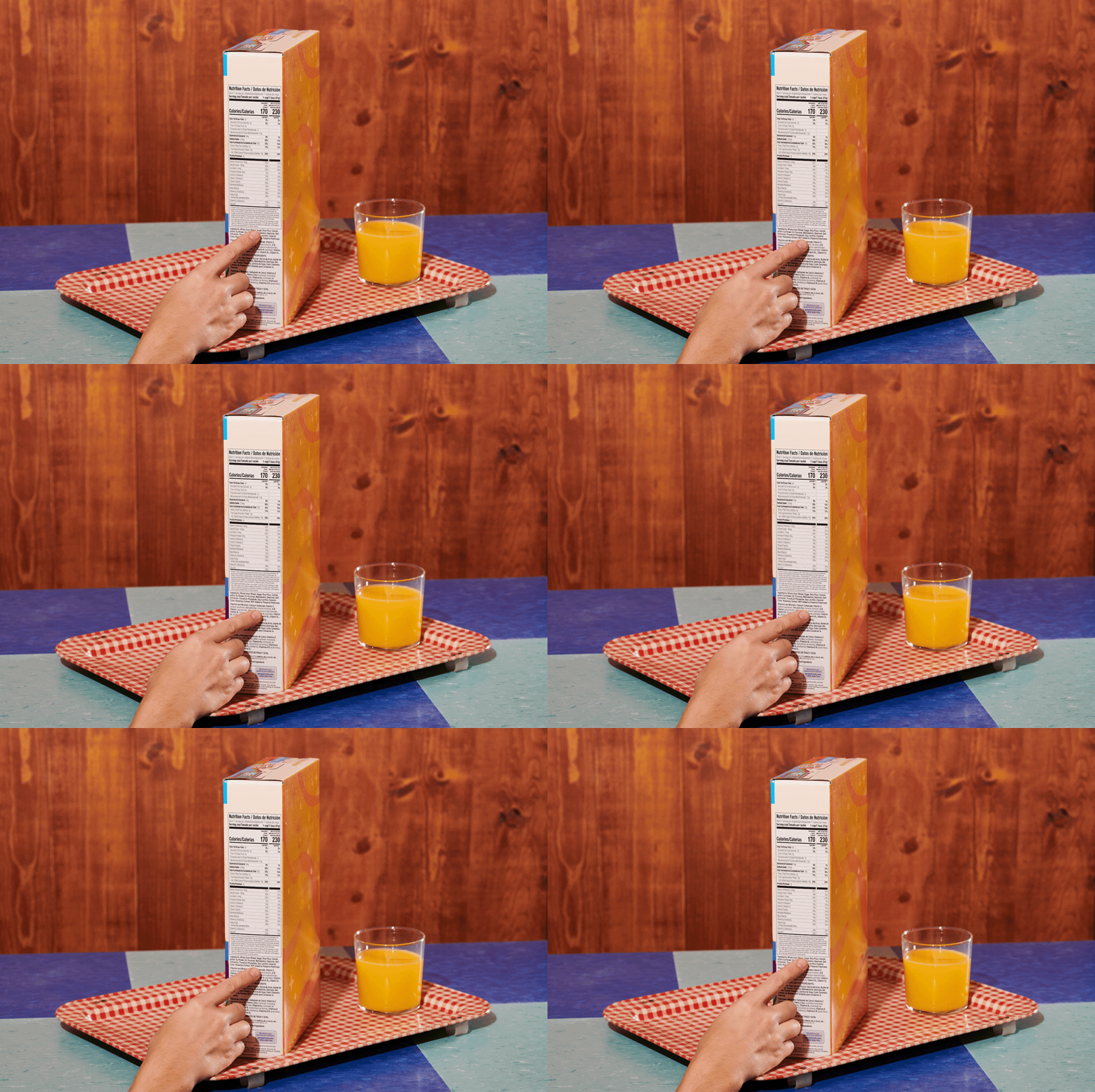
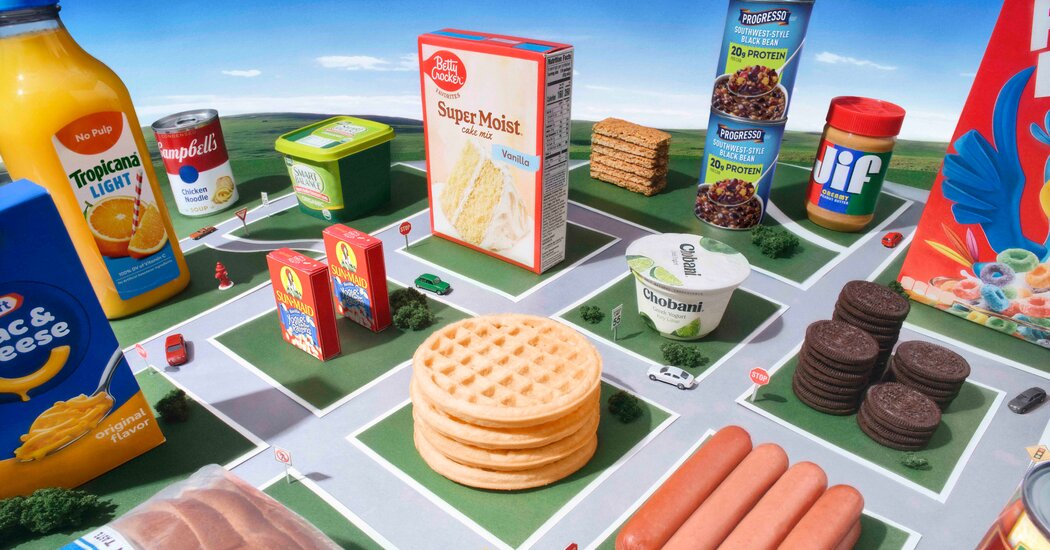
Ultra-processed foods (UPFs) are increasingly linked to health issues like obesity, heart disease, and diabetes. These foods, often high in fat, sugar, and salt, include not just snacks and sodas but also everyday items like packaged bread and plant-based meals. Experts suggest reading labels to identify UPFs, which often contain unfamiliar additives and more than five ingredients. The Nova classification system helps categorize foods by processing level, with UPFs being the most processed. While some additives are safe, others like artificial sweeteners may pose health risks. Consumers are advised to choose less processed options and be cautious of misleading labels.
The author experimented with cutting out ultra-processed foods (UPFs) for a week, observing changes in sleep quality, anxiety levels, and libido. UPFs, which often contain industrial additives, are linked to various health issues. The experiment highlighted the difficulty of avoiding UPFs due to their prevalence in everyday foods, but also led to a shift in the author's perception of food, making processed items less appealing.
The upcoming U.S. dietary guidelines may not address the issue of ultraprocessed foods, despite growing evidence linking them to health problems. This omission could be due to the influence of the food industry and the complexity of defining and regulating ultraprocessed foods. The guidelines, which are updated every five years, play a crucial role in shaping public health recommendations and food policies.
Nutritionist Rob Hobson was surprised to find his diet included more ultra-processed foods (UPFs) than expected, prompting him to create homemade alternatives to popular UPFs. His new book, "Unprocess Your Life," encourages preparing food from scratch to avoid the health risks associated with UPFs, which studies link to increased risks of heart attacks, high blood pressure, stroke, and dementia. Hobson's approach involves making easy, budget-friendly, and nutritious meals, and he provides tips for identifying and replacing UPFs in one's diet with healthier options.
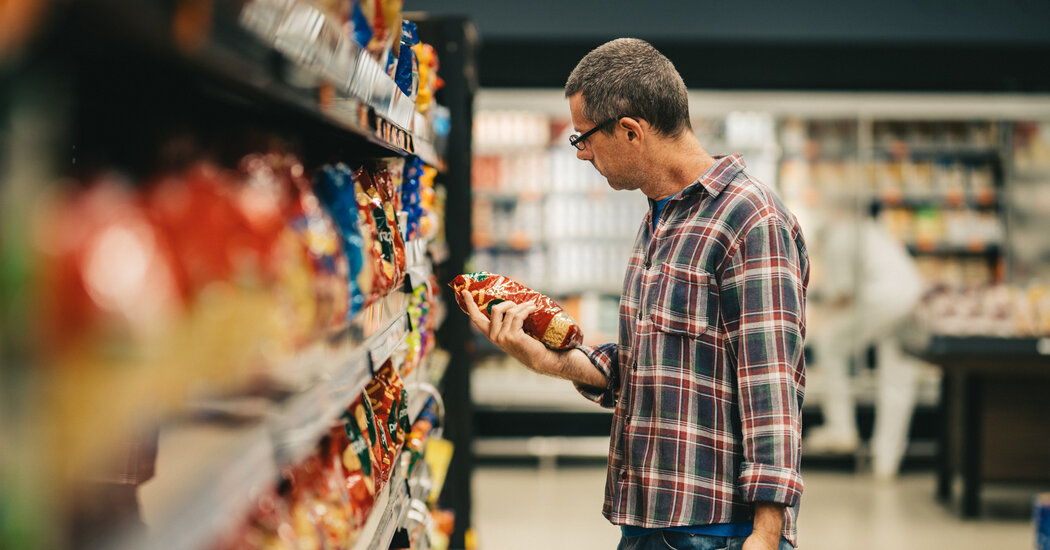
To adopt healthier eating habits, it's crucial to recognize and reduce the consumption of ultra-processed foods. These foods often contain long ingredient lists, added sugars and sweeteners, artificial flavors, and various additives like thickeners and emulsifiers. They are designed to be highly palatable, leading to overconsumption and contributing to diet-related illnesses. Consumers are advised to read labels carefully, looking for red flags such as more than three ingredients, ingredients ending in '-ose', and artificial sweeteners. Opting for less processed foods with fewer and simpler ingredients, avoiding misleading health claims, and shopping for fresh foods around the perimeter of grocery stores can help in making healthier choices.
The article emphasizes the importance of recognizing ultra-processed foods by identifying nine red flags on food labels, such as long ingredient lists, added sugars, artificial sweeteners, and health claims. It suggests choosing less processed alternatives and shopping for fresh, whole foods to improve eating habits. The guide aims to empower consumers with knowledge to make healthier choices and avoid diet-related illnesses linked to ultra-processed foods.
The article advocates for the reduction of ultra-processed food (UPF) consumption as a New Year's health resolution, highlighting the negative impact of UPFs on individual health and the healthcare system. UPFs are linked to various health issues, including obesity and heart disease, and dominate UK diets. The author suggests that the government and food industry are not adequately addressing the problem, and proposes measures such as warning labels and taxes on UPFs, similar to tobacco control strategies. The call to action is for consumers to make informed choices and reduce UPF intake for better health outcomes.