Researchers have discovered that smoking produces metabolites like hydroquinone that promote mouth bacteria such as Streptococcus to grow in the gut, which can reduce inflammation in ulcerative colitis. This finding suggests potential treatments using probiotics or prebiotics to mimic smoking's protective effects without the associated health risks.
A study shows that pro-inflammatory diets can worsen IBD symptoms, with those consuming such diets being up to three times more likely to experience moderate to severe disease, emphasizing the importance of an anti-inflammatory diet for managing IBD.
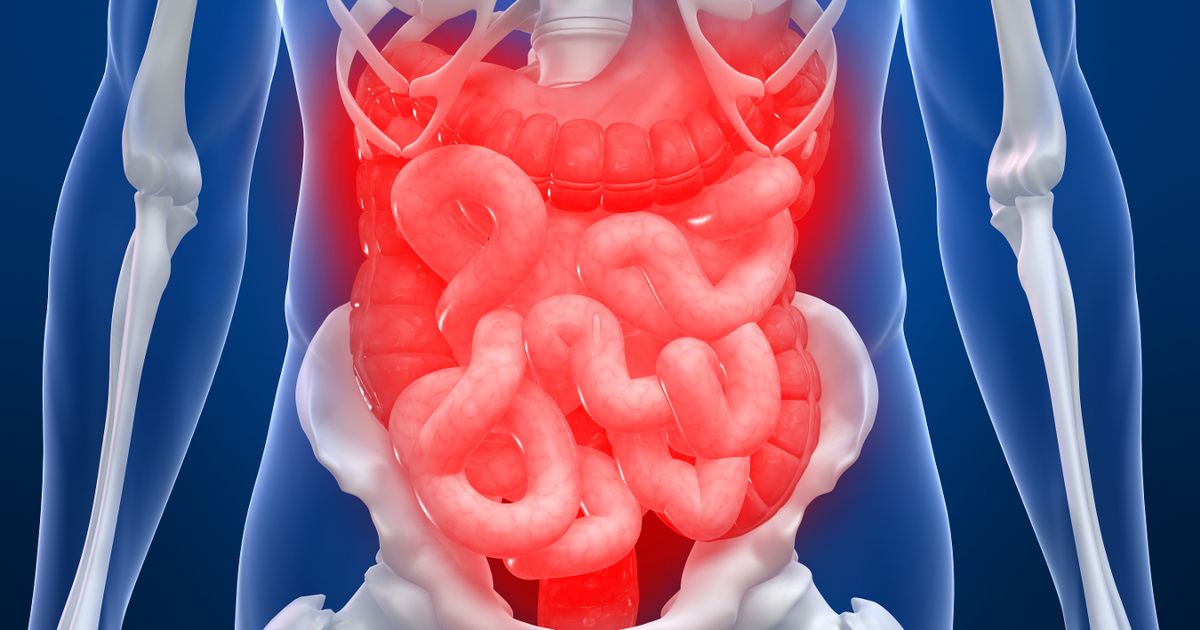
Inflammatory bowel disease (IBD), affecting up to 3.1 million adults in the U.S., is a chronic condition where the immune system attacks the intestines, causing inflammation and damage. Diagnosis involves medical history, physical exams, lab tests, and imaging like endoscopy or MRI. IBD differs from irritable bowel syndrome (IBS), which has similar symptoms but no underlying disease. Managing IBD requires a team approach to find effective medication and lifestyle strategies to prevent flare-ups and address related health issues.
Research shows that smoking helps alleviate ulcerative colitis by promoting mouth bacteria like Streptococcus to grow in the gut, triggering an immune response that reduces inflammation. This effect is linked to metabolites like hydroquinone produced during smoking, which could lead to alternative treatments such as probiotics or prebiotics, avoiding smoking's health risks.
Researchers at the Francis Crick Institute in London have discovered a key driver of inflammatory bowel disease (IBD) and other immune disorders, potentially leading to new treatments using existing drugs. This breakthrough could significantly impact the lives of millions suffering from conditions like Crohn's disease and ulcerative colitis.
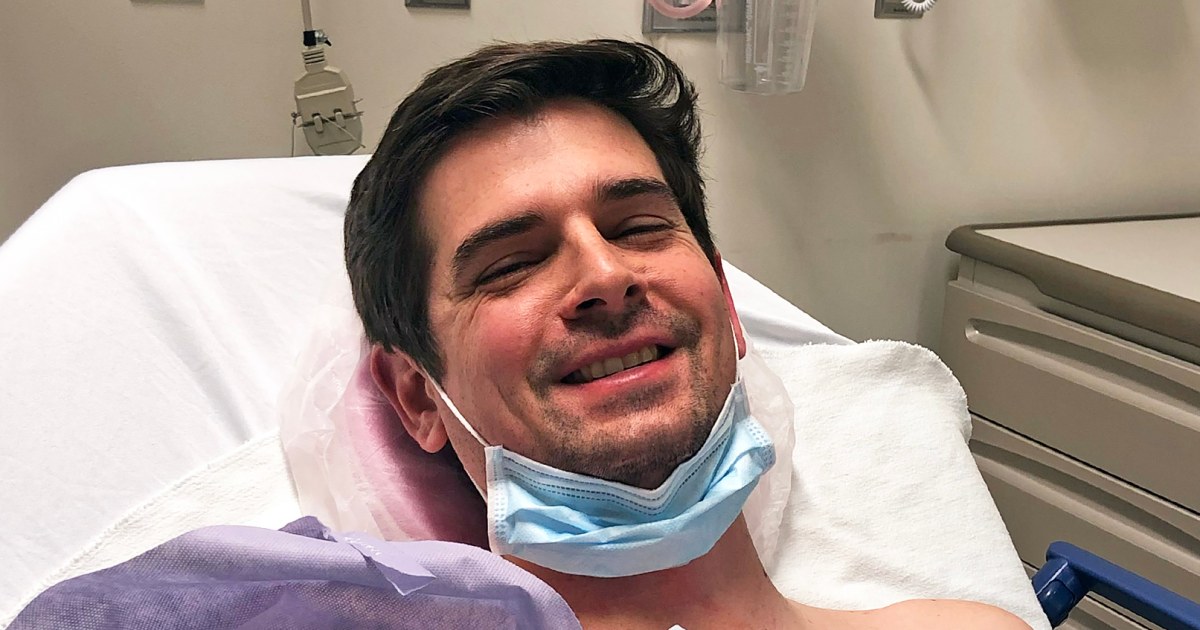
Michael Sheridan, diagnosed with ulcerative colitis in 2009, experienced a sudden flare-up in 2019, leading to a stage 3 colon cancer diagnosis in December 2020. After undergoing a sigmoidectomy and chemotherapy, he is now cancer-free. The experience prompted him to advocate for informed consent in his treatment and cherish time with his family. Inflammatory bowel disease patients should be vigilant about symptoms and undergo regular colonoscopies due to the increased risk of colorectal cancer.
Michael Sheridan, diagnosed with ulcerative colitis in 2009, experienced a sudden flare-up in 2019, leading to a stage 3 colon cancer diagnosis in December 2020. After undergoing a sigmoidectomy and chemotherapy, he is now cancer-free. His experience highlights the increasing incidence of colon cancer in young people, particularly those with inflammatory bowel disease, and the importance of regular colonoscopies for early detection.
Pfizer's drug Velsipity, used to treat ulcerative colitis, has been approved by the European Commission for patients aged 16 or older who did not respond well to previous treatments. The approval, based on successful late-stage trials, allows the drug to be available in all 27 EU countries. With an estimated 2.6 million people in Europe living with ulcerative colitis, Velsipity is expected to compete with Bristol Myers Squibb's Zeposia and has also sought regulatory approvals in other countries.
Researchers from Howard University presented a study suggesting that saffron supplements may reduce inflammation and improve clinical manifestations in people with ulcerative colitis. The study involved participants receiving low or high doses of saffron or a placebo for 8 weeks, with those taking high doses showing significant improvement in clinical scores and inflammatory biomarkers. Saffron also led to a decrease in harmful bacteria and an increase in beneficial bacteria in the gut. While promising, the use of saffron for IBD should be assessed on a case-by-case basis and may not be suitable for everyone.
Palisade Bio presented positive preclinical data of its lead program PALI-2108 at the 2024 Crohn’s & Colitis Congress, demonstrating its safety, local activity, and low systemic exposure for the treatment of moderate-to-severe ulcerative colitis. The orally delivered and colon-activated PALI-2108 is advancing toward a Phase 1 clinical study expected to commence in 2024, with promising outcomes including colon-specific distribution, dose-dependent efficacy in a mouse UC model, and no systemic toxicity in dogs, offering potential for revolutionizing UC treatment.
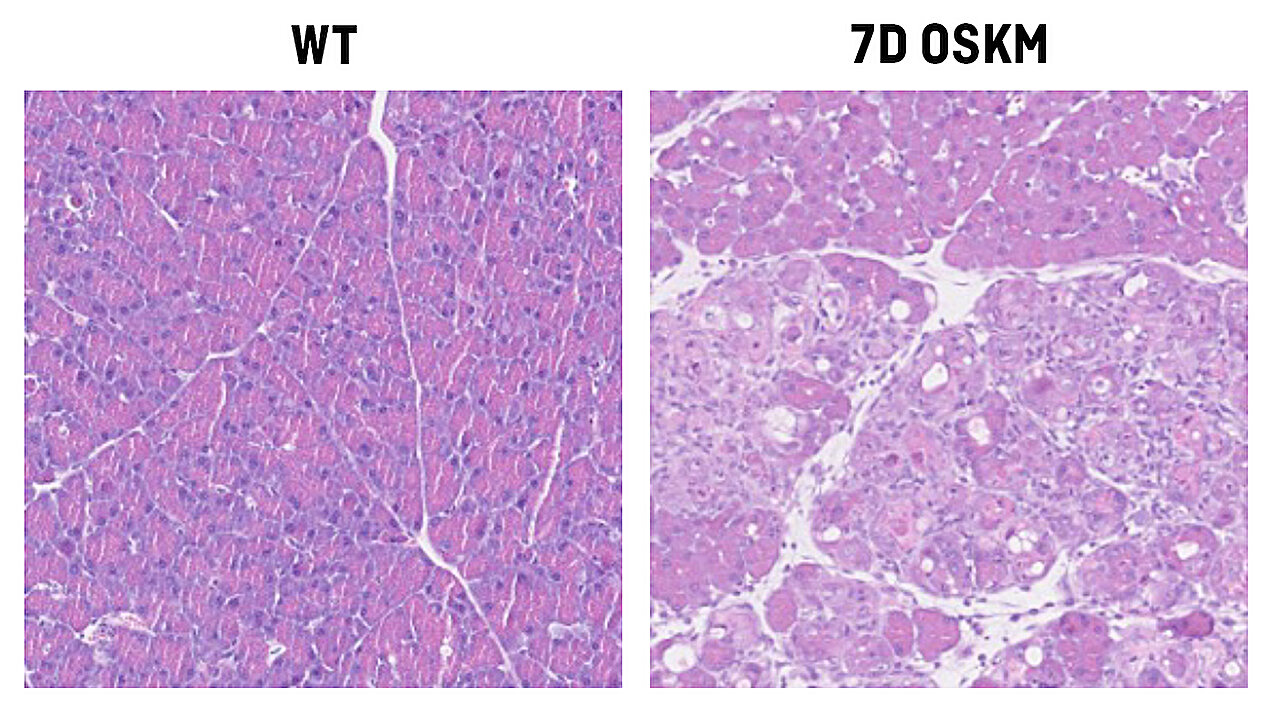
A study led by researchers at IRB Barcelona has found that vitamin B12 plays a crucial role in cellular reprogramming and tissue regeneration. The research showed that cellular reprogramming in mice requires large amounts of vitamin B12, and supplementation significantly enhanced the efficiency of the process. The study also demonstrated that vitamin B12 supplementation benefited intestinal cells involved in tissue repair, suggesting potential therapeutic applications for patients with ulcerative colitis. Additionally, another study by the same group linked higher levels of vitamin B12 to lower inflammation markers in humans and aged mice, highlighting the potential health benefits of the vitamin.
Saffron Cassaday, who had been suffering from ulcerative colitis for 15 years, successfully treated her condition by performing over 100 DIY fecal microbiota transplants (FMT) using her partner's stool. FMT involves transferring a screened donor's healthy microbes and bacteria to a patient via an enema. While FMT has been proven effective for treating C. diff infections, its efficacy for ulcerative colitis is lower, with only about 25% of patients experiencing improvement. FMT is currently being studied in over 200 clinical trials for various conditions, but caution is advised, and it should only be done in a clinical setting.
Routine blood tests can detect signs of Crohn's disease up to eight years before symptoms appear, and up to three years before a diagnosis of ulcerative colitis, according to a study. The findings suggest that the early stages of inflammatory bowel diseases may begin much earlier than previously thought, potentially allowing for early intervention and prevention of severe damage. The study analyzed blood tests from 20,000 people with IBD and identified subtle changes in minerals, blood cells, and proteins associated with inflammation. Further research is needed to refine the algorithm and explore treatment or prevention options.
The FDA has approved Eli Lilly's new drug, Omvoh, for the treatment of ulcerative colitis. Omvoh is an antibody that blocks IL-23p19, a molecule involved in sustaining the disease. Clinical trials showed significant improvement in symptoms for patients taking Omvoh compared to a placebo, with minimal side effects. The drug's list price is $9,593 per month for intravenous delivery and $10,360 per dose injected beneath the skin, but patients with commercial insurance may pay as little as $5 per month for up to 30 months.
The US Food and Drug Administration (FDA) has granted approval to Eli Lilly and Co for its drug, Omvoh, to treat adults with moderate-to-severe active ulcerative colitis, a type of chronic inflammatory bowel disease. The drug is expected to be available in the US in the coming weeks. This approval allows Lilly to enter a market already occupied by competitors such as Abbvie, Pfizer, and Johnson & Johnson. The decision was based on positive results from late-stage studies showing the drug's effectiveness in improving symptoms compared to a placebo. Lilly has also received approval for the drug in Japan and the European Union this year. Ulcerative colitis is a condition characterized by inflammation and ulcers in the colon, leading to symptoms such as diarrhea, blood in stool, and abdominal pain.