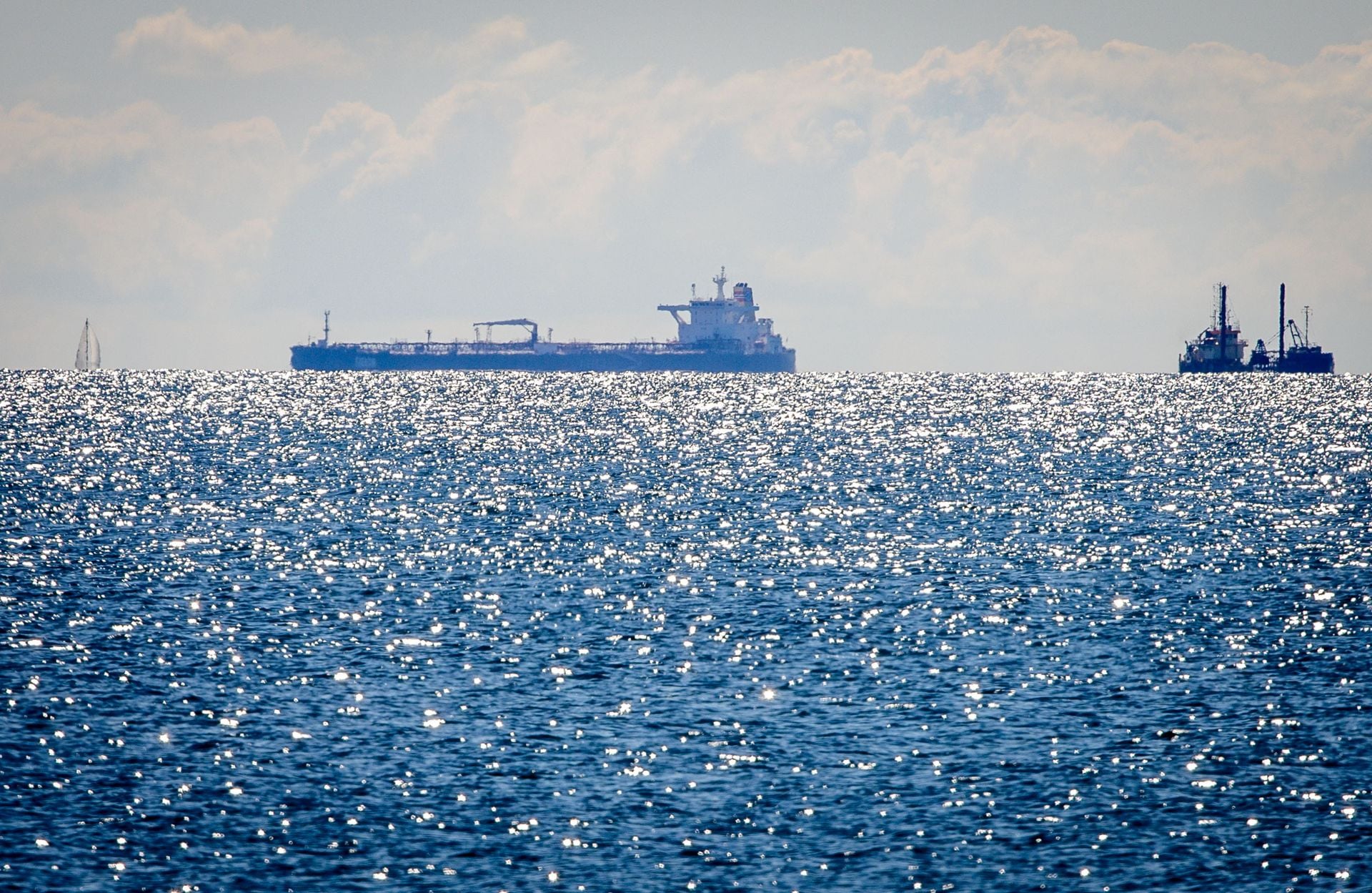
Australia has imposed sanctions on 95 Russian 'shadow fleet' vessels and joined international efforts to lower the Russian oil price cap from $60 to $47.60 per barrel, aiming to reduce Russia's oil revenue and pressure Moscow over its invasion of Ukraine.
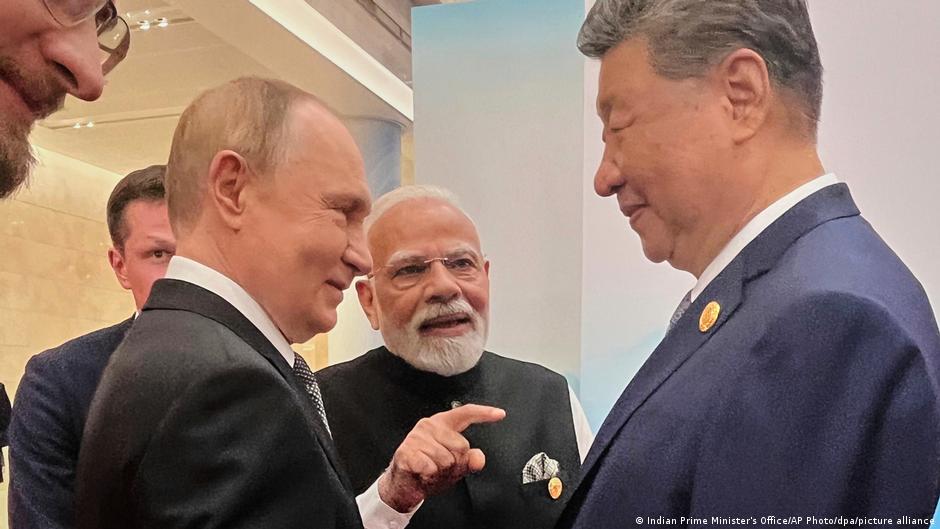
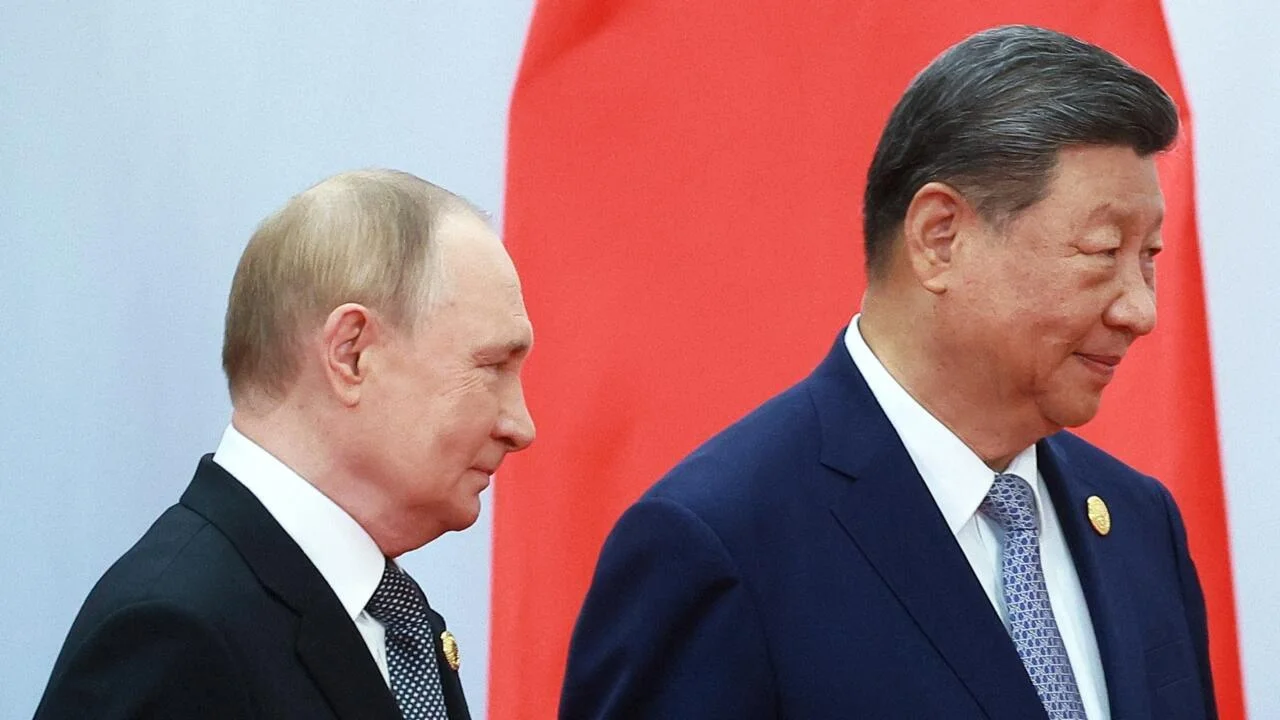
At the SCO summit, China's Xi Jinping condemned 'bullying behavior' in global politics, while Putin defended Russia's invasion of Ukraine, and leaders like Modi and Erdogan discussed regional and economic issues amidst ongoing tensions and US pressures. The summit emphasized regional stability, cooperation, and opposition to Cold War mentalities.
At the SCO summit in Tianjin, China's Xi Jinping criticized 'bullying' by certain countries, implicitly referencing the US, while Putin defended Russia's invasion of Ukraine, blaming the West and a Ukrainian coup. Modi emphasized India-Russia friendship, and China and India pledged to improve ties despite past disputes. The summit highlighted regional cooperation and geopolitical tensions, with leaders also attending a military parade in Beijing.
Russian Transport Minister Roman Starovoyt was found dead from a gunshot wound shortly after being dismissed from his position, amid ongoing investigations into embezzlement related to the Ukraine conflict and political upheaval in Russia.
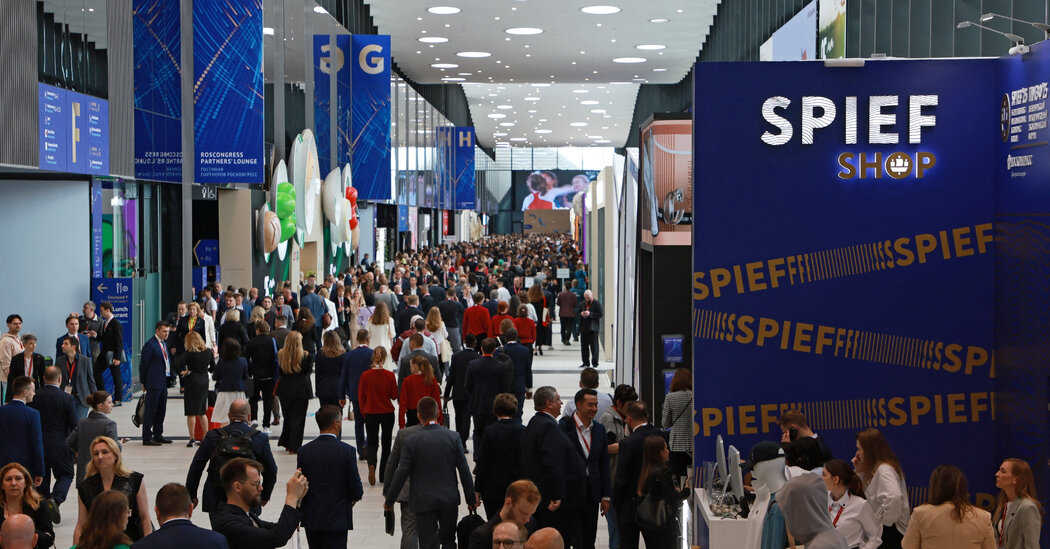
The St. Petersburg International Economic Forum now reflects Russia's transformed economic landscape post-2022 Ukraine invasion, with diminished Western participation, a pivot towards China and domestic businesses, and a message of reduced reliance on Western markets, highlighting ongoing sanctions and geopolitical tensions.
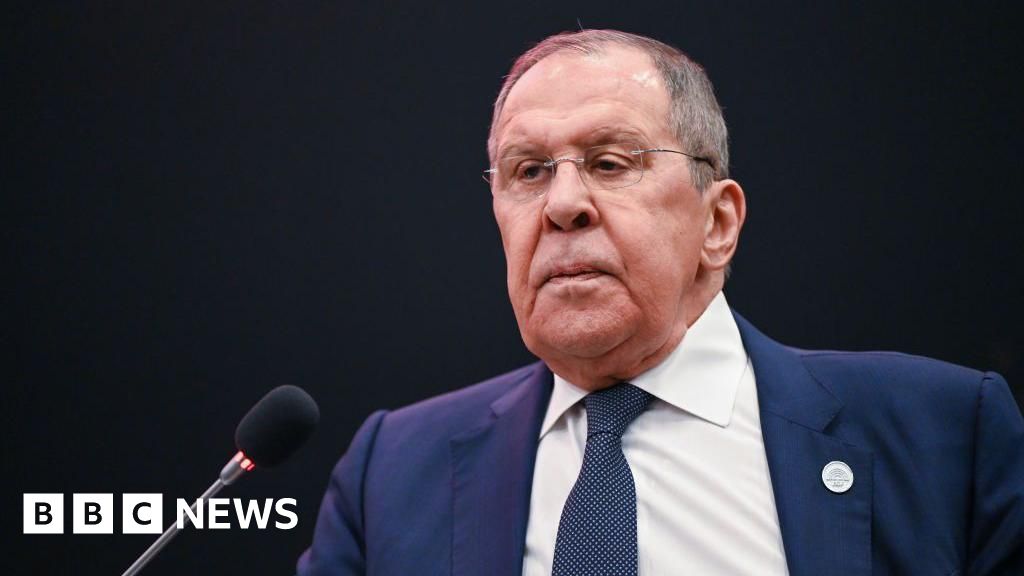
Russian Foreign Minister Sergei Lavrov attended a European security summit in Malta, marking his first visit to an EU state since Russia's invasion of Ukraine. His presence was controversial, with Ukraine's representative walking out and Poland's foreign minister refusing to meet him. Lavrov accused the West of inciting a new Cold War, while U.S. Secretary of State Antony Blinken criticized Russia's actions in Ukraine. The summit highlighted tensions within the OSCE, with Russia's involvement being questioned by several member states.
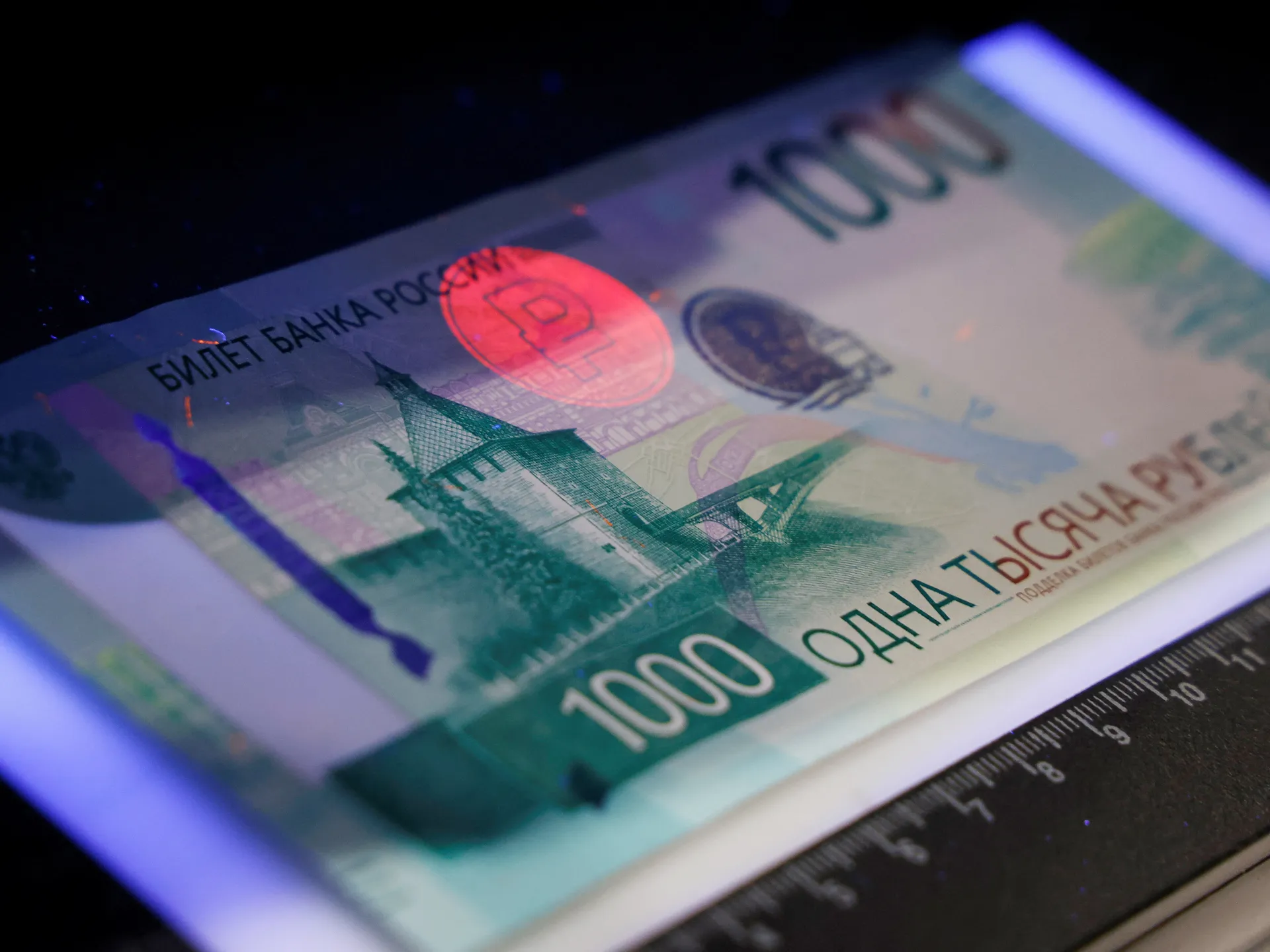
The Russian rouble has fallen to its lowest level against the US dollar in over 32 months, surpassing 110 to the dollar, due to geopolitical tensions from the Ukraine war and new US sanctions. The currency's decline is also reflected against the Chinese yuan and is compounded by a significant drop in Russia's stock market. Analysts suggest potential measures by Russian authorities to stabilize the rouble, while the finance minister downplays concerns, citing benefits for exports. The sanctions have disrupted foreign trade payments, particularly in oil and gas, leading to a currency shortage in Russia.
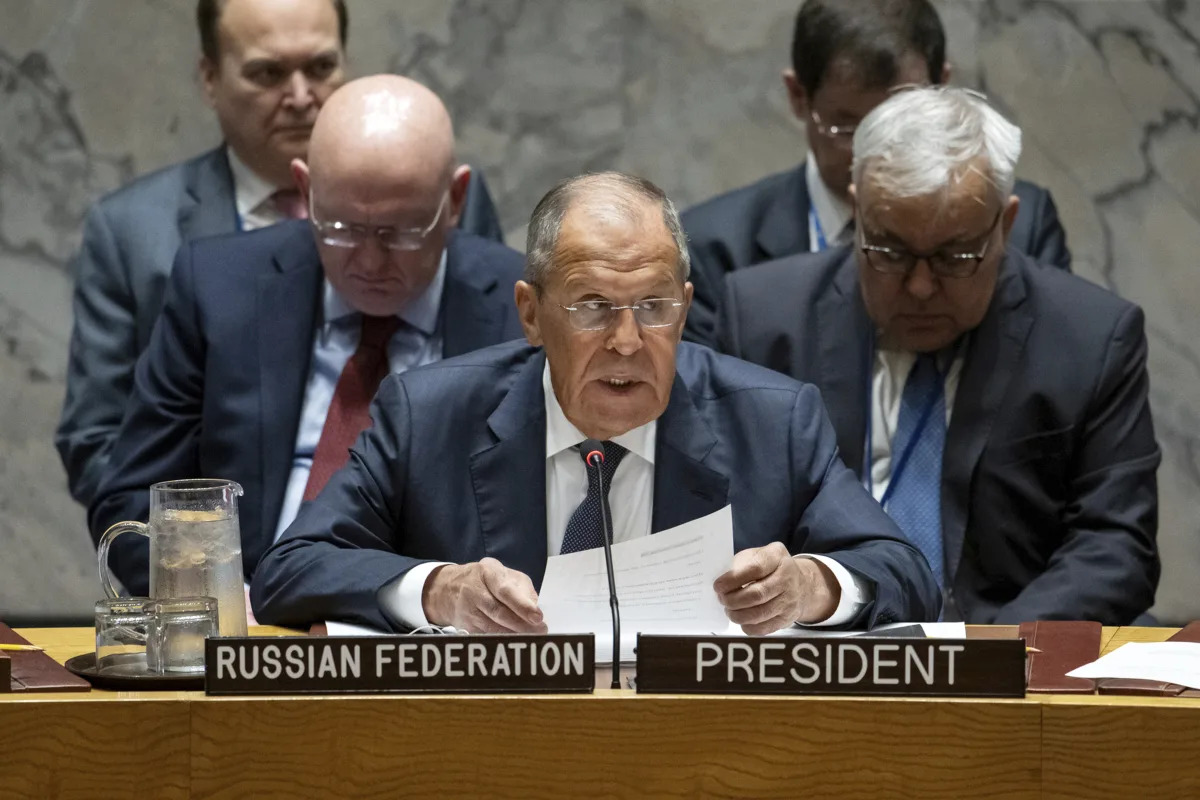
At a UN Security Council meeting led by Russia, Foreign Minister Sergey Lavrov accused the US of undermining global cooperation, a claim the US ambassador called hypocritical given Russia's invasion of Ukraine. The meeting, intended to discuss multilateral cooperation, saw strong condemnation from about 50 countries, including the US, for Russia's actions in Ukraine and its alleged hypocrisy. The US and UK representatives criticized Russia for violating the UN Charter and pursuing an unjust war, highlighting the broader implications for international peace and security.
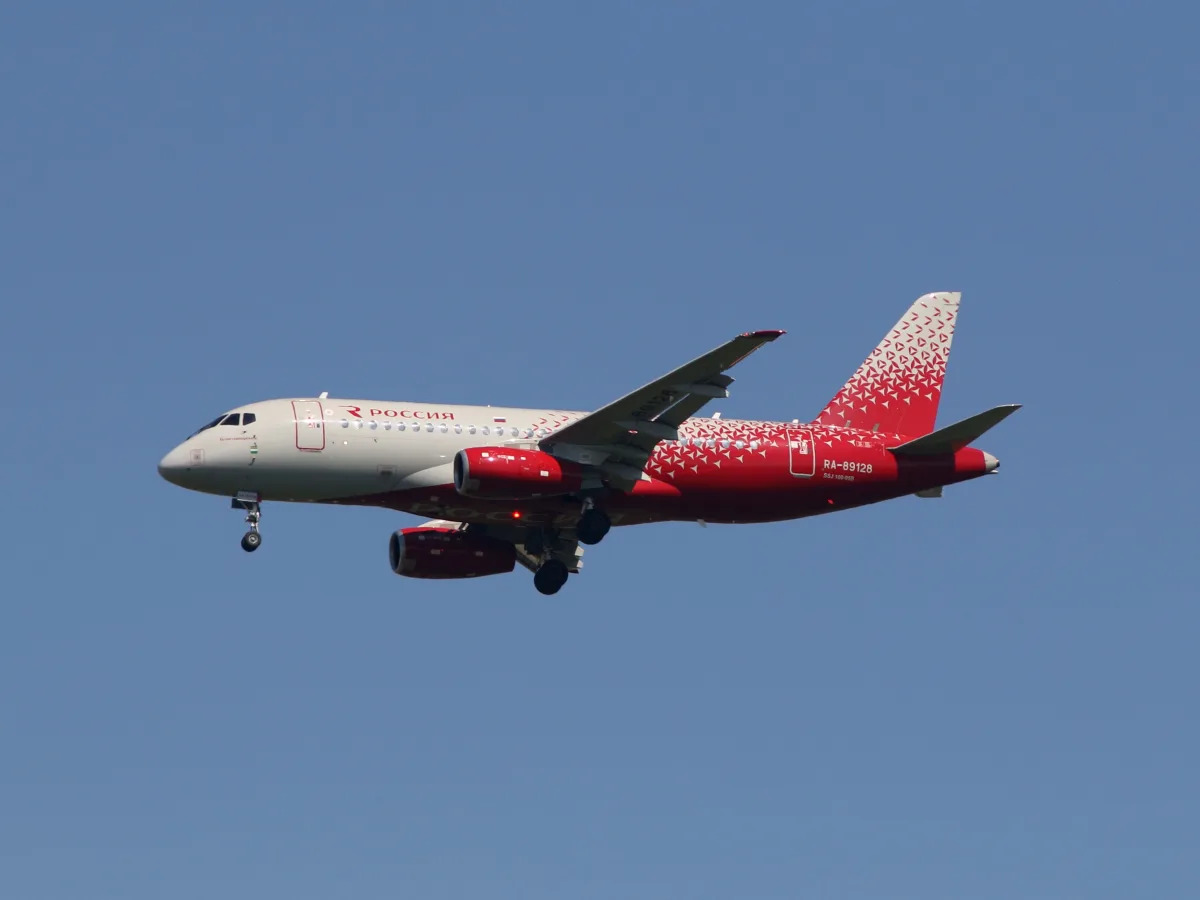
Russia has lost 76 passenger planes due to sanctions related to its invasion of Ukraine, according to Russian Transport Minister Vitaly Savelyev. Many of these planes were registered abroad and were stranded in Russia after Bermuda and Ireland revoked their certificates of airworthiness. In response, Russia passed a law allowing leased foreign planes to be registered in the country. Russia now has 1,302 planes, of which 1,167 are passenger aircraft. The country has explored purchasing some of the stranded planes but has faced difficulties in negotiations.
Russia has lost 76 passenger planes due to sanctions related to its invasion of Ukraine, according to Russian Transport Minister Vitaly Savelyev. Many of these planes were registered abroad and were stranded in Russia after Bermuda and Ireland revoked their certificates of airworthiness. In response, Russia passed a law allowing leased foreign planes to be registered in the country. However, attempts to purchase some of the stranded planes have been unsuccessful so far. Russia now has 1,302 planes, of which 1,167 are passenger aircraft.
A recent investigation reveals a significant increase in the number of nonprofit organizations supporting Russian soldiers and draftees since the start of the full-scale invasion of Ukraine. In the first half of 2023, 505 nonprofits engaged in military-related activities have been registered in Russia, a 34% increase compared to previous years. These organizations raised at least 113 billion rubles ($1.2 billion) in 2022, indicating a growing trend in fundraising for soldiers and veterans.
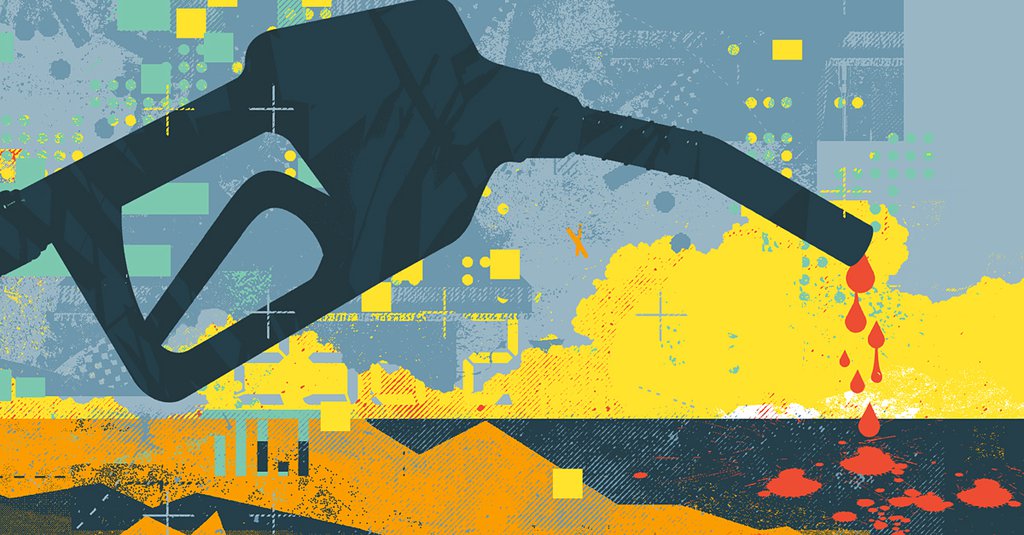
Major American oilfield services companies, including SLB (formerly Schlumberger), Baker Hughes, and Halliburton, supplied Russia with millions of dollars worth of equipment for months after its invasion of Ukraine, helping to sustain its oil and gas sector. While Baker Hughes and Halliburton wound down their Russian operations several months after the invasion, SLB continued to sell technology there until recently. The companies' exports to Russia were deeply shocking to many, as Western nations had launched sanctions aimed at starving the Russian war effort. The equipment provided by these American companies played a crucial role in keeping Russia's challenging oilfields operational, which accounted for nearly half of the country's federal revenues in 2021.
Shell has been estimated to have made hundreds of millions of dollars trading Russian liquefied natural gas (LNG) since the start of the war in Ukraine, according to a report by Global Witness. Despite Shell's promise to stop dealing in all Russian hydrocarbons, the company continued to trade Russian gas, claiming it was necessary for Europe's energy security. The majority of Shell's Russian LNG exports went to the Middle East and Asia, rather than Europe. Global Witness calls for an immediate halt to this trade and for governments to ban imports of Russian gas and impose a 100 percent tax on profits and dividends received by companies from Russian operations since the start of the war.