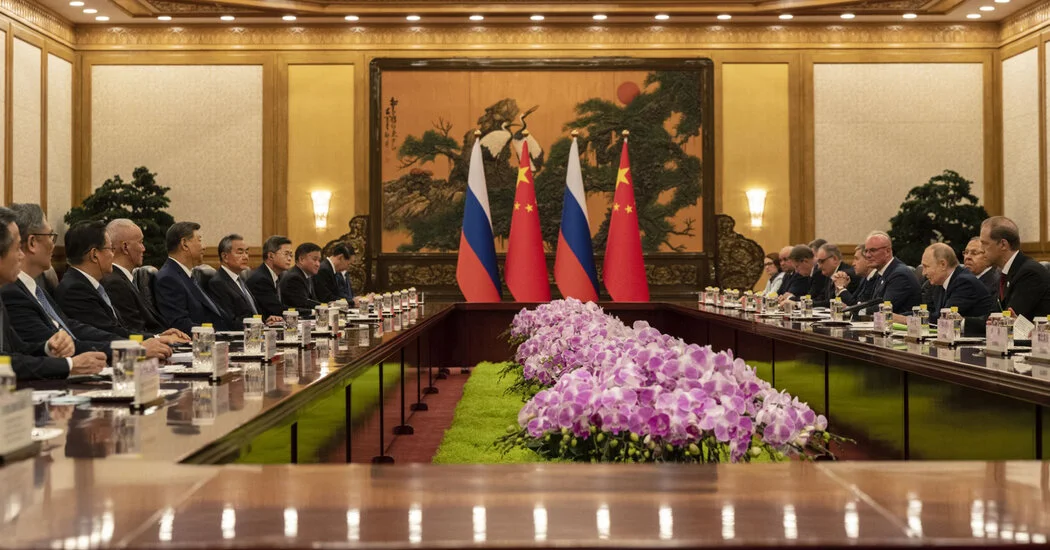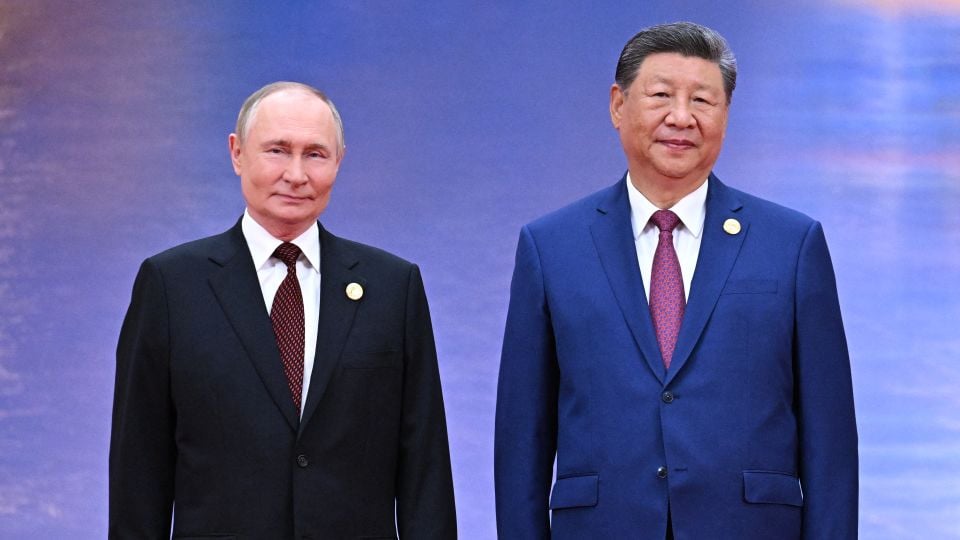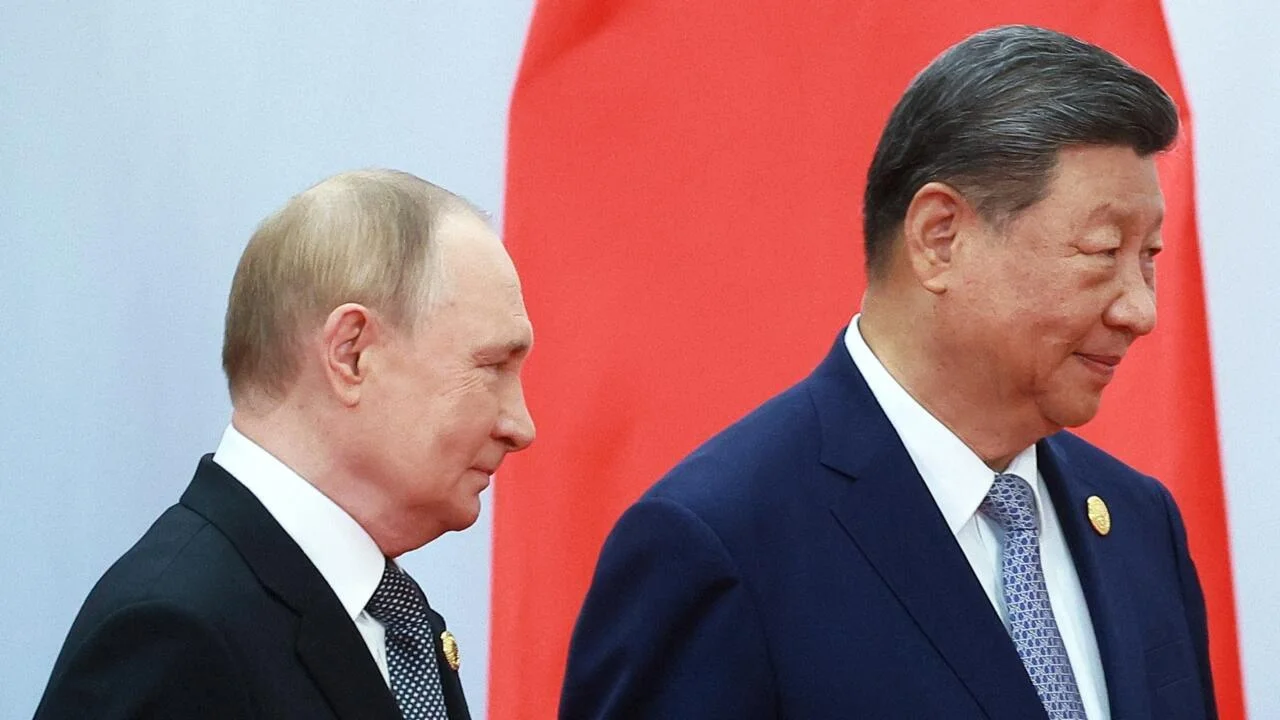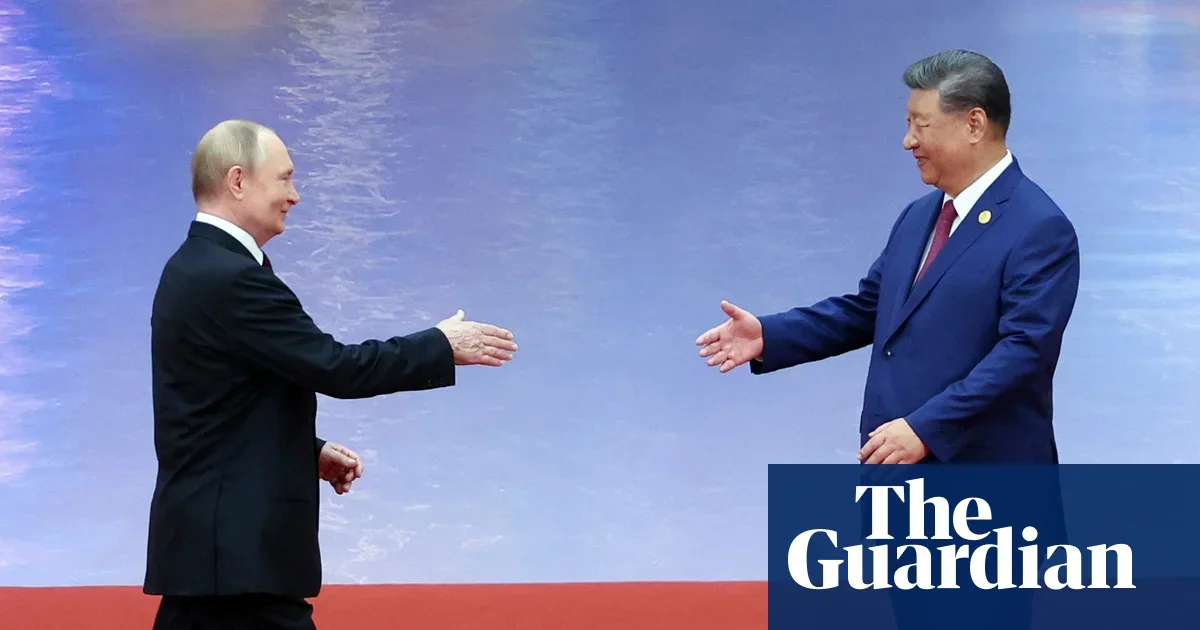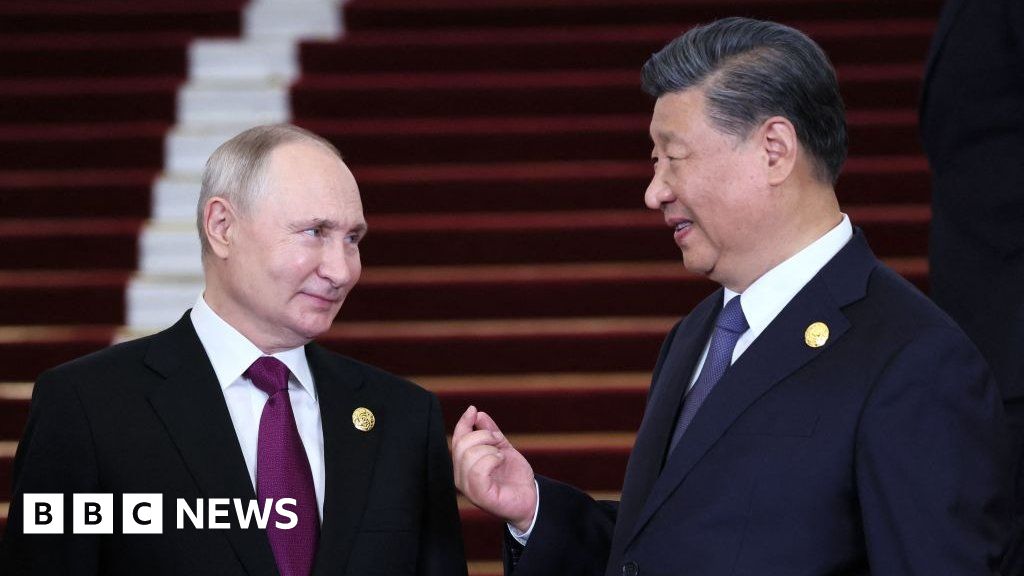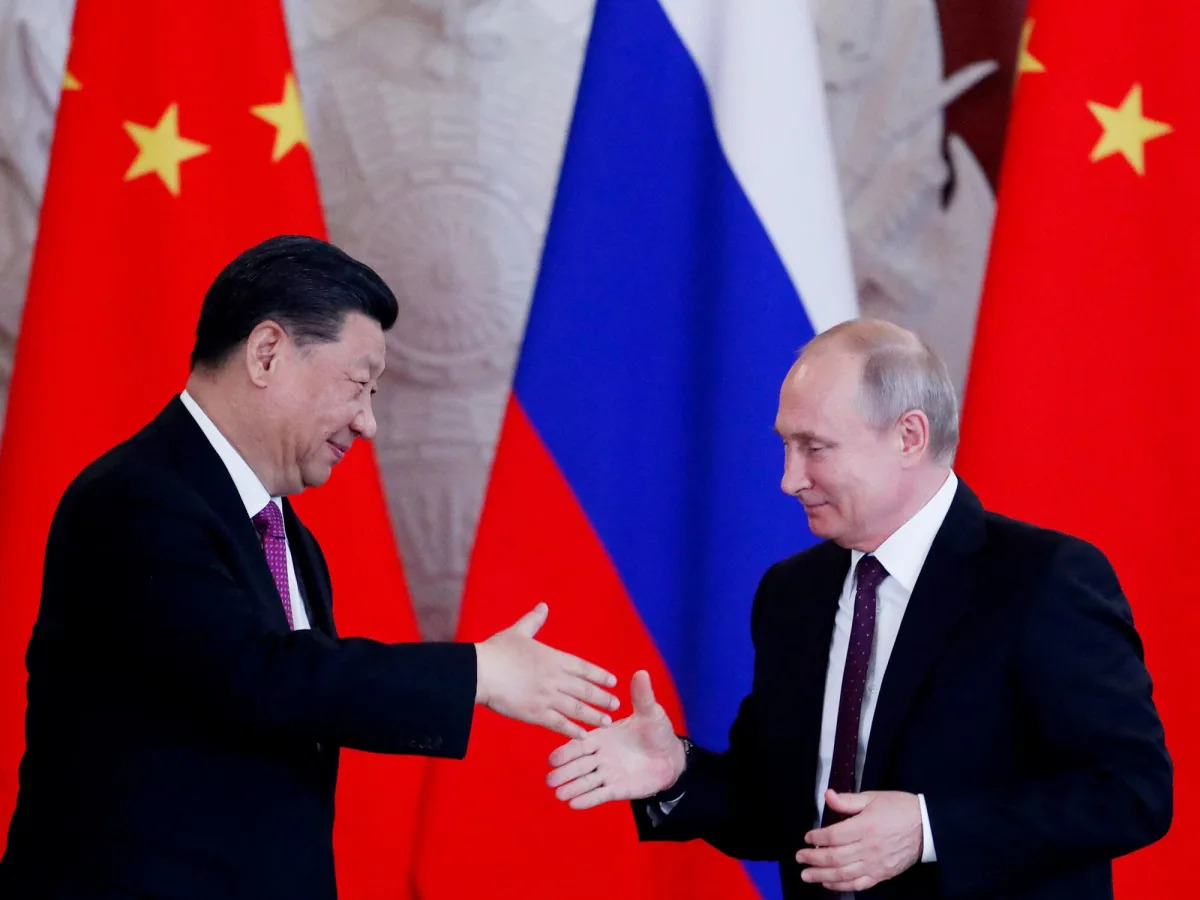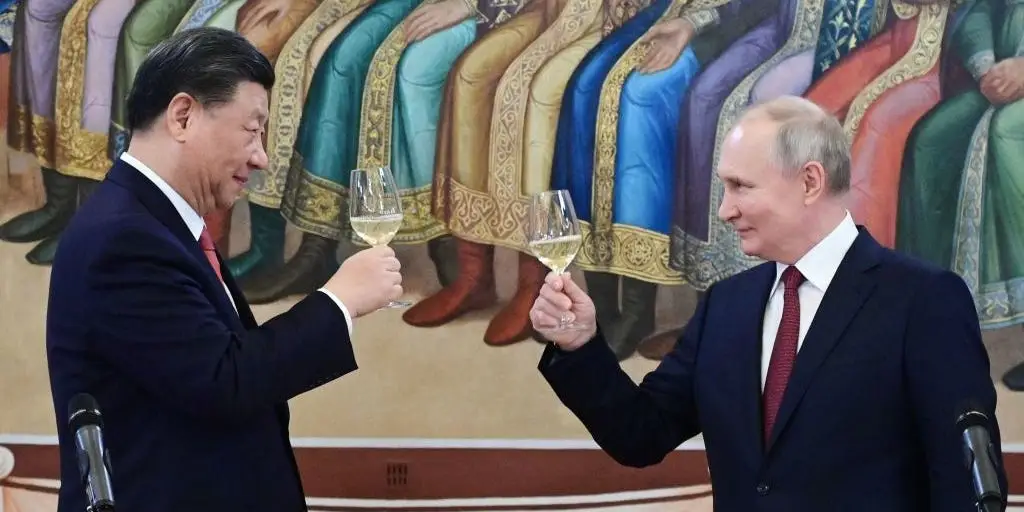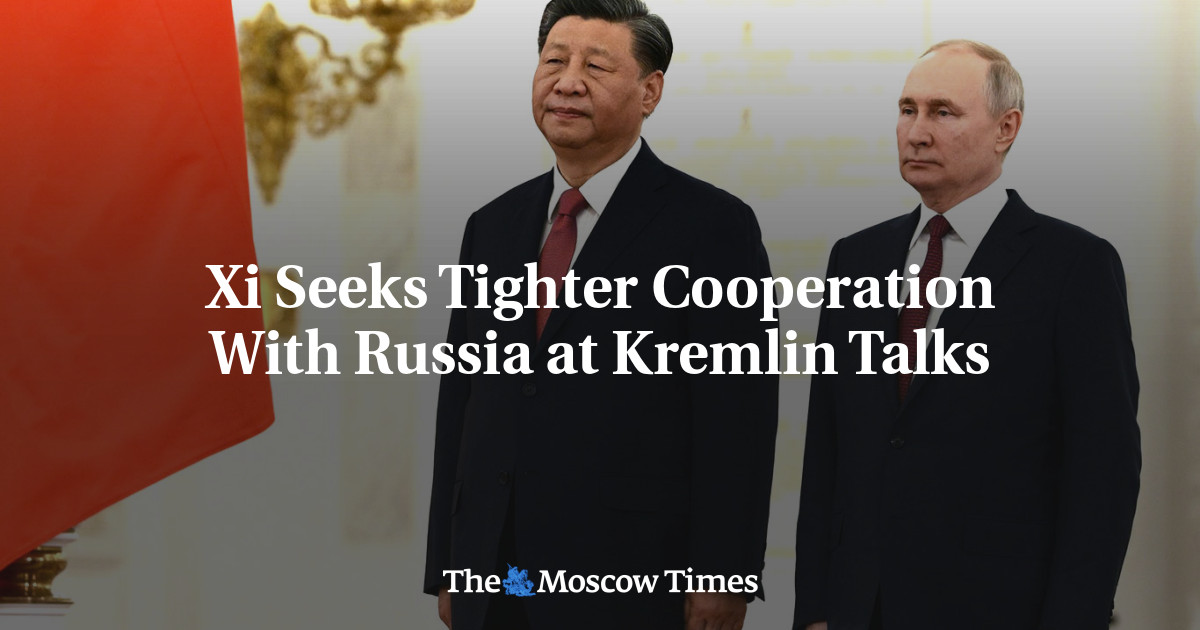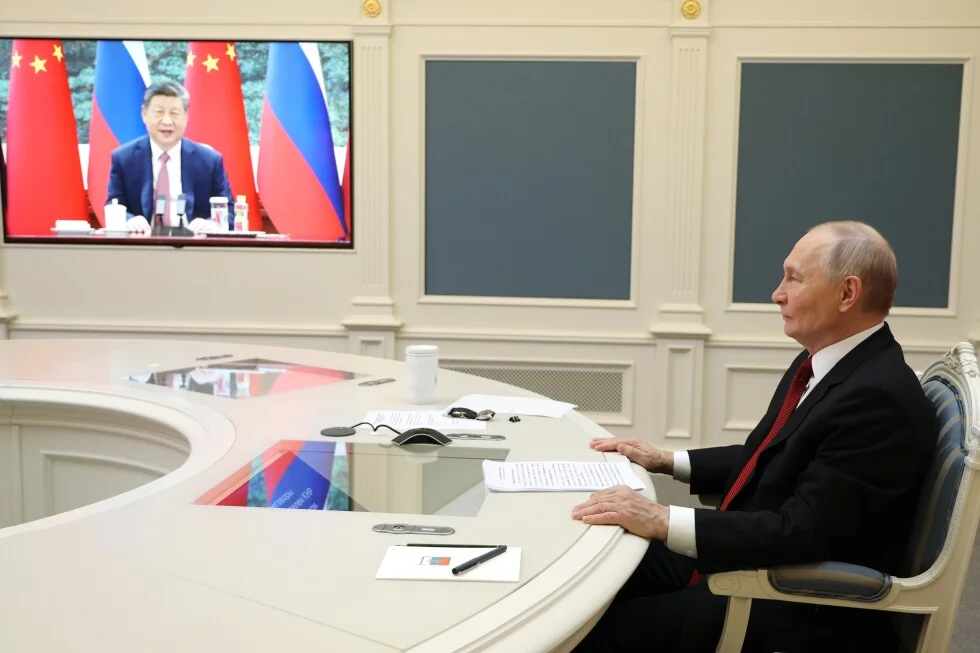
Russian President Vladimir Putin and Chinese leader Xi Jinping showcased their strong alliance in Beijing, emphasizing their shared history and positioning their partnership as a counterbalance to Western influence, with relations at an unprecedented high.
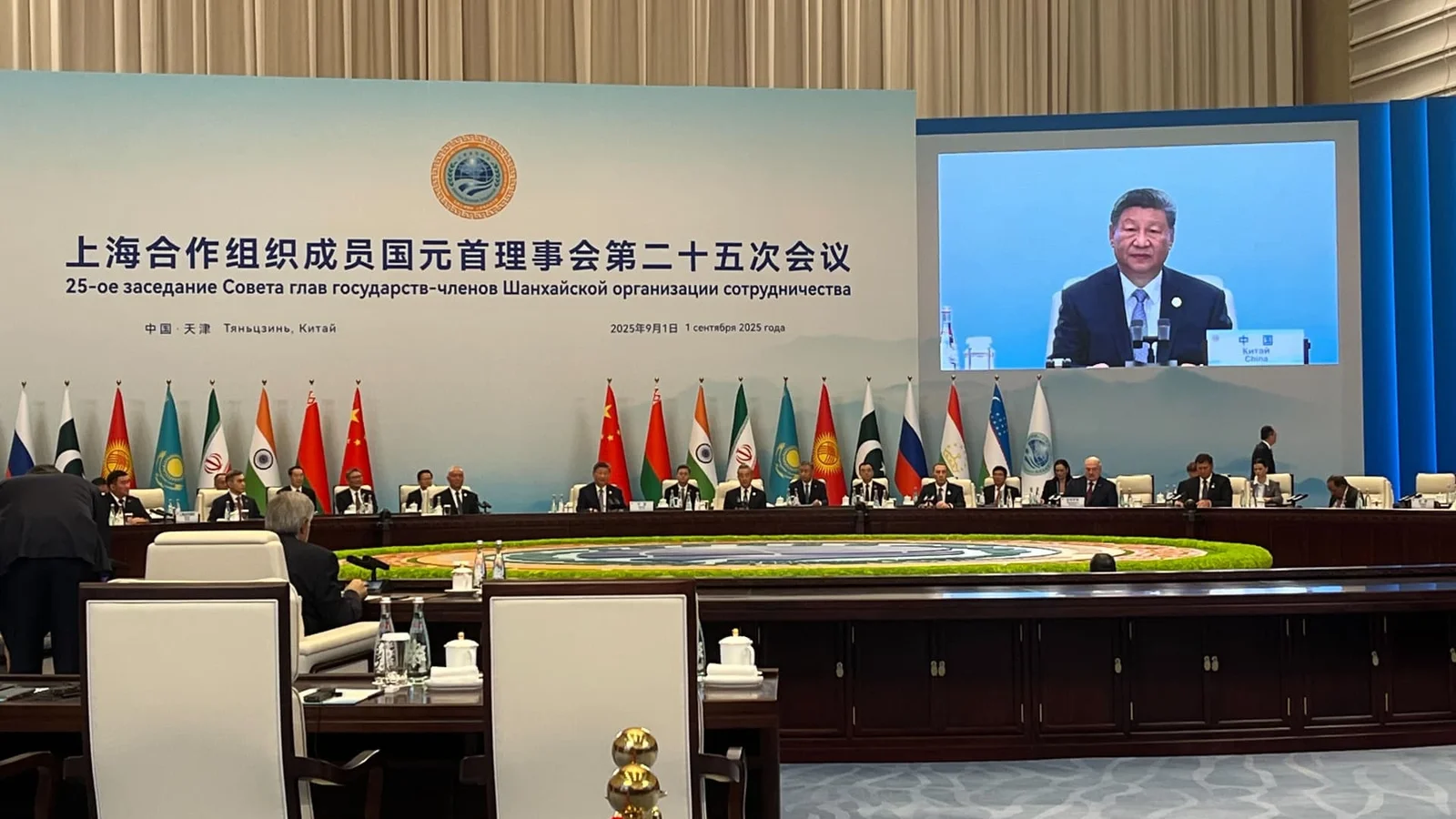
Chinese President Xi Jinping and Russian President Vladimir Putin showcased their close alliance at the SCO Summit, where Xi criticized US 'bullying practices' and promoted China's vision of a multipolar world and reform of global governance, positioning China and Russia as alternatives to Western-led systems amid ongoing tensions over Ukraine and global influence.
At the SCO summit, China's Xi Jinping condemned 'bullying behavior' in global politics, while Putin defended Russia's invasion of Ukraine, and leaders like Modi and Erdogan discussed regional and economic issues amidst ongoing tensions and US pressures. The summit emphasized regional stability, cooperation, and opposition to Cold War mentalities.
Chinese President Xi Jinping called for enhanced AI cooperation among SCO members and rejected Cold War mentalities at the largest-ever SCO summit, emphasizing China's investment in member countries and fostering regional partnerships amid ongoing global tensions.
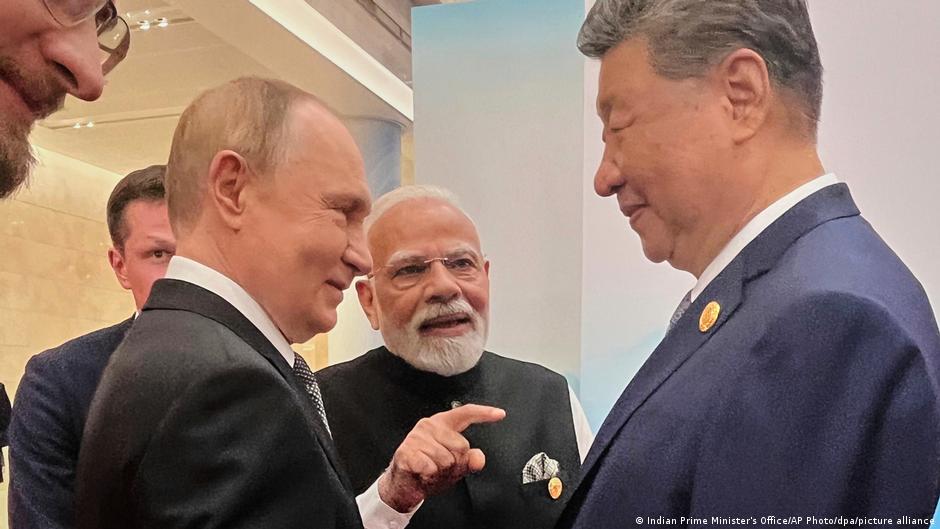
At the SCO summit in Tianjin, China's Xi Jinping criticized 'bullying' by certain countries, implicitly referencing the US, while Putin defended Russia's invasion of Ukraine, blaming the West and a Ukrainian coup. Modi emphasized India-Russia friendship, and China and India pledged to improve ties despite past disputes. The summit highlighted regional cooperation and geopolitical tensions, with leaders also attending a military parade in Beijing.
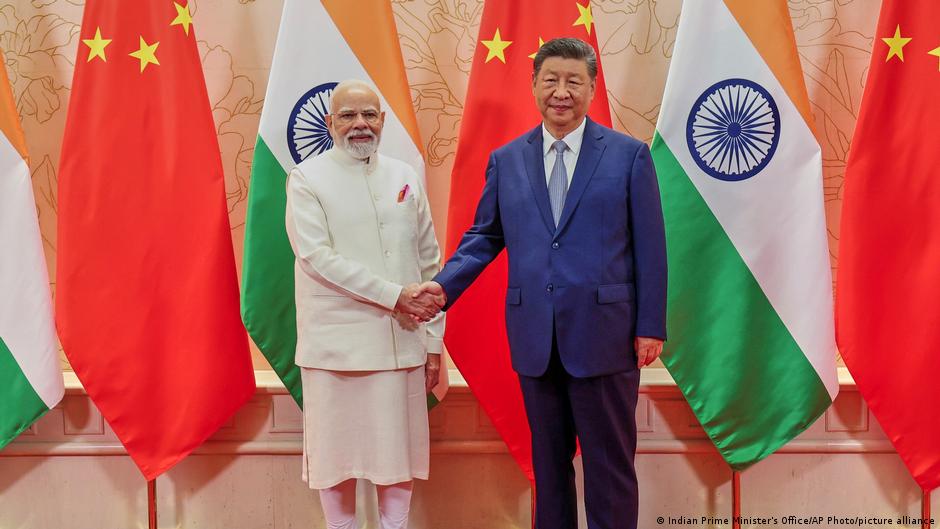
At the SCO summit in Tianjin, Chinese President Xi Jinping and Indian Prime Minister Narendra Modi emphasized partnership over rivalry, with Xi highlighting the SCO's role in regional stability and economic development, while Modi expressed commitment to improving India-China relations. The summit also featured meetings between Xi and other leaders like Erdogan, Aliyev, and Pashinyan, and showcased China's efforts to strengthen ties with the Global South amid global tensions and US trade disputes.
Chinese President Xi Jinping hosted a major SCO summit in Tianjin, where he met with Russian President Vladimir Putin and other world leaders to discuss strengthening Eurasian alliances, countering Western influence, and addressing global instability, amid ongoing tensions related to Ukraine, Taiwan, and US trade policies.
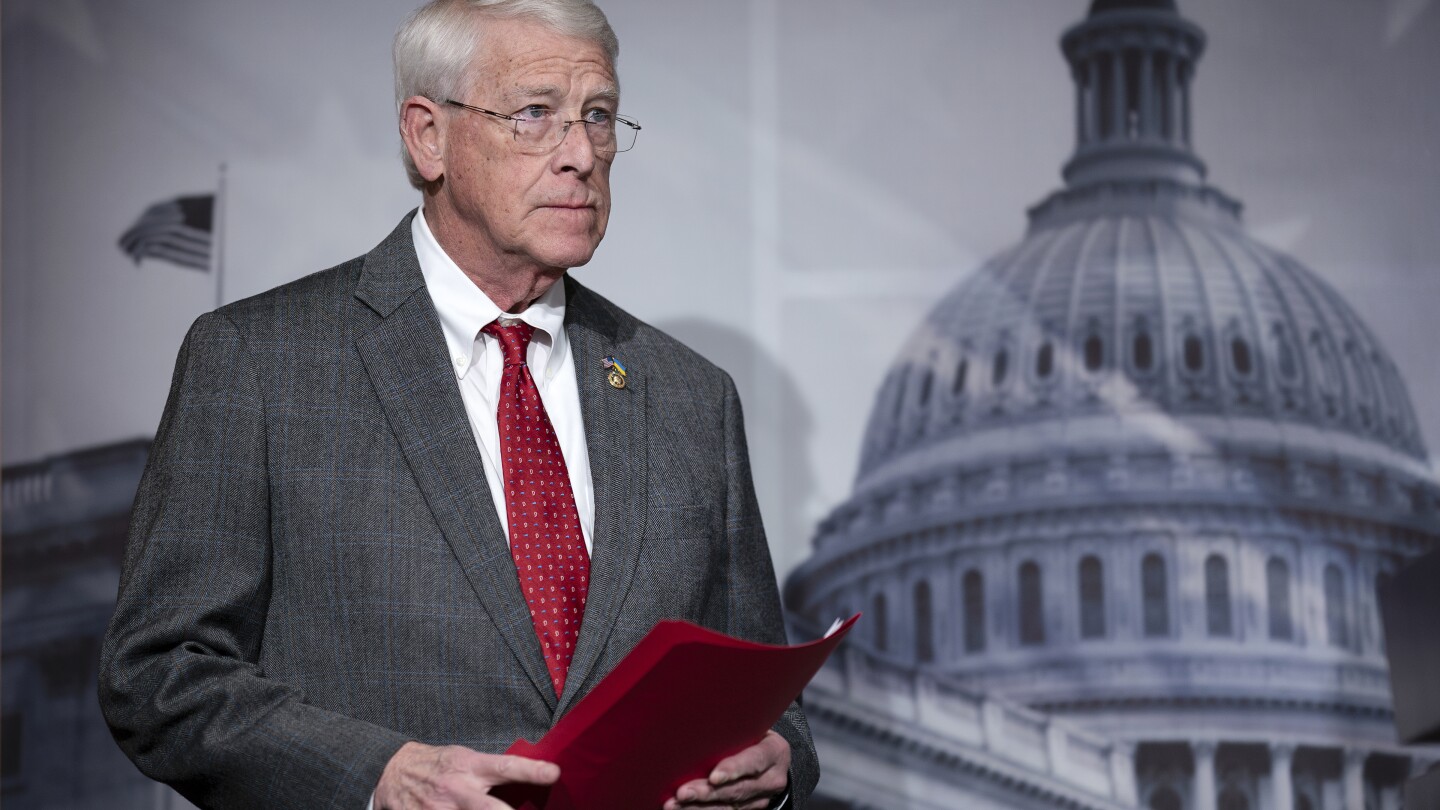
Sen. Roger Wicker, the top Republican on the Senate Armed Services Committee, is advocating for a significant increase in U.S. defense spending, proposing an additional $55 billion to counter threats from adversaries like Russia, Iran, and China. Wicker argues that the U.S. faces the most dangerous threat environment since World War II and calls for a generational investment in defense to maintain global dominance. This proposal comes amid political divisions and budget constraints, with the White House proposing a more modest 1% increase in defense spending.
Russian President Vladimir Putin was honored at a global summit in Beijing hosted by Chinese President Xi Jinping, celebrating the 10th anniversary of the Belt and Road Initiative (BRI). Putin, who rarely leaves Russia due to diplomatic isolation and an ICC arrest warrant over alleged war crimes in Ukraine, was the guest of honor among leaders from over 130 countries. The summit highlighted the close relationship between Putin and Xi, with Putin pledging support for the BRI and praising China's achievements. The event raised concerns about China and Russia forming a bloc to rival the West, as both countries denounce US-led global hegemony and advocate for a multipolar world.
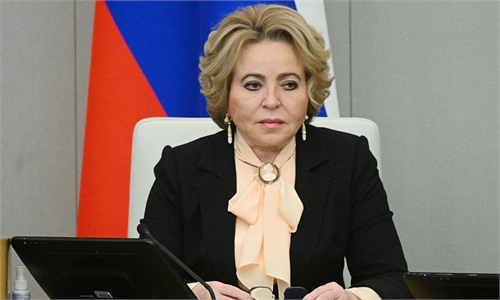
Russian Federation Council Speaker Valentina Matviyenko and her delegation are visiting China to attend the eighth meeting of the China-Russia committee for parliamentary cooperation, highlighting the continuity and stability of China-Russia relations. The visit focuses on legislative matters and issues related to social and national governance. The strong and effective exchanges between the legislatures of both countries ensure lasting popular support for future cooperation. The Wagner Group incident has little direct impact on China-Russia relations, as both sides are committed to developing their relationship based on historical experience. The meeting aims to maintain political security, support each other on core interest issues, and enhance coordination within multilateral frameworks.
The recent rebellion against Russian President Vladimir Putin has highlighted the risks facing Chinese leader Xi Jinping's "no limits" friendship with Putin, which has inextricably linked the two men. The rebellion risks rippling through the establishment in Beijing, as it reinforces the message that Xi needs to maintain a tight grip and be suspicious of the military. While China has publicly backed Putin's ability to rule, it has started creating some distance with Russia over the months, warning against the use of nuclear weapons and calling for the protection of civilians after the destruction of a dam in Ukraine.
Former US Ambassador to Russia, Michael McFaul, has said that Russian President Vladimir Putin "humiliated" Chinese President Xi Jinping by announcing plans to station nuclear weapons in Belarus just days after issuing a joint statement with China opposing countries stationing nuclear weapons abroad. McFaul said the announcement would particularly rankle Beijing given that Belarus' President, Viktor Lukashenko, had recently made a state visit to China. Putin and Xi had strengthened their alliance at a summit in Moscow last week, but analysts suggest that the balance of power between Russia and China has tipped in China's favour.
Chinese leader Xi Jinping arrived in Moscow for talks with Russian President Vladimir Putin, with the Ukraine conflict on the agenda. The two leaders are expected to discuss proposals put forward by China to end more than a year of fighting in Ukraine, as well as boosting economic cooperation. Xi's visit coincides with a surprise visit to Kyiv by Japanese Prime Minister Fumio Kishida, who visited a town where Russian forces were accused of committing atrocities during their occupation last year.
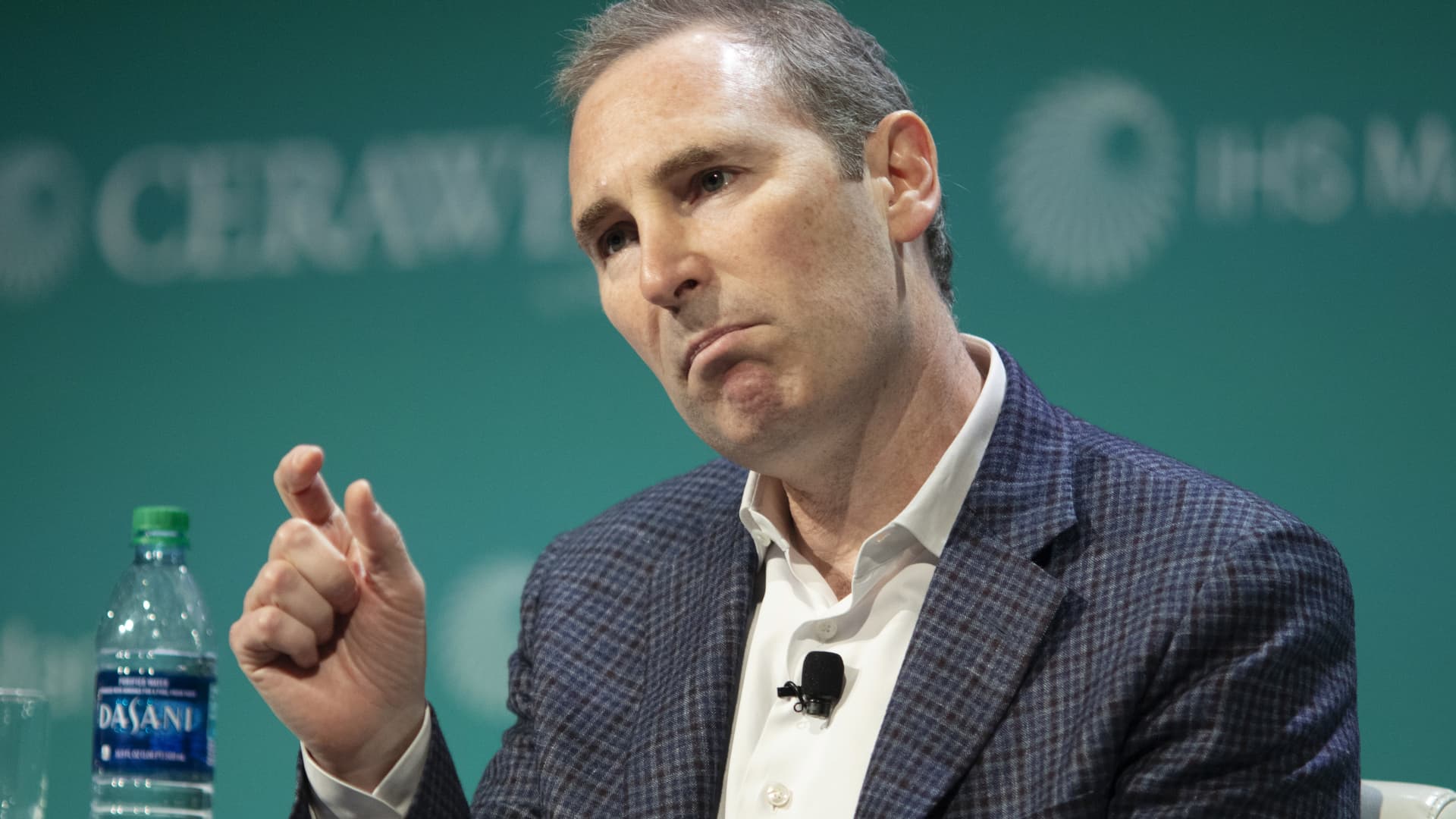
U.S. equities markets rallied Monday following the latest moves to shore up the global banking system. Wall Street's focus is almost entirely on what'll come of the Federal Reserve's policy-setting meeting, which kicks off Tuesday and concludes Wednesday. First Republic, which caters to clients with big, uninsured deposits, is teetering and JPMorgan Chase is advising the bank on strategic alternatives. Amazon will lay off another 9,000 employees over the coming weeks. Virgin Orbit is on the verge of bankruptcy and many of the company's employees are actively looking for new jobs. Chinese President Xi Jinping and Russian President Vladimir Putin will hold a second day of meetings Tuesday in Moscow.
Swiss banking giant UBS has agreed to buy Credit Suisse for $3.2 billion, with Swiss regulators and central bankers offering billions in backup. The Federal Reserve and five other central banks have also moved to ease liquidity concerns in global markets. Flagstar Bank will take over large chunks of Signature Bank, while Silicon Valley Bank is set to be broken up. First Republic Bank has been hit with another credit downgrade, and Chinese President Xi Jinping has landed in Russia for meetings with Vladimir Putin.