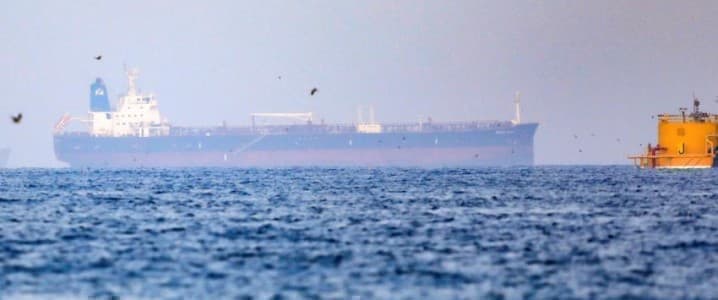
Australia has imposed sanctions on 95 Russian 'shadow fleet' vessels and joined international efforts to lower the Russian oil price cap from $60 to $47.60 per barrel, aiming to reduce Russia's oil revenue and pressure Moscow over its invasion of Ukraine.
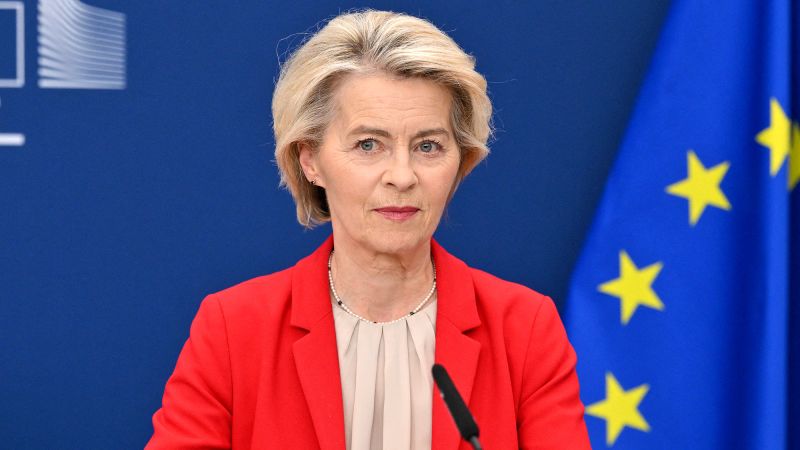
The European Union has approved a new, strong sanctions package against Russia over its Ukraine war, including a lower oil price cap, bans on transactions with Nord Stream pipelines, and targeting shadow fleet ships, aiming to increase pressure on Russia while supporting Ukraine.
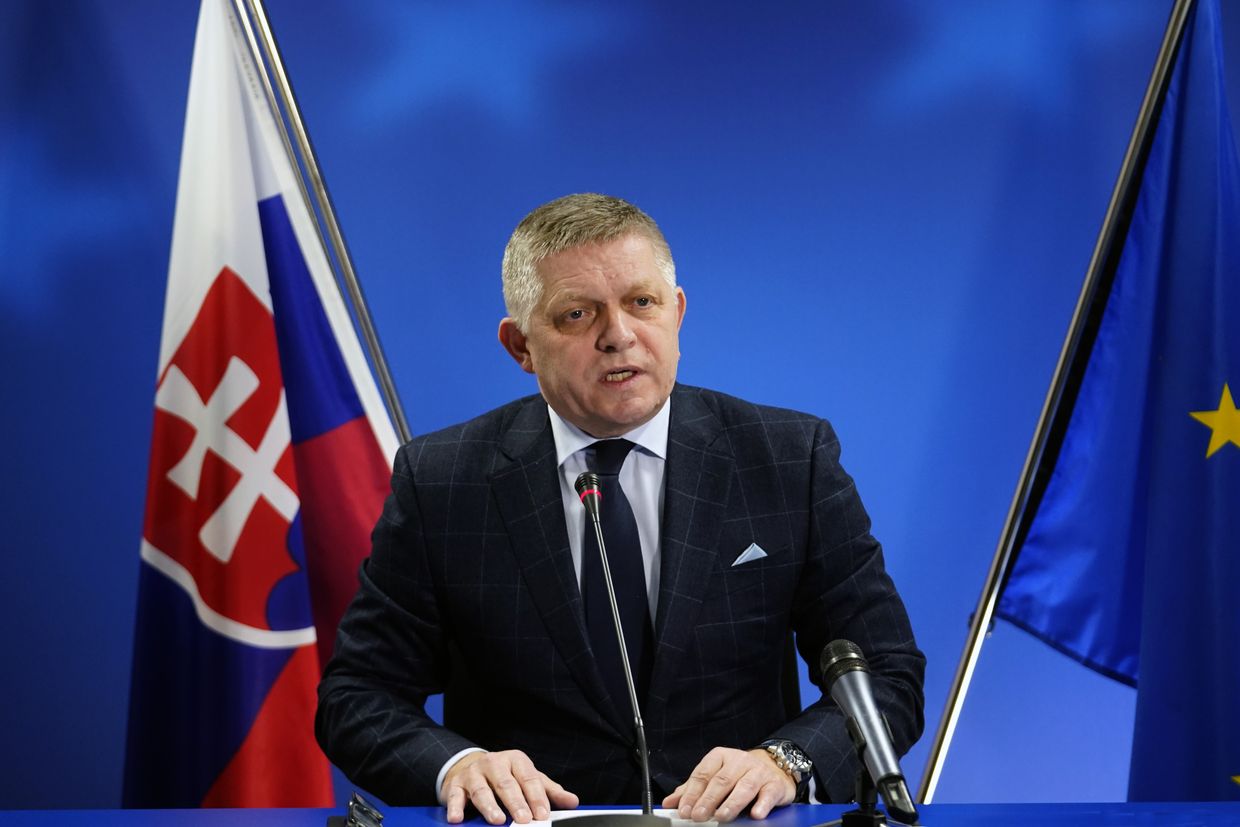
Slovakia is expected to approve the EU's 18th sanctions package against Russia after receiving guarantees from the EU, despite previous opposition due to concerns over energy transition and alignment with Moscow. The package includes a new Russian oil price cap, lowering the maximum price to $47 per barrel, with full agreement anticipated soon.
The European Union announced a new, comprehensive package of sanctions against Russia, targeting its energy sector, financial institutions, and military support, aiming to pressure Moscow into ceasing its attacks on Ukraine and seeking to cut its revenue from oil exports, despite potential political hurdles within member states.
The US Department of the Treasury's Office of Foreign Assets Control (OFAC) has taken its first oil price cap enforcement action of 2024 against UAE-based shipping company Hennesea Holdings Limited for violating the price cap by carrying Russian crude oil purchased above the $60 threshold. OFAC has designated all property and interests in property of Hennesea in the US as blocked, and prohibited transactions involving any blocked property. The US, G7, EU, and Australia have agreed to prohibit the importation of crude oil and products from Russia unless purchased and sold below the designated price cap.
The G7 is expected to announce a ban on Russian diamonds and measures to manage immobilized Russian central bank assets and the G7 oil price cap. The ban on Russian diamonds will be implemented in two phases, starting from January 1, with a self-declaration system for diamond companies during the phase-in period. Western countries are also looking for ways to strengthen the implementation of the $60 price cap on Russian crude oil. The United States has already started imposing sanctions on violators of the price cap. Additionally, the European Commission is expected to propose a method to capture the interest gained on the frozen assets, which are primarily held by Belgian clearing house Euroclear.
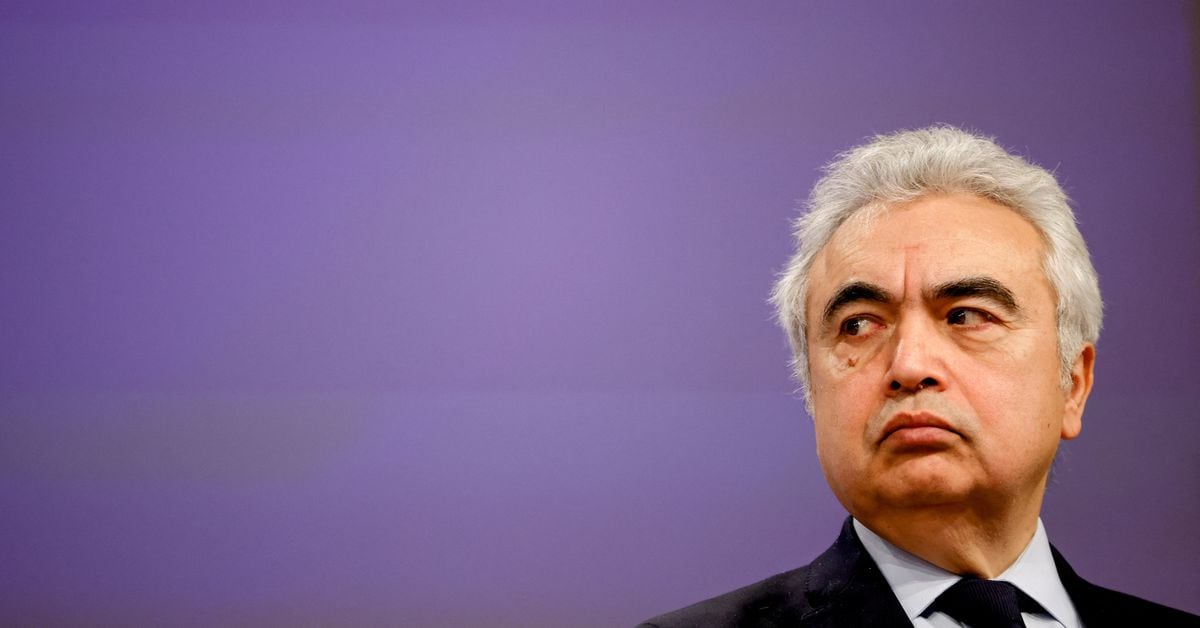
The International Energy Agency (IEA) does not expect the enhanced enforcement of the $60-per-barrel price cap on Russian seaborne crude oil and upper price limit for Russian oil products to affect the global oil and fuel supply. The G7 will enhance efforts to counter evasion of the caps "while avoiding spillover effects and maintaining global energy supply". The IEA's Executive Director Fatih Birol said the price cap reached two main objectives: it did not trigger tightness in the markets as Russian oil continued to flow but at the same time Moscow's revenues were reduced.