European stocks are expected to open flat as investors await key central bank decisions, with the UK inflation rate cooling to 3.2%, causing the pound to fall against the dollar and euro; U.S. futures declined following mixed jobs data, while Asia-Pacific markets traded mixed.
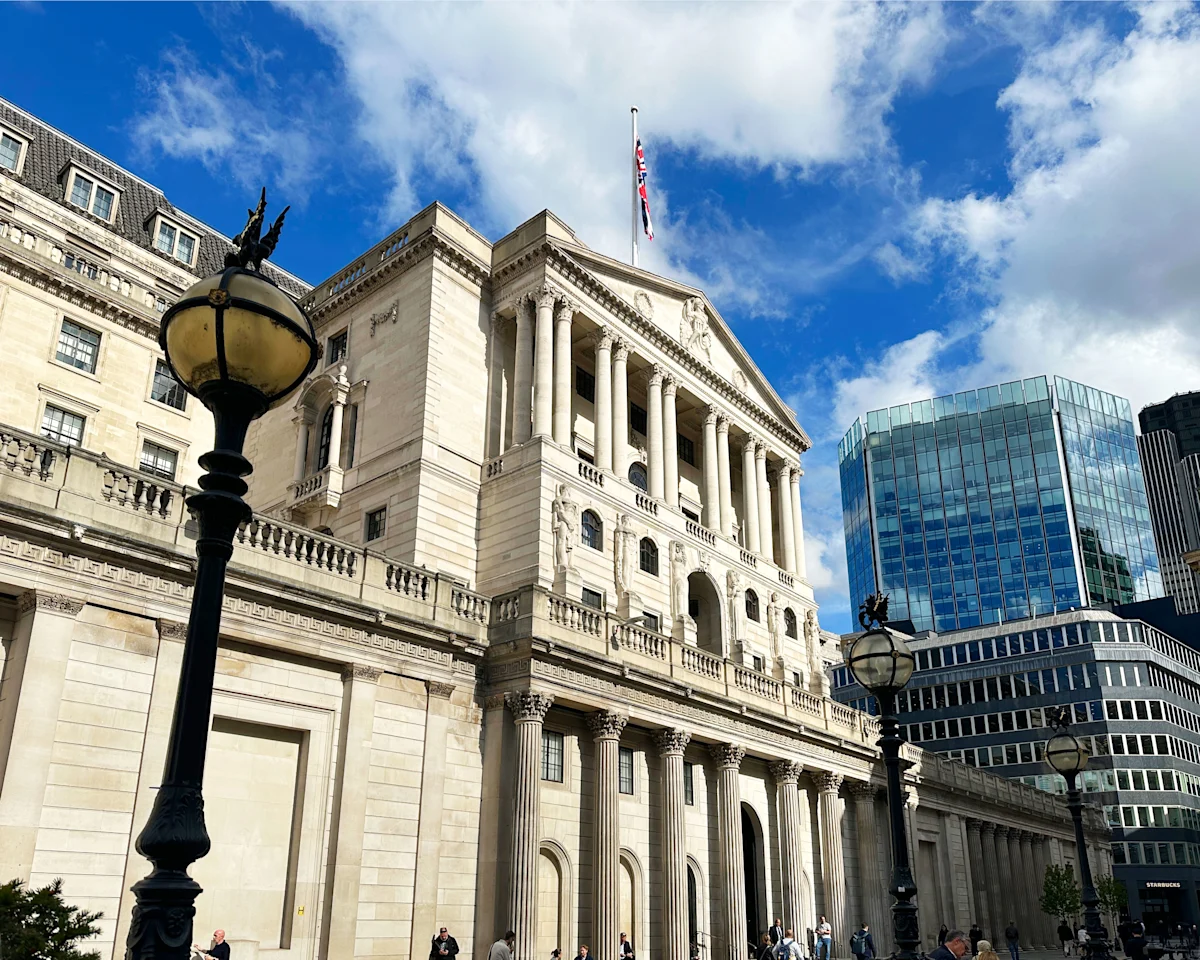
The Bank of England is expected to hold interest rates at 4% in its upcoming meeting amid high inflation and upcoming UK budget decisions, pausing a rate-cutting trend that has been ongoing since August 2024. While a rate cut is not expected immediately, market expectations for a possible reduction in December have increased, depending on upcoming economic data and the budget's impact. The decision is also influenced by global central bank trends and economic uncertainties.
The article discusses upcoming economic data releases from the US, UK, and China, highlighting delays and expectations for inflation and growth figures, and their potential impact on monetary policy and market outlooks.
UK inflation rose to 3.8% in July, the highest in 18 months, driven by service sector inflation and rising utility and transport costs, making it the fastest among G7 economies. The Bank of England signaled a cautious approach to interest rate cuts amid persistent inflation pressures, which are expected to remain above target until mid-2027.
UK's inflation rate rose to 3.6% in June, driven mainly by motor fuel and food prices, exceeding expectations and prompting concerns over living costs. The Bank of England is expected to consider a rate cut in August amid ongoing economic contraction and inflation volatility.
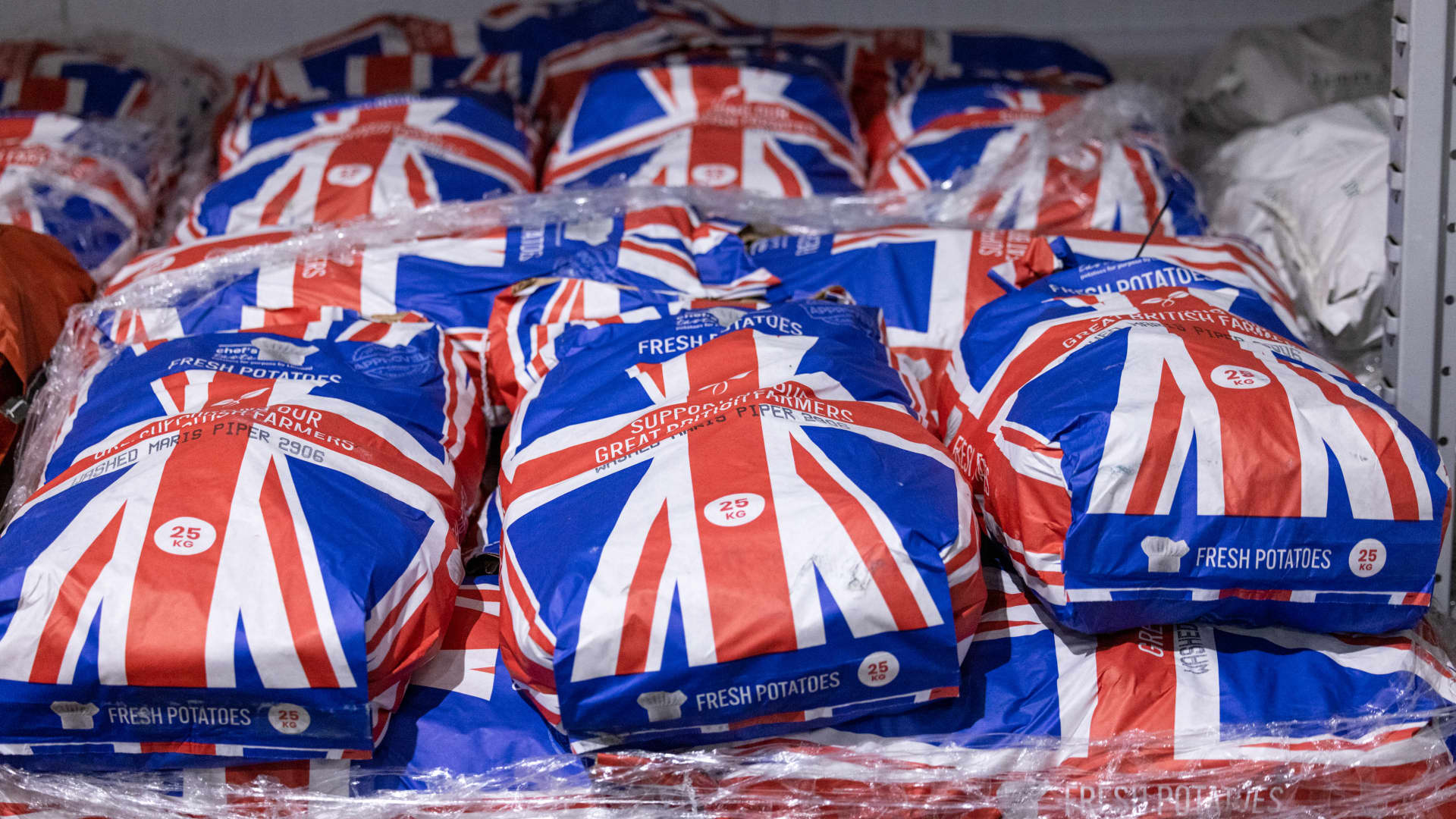
UK inflation remains high at 3.4%, with food prices rising for the third consecutive month, driven by increased costs including higher wages and bad harvests affecting chocolate prices, which surged by 17.7% in the year to May, marking the fastest increase since 2016. Despite some easing in travel costs, overall inflation impacts consumers and businesses, with concerns about rising living costs and economic growth.
UK's inflation rate remained steady at 3.4% in May, supporting the case for the Bank of England to hold interest rates steady in the near term, amid mixed signals from recent data and global geopolitical tensions affecting oil prices.
The UK's inflation rate rose to 2.3% in October, indicating ongoing cost of living challenges despite being lower than the peak of 11.1% two years ago. While wages are rising, they may not keep pace with inflation, particularly affecting those on benefits. The Bank of England's interest rate cuts are expected to be gradual due to recent economic events, impacting mortgage and rent costs. Global factors, such as potential US tariffs and geopolitical tensions, add uncertainty to future inflation trends.
UK inflation rose to 2.3% in October, surpassing expectations and marking an increase from September's 1.7%. Core inflation also edged up to 3.3%. The rise in inflation could influence the Bank of England's interest rate decision in December, although another inflation report is due before then. The recent Autumn budget, which includes significant tax increases, may further impact inflation and economic growth. The global economic environment, including potential trade tariffs from the US, adds to inflationary pressures.
UK inflation rose to 2.3% in October, up from 1.7% in September, driven by higher energy bills, which increased by about £149 for a typical household. This rate surpasses the Bank of England's 2% target, though further interest rate cuts are not expected until 2025. While energy costs contributed to the inflation rise, decreases in live music and theatre ticket prices provided some offset. The government plans to means-test winter fuel payments, affecting 10 million pensioners, as energy costs remain a concern amid colder weather.
European markets fell on Wednesday, with the Stoxx 600 down 0.52% and tech stocks dropping 2.84%, driven by a 6.7% decline in ASML shares due to potential U.S. trade restrictions on chip equipment exports to China. UK inflation held steady at 2%, slightly above forecasts, boosting the British pound above $1.3 against the U.S. dollar.
European stocks were slightly higher despite global market concerns over comments from the head of the U.S. Federal Reserve, with the Stoxx 600 index up 0.1% and UK inflation easing to 3.2% in March. Fed Chair Jerome Powell's remarks about the need for more progress on inflation before considering rate cuts contributed to market unease. Luxury group LVMH saw a 2.5% rise in shares despite a slowdown in sales, while Asia-Pacific and U.S. markets experienced mixed performance following recent selloffs.
UK inflation dropped to its lowest rate in over two years in November, surprising economists and bolstering expectations of an interest rate cut by the Bank of England in the first half of next year. The annual rate of consumer price increase fell to 3.9% from 4.6% in October, driven down by cheaper petrol. Investors now fully price in a rate cut by May 2024 and see a nearly 50% chance of a cut by March. The pound and British government bond yields also fell. While UK inflation is no longer an outlier internationally, it remains higher than other advanced economies.
UK inflation has reached its lowest level in two years, with consumer prices rising 4.6% in October compared to a year ago. However, experts warn that businesses and households still face high bills and a sluggish economy, casting doubt on Prime Minister Rishi Sunak's promise to generate growth. While inflation has halved this year, the Bank of England's target of 2% remains distant. Underlying price pressures persist, and services inflation remains high at 6.6%. The UK economy recorded zero growth in the July-to-September period, and concerns about the cost of living and elevated interest rates have tempered the positive effects of milder inflation.