The FTSE 100 index surpassed 10,000 points for the first time, marking a significant milestone in 2025 driven by strong performances from UK and international companies, boosted by global economic factors and investor confidence, despite some sector-specific setbacks.
The over-50s demographic in the UK, known as 'Silver Spenders,' is gaining significant financial influence due to increased wealth and discretionary spending, driving growth in sectors like luxury goods, wealth management, insurance, healthcare, and pet care, with notable interest in companies like Hiscox, Evelyn Partners, Saga, and Pets At Home.
Boxing Day sales in the UK have been subdued, with foot traffic and spending falling compared to previous years, as consumers remain cost-conscious amid economic pressures and a shift towards online shopping, leading to less significance for the traditional sales event.
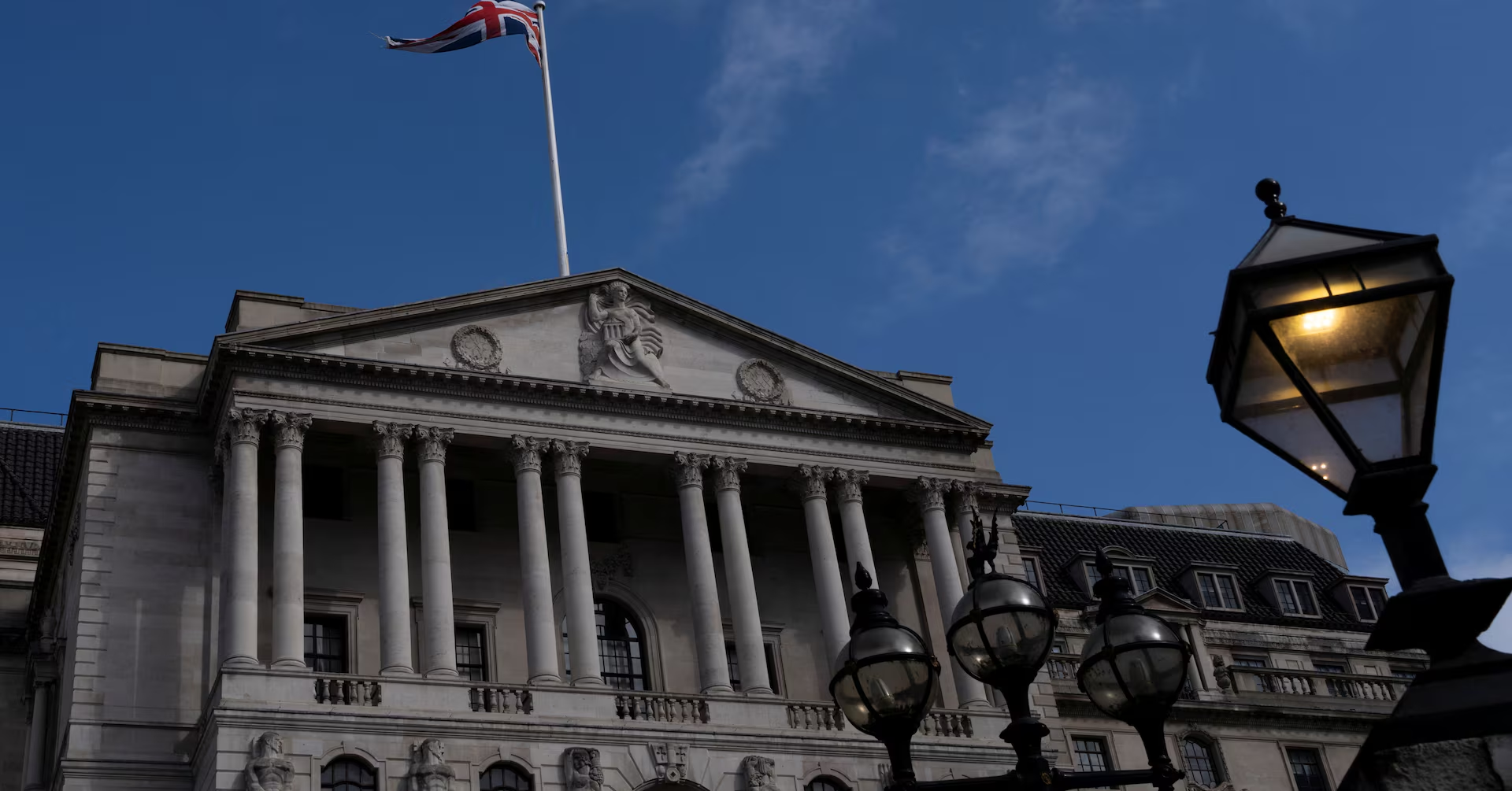
The Bank of England narrowly voted to cut interest rates by 25 basis points to 3.75%, marking the fourth cut in 2025, to support consumers amid softening economic data and inflation easing. The decision was closely contested, with some policymakers concerned about inflation remaining above target. The rate cut is expected to benefit borrowers but may reduce returns for savers, and further easing could occur in early 2026 depending on economic conditions.
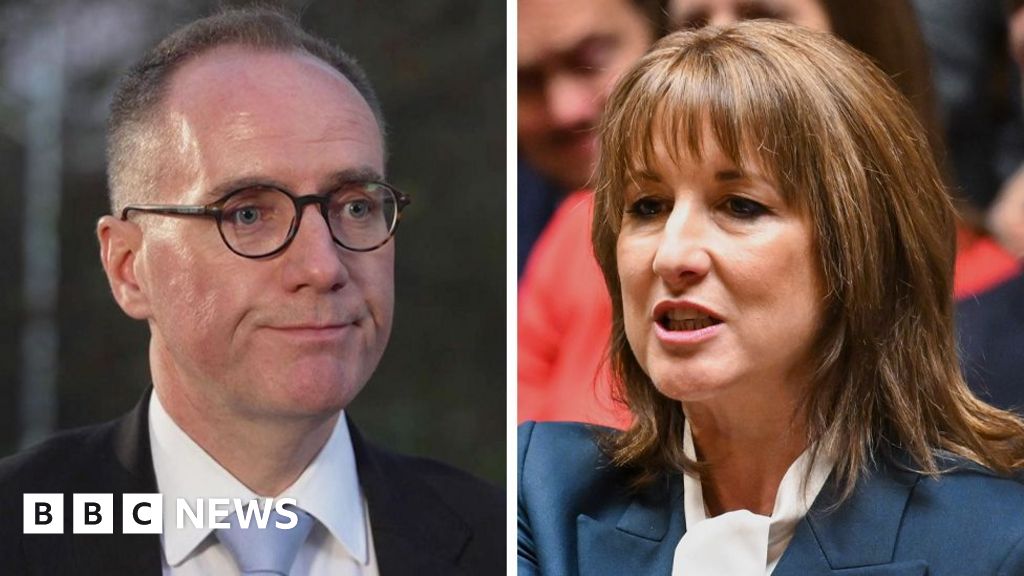
Richard Hughes resigned as chair of the Office for Budget Responsibility following a major publication error that led to an early release of a key Budget document, damaging the organization's reputation and highlighting weaknesses in its publication system amid political controversy over the Budget and economic forecasts.
The Bank of England is expected to hold interest rates steady at 4.0%, with some analysts suggesting a possible cut due to easing inflation pressures, though the decision remains uncertain ahead of the upcoming government budget and economic data releases.
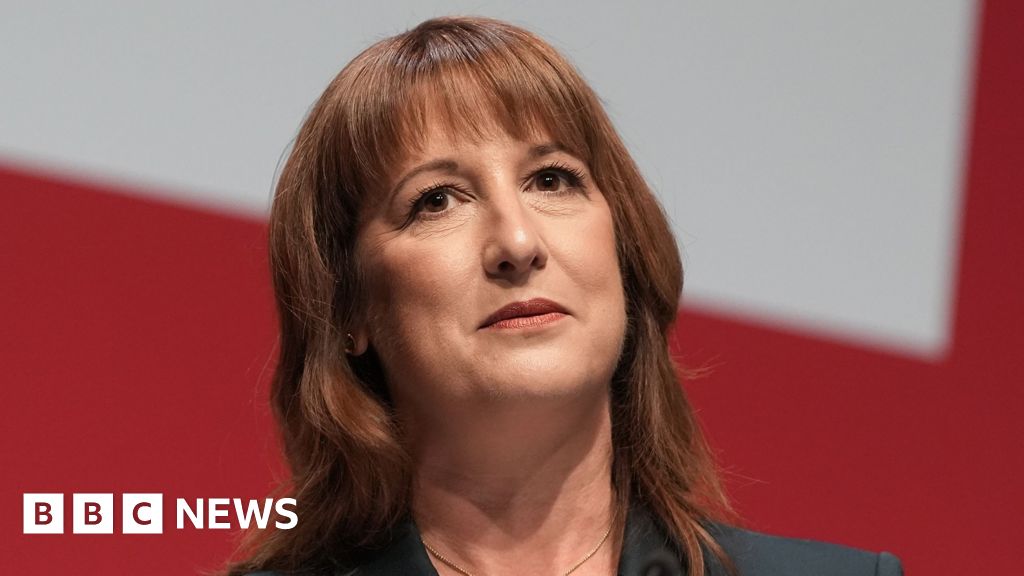
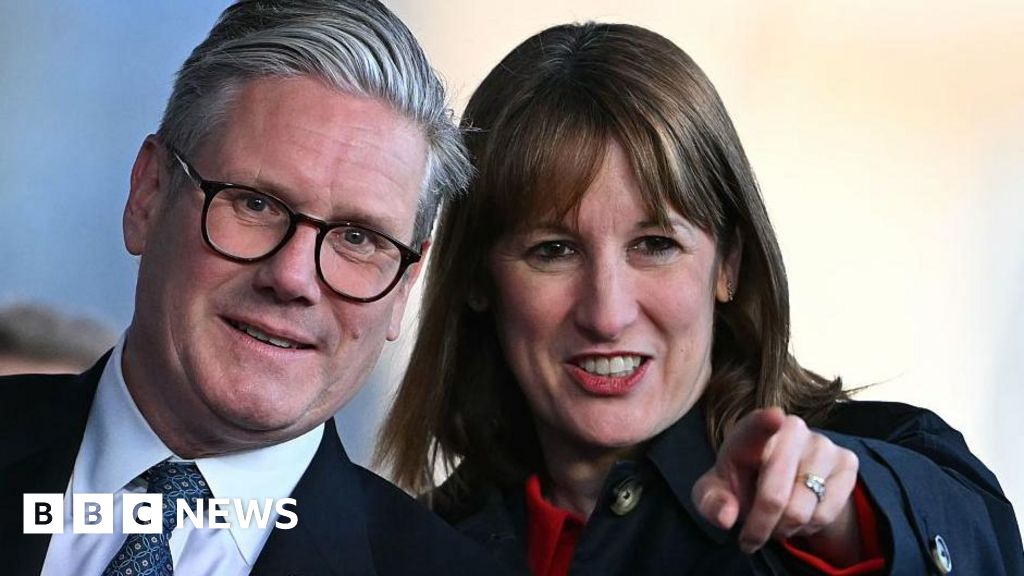
Chancellor Rachel Reeves is expected to announce a Budget focused on fairness and opportunity, with likely tax increases despite previous pledges not to raise income tax, VAT, or National Insurance, as she aims to address economic challenges and meet fiscal rules.
The article discusses the challenge Labour faces in restoring business confidence after the recent Budget, which many in the business community found damaging, and highlights the importance of government actions and policies in influencing economic growth and investor sentiment in the UK.
Jaguar Land Rover has extended its factory shutdown until at least October due to a cyber attack, causing significant economic impact and raising concerns about the supply chain's stability, with government officials and unions calling for intervention to support affected suppliers and workers.
The Bank of England has decided to hold interest rates at 4%, citing ongoing inflation concerns and indicating that future rate cuts will be gradual and cautious. The decision impacts borrowing and savings, with the pound slightly weakening and mortgage rates remaining relatively low. Economists predict rates may stay at this level for the rest of the year, as inflation remains above target, and the Bank aims to manage economic growth and price stability.
Microsoft's $30bn investment in the UK's AI sector aims to significantly boost the economy within five years, with plans for data centres and a supercomputer, as part of a broader US-UK tech partnership to foster innovation, jobs, and infrastructure development, despite concerns over energy consumption and reliance on foreign tech.
The UK economy experienced no growth in July, following a significant manufacturing contraction, with a focus on rolling three-month growth figures; the government faces pressure to boost growth and may consider tax increases in the upcoming Budget amid economic challenges and political debates.
UK economic growth slowed to 0.3% in Q2 but exceeded forecasts, driven mainly by services and construction, with positive revisions for April. Experts suggest weather and consumer confidence helped, but concerns remain over global economic impacts, business investment, and potential tax hikes. The Bank of England may delay rate cuts amid inflation concerns, while forecasts for the rest of 2023 remain cautious.
The Bank of England is expected to cut interest rates by 25 basis points to 4% despite rising inflation, focusing on economic growth concerns amid a slowdown, tax hikes, and job losses, with officials indicating a cautious approach to future rate adjustments.
The Bank of England is expected to cut interest rates by 25 basis points to 4% despite rising inflation, as the UK economy faces growth concerns, high taxes, and job losses, with policymakers focusing on supporting growth amid inflationary pressures.